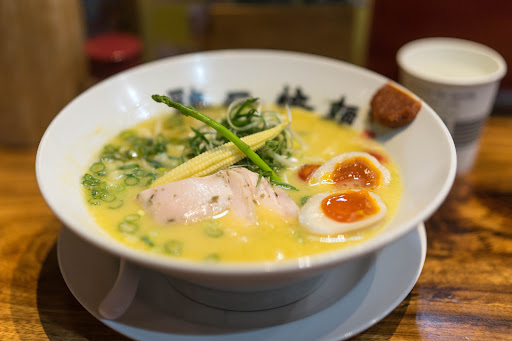
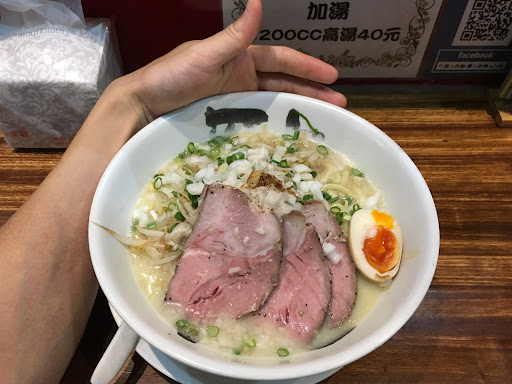
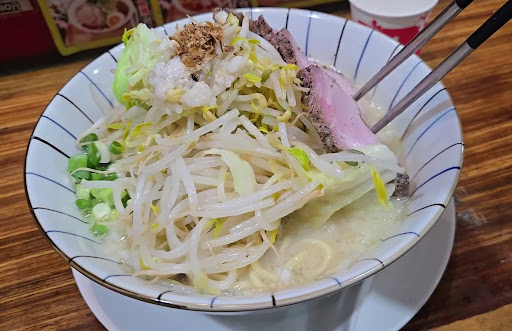
G2 Ramen things to do, attractions, restaurants, events info and trip planning
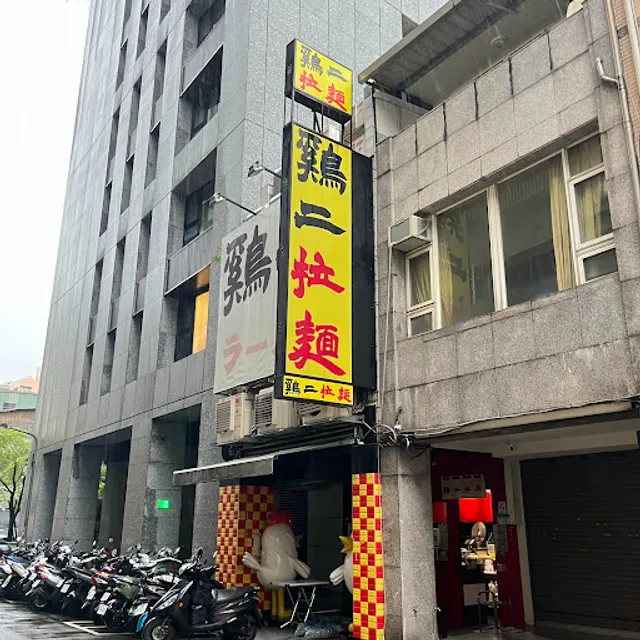
Basic Info
G2 Ramen
No. 30號, Wenchang St, Da’an District, Taipei City, Taiwan 106
4.2(1.9K)
Closed
Save
spot
spot
Ratings & Description
Info
attractions: Bluerider ART 藍騎士藝術空間, Linjiang Night Market, Dun'an Park, 胡克敏紀念館, Uspace Gallery, Each Modern 亞紀畫廊, Taipei Hakka Culture Hall, Dynasty Art Gallery, Dunren Park, Bluerider ART 台北·仁愛 Taipei·RenAi, restaurants: VG the Seafood Bar, Taipei, 客美多咖啡 Komeda's Coffee 敦南信義店, Halfway There, Zhe Ning Fang Jia Restaurant, 申浦尚宴, Congrats Café, 昭和浪漫冰室 Showaice, Little Tree Food Dunnan, May Snow Hakka Food, 丘香Sake bar, local businesses: 樂活酒窖股份有限公司, Hair Port 1988-歐美漸層染 人氣髮廊 沙龍salon 男士Barber 韓系燙髮 女性女生短髮 頭皮護理頭皮spa 推薦, La Pure Spa敦南信義, 做瑜珈 zuoyoga, J Salon - 美髮美睫沙龍館, HALOES HAIR SALON, AJ grill, 瘋桌遊益智遊戲專賣店大安店, Carrefour Market Taipei Xinyi Store, NICOLAS 法國葡萄酒專賣-安和門市
 Learn more insights from Wanderboat AI.
Phone
+886 2 2709 9672
Website
g2ramen.com
Open hoursSee all hours
Wed11:30 AM - 3 PM, 5 - 8:30 PMClosed
Plan your stay

Pet-friendly Hotels in Da'an District
Find a cozy hotel nearby and make it a full experience.

Affordable Hotels in Da'an District
Find a cozy hotel nearby and make it a full experience.

The Coolest Hotels You Haven't Heard Of (Yet)
Find a cozy hotel nearby and make it a full experience.

Trending Stays Worth the Hype in Da'an District
Find a cozy hotel nearby and make it a full experience.
Reviews
Live events
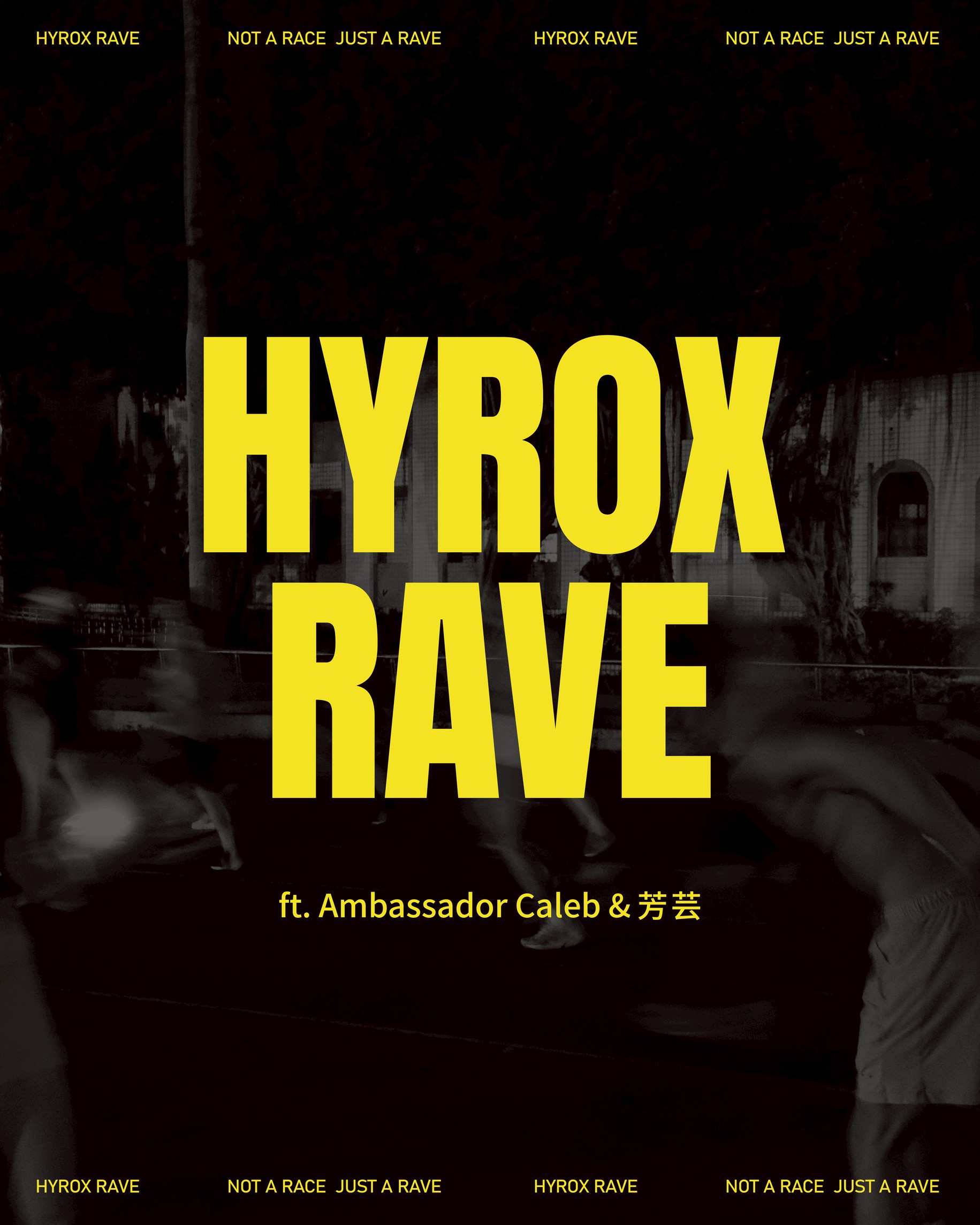
#036 HYROX RAVE ft. Ambassador 芳芸, Caleb
Thu, Feb 12 • 11:45 AM
Taipei Municipal Datong High school, No. 167, Changchun Rd, Zhongshan District, Taipei City, Taiwan 10485
View details
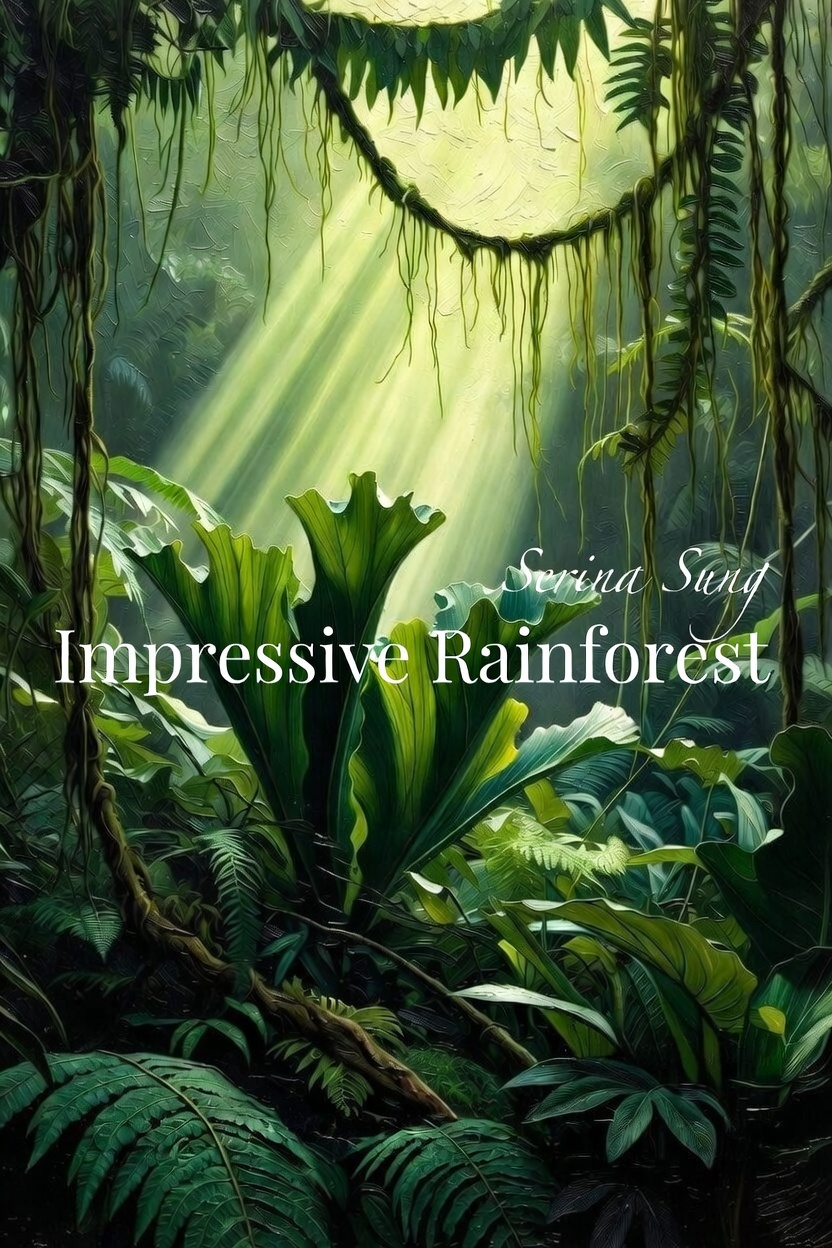
Impressive 印象 ⋅ Rainforest 雨林 - Serina Sung 油畫個展開幕茶會 / Oil Painting SOLO Showcase Opening Reception
Sat, Feb 14 • 6:00 AM
No. 13號, Section 2, Nangang Rd, Nangang District, Taipei City, Taiwan 115
View details
Nearby attractions of G2 Ramen
Bluerider ART 藍騎士藝術空間
Linjiang Night Market
Dun'an Park
胡克敏紀念館
Uspace Gallery
Each Modern 亞紀畫廊
Taipei Hakka Culture Hall
Dynasty Art Gallery
Dunren Park
Bluerider ART 台北·仁愛 Taipei·RenAi
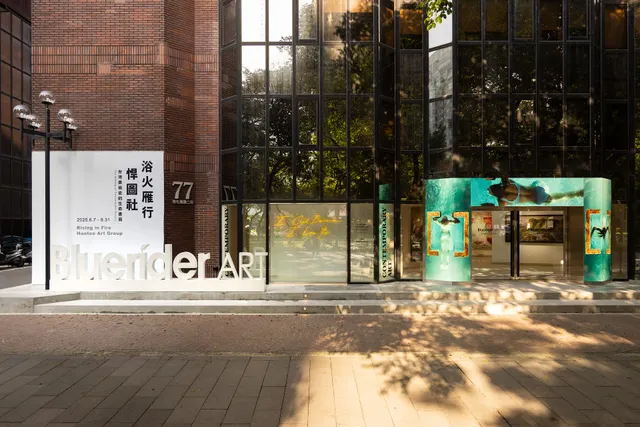
Bluerider ART 藍騎士藝術空間
4.9
(505)
Open until 6:30 PM
Click for details
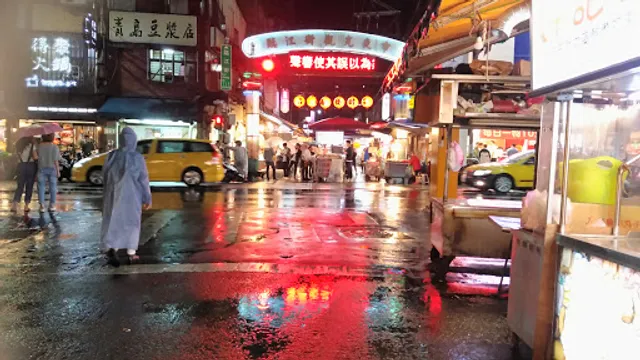
Linjiang Night Market
4.2
(10.8K)
Closed
Click for details

Dun'an Park
4.2
(380)
Open until 12:00 AM
Click for details
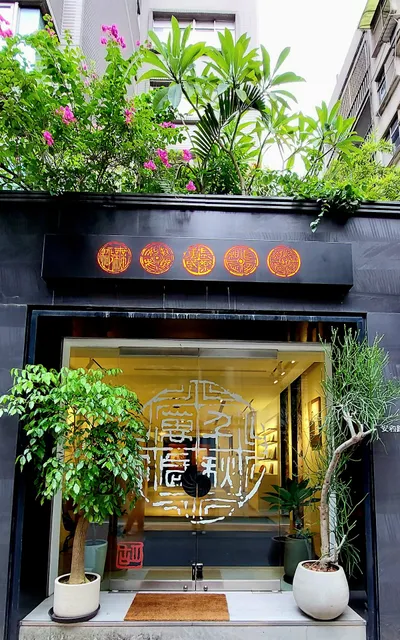
胡克敏紀念館
5.0
(49)
Closed
Click for details
Nearby restaurants of G2 Ramen
VG the Seafood Bar, Taipei
客美多咖啡 Komeda's Coffee 敦南信義店
Halfway There
Zhe Ning Fang Jia Restaurant
申浦尚宴
Congrats Café
昭和浪漫冰室 Showaice
Little Tree Food Dunnan
May Snow Hakka Food
丘香Sake bar
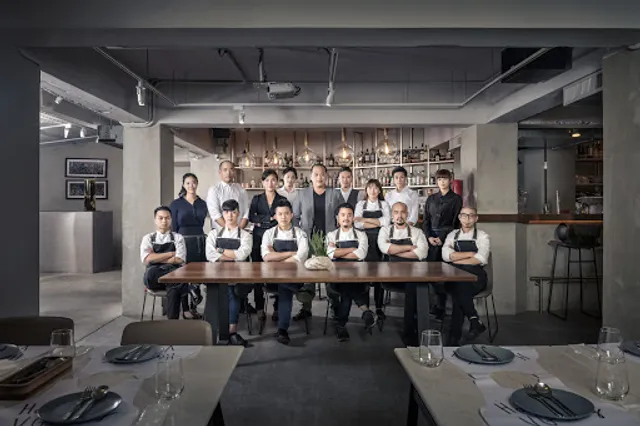
VG the Seafood Bar, Taipei
4.6
(700)
Closed
Click for details

客美多咖啡 Komeda's Coffee 敦南信義店
4.1
(616)
Open until 9:00 PM
Click for details
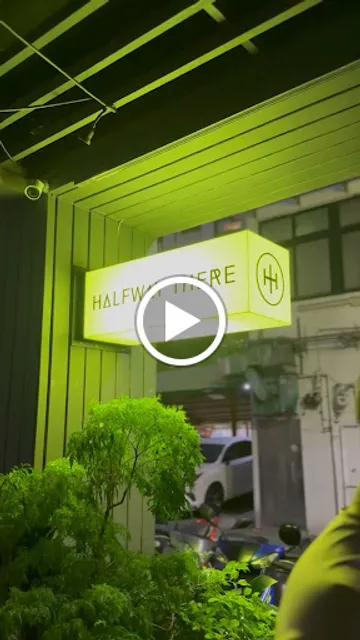
Halfway There
4.7
(265)
$$
Closed
Click for details
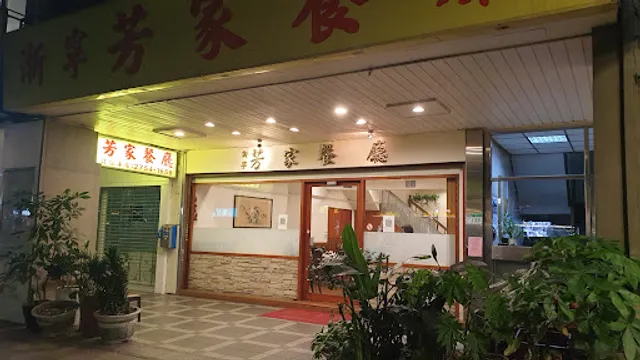
Zhe Ning Fang Jia Restaurant
4.1
(358)
Click for details
Nearby local services of G2 Ramen
樂活酒窖股份有限公司
Hair Port 1988-歐美漸層染 人氣髮廊 沙龍salon 男士Barber 韓系燙髮 女性女生短髮 頭皮護理頭皮spa 推薦
La Pure Spa敦南信義
做瑜珈 zuoyoga
J Salon - 美髮美睫沙龍館
HALOES HAIR SALON
AJ grill
瘋桌遊益智遊戲專賣店大安店
Carrefour Market Taipei Xinyi Store
NICOLAS 法國葡萄酒專賣-安和門市

樂活酒窖股份有限公司
4.7
(60)
Click for details

Hair Port 1988-歐美漸層染 人氣髮廊 沙龍salon 男士Barber 韓系燙髮 女性女生短髮 頭皮護理頭皮spa 推薦
5.0
(145)
Click for details
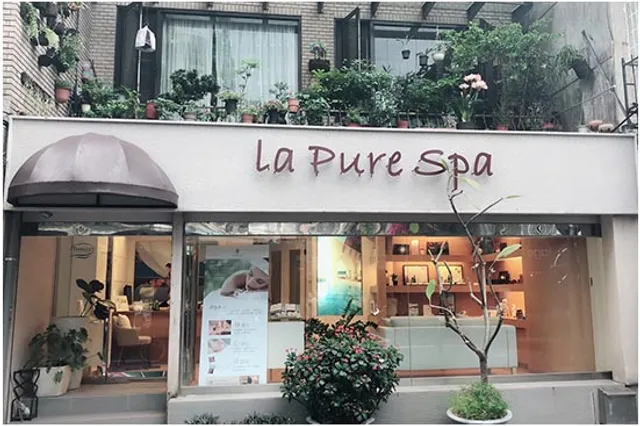
La Pure Spa敦南信義
4.8
(100)
Click for details
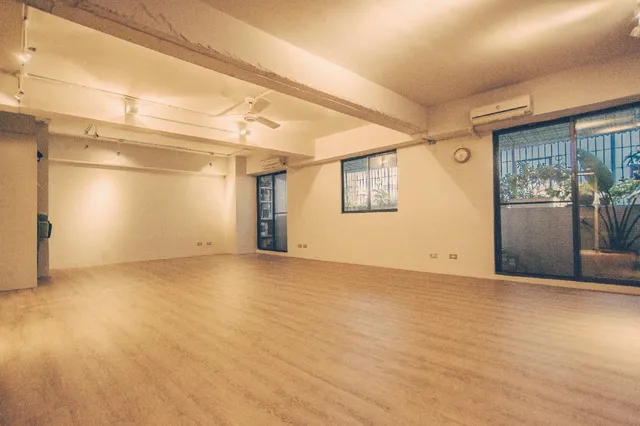
做瑜珈 zuoyoga
4.2
(24)
Click for details