Edificio Kavanagh things to do, attractions, restaurants, events info and trip planning
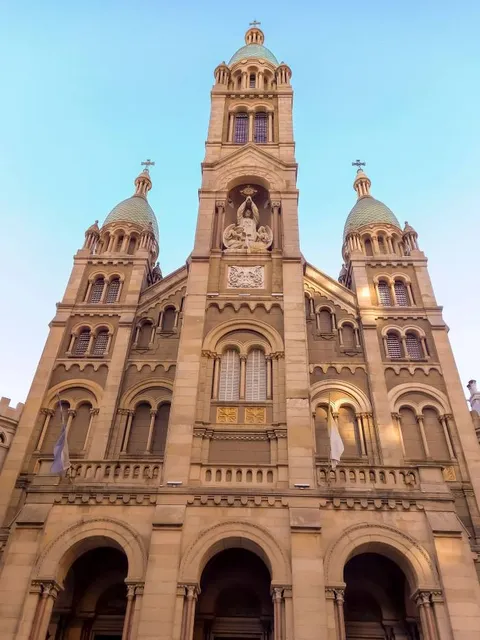
Basic Info
Edificio Kavanagh
Florida 1065, C1005 Cdad. Autónoma de Buenos Aires, Argentina
4.6(403)
Open until 8:00 PM
Save
spot
spot
Ratings & Description
Info
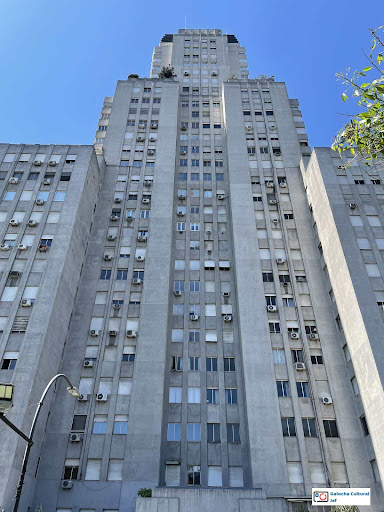
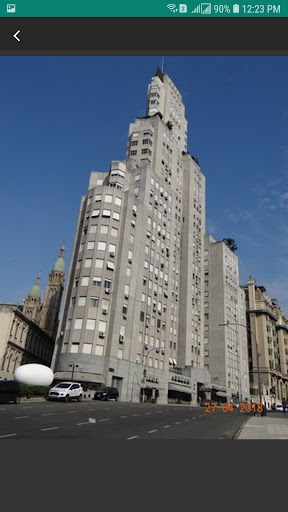
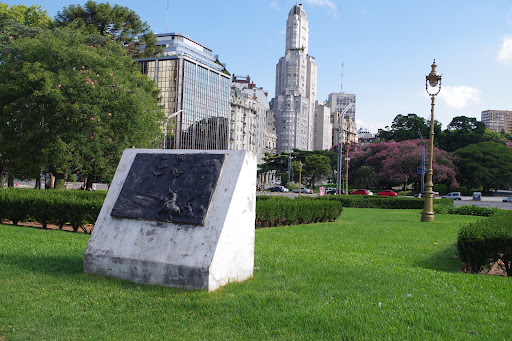
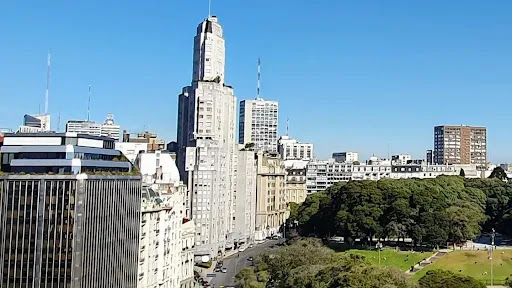
The Kavanagh Building is a residential skyscraper in Retiro, Buenos Aires, Argentina. Designed in 1934 by architects Gregorio Sánchez, Ernesto Lagos and Luis María de la Torre, it is considered a pinnacle of modernist architecture.
Cultural
Scenic
attractions: Plaza General San Martín, Basílica del Santísimo Sacramento, Círculo Militar, Monument to the Fallen in Malvinas, Museo de Armas de La Nación Tte. Gral. Pablo Riccheri, Centro Cultural Coreano en Argentina, Torre Monumental, Centro Cultural Borges, Centro Naval, Plaza Fuerza Aérea Argentina, restaurants: The Kilkenny, Restó Bar Porto Pirata, Pizzeria Kentucky, Florida Garden, Dada Bistró, Croque Madame, El Establo, Tancat, Rapanui, Extrawurst - Bratwurst Argentina, local businesses: Plaza San Martín, Peatonal Florida, Retiro Station Mitre Line, Monument to the Liberator Don Jose de San Martin, Retiro, Grupo Planeta Argentina, Outlet Express - Ropa 50%, El Ateneo, Palacio Bencich, Florida 780
 Learn more insights from Wanderboat AI.
Phone
+54 11 4312-3681
Website
turismo.buenosaires.gob.ar
Open hoursSee all hours
Tue8 AM - 8 PMOpen
Plan your stay

Pet-friendly Hotels in Autonomous City of Buenos Aires
Find a cozy hotel nearby and make it a full experience.

Affordable Hotels in Autonomous City of Buenos Aires
Find a cozy hotel nearby and make it a full experience.

The Coolest Hotels You Haven't Heard Of (Yet)
Find a cozy hotel nearby and make it a full experience.

Trending Stays Worth the Hype in Autonomous City of Buenos Aires
Find a cozy hotel nearby and make it a full experience.
Reviews
Live events

Soccer Matchday as a True Fan
Fri, Feb 13 • 5:00 PM
1420, Buenos Aires, Buenos Aires, Argentina
View details
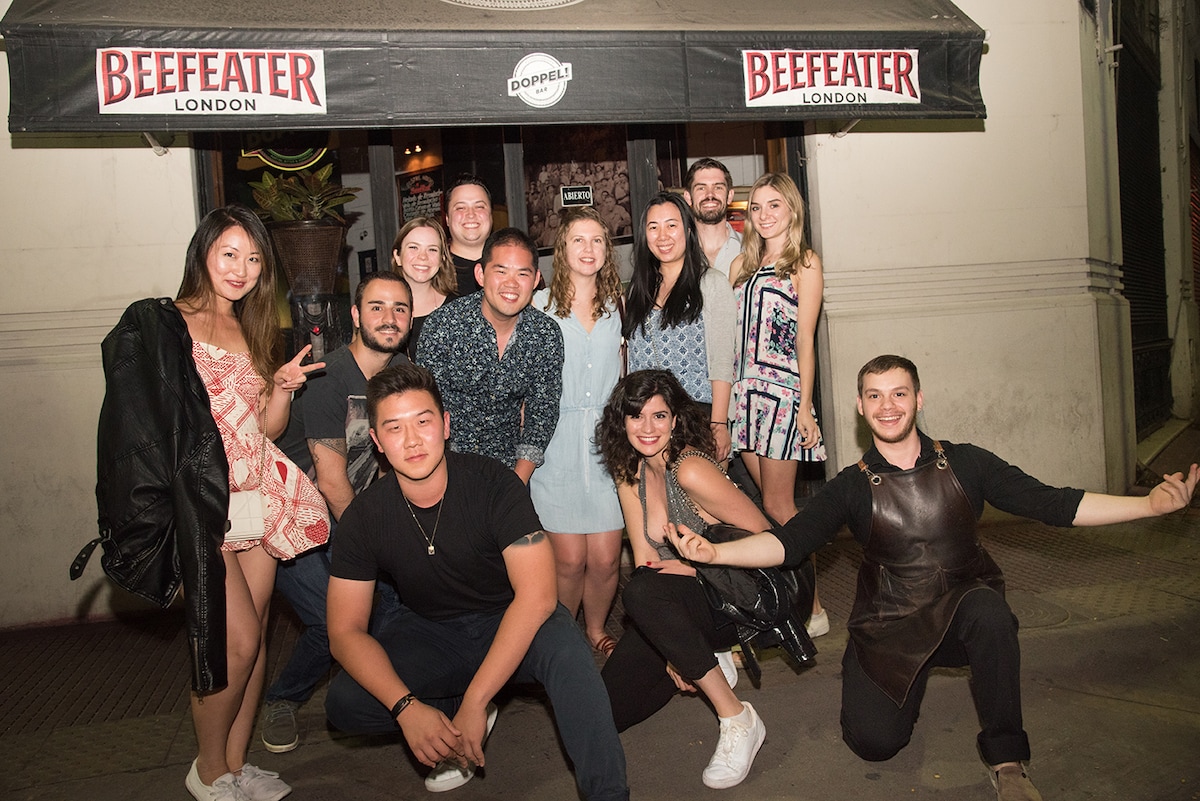
Buenos Aires Bar Crawl: Live the Real Nightlife
Sat, Feb 14 • 9:30 PM
C1427, Buenos Aires, Buenos Aires, Argentina
View details
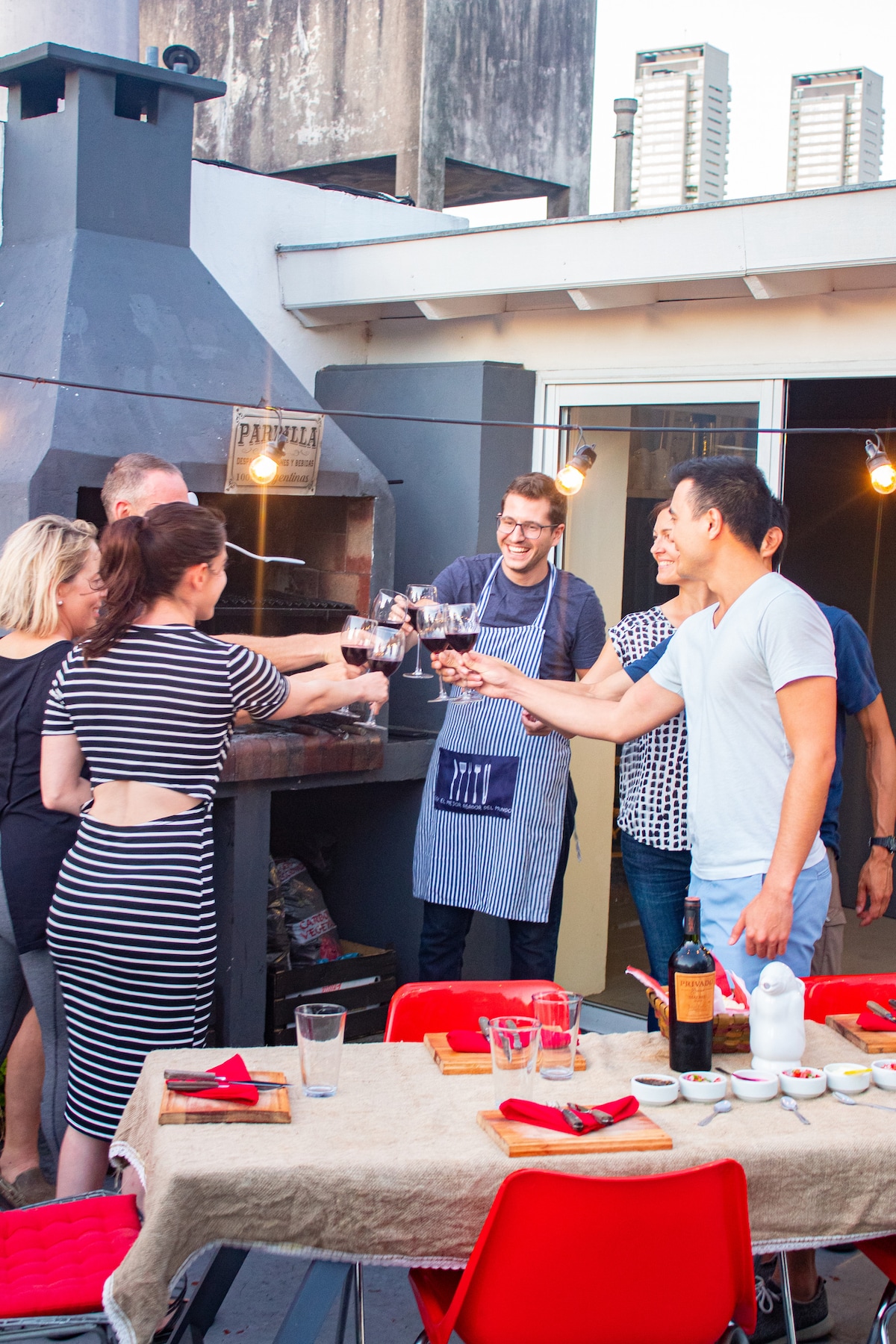
Authentic Rooftop Asado & Wine Pairing
Thu, Feb 12 • 8:00 PM
C1414, Buenos Aires, Buenos Aires, Argentina
View details
Nearby attractions of Edificio Kavanagh
Plaza General San Martín
Basílica del Santísimo Sacramento
Círculo Militar
Monument to the Fallen in Malvinas
Museo de Armas de La Nación Tte. Gral. Pablo Riccheri
Centro Cultural Coreano en Argentina
Torre Monumental
Centro Cultural Borges
Centro Naval
Plaza Fuerza Aérea Argentina
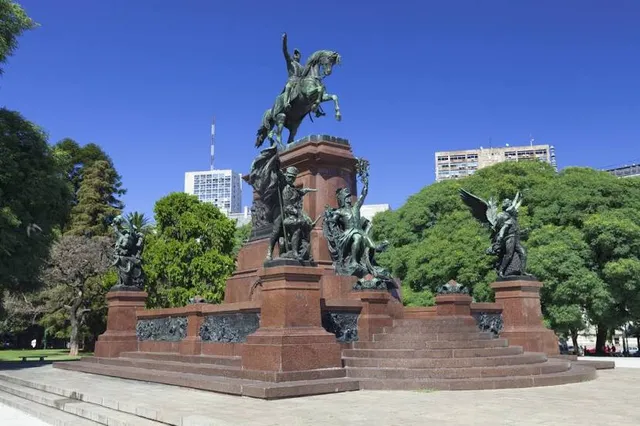
Plaza General San Martín
4.5
(9.4K)
Open until 12:00 AM
Click for details
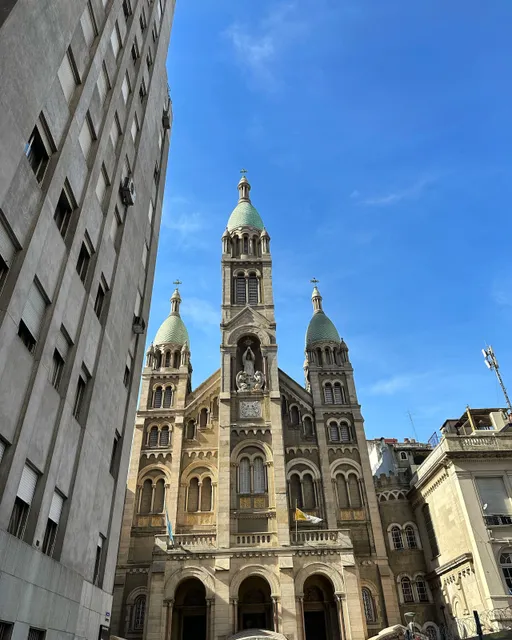
Basílica del Santísimo Sacramento
4.8
(624)
Closed
Click for details
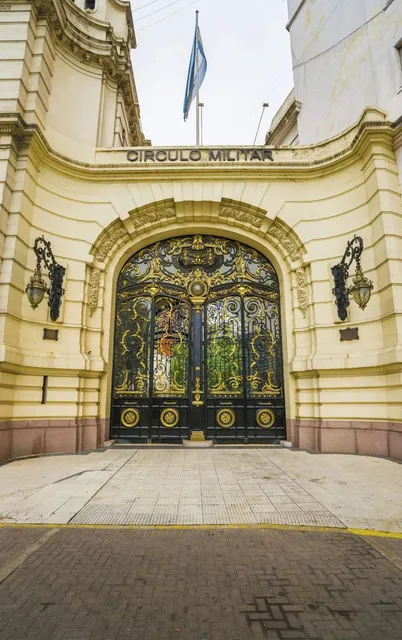
Círculo Militar
4.7
(1.8K)
Closed
Click for details
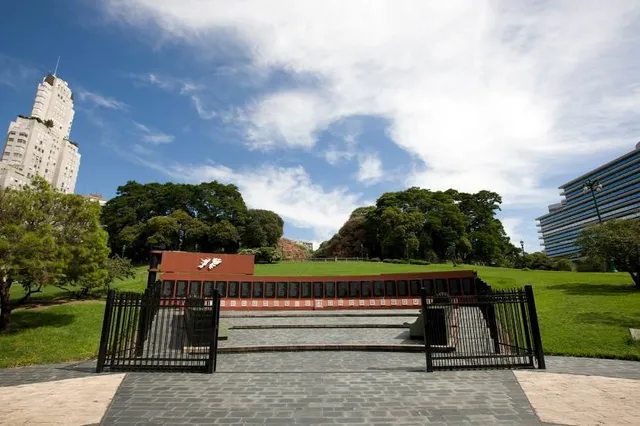
Monument to the Fallen in Malvinas
4.6
(282)
Open until 6:00 PM
Click for details
Nearby restaurants of Edificio Kavanagh
The Kilkenny
Restó Bar Porto Pirata
Pizzeria Kentucky
Florida Garden
Dada Bistró
Croque Madame
El Establo
Tancat
Rapanui
Extrawurst - Bratwurst Argentina
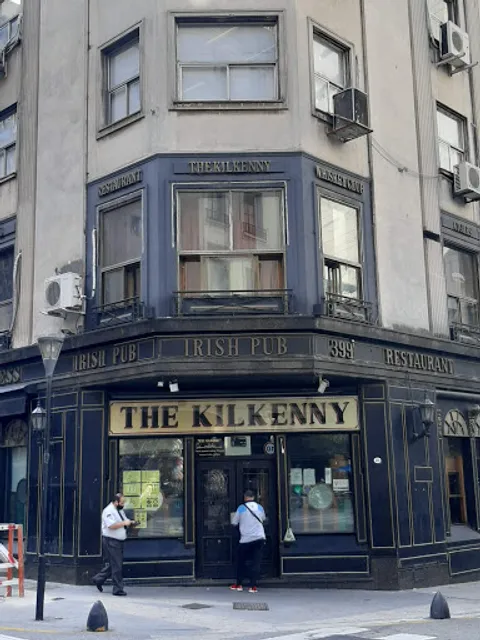
The Kilkenny
3.8
(2.7K)
Closed
Click for details
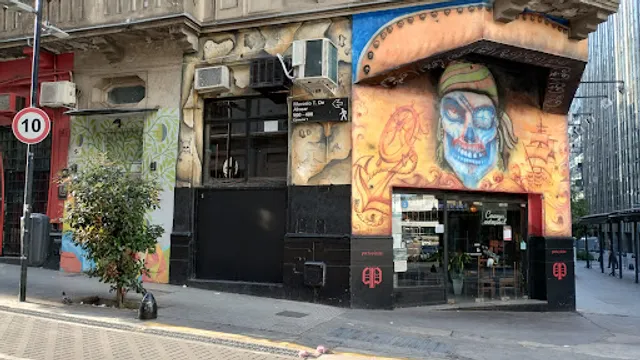
Restó Bar Porto Pirata
4.0
(1.5K)
Closed
Click for details
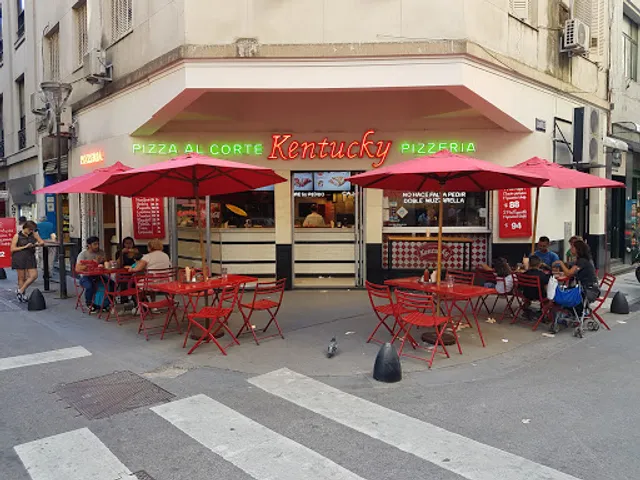
Pizzeria Kentucky
4.4
(2.9K)
$$
Closed
Click for details
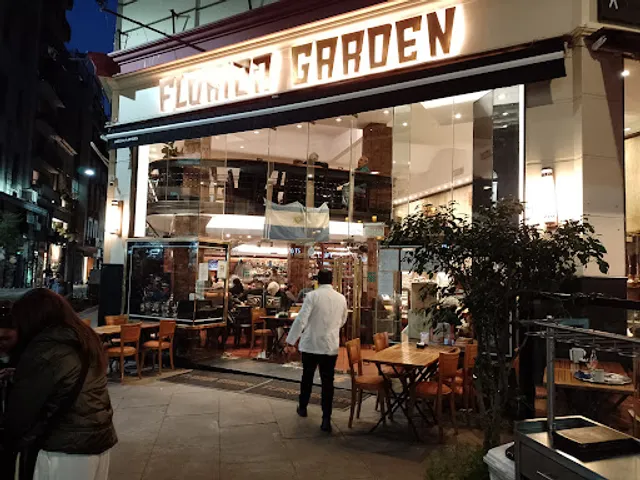
Florida Garden
4.3
(3.5K)
$$
Open until 12:00 AM
Click for details
Nearby local services of Edificio Kavanagh
Plaza San Martín
Peatonal Florida
Retiro Station Mitre Line
Monument to the Liberator Don Jose de San Martin
Retiro
Grupo Planeta Argentina
Outlet Express - Ropa 50%
El Ateneo
Palacio Bencich
Florida 780
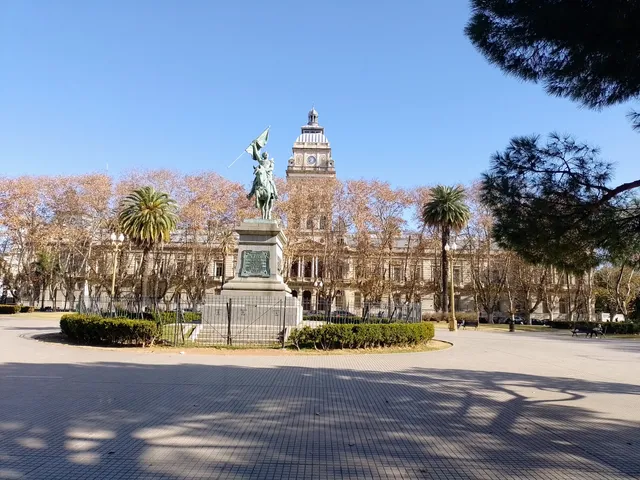
Plaza San Martín
4.3
(3.9K)
Click for details
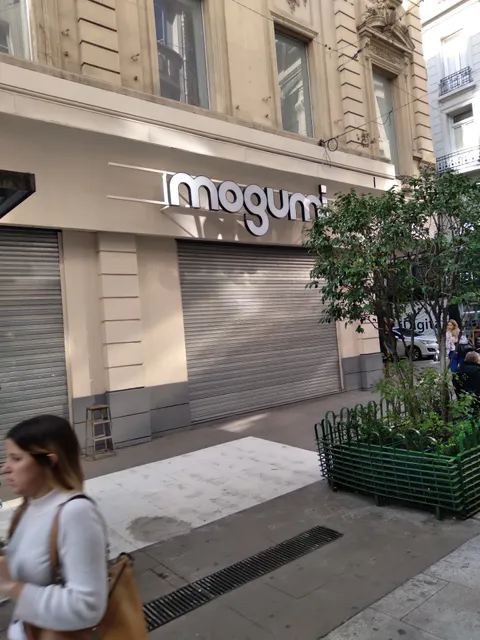
Peatonal Florida
4.2
(2.6K)
Click for details
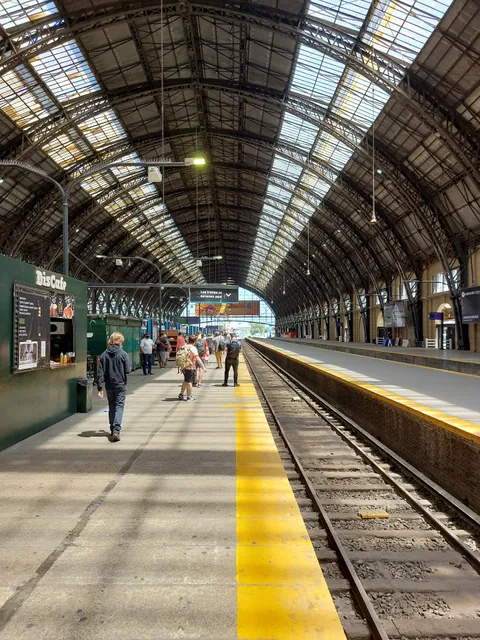
Retiro Station Mitre Line
4.4
(4.8K)
Click for details

Monument to the Liberator Don Jose de San Martin
4.6
(284)
Click for details