Introduction: Clovelly Beach, nestled on the stunning coastline of Sydney, Australia, has long been a beloved destination for both locals and tourists. Its pristine waters and abundant marine life have made it a popular spot for various recreational activities, including spearfishing. However, the practice of spearfishing has raised concerns about its impact on the fragile ecosystem of Clovelly Beach. This essay discusses the reasons why spearfishing should have been banned earlier at Clovelly Beach and laments the tragic loss of Bluey, a beloved and iconic local fish.
Environmental Impact: Spearfishing, when not properly regulated, can have severe consequences for marine ecosystems. Clovelly Beach is home to a diverse range of marine life, including various species of fish, crustaceans, and corals. Over the years, spearfishing has disrupted this delicate balance by targeting key species and causing imbalances in the food chain. With an earlier ban on spearfishing, we could have protected this fragile ecosystem from harm.
Conservation of Species: One of the main reasons for spearfishing bans worldwide is the need to protect vulnerable and endangered species. Many fish species in the waters around Clovelly Beach are under threat due to overfishing. An earlier ban could have helped safeguard these species, allowing them to recover and thrive in their natural habitat.
Preservation of Marine Biodiversity: Marine biodiversity is essential for a healthy ecosystem. Removing certain species through spearfishing can disrupt the interconnected web of life underwater. By banning spearfishing earlier, Clovelly Beach could have played a more significant role in preserving marine biodiversity, ensuring the continued existence of unique and valuable species.
Sustainable Tourism: Clovelly Beach relies heavily on tourism for its economic well-being. A ban on spearfishing could have promoted sustainable tourism practices that focus on the appreciation of marine life in its natural state. This would have attracted tourists interested in snorkeling, scuba diving, and marine wildlife observation, thereby benefitting the local economy without harming the environment.
Bluey's Tragic Demise: Bluey, a beloved and iconic fish at Clovelly Beach, captured the hearts of both locals and tourists. He was a symbol of the unique marine life that made the beach so special. Unfortunately, Bluey's life was tragically cut short due to spearfishing. His untimely death serves as a poignant reminder of the need for stricter regulations and earlier bans on activities that threaten marine life.
Conclusion: The decision to ban spearfishing at Clovelly Beach should have been made earlier to protect the fragile ecosystem, conserve endangered species, preserve marine biodiversity, promote sustainable tourism, and prevent tragic incidents like the loss of Bluey. It is essential that communities and authorities take proactive steps to safeguard their marine environments and cherish the unique beauty and life that the oceans provide.
Good...
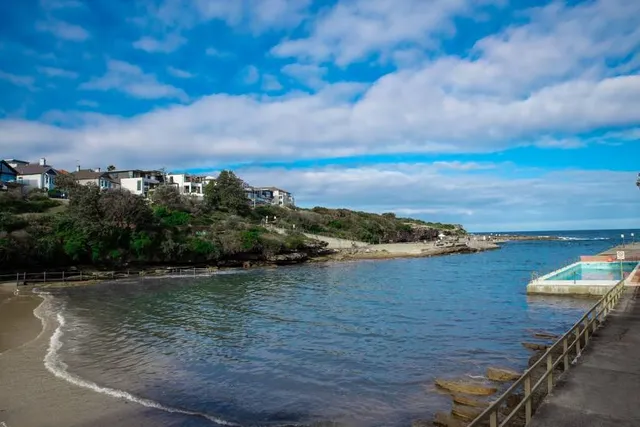
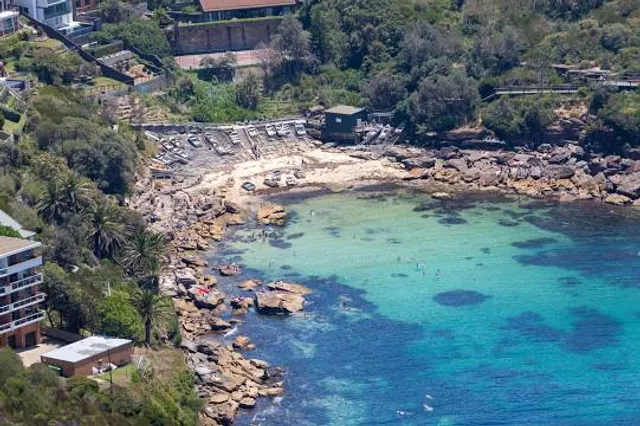
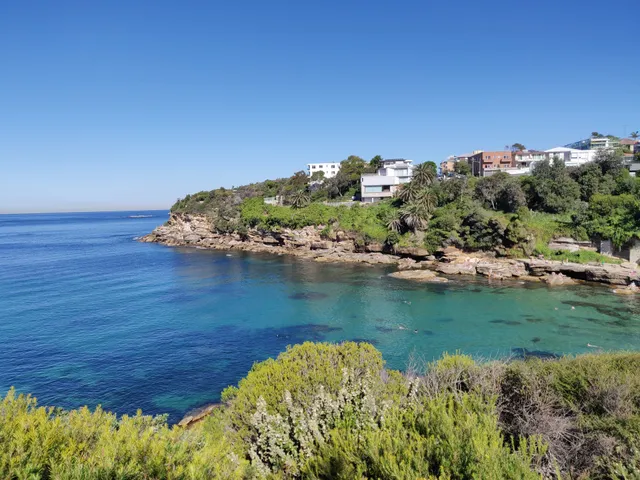
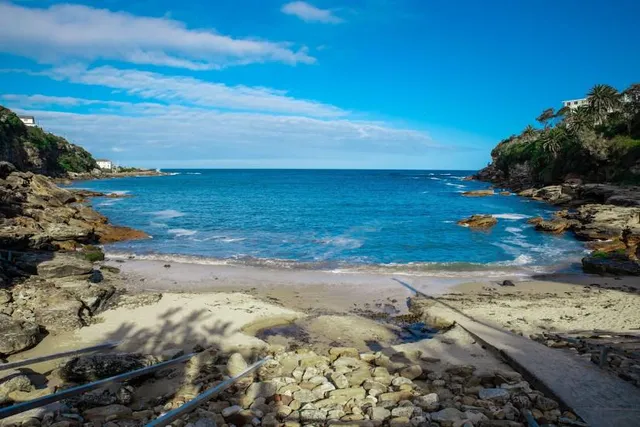
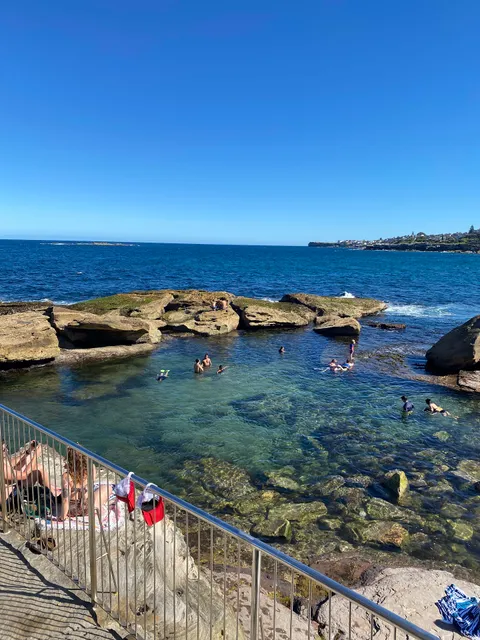
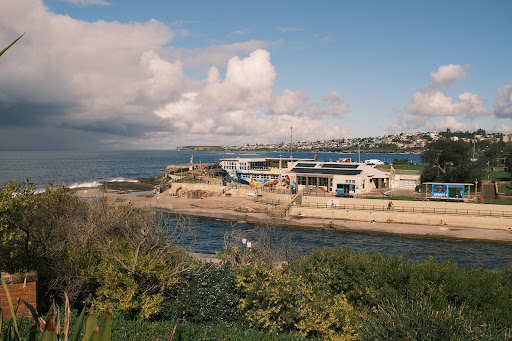
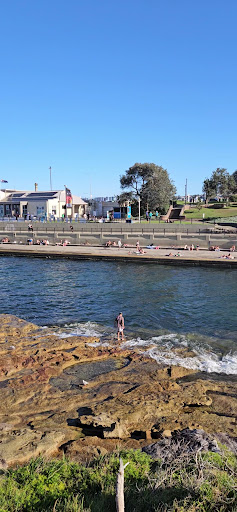
Read moreClovelly Beach feels like someone carved a giant ocean lap pool into the coastline and invited the whole city to share it. The narrow bay is flanked by wide concrete promenades where people stretch out with towels, and the water usually sits calm and glassy compared with Sydney’s surf beaches. Slip in and visibility can be excellent on a clear morning. Schools of sweep flicker past, darting between patches of kelp, and if you are lucky a friendly blue groper will cruise by with the slow confidence of a local. It is one of those places where even a basic mask and snorkel turns a quick swim into an easy little adventure.
Getting into the water is straightforward. There are stairs and ladders along the sides, plus a shallow ocean pool at the southern end for anyone who wants a gentler paddle. The bay is protected, which makes it ideal for kids and less confident swimmers, but there can be a bit of surge closer to the mouth, so it pays to keep an eye on conditions. On warm days the concrete heats up quickly and shade is limited, so a hat, sunscreen and a water bottle are essential. Rock shoes help if you plan to hop across the edges to find a quieter perch.
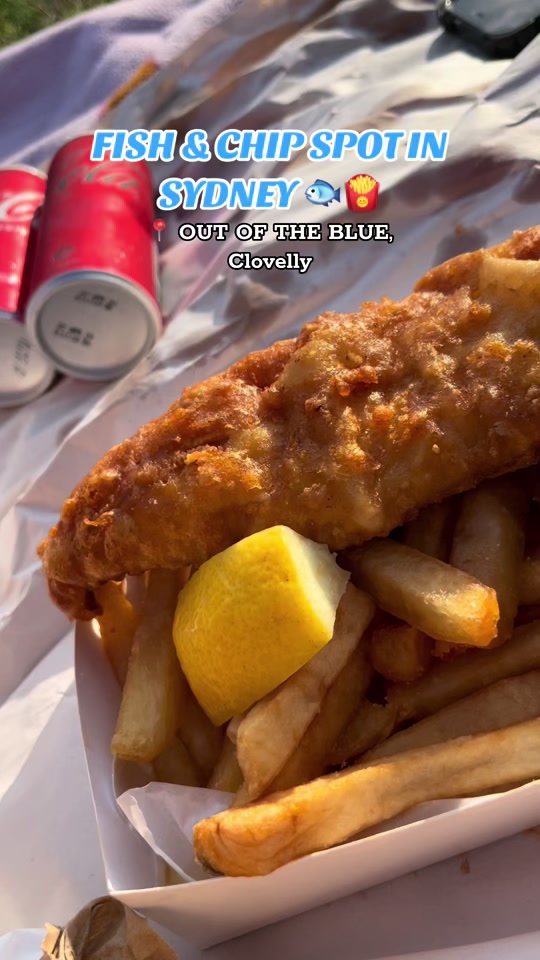
Practicalities are well covered. Lifeguards patrol in season, the change rooms and showers are tidy, and there is a kiosk for coffee, cold drinks and hot chips. Parking exists at both ends but fills early on weekends, so arriving before mid morning keeps things simple. If you feel like a stroll, the coastal path to Gordon’s Bay offers another lovely snorkel spot a few minutes away. Clovelly’s best trick is its simplicity. You can turn up with a towel and goggles, pick a spot on the promenade, and be in postcard clear water...
Read moreClovelly Beach is one of Sydney’s most unique and inviting coastal spots, especially for those who prefer calm waters, easy access, and a laid-back atmosphere. Unlike the broad, sandy expanses of Bondi or Coogee, Clovelly is a narrow bay flanked by concrete platforms, almost like a natural ocean pool, making it ideal for a peaceful swim, sunbathing, or simply relaxing by the water without dealing with waves or crowds.
The beach’s protected inlet creates a calm environment that’s perfect for families, casual swimmers, and especially snorkelers. The water is usually clear and calm, revealing a surprising variety of marine life — schools of fish, colorful seaweed, and even the occasional blue groper, which has become something of a local mascot. If you're new to snorkeling or just looking for a hassle-free spot to explore underwater, Clovelly is one of the easiest and safest places to dive in.
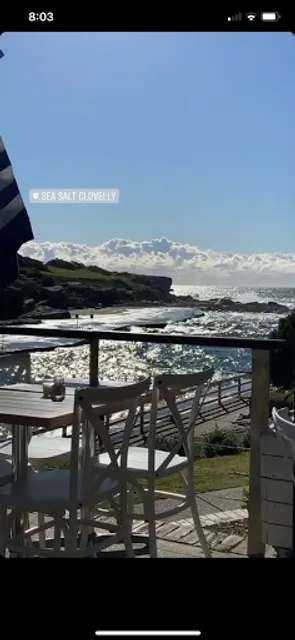
The surrounding area is well-maintained, with easy stairs into the water, flat lounging areas, showers, and nearby cafes for post-swim snacks. There’s a community vibe here that makes the whole experience feel welcoming and relaxed — a refreshing contrast to the buzz of Sydney’s more iconic beaches.
Clovelly Beach offers a unique blend of natural beauty, accessibility, and quiet charm, making it a favorite for anyone looking to unwind by the sea or explore the marine life just below the surface. Whether you're a local or a traveler, it’s a spot worth visiting — and...
Read more