Customs House things to do, attractions, restaurants, events info and trip planning
Basic Info
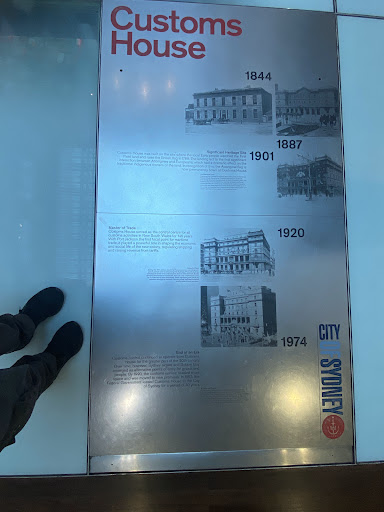
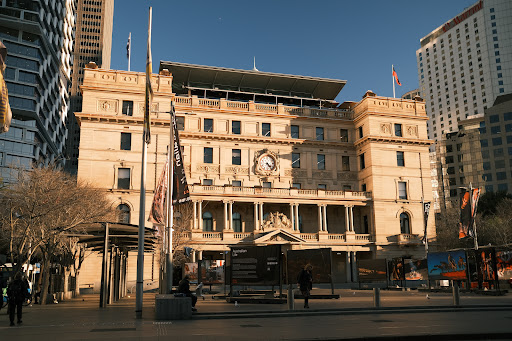
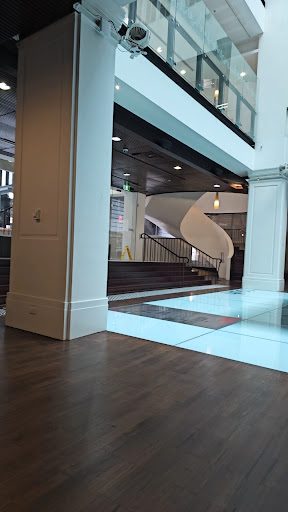
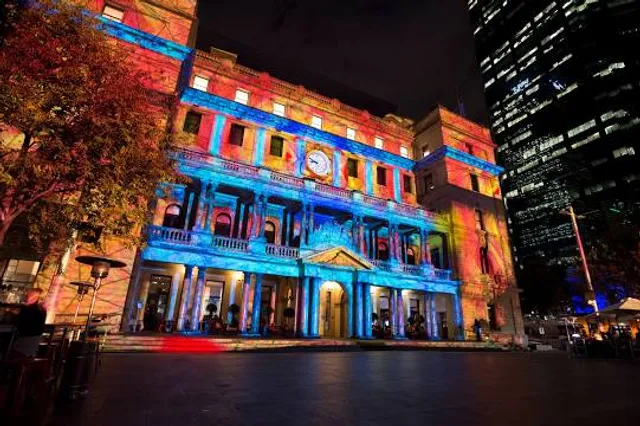
Customs House
31 Alfred St, Sydney NSW 2000, Australia
4.5(1.8K)
Closed
Save
spot
spot
Ratings & Description
Info
Cultural
Accessibility
attractions: Museum of Sydney, Justice and Police Museum, Macquarie Place Park, Next Level Escape, First Fleet Park, Audrey Fine Art Gallery, Cahill Walk Lookout, Customs House Sydney visitor information centre, Royal Botanic Garden Sydney, Eastern Pontoon Circular Quay, restaurants: Cafe Sydney Restaurant, Grana, Izakaya Mitto, Bouillon L'Entrecôte, Lana, Deux Frères, Four Frogs Crêperie - Circular Quay, The Spice Room, City Extra 24 Hour Restaurant, Chat Thai - Circular Quay, local businesses: Circular Quay, Mary's Underground, Quay Quarter, Oz Jet Boating, Fantasea Cruising, PTE Master, Australia Square, Kennedy Reid - Recruitment Agency, Sydney Princess Cruises, Boat Party Hire
 Learn more insights from Wanderboat AI.
Phone
+61 2 9265 9779
Website
cityofsydney.nsw.gov.au
Open hoursSee all hours
SatClosed
Plan your stay

Pet-friendly Hotels in Sydney
Find a cozy hotel nearby and make it a full experience.

Affordable Hotels in Sydney
Find a cozy hotel nearby and make it a full experience.

The Coolest Hotels You Haven't Heard Of (Yet)
Find a cozy hotel nearby and make it a full experience.

Trending Stays Worth the Hype in Sydney
Find a cozy hotel nearby and make it a full experience.
Reviews
Live events
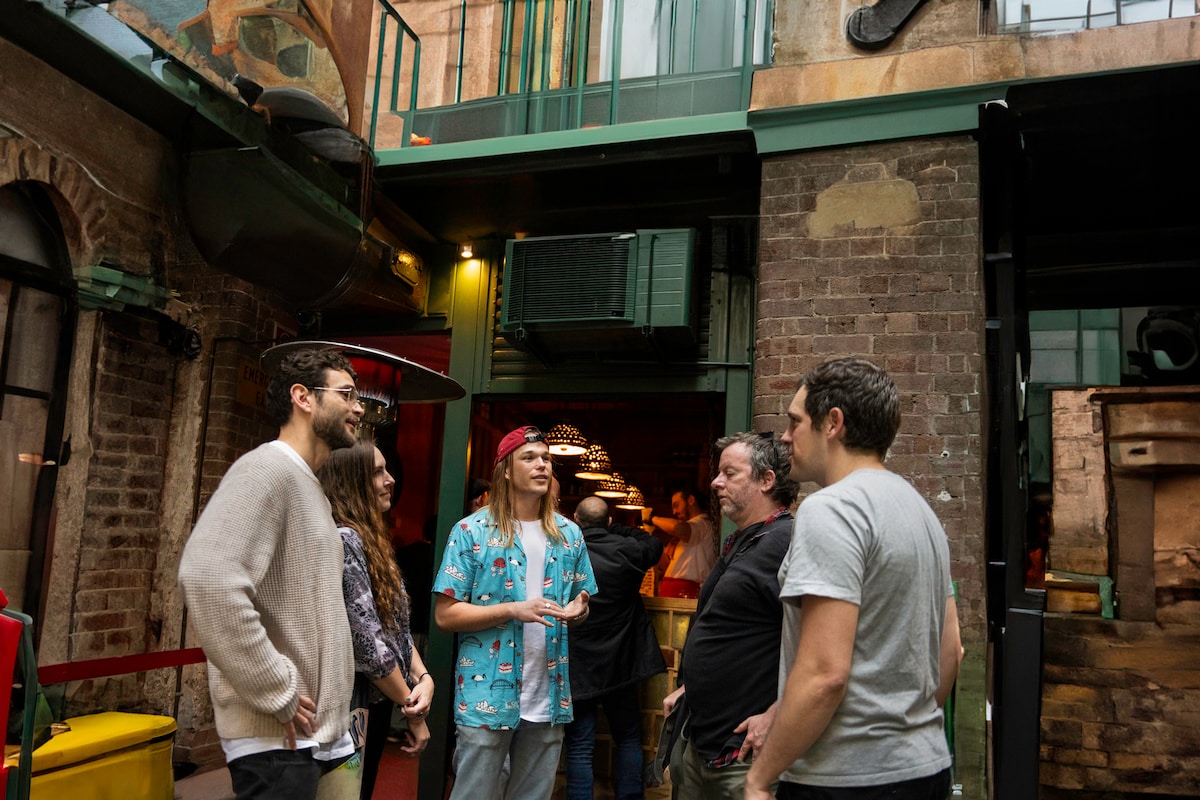
Sydney by Night - Secret Bars & Stories
Tue, Feb 24 • 6:30 PM
Darlinghurst, New South Wales, 2010, Australia
View details
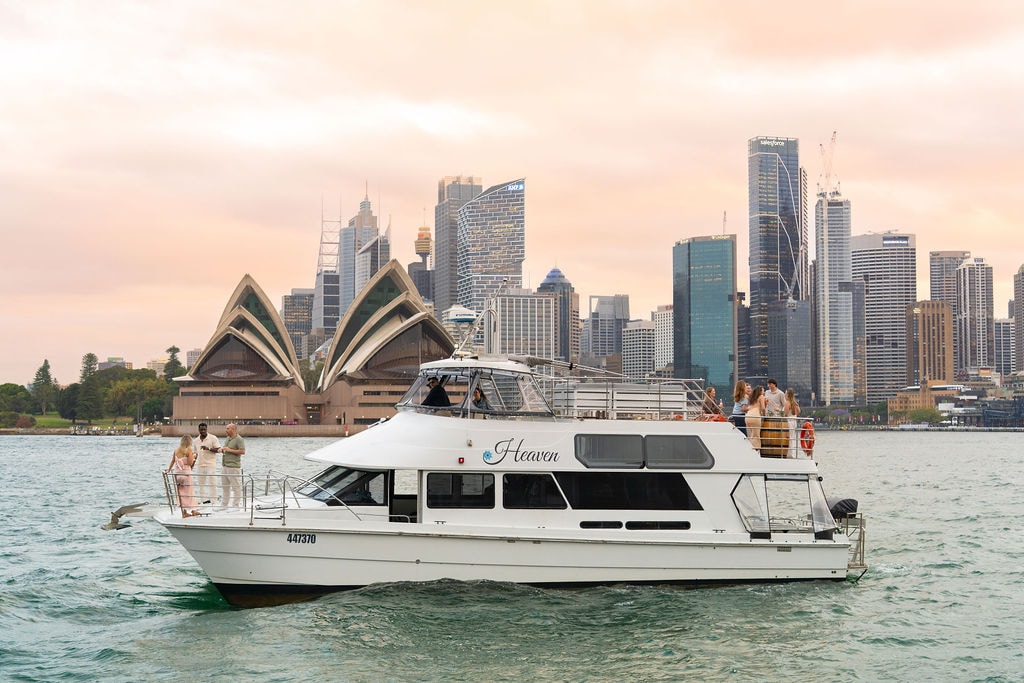
Golden Glow Sunset Sydney Harbour Cruise
Mon, Feb 23 • 6:45 PM
Sydney, New South Wales, 2000, Australia
View details

Baby Animals, Boomerangs & BBQ Lunch
Tue, Feb 24 • 8:30 AM
Woolloomooloo, New South Wales, 2011, Australia
View details
Nearby attractions of Customs House
Museum of Sydney
Justice and Police Museum
Macquarie Place Park
Next Level Escape
First Fleet Park
Audrey Fine Art Gallery
Cahill Walk Lookout
Customs House Sydney visitor information centre
Royal Botanic Garden Sydney
Eastern Pontoon Circular Quay
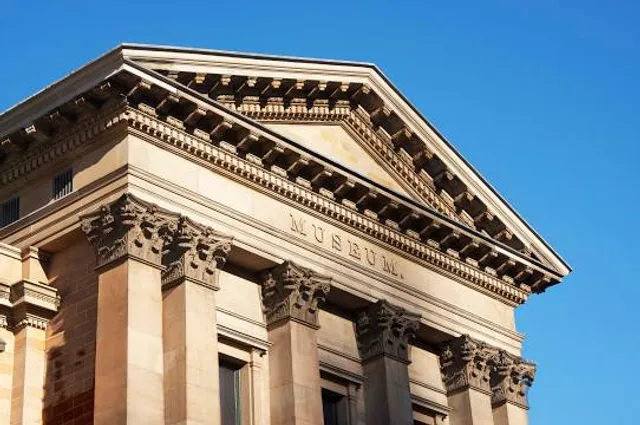
Museum of Sydney
4.1
(1.4K)
Closed
Click for details
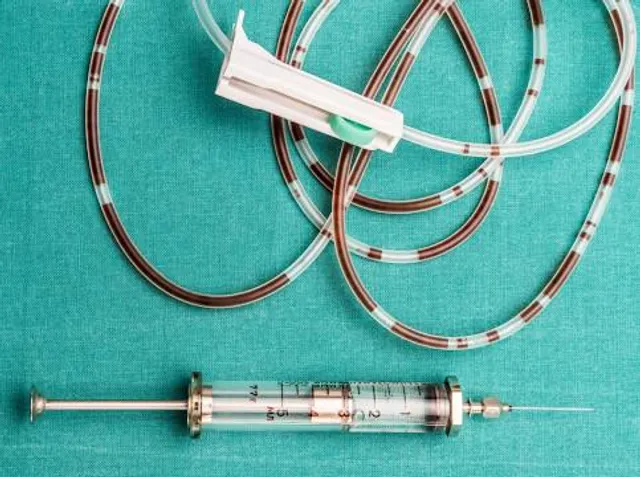
Justice and Police Museum
4.5
(364)
Closed
Click for details
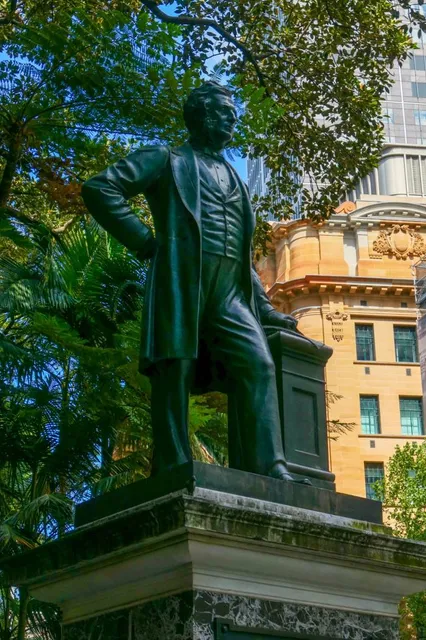
Macquarie Place Park
4.3
(217)
Open until 12:00 AM
Click for details
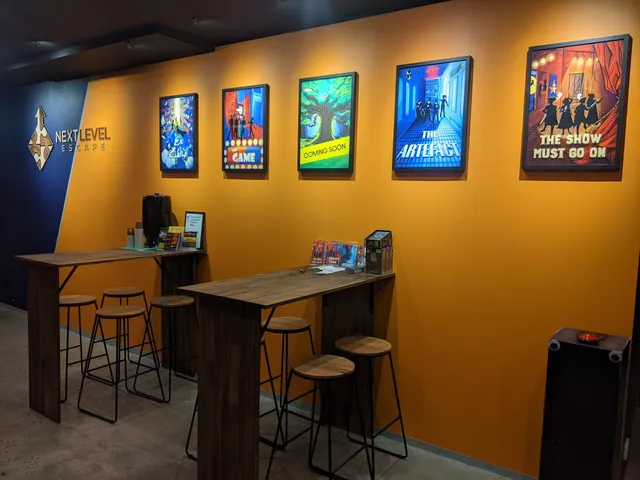
Next Level Escape
5.0
(5.7K)
Closed
Click for details
Nearby restaurants of Customs House
Cafe Sydney Restaurant
Grana
Izakaya Mitto
Bouillon L'Entrecôte
Lana
Deux Frères
Four Frogs Crêperie - Circular Quay
The Spice Room
City Extra 24 Hour Restaurant
Chat Thai - Circular Quay
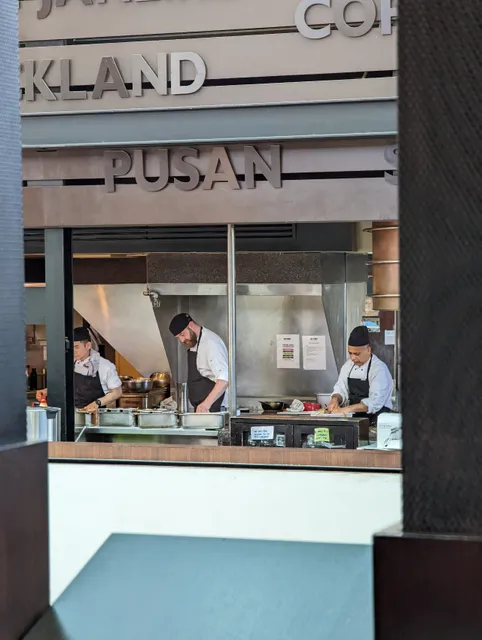
Cafe Sydney Restaurant
4.5
(1.8K)
$$$$
Closed
Click for details
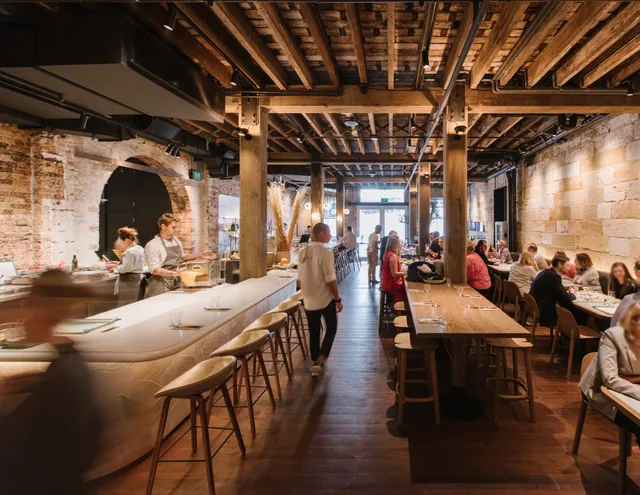
Grana
4.5
(1.1K)
Closed
Click for details

Izakaya Mitto
4.7
(135)
Closed
Click for details
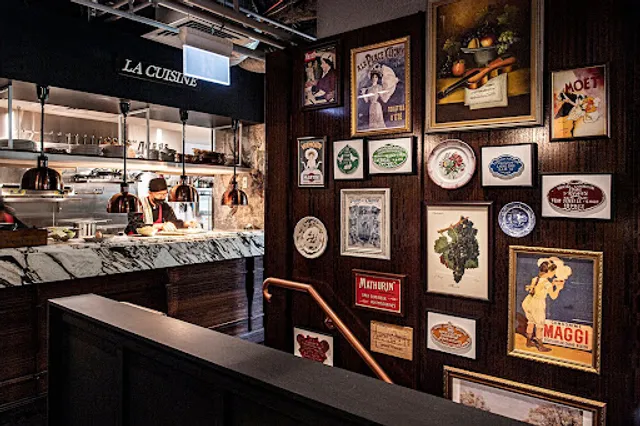
Bouillon L'Entrecôte
4.7
(877)
Closed
Click for details
Nearby local services of Customs House
Circular Quay
Mary's Underground
Quay Quarter
Oz Jet Boating
Fantasea Cruising
PTE Master
Australia Square
Kennedy Reid - Recruitment Agency
Sydney Princess Cruises
Boat Party Hire
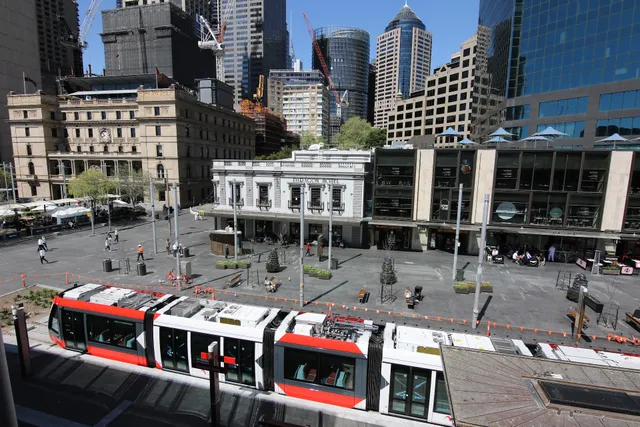
Circular Quay
4.6
(773)
Click for details
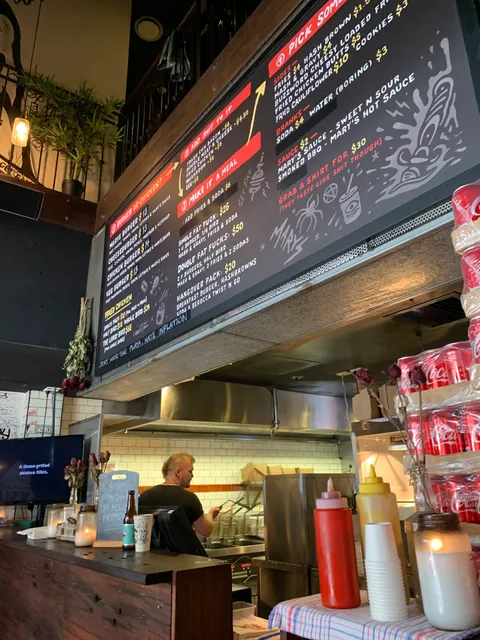
Mary's Underground
4.0
(522)
Click for details
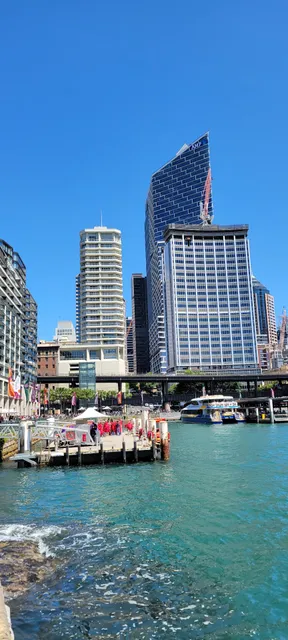
Quay Quarter
4.7
(63)
Click for details
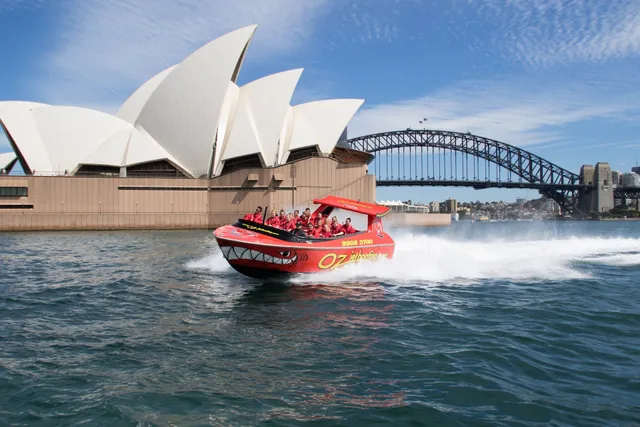
Oz Jet Boating
4.9
(957)
Click for details