Österreichisches Jüdisches Museum things to do, attractions, restaurants, events info and trip planning
Basic Info
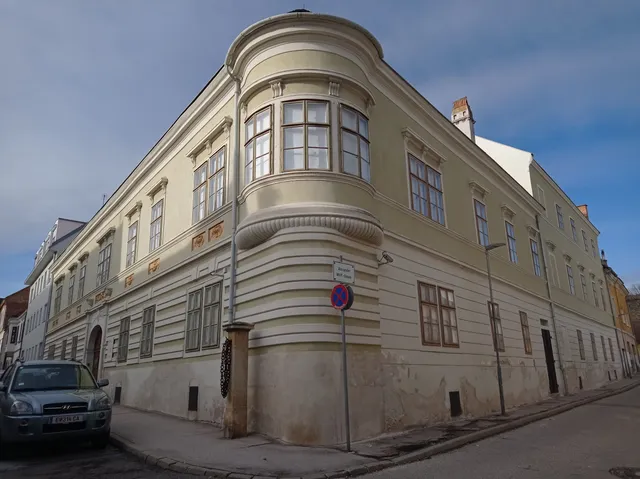
Österreichisches Jüdisches Museum
Unterbergstraße 6, 7000 Eisenstadt, Austria
4.6(64)
Open 24 hours
Save
spot
spot
Ratings & Description
Info
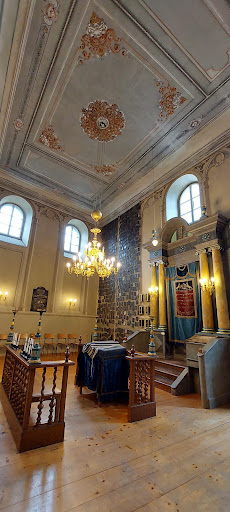
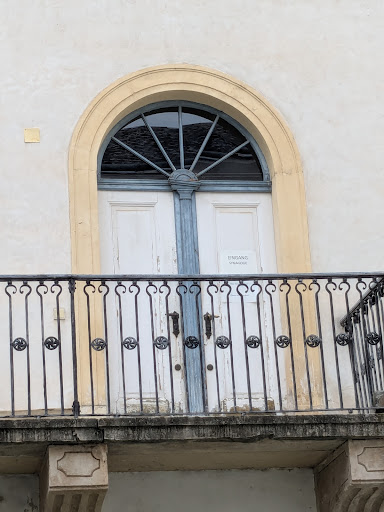
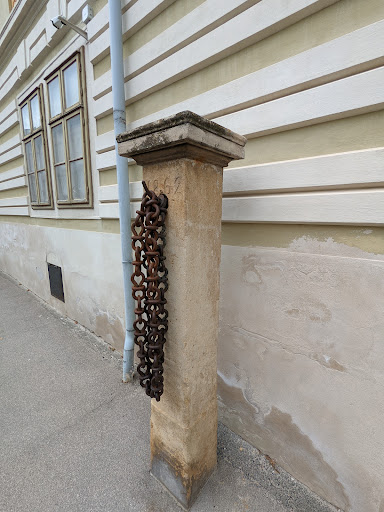
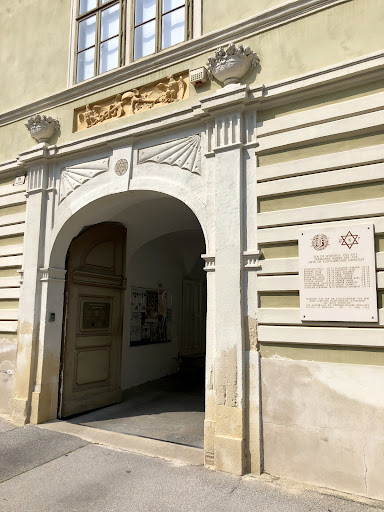
The Austrian Jewish Museum is located on Unterbergstraße 6 in Eisenstadt, Austria. The museum was founded in 1972 by Kurt Schubert, and was the first Jewish museum to open in Austria after 1945.
Cultural
Family friendly
Accessibility
attractions: Esterházy Palace, Landesmuseum Burgenland, Leopoldinentempel, Schlosspark Eisenstadt, Haydn-Haus, Diözesanmuseum Eisenstadt, Landesgalerie Burgenland, restaurants: mySchnitzel, Schlosscafé, Eisenstadt Henrici, Selection Vinothek Burgenland GmbH, Paulgarten, Café Maskaron, Pizzaboy Schlosstaverne, St. Martin's Arms, hopfen & soehne, Eiscafé Verdi, local businesses: St. Martins Cathedral, Pizzeria Bell Amore Eisenstadt
 Learn more insights from Wanderboat AI.
Phone
+43 2682 65145
Website
ojm.at
Plan your stay

Pet-friendly Hotels in Eisenstadt
Find a cozy hotel nearby and make it a full experience.

Affordable Hotels in Eisenstadt
Find a cozy hotel nearby and make it a full experience.

The Coolest Hotels You Haven't Heard Of (Yet)
Find a cozy hotel nearby and make it a full experience.

Trending Stays Worth the Hype in Eisenstadt
Find a cozy hotel nearby and make it a full experience.
Reviews
Nearby attractions of Österreichisches Jüdisches Museum
Esterházy Palace
Landesmuseum Burgenland
Leopoldinentempel
Schlosspark Eisenstadt
Haydn-Haus
Diözesanmuseum Eisenstadt
Landesgalerie Burgenland
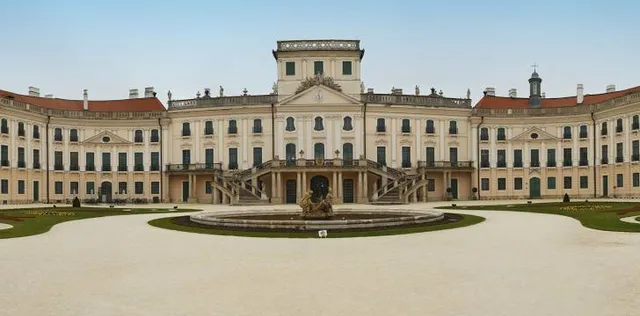
Esterházy Palace
4.6
(2.8K)
Open until 12:00 AM
Click for details
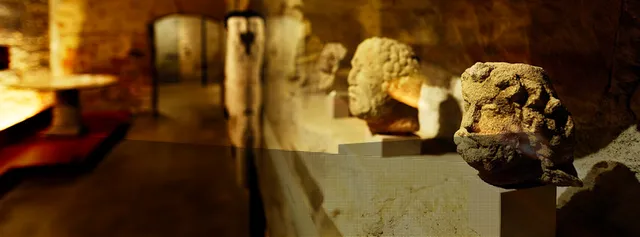
Landesmuseum Burgenland
4.6
(137)
Open 24 hours
Click for details

Leopoldinentempel
4.8
(97)
Open until 12:00 AM
Click for details

Schlosspark Eisenstadt
4.7
(97)
Closed
Click for details
Nearby restaurants of Österreichisches Jüdisches Museum
mySchnitzel
Schlosscafé
Eisenstadt Henrici
Selection Vinothek Burgenland GmbH
Paulgarten
Café Maskaron
Pizzaboy Schlosstaverne
St. Martin's Arms
hopfen & soehne
Eiscafé Verdi
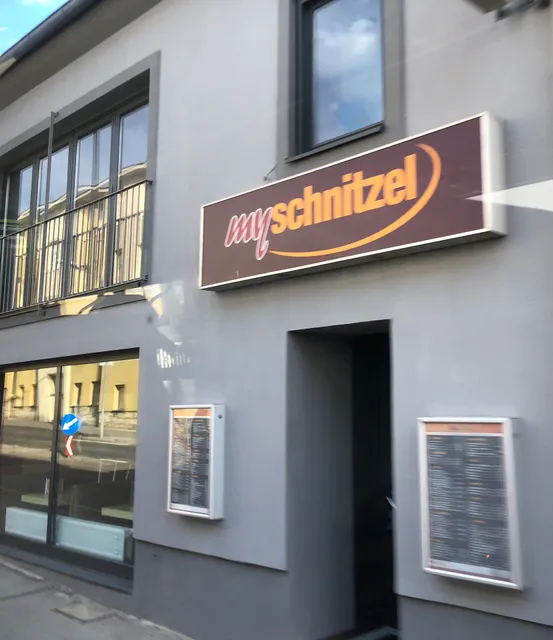
mySchnitzel
4.2
(168)
Closed
Click for details
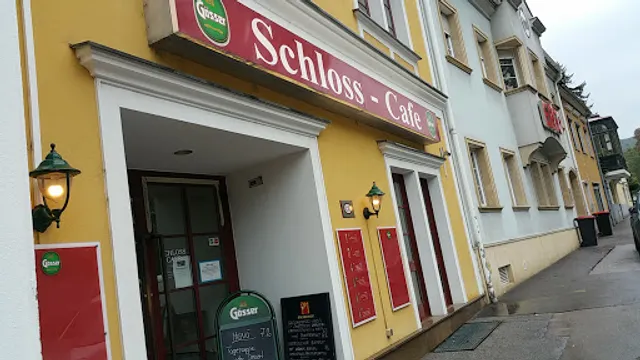
Schlosscafé
4.4
(131)
Open until 10:00 PM
Click for details
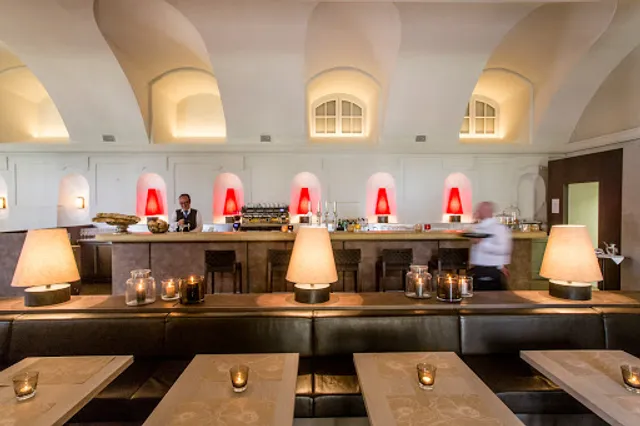
Eisenstadt Henrici
4.1
(329)
$$$
Open until 12:00 AM
Click for details
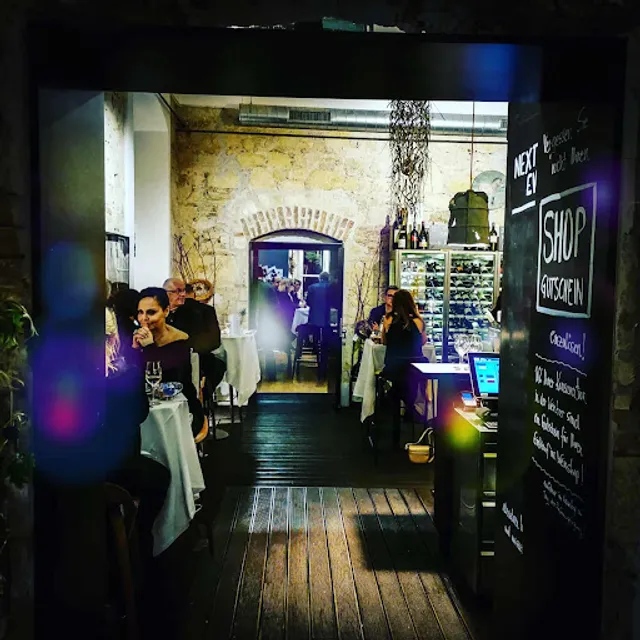
Selection Vinothek Burgenland GmbH
4.5
(159)
Open until 12:00 AM
Click for details
Nearby local services of Österreichisches Jüdisches Museum
St. Martins Cathedral
Pizzeria Bell Amore Eisenstadt
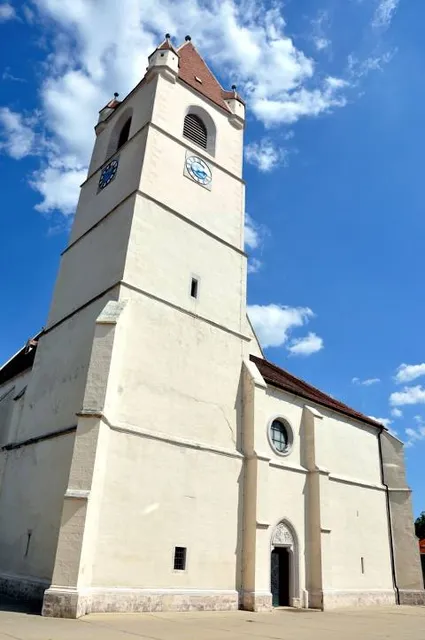
St. Martins Cathedral
4.6
(74)
Click for details

Pizzeria Bell Amore Eisenstadt
3.7
(120)
Click for details