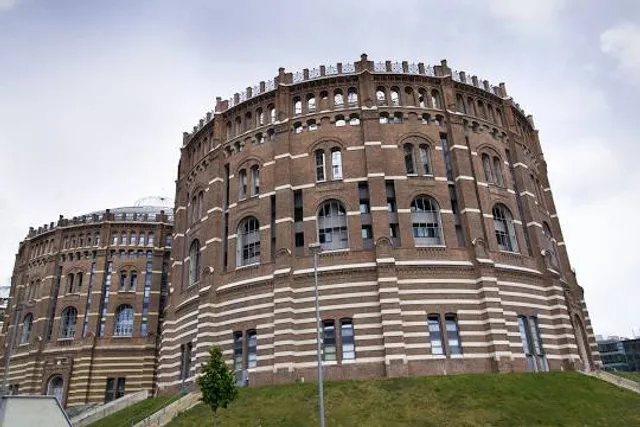
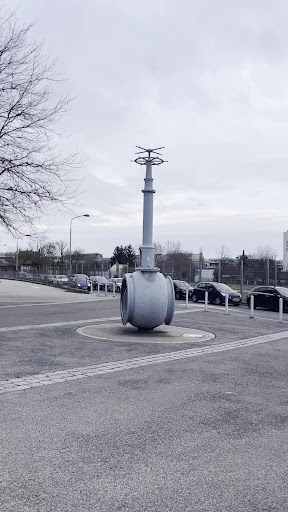
The Gasometer complex in Vienna represents a remarkable example of architectural conversion of industrial heritage into a multifunctional urban space that harmoniously blends historical past with modern innovation. These four massive brick cylinders, constructed between 1896 and 1899 to store coal gas necessary for public lighting and heating the city, stand today as a testament to the technological and social transitions that redefined the urban landscape of the Austrian capital.
During the glory days of the Industrial Revolution, the storage and distribution of coal gas were crucial components of the energy infrastructure, contributing to the modernization of the city through the introduction of widespread public lighting. This type of gas, obtained through coal distillation, had flammable properties and consisted of hydrogen, methane, and carbon monoxide. Although it was an essential resource for the city's development, coal gas posed significant health and environmental risks, which led to the gradual transition to natural gas, a safer and more environmentally friendly option.
After being decommissioned in 1984, the Gasometer buildings entered a new phase of transformation, aiming to reframe them in a modern urban context. Between 1999 and 2001, four renowned architects Jean Nouvel, Coop Himmelb(l)au, Manfred Wehdorn, and Wilhelm Holzbauer were appointed to transform these monumental structures into a multifunctional complex. This architectural conversion preserved the original brick elements while integrating contemporary glass and steel structures, symbolizing a balance between tradition and modernity.
Today, Gasometer hosts apartments, offices, commercial spaces, concert halls, and cinemas, becoming an iconic example of urban regeneration. With a vibrant community and a diverse cultural life, the complex represents not just a residential space but also a meeting point for art, innovation, and history. The transformation of the Gasometer reflects Vienna's ability to preserve its industrial heritage and adapt it to contemporary needs, offering inspiration for similar projects worldwide. This transformation underscores the importance of conserving and leveraging historical heritage as an integral part of sustainable urban...
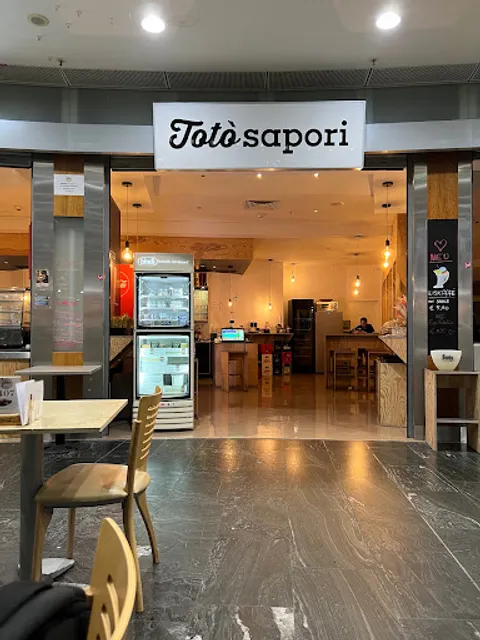
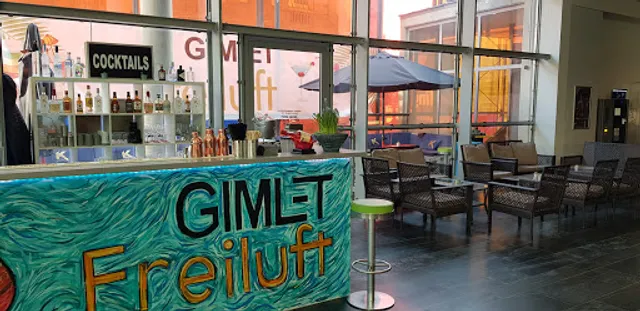
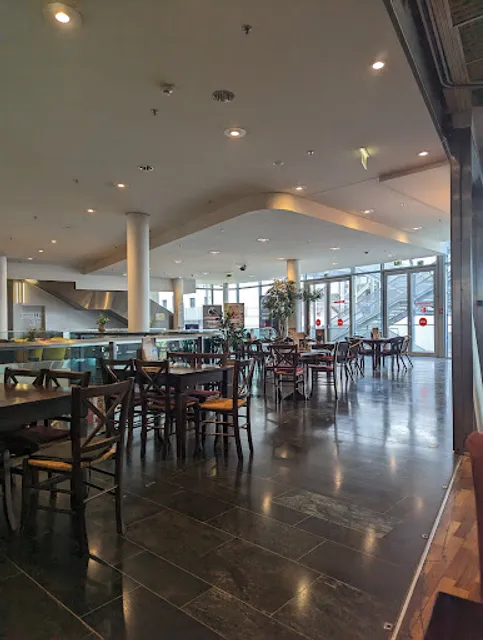
Read moreLook cool from the outside, unfortunately the mall is quite depressing and there are not many shops, but this review is mainly because of our recent experience at the concert hall
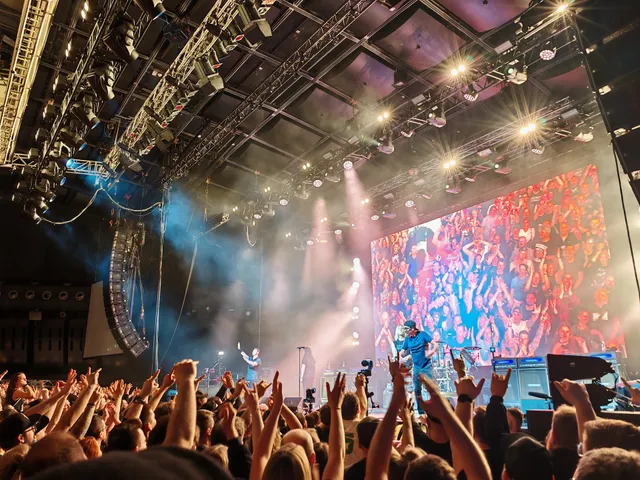
16/11/2024 Unfortunatly I’m forced to leave this review because of the incompetence of the so called “security” company Crowd Control Security which basically stole or had our things stolen (my partner’s Thermo bottle and other belongings of other concert goers, a plate, a tablet, you name it, yes we were not the only ones) Top entrance from inside the mall, 6 Workers from this company after checking our tickets, checked our bags and took our water bottles saying they weren’t allowed but we could get them back at the main entrance once the concert was finished. They didn’t give us any retrieving ticket of any kind but we trusted them (like the others did). BIG MISTAKE. When the concert was done and we were leaving, we went to the 2 ladies at the entrance who said that they had not seen my partner’s Water bottle. Ok, yet mine was on the table, which one of the ladies said I quote was still there because “it had no value”. Soon other people joined in the protest because they also had their things “disappeared”. All the answers they could give us was basically “sorry it was stolen” EVEN after we gave a description of the person who took our stuff WHOM THE EMPLOYEES RECOGNISED, we were simply told over and over again “sorry it’s just gone”. I understand that it may not be directly responsible for the situation, but they didn’t seem to be very eager to help either. So watch out for your stuff, don’t give them anything unless they give you back a ticket. Take a photo of your items, or just avoid this concert hall completely unless they change their security staff. Sad because otherwise it’s a cool...
Read moreGasometers of Vienna – A Unique Blend of History and Modernity
During my visit to Vienna, I had the opportunity to explore the Gasometers, and it was truly a fascinating experience. These four massive cylindrical structures, originally built in the late 19th century as gas storage tanks, have been transformed into a remarkable mix of residential, commercial, and entertainment spaces.
The exterior still retains its historic charm, showcasing the impressive industrial architecture of the past, while the interior has been beautifully redesigned with modern elements. Inside, you can find apartments, offices, shops, a cinema, and even a concert hall. It’s incredible how these structures have been repurposed while preserving their historical significance.
One of the highlights of my visit was walking through the Gasometer City and admiring the way old and new architecture blend seamlessly. The glass bridges connecting different sections add a futuristic touch. The area also hosts various events and concerts, making it a vibrant cultural hub.
If you are interested in architecture, history, or urban transformation, the Gasometers of Vienna are definitely worth a visit. They are a perfect example of how historical buildings can be given a new life while maintaining their...
Read more