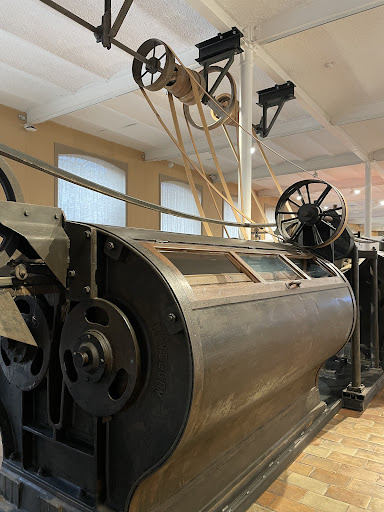
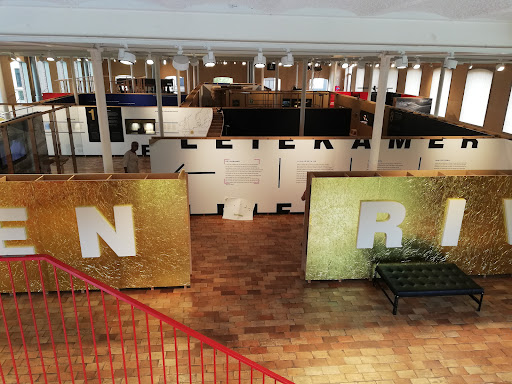
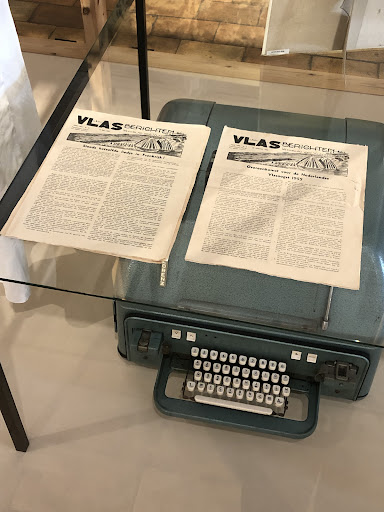
TEXTURE - Flax & River Lys Museum things to do, attractions, restaurants, events info and trip planning
Basic Info
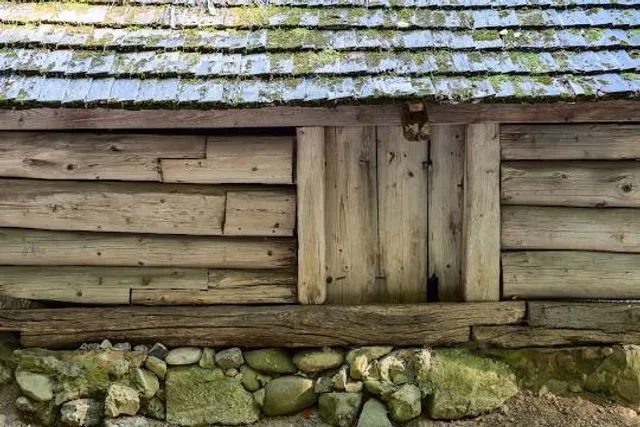
TEXTURE - Flax & River Lys Museum
Noordstraat 28, 8500 Kortrijk, Belgium
4.4(383)
Open until 12:00 AM

tickets
Save
spot
spot
Ratings & Description
Info
Cultural
Family friendly
Accessibility
attractions: Queen Astrid Park, Broel Towers, Belfry of Courtrai, Visit Kortrijk, Artillery Tower, Begijnhofpark, restaurants: Pitta Bodrum, Balthazar café-bistro, Domino's Pizza Kortrijk Meensesteenweg, Kim Quy 🇻🇳, Sweet Lime, deDingen, ONJA Kortrijk, Bowls Asian Cuisine (Bowls Kortrijk), Pizza Hut Delivery Kortrijk, Social Club, local businesses: Saint Eligius Church, Buda Bridge, La Cabane, Banks of the River Lys - Broelkaai & Verzetskaai, Beguinage of Courtrai, Saint Martin's Church, Broel Bridge, Begijnhofkapel
 Learn more insights from Wanderboat AI.
Phone
+32 56 27 74 70
Website
texturekortrijk.be
Open hoursSee all hours
Tue10 AM - 5 PMOpen
Plan your stay

Pet-friendly Hotels in Kortrijk
Find a cozy hotel nearby and make it a full experience.

Affordable Hotels in Kortrijk
Find a cozy hotel nearby and make it a full experience.

The Coolest Hotels You Haven't Heard Of (Yet)
Find a cozy hotel nearby and make it a full experience.

Trending Stays Worth the Hype in Kortrijk
Find a cozy hotel nearby and make it a full experience.
Reviews
Live events
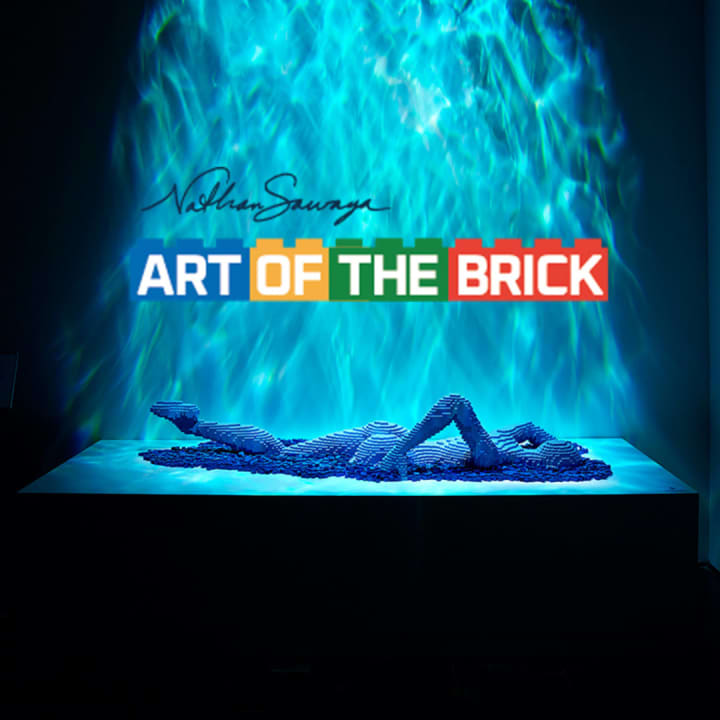
The Art of the Brick : Exposition dart en LEGO®
Wed, Feb 11 • 10:00 AM
Place de Saintignon, 165 Avenue de Bretagne, Lille, 59000
View details
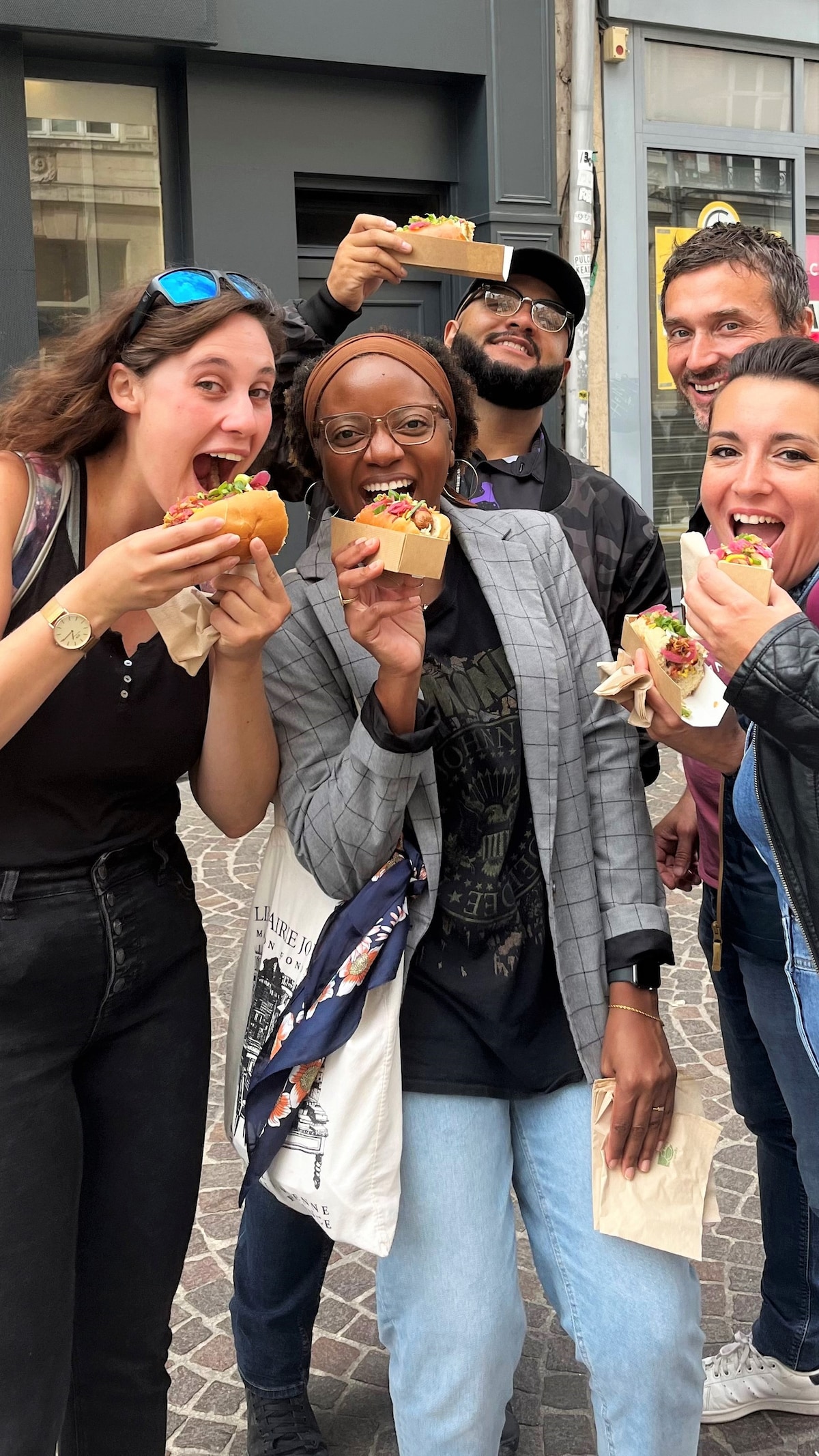
No Diet Club - Unique local food in Lille
Wed, Feb 11 • 6:30 PM
59800, Lille, France
View details

The Jury Experience : Le procès de l’IA meurtrière
Sat, Feb 14 • 5:30 PM
48 Boulevard du Maréchal Vaillant, Lille, 59000
View details
Nearby attractions of TEXTURE - Flax & River Lys Museum
Queen Astrid Park
Broel Towers
Belfry of Courtrai
Visit Kortrijk
Artillery Tower
Begijnhofpark
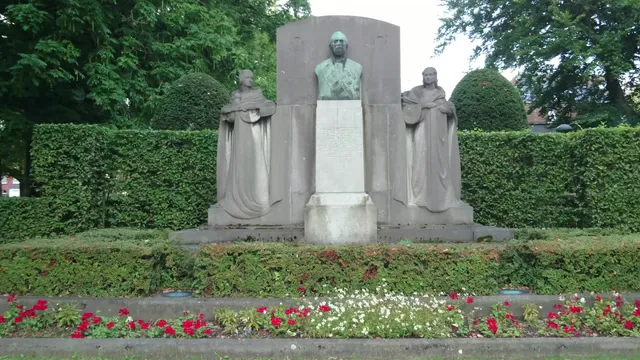
Queen Astrid Park
4.2
(141)
Open until 12:00 AM
Click for details
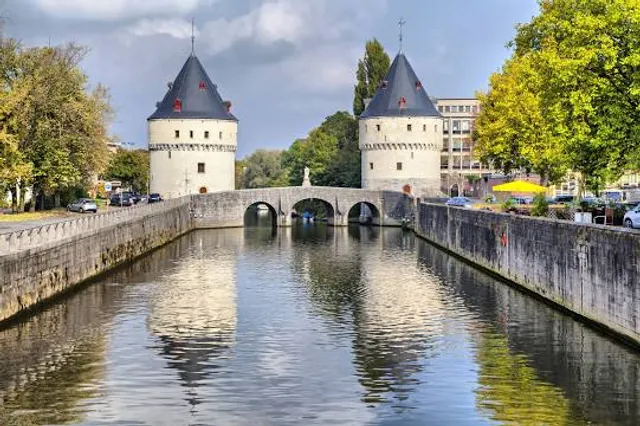
Broel Towers
4.4
(753)
Closed
Click for details
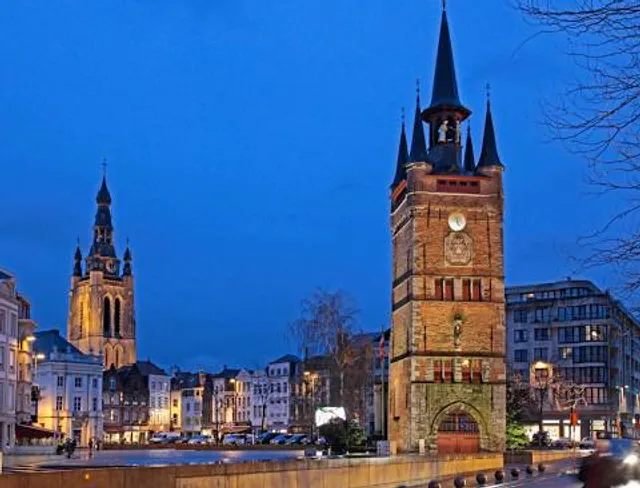
Belfry of Courtrai
4.3
(477)
Open until 12:00 AM
Click for details
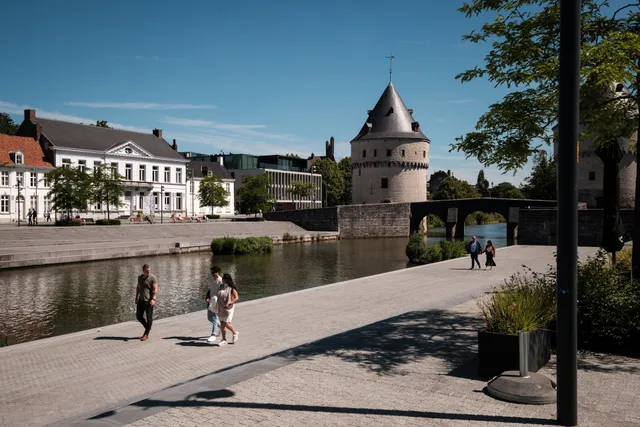
Visit Kortrijk
4.3
(105)
Closed
Click for details
Nearby restaurants of TEXTURE - Flax & River Lys Museum
Pitta Bodrum
Balthazar café-bistro
Domino's Pizza Kortrijk Meensesteenweg
Kim Quy 🇻🇳
Sweet Lime
deDingen
ONJA Kortrijk
Bowls Asian Cuisine (Bowls Kortrijk)
Pizza Hut Delivery Kortrijk
Social Club
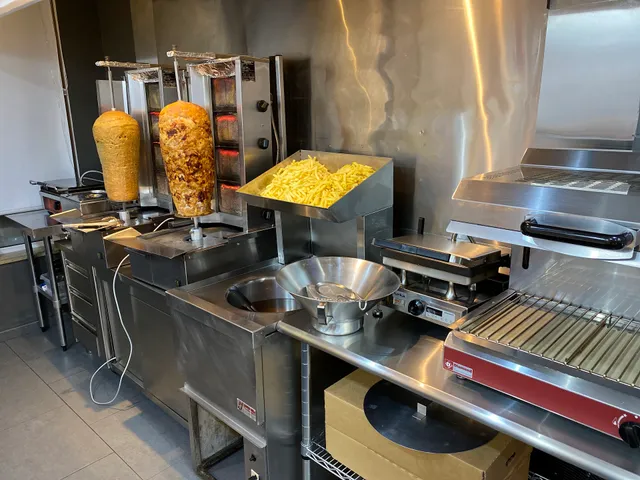
Pitta Bodrum
4.7
(212)
Open until 12:00 AM
Click for details
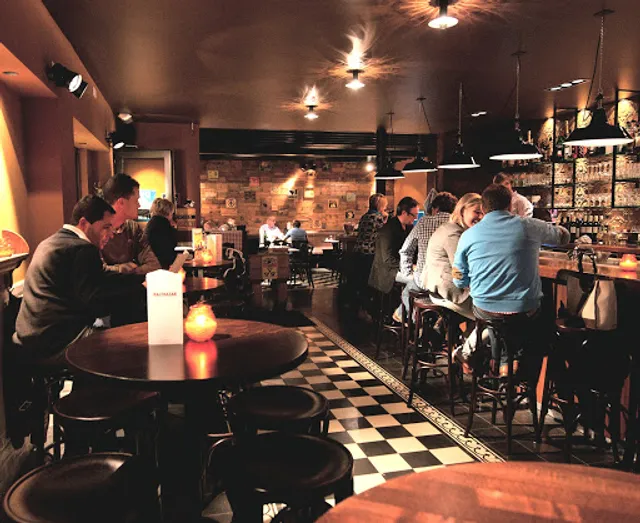
Balthazar café-bistro
4.3
(566)
$$
Open until 12:00 AM
Click for details
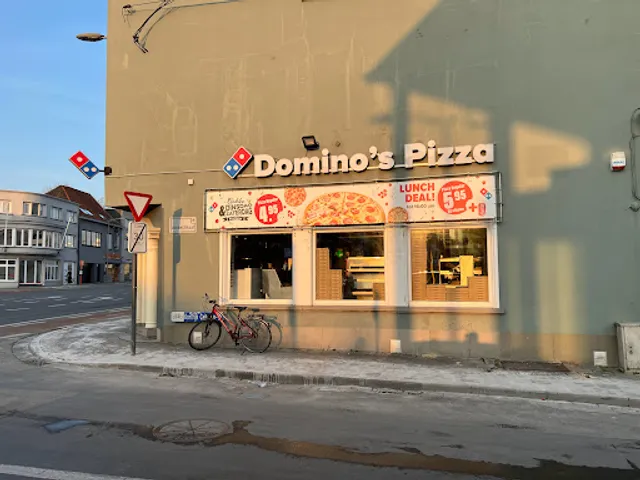
Domino's Pizza Kortrijk Meensesteenweg
3.8
(187)
Closed
Click for details
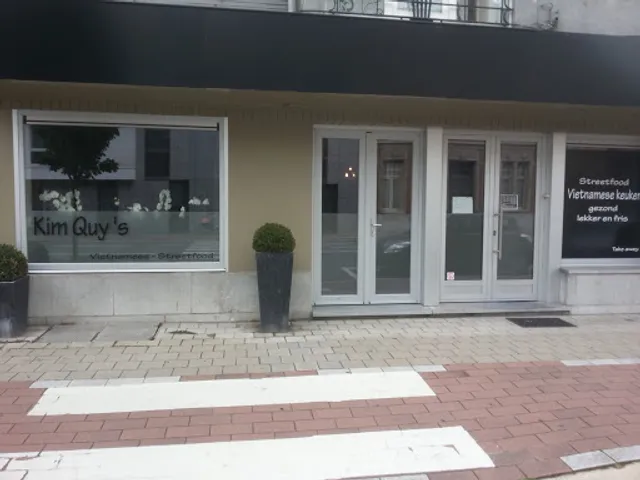
Kim Quy 🇻🇳
4.6
(140)
$$
Open until 12:00 AM
Click for details
Nearby local services of TEXTURE - Flax & River Lys Museum
Saint Eligius Church
Buda Bridge
La Cabane
Banks of the River Lys - Broelkaai & Verzetskaai
Beguinage of Courtrai
Saint Martin's Church
Broel Bridge
Begijnhofkapel
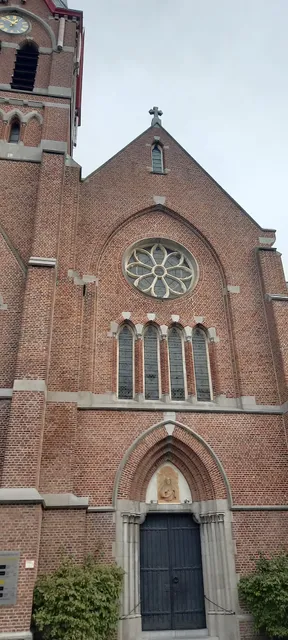
Saint Eligius Church
4.1
(22)
Click for details
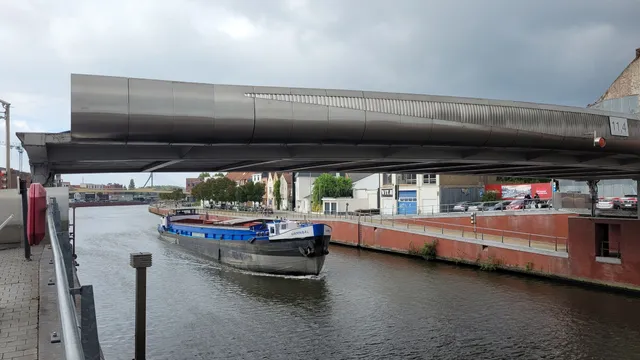
Buda Bridge
3.8
(17)
Click for details
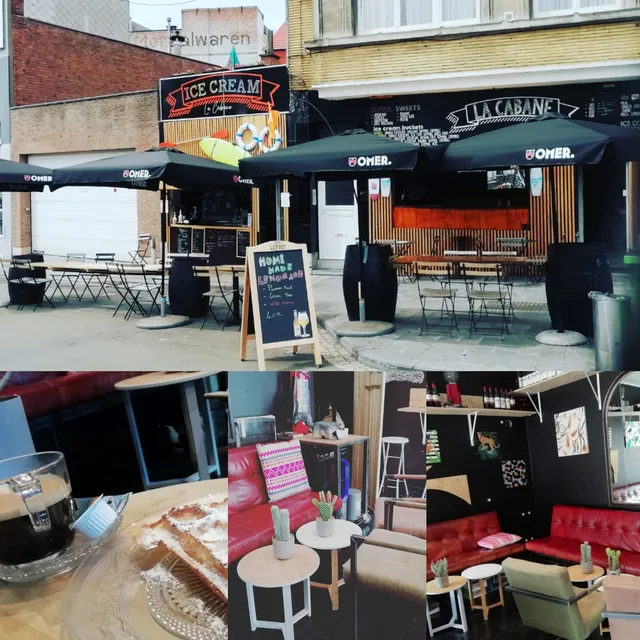
La Cabane
4.3
(91)
Click for details
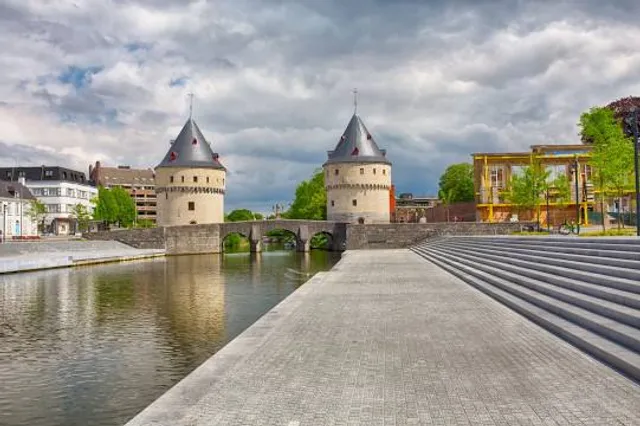
Banks of the River Lys - Broelkaai & Verzetskaai
4.4
(349)
Click for details