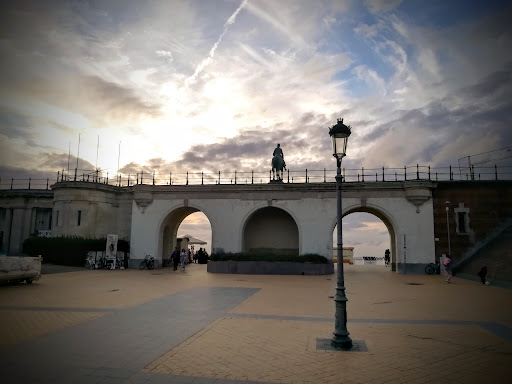
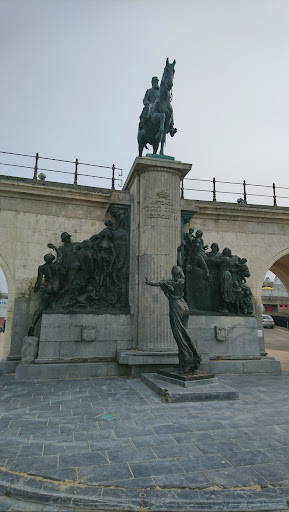
Monument of Leopold II things to do, attractions, restaurants, events info and trip planning
Basic Info
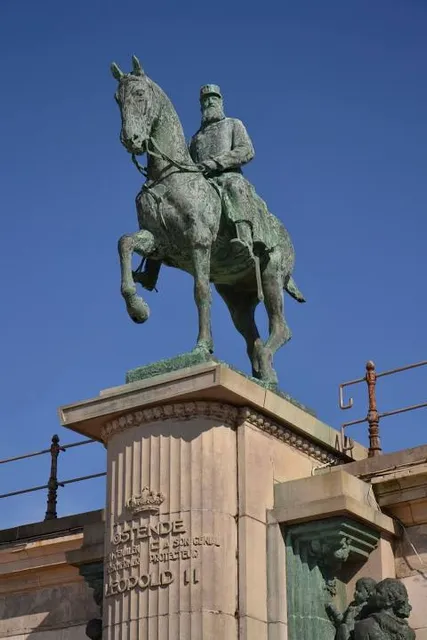
Monument of Leopold II
8400 Ostend, Belgium
4.0(326)
Open until 12:00 AM
Save
spot
spot
Ratings & Description
Info
A statue of King Leopold II of the Belgians was installed in Ekeren, Flanders, Belgium, until 2020. The statue was designed by Belgian sculptor Joseph Ducaju, made of sandstone from Bad Bentheim, and was erected in 1873, eight years into Leopold's reign, as the first statue to commemorate him as king.
Cultural
Scenic
attractions: Mu.ZEE, Japanse Tuin - Shin Kai Tei, Shin Kai Tei, Library Ostend, Kris Lambert, Royal Galleries of Ostend, Leopoldpark, Casino Oostende, Tourism Ostend, restaurants: Q-Beach House, Venetiaanse Gaanderijen - Restaurant en Eventlocatie, Yak, Damas, Restaurant Valentino, LIDO SOLE - Cocina Italiana, Nelly's, Floride - Oostende, Ziena, Phuang Malai Thai 🇹🇭, local businesses: Galeries Vénitiennes, Koninklijke Villa, 2dekansje cd lp dvd blu-ray, Karel Janssenslaan 10, Lucky Garden 🇨🇳, Sojuz, Diwan Brothers, Pizza Planet, Groot strand ⛱, Fish Store Mercator
 Learn more insights from Wanderboat AI.
Open hoursSee all hours
SatOpen 24 hoursOpen
Plan your stay

Pet-friendly Hotels in Ostend
Find a cozy hotel nearby and make it a full experience.

Affordable Hotels in Ostend
Find a cozy hotel nearby and make it a full experience.

The Coolest Hotels You Haven't Heard Of (Yet)
Find a cozy hotel nearby and make it a full experience.

Trending Stays Worth the Hype in Ostend
Find a cozy hotel nearby and make it a full experience.
Reviews
Live events
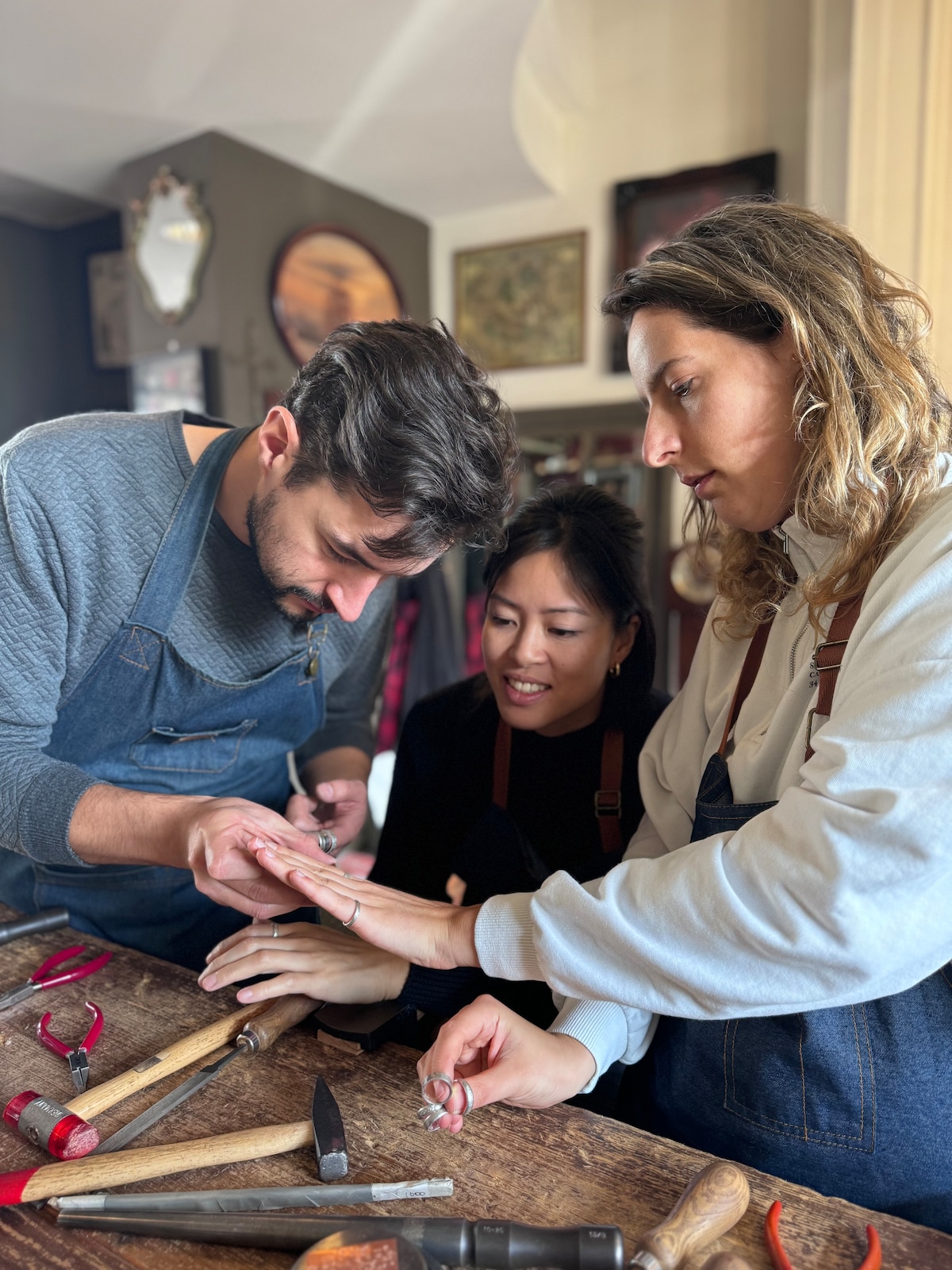
Hand make Your Own Silver Ring
Sun, Feb 8 • 11:00 AM
8000, Bruges, Belgium
View details
Nearby attractions of Monument of Leopold II
Mu.ZEE
Japanse Tuin - Shin Kai Tei
Shin Kai Tei
Library Ostend, Kris Lambert
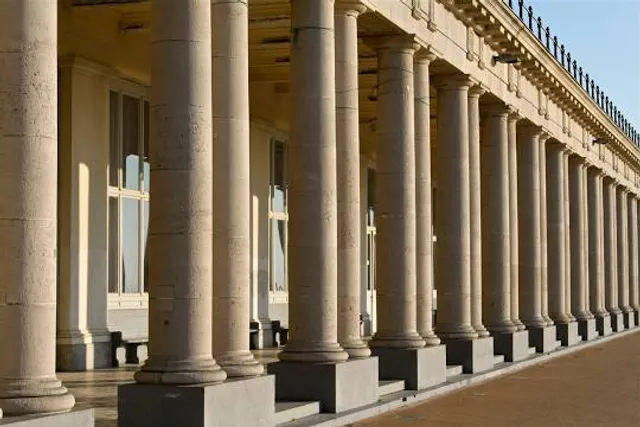
Royal Galleries of Ostend
Leopoldpark
Casino Oostende
Tourism Ostend

Mu.ZEE
4.2
(943)
Open until 5:30 PM
Click for details
Japanse Tuin - Shin Kai Tei
4.2
(66)
Open until 12:00 AM
Click for details

Shin Kai Tei
4.0
(58)
Open until 6:00 PM
Click for details
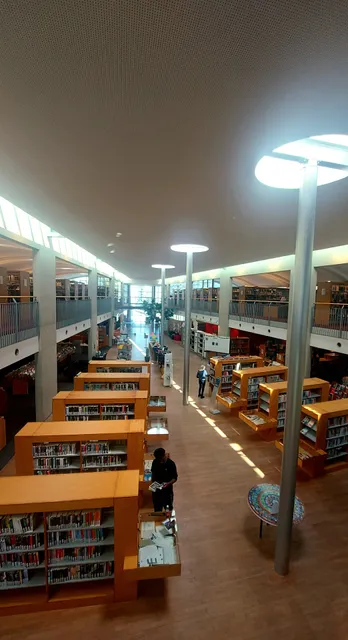
Library Ostend, Kris Lambert
4.4
(121)
Open until 4:00 PM
Click for details
Nearby restaurants of Monument of Leopold II
Q-Beach House
Venetiaanse Gaanderijen - Restaurant en Eventlocatie
Yak
Damas
Restaurant Valentino
LIDO SOLE - Cocina Italiana
Nelly's
Floride - Oostende
Ziena
Phuang Malai Thai 🇹🇭
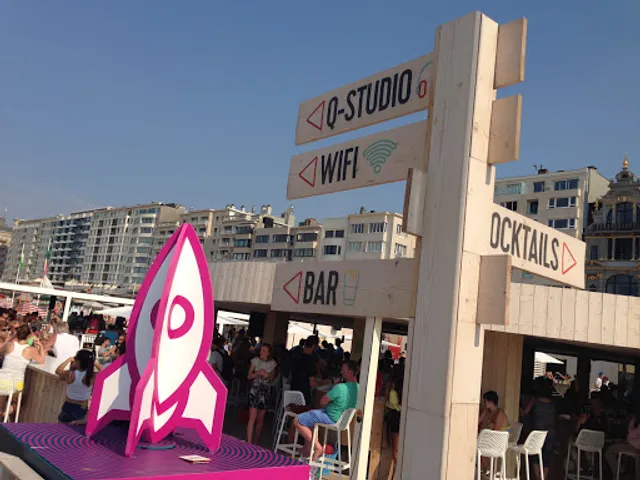
Q-Beach House
4.3
(1.9K)
Click for details
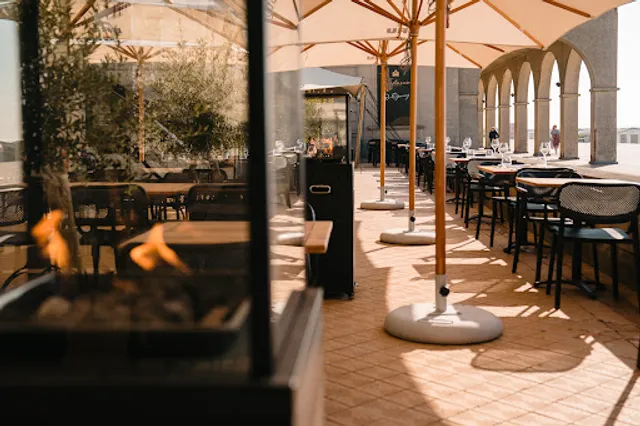
Venetiaanse Gaanderijen - Restaurant en Eventlocatie
4.1
(200)
Click for details
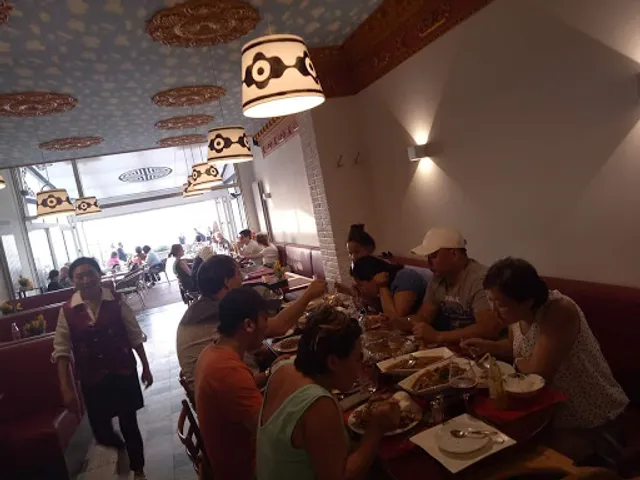
Yak
4.2
(201)
Open until 10:30 PM
Click for details
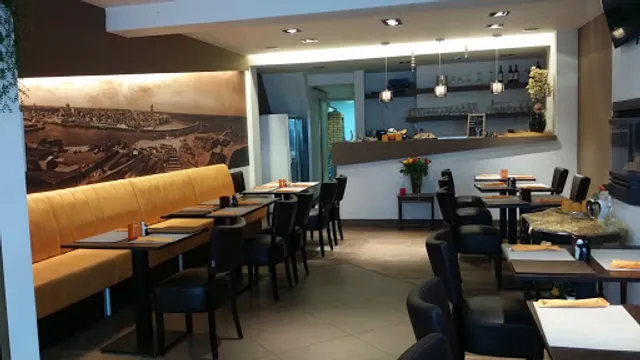
Damas
4.6
(818)
Open until 10:00 PM
Click for details
Nearby local services of Monument of Leopold II
Galeries Vénitiennes
Koninklijke Villa
2dekansje cd lp dvd blu-ray
Karel Janssenslaan 10
Lucky Garden 🇨🇳
Sojuz
Diwan Brothers
Pizza Planet
Groot strand ⛱
Fish Store Mercator
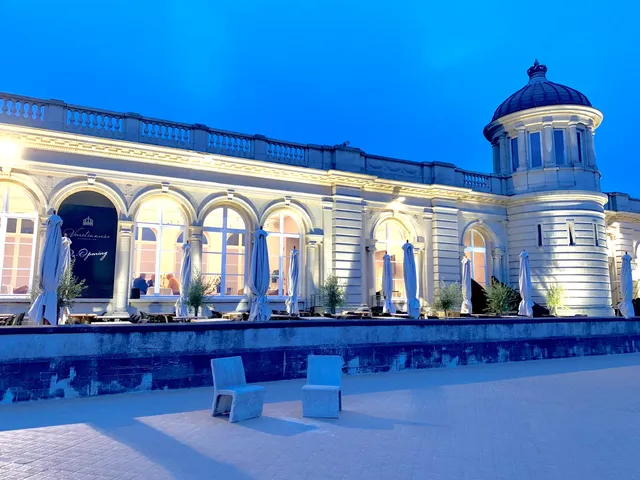
Galeries Vénitiennes
4.2
(84)
Click for details
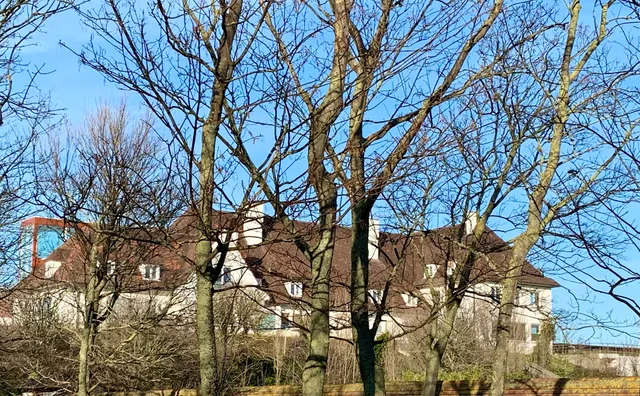
Koninklijke Villa
3.8
(9)
Click for details
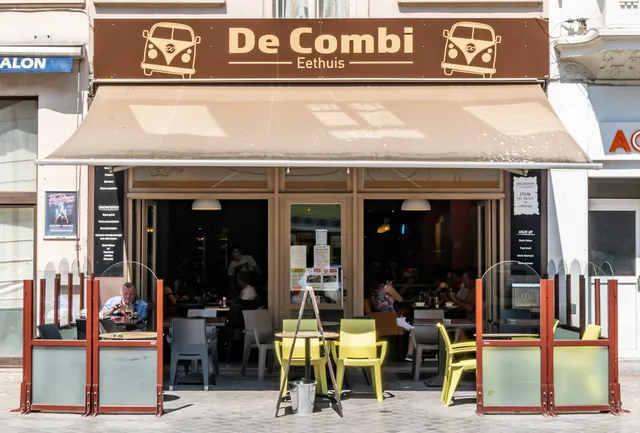
2dekansje cd lp dvd blu-ray
4.4
(260)
Click for details
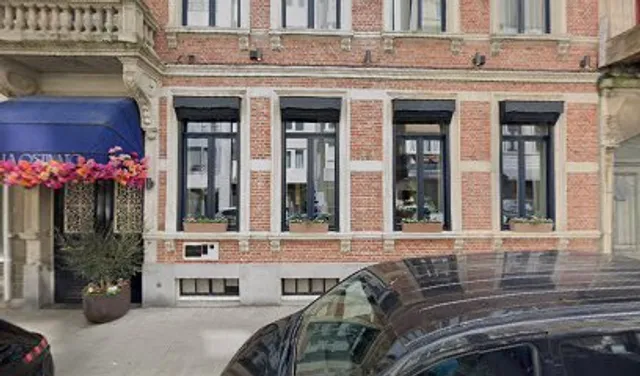
Karel Janssenslaan 10
4.6
(99)
Click for details