Ancient Stadium of Philipopolis things to do, attractions, restaurants, events info and trip planning
Basic Info
Ancient Stadium of Philipopolis
Staria gradPlovdiv Center, ul. "Hristo G. Danov", 4000 Plovdiv, Bulgaria
4.7(3.7K)
Open 24 hours
Save
spot
spot
Ratings & Description
Info
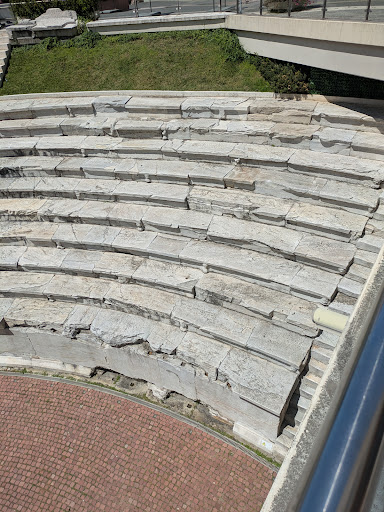
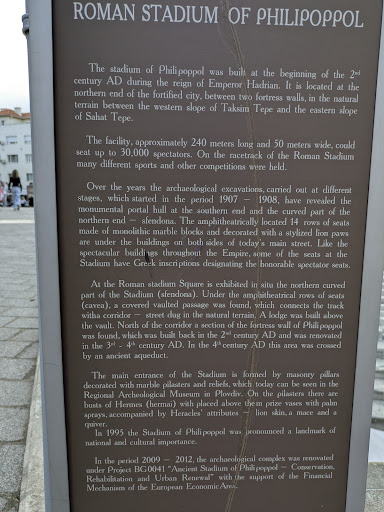
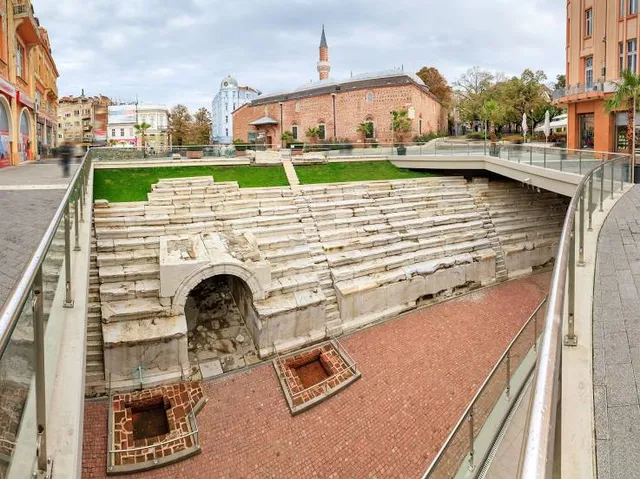
The Stadium of Philippopolis was the ancient Roman stadium of Philippopolis, built in the 2nd century AD, during the Roman imperial period. It is among the largest and best preserved buildings from the time of the Roman Empire in the Balkan peninsula.
Cultural
Family friendly
attractions: Ancient Theatre of Philippopolis, Djumaya Mosque, Sahat Tepe - Danov hill, Clock Tower, Roman Theatre, Old Town of Plovdiv, Museum Center for Contemporary History, Free Plovdiv Tour, Museum of Natural Sciences, Hindliyan's House, restaurants: Smokini, Мекица и Кафе - Пловдив, Rock Bar Download, Pavazh Restaurant, Aylyakria Restaurant, El Greco - гръцка кафе сладкарница и пекарна, Amsterdam, Tigan Pancakes/ Палачинкарница Тиган, Bubble House Waffles, Tams House, local businesses: Shopping Center Hali, BILLA, "Sveta Bogoroditsa" Church, City Art Gallery, Sveta Marina church, Chilli Hills Farm Shop Капана, The Statue of Milyo, Museum - Gallery Philippopolis, Dzhendem tepe, Casino Efbet Plovdiv
 Learn more insights from Wanderboat AI.
Phone
+359 35 892 58
Website
antichen-stadion-plovdiv.bg
Plan your stay

Pet-friendly Hotels in Plovdiv
Find a cozy hotel nearby and make it a full experience.

Affordable Hotels in Plovdiv
Find a cozy hotel nearby and make it a full experience.

The Coolest Hotels You Haven't Heard Of (Yet)
Find a cozy hotel nearby and make it a full experience.

Trending Stays Worth the Hype in Plovdiv
Find a cozy hotel nearby and make it a full experience.
Reviews
Live events
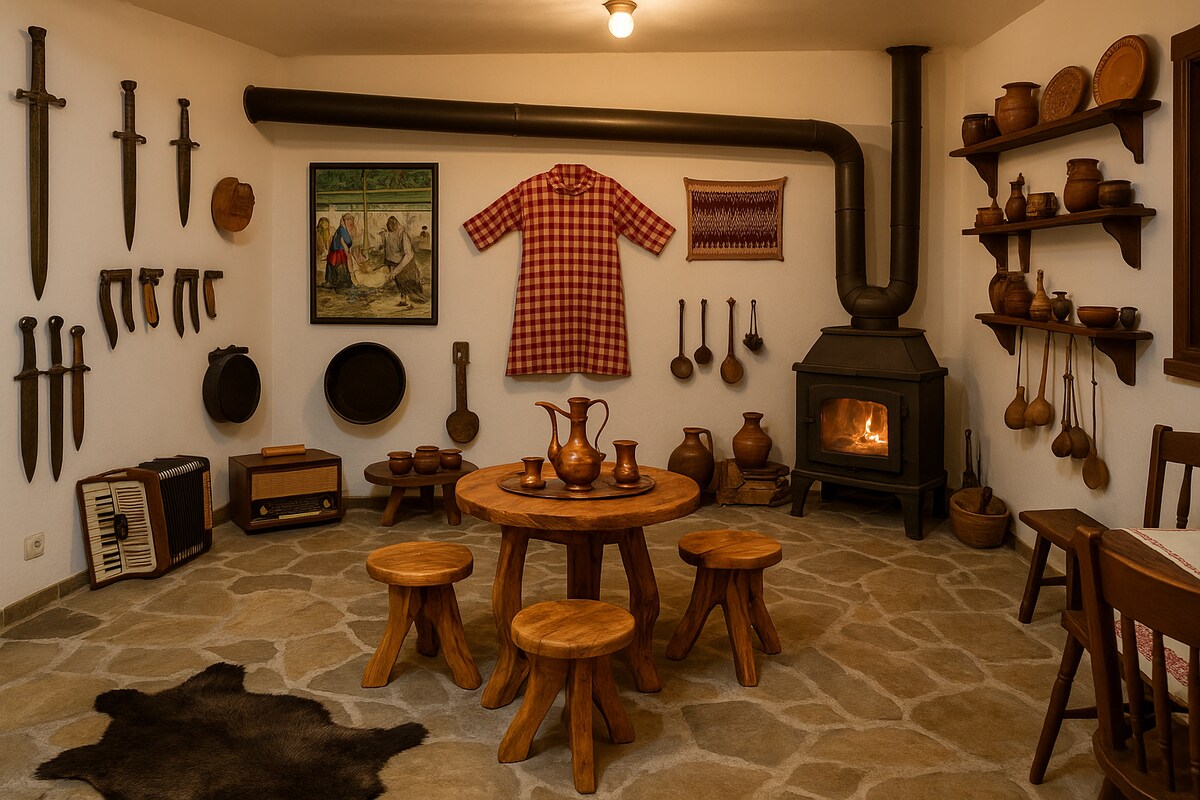
Taste Local Wines in a Cozy Family Winery
Fri, Feb 20 • 4:00 PM
4124, Bełasztica, Plovdiv Province, Bulgaria
View details
Nearby attractions of Ancient Stadium of Philipopolis
Ancient Theatre of Philippopolis
Djumaya Mosque
Sahat Tepe - Danov hill
Clock Tower
Roman Theatre
Old Town of Plovdiv
Museum Center for Contemporary History
Free Plovdiv Tour
Museum of Natural Sciences
Hindliyan's House
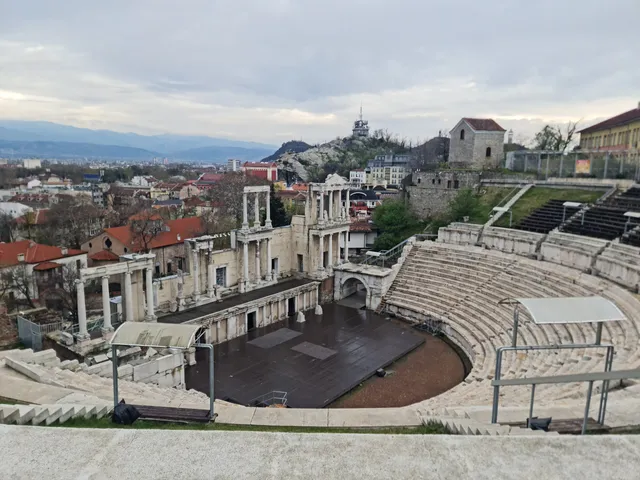
Ancient Theatre of Philippopolis
4.7
(7.6K)
Open until 6:00 PM
Click for details
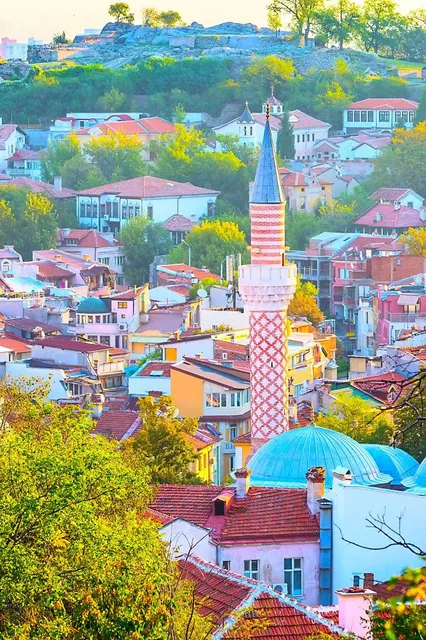
Djumaya Mosque
4.7
(203)
Open 24 hours
Click for details
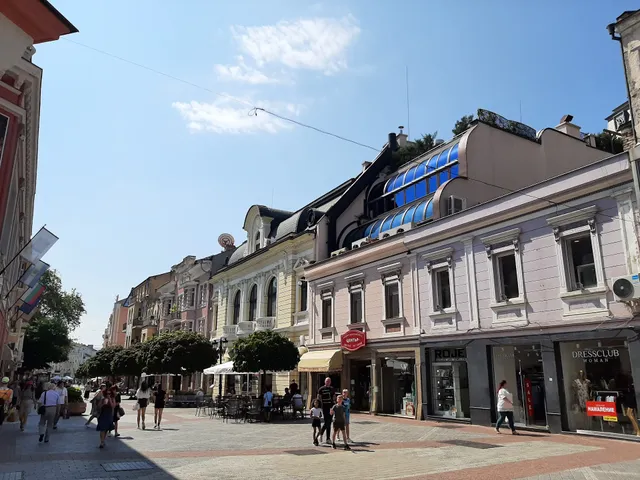
Sahat Tepe - Danov hill
4.6
(866)
Closed
Click for details
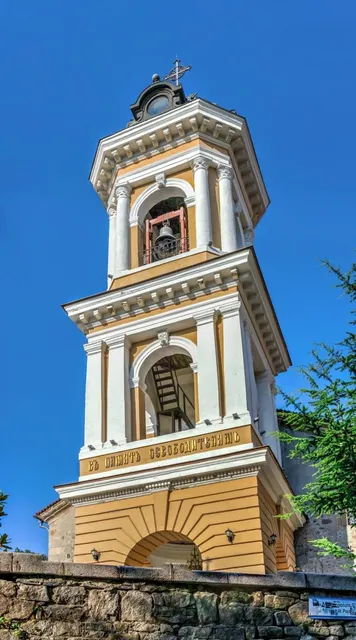
Clock Tower
4.7
(178)
Open until 6:00 PM
Click for details
Nearby restaurants of Ancient Stadium of Philipopolis
Smokini
Мекица и Кафе - Пловдив
Rock Bar Download
Pavazh Restaurant
Aylyakria Restaurant
El Greco - гръцка кафе сладкарница и пекарна
Amsterdam
Tigan Pancakes/ Палачинкарница Тиган
Bubble House Waffles
Tams House
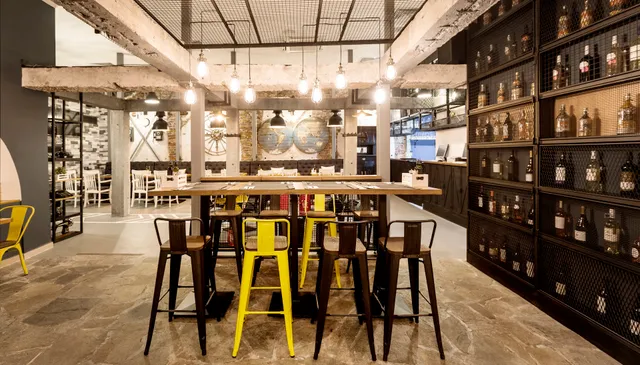
Smokini
4.6
(1.3K)
$$
Closed
Click for details
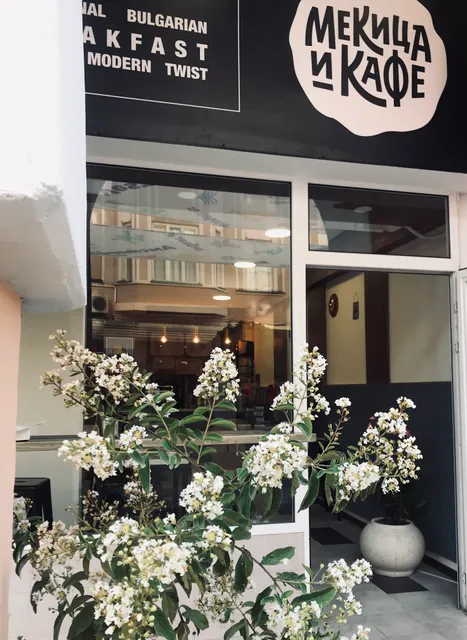
Мекица и Кафе - Пловдив
4.6
(415)
Open until 6:00 PM
Click for details
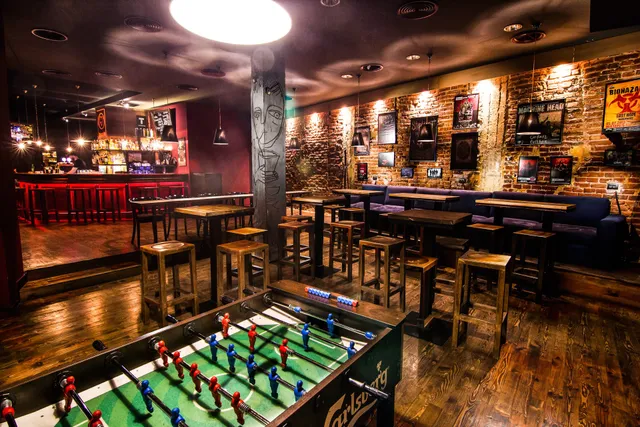
Rock Bar Download
4.7
(607)
Open until 4:00 AM
Click for details
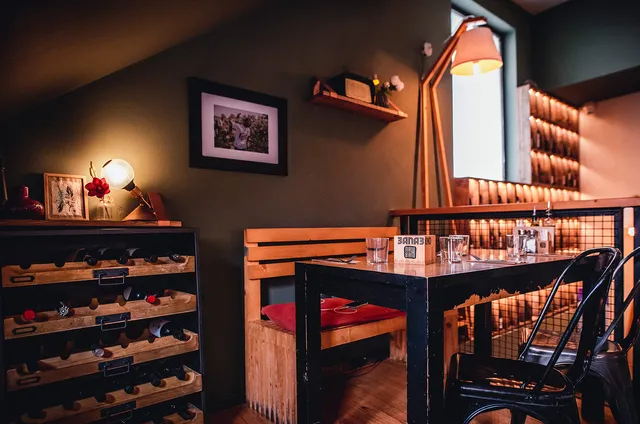
Pavazh Restaurant
4.5
(3K)
$$
Open until 11:00 PM
Click for details
Nearby local services of Ancient Stadium of Philipopolis
Shopping Center Hali
BILLA
"Sveta Bogoroditsa" Church
City Art Gallery
Sveta Marina church
Chilli Hills Farm Shop Капана
The Statue of Milyo
Museum - Gallery Philippopolis
Dzhendem tepe
Casino Efbet Plovdiv
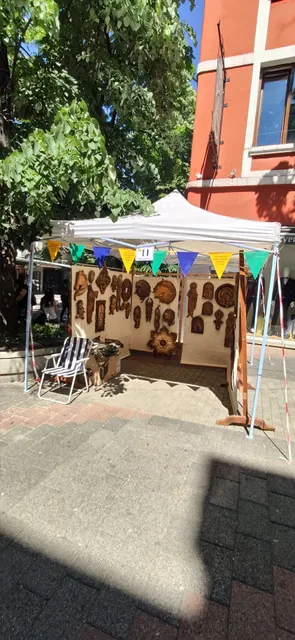
Shopping Center Hali
3.9
(1.6K)
Click for details
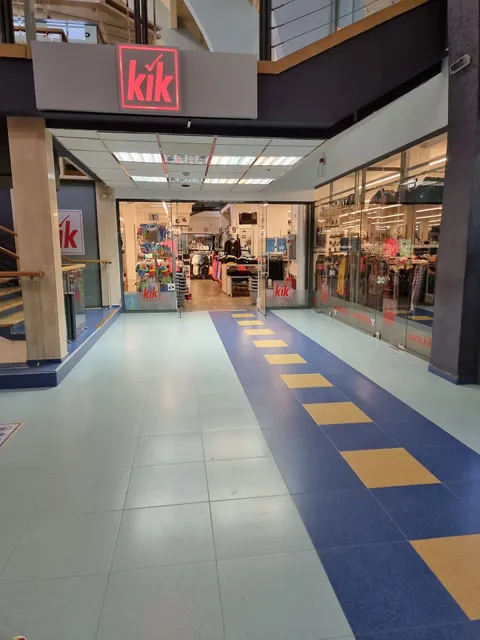
BILLA
3.9
(734)
Click for details
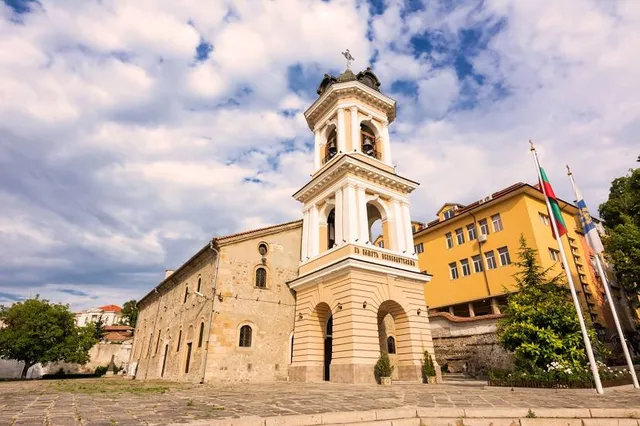
"Sveta Bogoroditsa" Church
4.8
(277)
Click for details
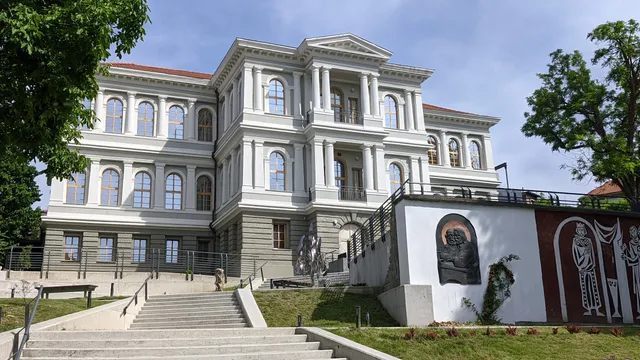
City Art Gallery
4.6
(217)
Click for details