Yongdingmen things to do, attractions, restaurants, events info and trip planning
Basic Info
Yongdingmen
Dongcheng, China, 100061
4.3(89)
Open 24 hours
Save
spot
spot
Ratings & Description
Info
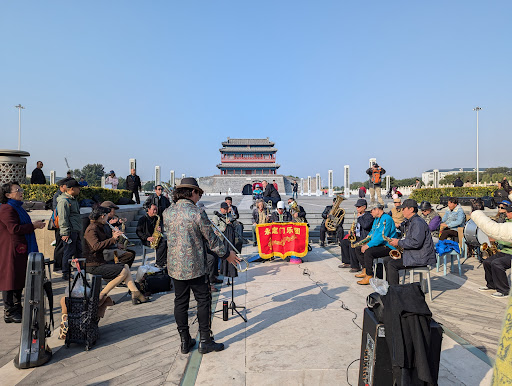
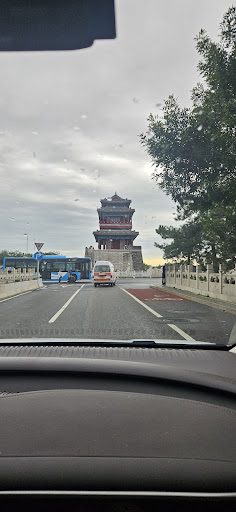
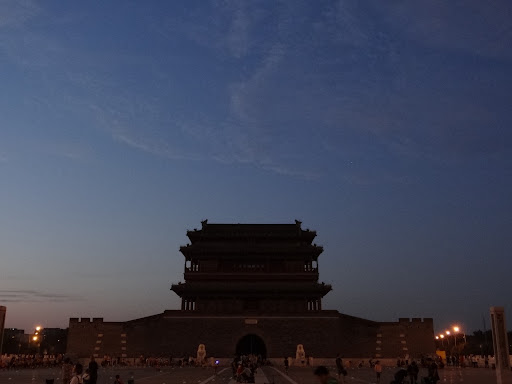
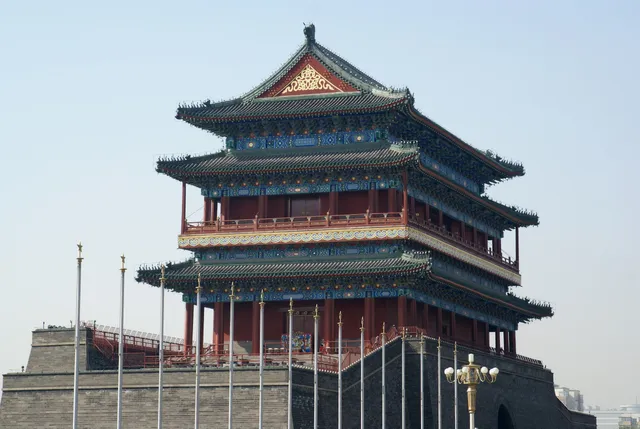
Yongdingmen, was the former front gate of the outer city of Beijing's old city wall. Originally built in 1553 during Ming Dynasty, it was torn down in the 1950s to make way for the new road system in Beijing. In 2005, the Yongdingmen was reconstructed at the site of the old city gate.
Cultural
Scenic
Outdoor
attractions: Temple of Agriculture, 斋宫, restaurants: Manpengxuan Restaurant, Hotel Restaurant, 德真晓英餐厅, Taotaoju Restaurant, Du Yichu, Dahaiwan Old Beijing Noodle, Tianwaitian Roasted Duck Restaurant Temple of Heaven Jingtai Brg Branch, 老北京餐馆, Tianshi Restaurant, 新疆烤串拉面店, local businesses:
 Learn more insights from Wanderboat AI.
Plan your stay

Pet-friendly Hotels in Beijing
Find a cozy hotel nearby and make it a full experience.

Affordable Hotels in Beijing
Find a cozy hotel nearby and make it a full experience.

The Coolest Hotels You Haven't Heard Of (Yet)
Find a cozy hotel nearby and make it a full experience.

Trending Stays Worth the Hype in Beijing
Find a cozy hotel nearby and make it a full experience.
Reviews
Live events

AI Tech & Startup Night — Beijing
Tue, Feb 10 • 11:00 AM
Dongsi 2nd Alley Community Residents' Committee, 460 Dong Si Bei Da Jie, Dong Cheng Qu, Bei Jing Shi, China, 100009
View details
Nearby attractions of Yongdingmen
Temple of Agriculture
斋宫
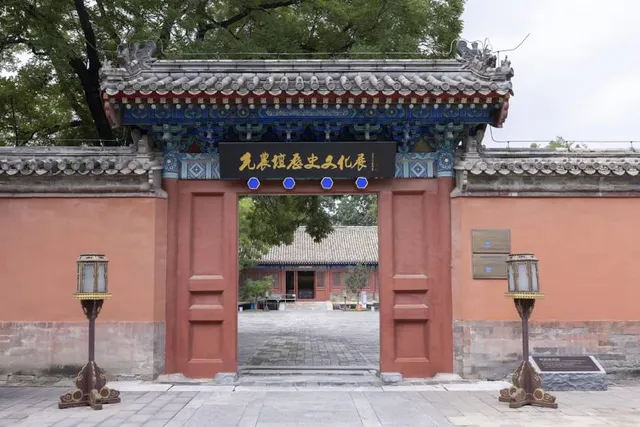
Temple of Agriculture
4.3
(14)
Open 24 hours
Click for details
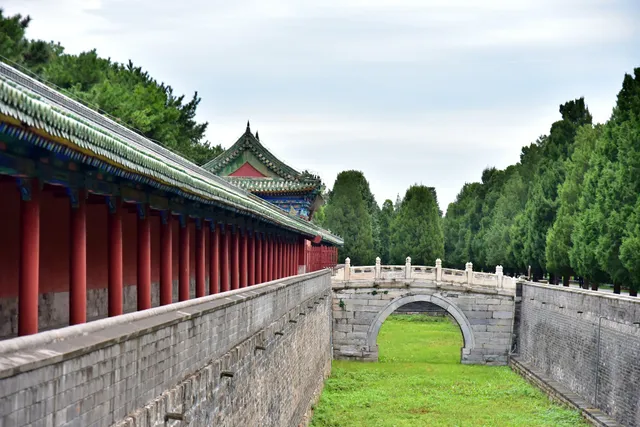
斋宫
4.5
(37)
Open 24 hours
Click for details
Nearby restaurants of Yongdingmen
Manpengxuan Restaurant
Hotel Restaurant
德真晓英餐厅
Taotaoju Restaurant
Du Yichu
Dahaiwan Old Beijing Noodle
Tianwaitian Roasted Duck Restaurant Temple of Heaven Jingtai Brg Branch
老北京餐馆
Tianshi Restaurant
新疆烤串拉面店
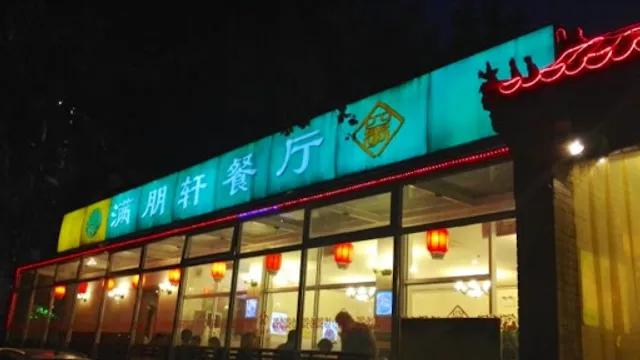
Manpengxuan Restaurant
4.4
(12)
Closed
Click for details
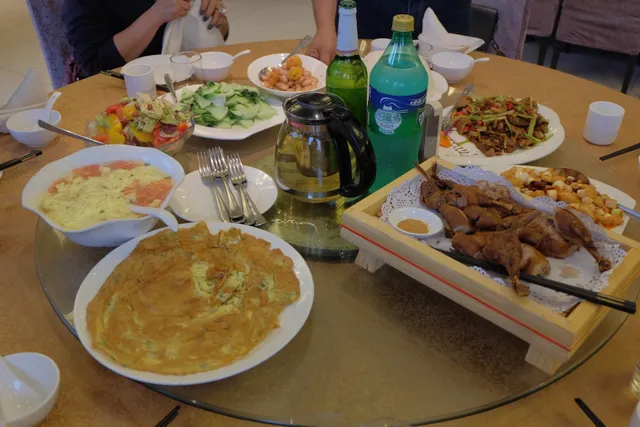
Hotel Restaurant
4.5
(1)
Closed
Click for details
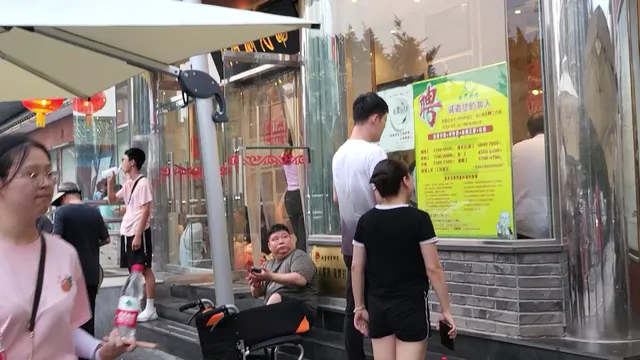
德真晓英餐厅
4.7
(9)
Click for details
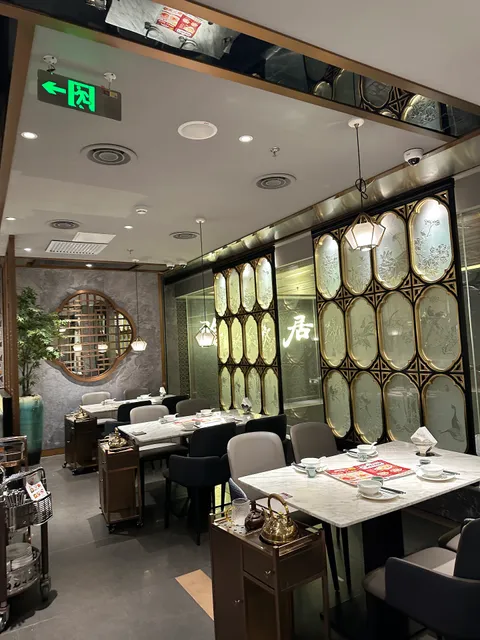
Taotaoju Restaurant
4.8
(9)
Click for details