HTML SitemapExplore
Find Things to DoFind The Best Restaurants

Shanghai Qinci Yangdian Taoist Temple — Attraction in Shanghai

Name
Shanghai Qinci Yangdian Taoist Temple
Description
Nearby attractions
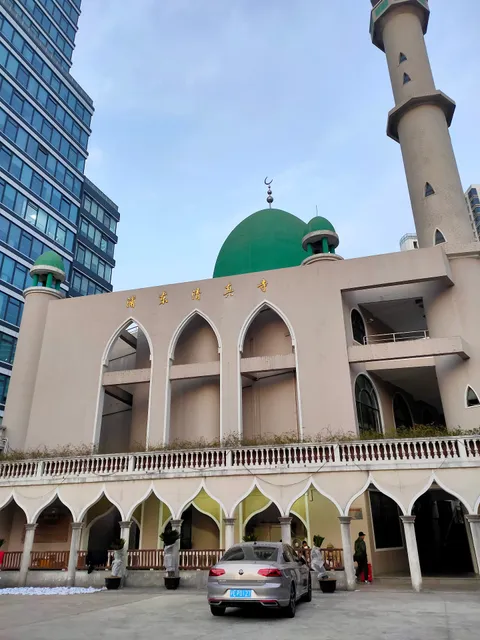
Pudong Mosque
China, Shanghai, Pudong, 上海浦东清真寺 邮政编码: 200135
Nearby restaurants
枣子树
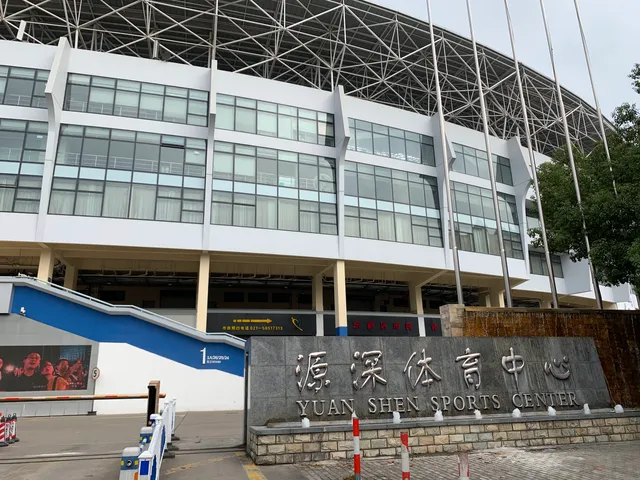
1458 Zhangyang Rd, 源深体育中心 Pudong, Shanghai, China, 200135
Tangjin Home
655 Yuanshen Rd, 源深体育中心 Pudong, Shanghai, China, 200135
Laozhongxing Dumpling
6GJH+8GX, Zhangyang Rd, Pudong, Shanghai, China, 200120
Suxiansheng Seafood Fishing Village
655 Yuanshen Rd, 源深体育中心 Pudong, Shanghai, China, 200135
Be For Time Tea House
237 Rushan Rd, Pudong, Shanghai, China, 200120
Singapore Thailand Village Shark Fin
328 Weifang Rd, Pudong, Shanghai, China, 200135
Taixiangyuan Restaurant
China, Shanghai, Pudong, 189, Taolin Rd, 189号1层 邮政编码: 200082
Guimanlong
China, Shanghai, Pudong, 1192, Shiji Blvd, 1192号3层 邮政编码: 200120
Gaoli Restaurant
357 Songlin Rd, Pudong, Shanghai, China, 200135
Zhangshengji Restaurant
1085 Pudong Ave, Pudong, Shanghai, China, 200082
Nearby hotels
Luxemon Hotel
New, 357 Songlin Rd, Pudong, Shanghai, China, 200122
Atour S Hotel Shanghai Oriental Pearl Tower
189 Taolin Rd, Pu Dong Xin Qu, China, 200135
Green Garden Hotel
328 Weifang Rd, Pudong, Shanghai, China, 200135
Dayin International Youth Hostel - Shanghai Oriental Pearl Lujiazui Branch
No. 840, 834 Pudong Ave, Lane, China, 200120
Novotel Shanghai Atlantis
728 Pudong Ave, Pudong, Shanghai, China, 200120
LDF All Suites Hotel
988 Pudong Ave, Pudong, China, 200082
Yitel Premium Hotel
844 Pudong Ave, Pudong, China, 200000
Tong Mao Hotel - Pudong Shanghai
357 Songlin Rd, Pudong, China, 200122
Related posts
Keywords
Shanghai Qinci Yangdian Taoist Temple tourism.Shanghai Qinci Yangdian Taoist Temple hotels.Shanghai Qinci Yangdian Taoist Temple bed and breakfast. flights to Shanghai Qinci Yangdian Taoist Temple.Shanghai Qinci Yangdian Taoist Temple attractions.Shanghai Qinci Yangdian Taoist Temple restaurants.Shanghai Qinci Yangdian Taoist Temple travel.Shanghai Qinci Yangdian Taoist Temple travel guide.Shanghai Qinci Yangdian Taoist Temple travel blog.Shanghai Qinci Yangdian Taoist Temple pictures.Shanghai Qinci Yangdian Taoist Temple photos.Shanghai Qinci Yangdian Taoist Temple travel tips.Shanghai Qinci Yangdian Taoist Temple maps.Shanghai Qinci Yangdian Taoist Temple things to do.
Shanghai Qinci Yangdian Taoist Temple things to do, attractions, restaurants, events info and trip planning
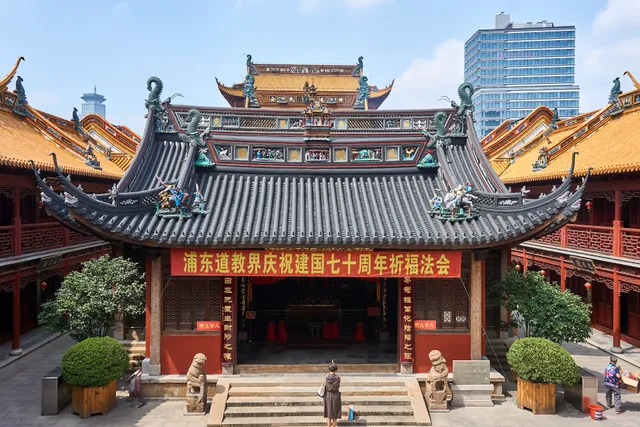
Shanghai Qinci Yangdian Taoist Temple
ChinaShanghaiShanghai Qinci Yangdian Taoist Temple

Basic Info

Shanghai Qinci Yangdian Taoist Temple

476 Yuanshen Rd, Pudong, China, 200135
4.8(9)
Open 24 hours
Save
spot

Ratings & Description

Info

Cultural
Family friendly
Accessibility
attractions: Pudong Mosque, restaurants: 枣子树, Tangjin Home, Laozhongxing Dumpling, Suxiansheng Seafood Fishing Village, Be For Time Tea House, Singapore Thailand Village Shark Fin, Taixiangyuan Restaurant, Guimanlong, Gaoli Restaurant, Zhangshengji Restaurant
logoLearn more insights from Wanderboat AI.
Phone
+86 21 5882 8689
Website
shanghaihighlights.com

Plan your stay

hotel
Pet-friendly Hotels in Shanghai
Find a cozy hotel nearby and make it a full experience.
hotel
Affordable Hotels in Shanghai
Find a cozy hotel nearby and make it a full experience.
hotel
The Coolest Hotels You Haven't Heard Of (Yet)
Find a cozy hotel nearby and make it a full experience.
hotel
Trending Stays Worth the Hype in Shanghai
Find a cozy hotel nearby and make it a full experience.

Reviews

Nearby attractions of Shanghai Qinci Yangdian Taoist Temple

Pudong Mosque

Pudong Mosque

Pudong Mosque

4.9

(31)

Open 24 hours
Click for details

Things to do nearby

超有氛围感的 Vibebuild Bootcamp
Sat, Dec 20 • 5:00 AM
Dongyu Road, Dong Yu Lu, Pu Dong Xin Qu, Shang Hai Shi, China, 200126
View details
East Meets West: The Intersection and Fusion of AI Ecosystems An Exclusive Private Gathering at The Bund FTC
Sat, Dec 20 • 6:00 AM
Shang Hai Shi
View details

Nearby restaurants of Shanghai Qinci Yangdian Taoist Temple

枣子树

Tangjin Home

Laozhongxing Dumpling

Suxiansheng Seafood Fishing Village

Be For Time Tea House

Singapore Thailand Village Shark Fin

Taixiangyuan Restaurant

Guimanlong

Gaoli Restaurant

Zhangshengji Restaurant

枣子树

枣子树

4.7

(2)

Click for details
Tangjin Home

Tangjin Home

5.0

(1)

Click for details
Laozhongxing Dumpling

Laozhongxing Dumpling

5.0

(1)

Click for details
Suxiansheng Seafood Fishing Village

Suxiansheng Seafood Fishing Village

5.0

(1)

Click for details
Get the Appoverlay
Get the AppOne tap to find yournext favorite spots!
Wanderboat LogoWanderboat

Your everyday Al companion for getaway ideas

CompanyAbout Us
InformationAI Trip PlannerSitemap
SocialXInstagramTiktokLinkedin
LegalTerms of ServicePrivacy Policy

Get the app

© 2025 Wanderboat. All rights reserved.

Reviews of Shanghai Qinci Yangdian Taoist Temple

4.8
(9)
avatar
5.0
2y

Although its exact date of construction is unknown (around 230?), the temple appears to have a long history. It has been destroyed and rebuilt several times, its last reconstruction dating from the 1980s-90s. The earliest known writings mentioning the temple are found in the Shanghai County Annals compiled during the reign of Emperor Wanli of the Ming Dynasty ( 1572 – 1620 ). The temple was then called Jinshiniang , or Dongyuexing .

But tradition says that it was erected around 230 by Sun Quan , first emperor of Western Wu, at the beginning of the Three Kingdoms period , in honor of his mother. This first temple was called the Manor of the Sacred Mountain of the East 1 .

In the 7th century , Emperor Taizhong of the Tang Dynasty ordered its reconstruction and renamed it. The name of the official in charge, Qin Shubao, can still be found on some of the building's beams.

The temple was expanded during the Song dynasty (960 - 1279) but was abandoned during the wars of the Chongzhen years (1627 - 1644), the last emperor of the Ming dynasty. It was rebuilt in 1770, during the reign of Emperor Qianlong of the Qing dynasty . It was during this period that its name was distorted from Jinshiniang to Qinciyang . The temple then covered an area of ​​more than 20 mu (2,000 square meters) and had two main pavilions: the Eastern Sacred Mountain Pavilion at the front and the Three Pure Ones Pavilion at the rear. On each side stood a Hall of Ten Kings (十王殿 Shíwáng Diàn) and the whole was completed by a dozen auxiliary buildings. At the time, the temple was renowned and attracted tourists and pilgrims 2 .

In 1982, the Shanghai Taoist Association renovated Temple 3 , and religious activities there resumed the following year. The renovation program ended in the early 1990s when the main structure was refurbished.

In the late 1990s, the temple was expanded to its current configuration in three sectors.

Although the architecture of the temple is very recent, at the southern end of the enclosure appear foundations which appear to be those...

   Read more
avatar
4.0
13y

这里有道观,有伊斯兰...

   Read more
avatar
5.0
6y

上海最大的一座道...

   Read more
Page 1 of 1
Previous
Next

Posts

Udayan ChattopadhyayUdayan Chattopadhyay
Although its exact date of construction is unknown (around 230?), the temple appears to have a long history. It has been destroyed and rebuilt several times, its last reconstruction dating from the 1980s-90s. The earliest known writings mentioning the temple are found in the Shanghai County Annals compiled during the reign of Emperor Wanli of the Ming Dynasty ( 1572 – 1620 ). The temple was then called Jinshiniang , or Dongyuexing . But tradition says that it was erected around 230 by Sun Quan , first emperor of Western Wu, at the beginning of the Three Kingdoms period , in honor of his mother. This first temple was called the Manor of the Sacred Mountain of the East 1 . In the 7th century , Emperor Taizhong of the Tang Dynasty ordered its reconstruction and renamed it. The name of the official in charge, Qin Shubao, can still be found on some of the building's beams. The temple was expanded during the Song dynasty (960 - 1279) but was abandoned during the wars of the Chongzhen years (1627 - 1644), the last emperor of the Ming dynasty. It was rebuilt in 1770, during the reign of Emperor Qianlong of the Qing dynasty . It was during this period that its name was distorted from Jinshiniang to Qinciyang . The temple then covered an area of ​​more than 20 mu (2,000 square meters) and had two main pavilions: the Eastern Sacred Mountain Pavilion at the front and the Three Pure Ones Pavilion at the rear. On each side stood a Hall of Ten Kings (十王殿 Shíwáng Diàn) and the whole was completed by a dozen auxiliary buildings. At the time, the temple was renowned and attracted tourists and pilgrims 2 . In 1982, the Shanghai Taoist Association renovated Temple 3 , and religious activities there resumed the following year. The renovation program ended in the early 1990s when the main structure was refurbished. In the late 1990s, the temple was expanded to its current configuration in three sectors. Although the architecture of the temple is very recent, at the southern end of the enclosure appear foundations which appear to be those of older halls
hotel
Find your stay

Pet-friendly Hotels in Shanghai

Find a cozy hotel nearby and make it a full experience.

Although its exact date of construction is unknown (around 230?), the temple appears to have a long history. It has been destroyed and rebuilt several times, its last reconstruction dating from the 1980s-90s. The earliest known writings mentioning the temple are found in the Shanghai County Annals compiled during the reign of Emperor Wanli of the Ming Dynasty ( 1572 – 1620 ). The temple was then called Jinshiniang , or Dongyuexing . But tradition says that it was erected around 230 by Sun Quan , first emperor of Western Wu, at the beginning of the Three Kingdoms period , in honor of his mother. This first temple was called the Manor of the Sacred Mountain of the East 1 . In the 7th century , Emperor Taizhong of the Tang Dynasty ordered its reconstruction and renamed it. The name of the official in charge, Qin Shubao, can still be found on some of the building's beams. The temple was expanded during the Song dynasty (960 - 1279) but was abandoned during the wars of the Chongzhen years (1627 - 1644), the last emperor of the Ming dynasty. It was rebuilt in 1770, during the reign of Emperor Qianlong of the Qing dynasty . It was during this period that its name was distorted from Jinshiniang to Qinciyang . The temple then covered an area of ​​more than 20 mu (2,000 square meters) and had two main pavilions: the Eastern Sacred Mountain Pavilion at the front and the Three Pure Ones Pavilion at the rear. On each side stood a Hall of Ten Kings (十王殿 Shíwáng Diàn) and the whole was completed by a dozen auxiliary buildings. At the time, the temple was renowned and attracted tourists and pilgrims 2 . In 1982, the Shanghai Taoist Association renovated Temple 3 , and religious activities there resumed the following year. The renovation program ended in the early 1990s when the main structure was refurbished. In the late 1990s, the temple was expanded to its current configuration in three sectors. Although the architecture of the temple is very recent, at the southern end of the enclosure appear foundations which appear to be those of older halls
Udayan Chattopadhyay

Udayan Chattopadhyay

hotel
Find your stay

Affordable Hotels in Shanghai

Find a cozy hotel nearby and make it a full experience.

Get the Appoverlay
Get the AppOne tap to find yournext favorite spots!
hotel
Find your stay

The Coolest Hotels You Haven't Heard Of (Yet)

Find a cozy hotel nearby and make it a full experience.

hotel
Find your stay

Trending Stays Worth the Hype in Shanghai

Find a cozy hotel nearby and make it a full experience.

create-post
Turn your ideas into a post and inspire others!
Create