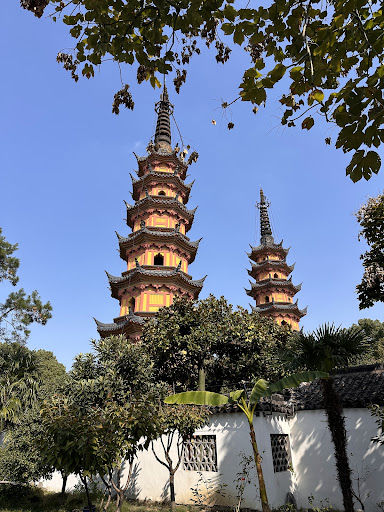
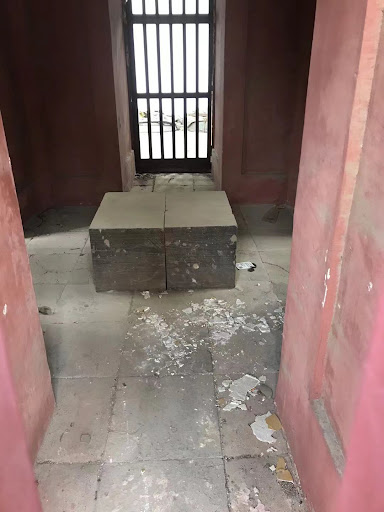
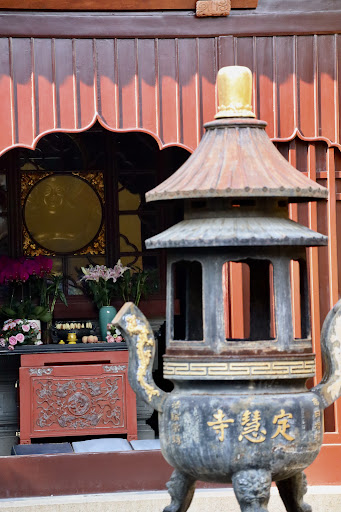
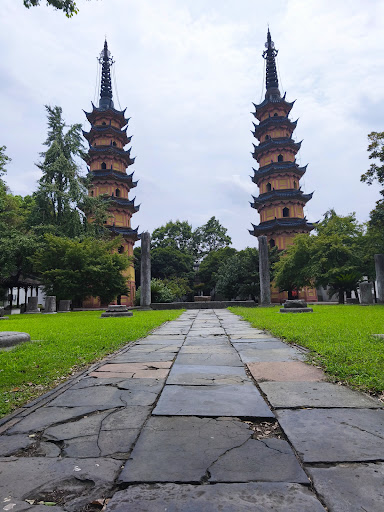
双塔 things to do, attractions, restaurants, events info and trip planning
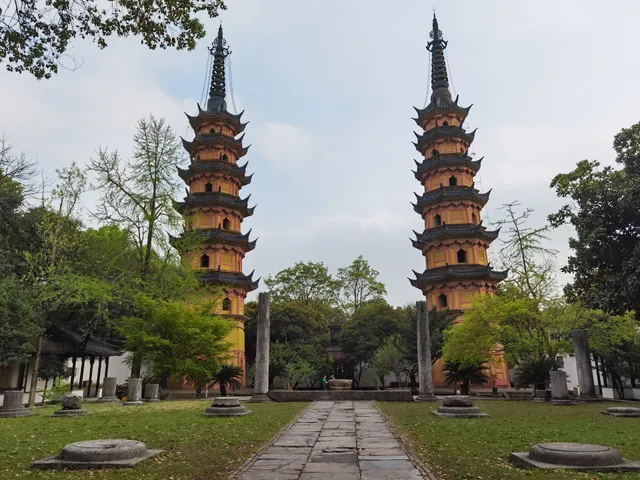
Basic Info
双塔
8J4M+JFW, Dinghuisi Ln, Gusu District, Suzhou, Jiangsu, China, 215005
4.5(22)
Open 24 hours
Save
spot
spot
Ratings & Description
Info
Cultural
Scenic
attractions: Suzhou Pingjiang History Culture Quarters, Suzhou Park (West Gate), Xiangmen Ancient City Wall (West Gate), Suzhou Museum of Opera and Theatre, China Kunqu Museum, Xuanmiao Temple, Master of the Nets Garden, restaurants: DRUNKEN CHEF, Aobanian Taiwan Hot Pot Ganjiangdian, Starbucks Coffee, Guting Restaurant, Ji Coffee, 鱼食饭稻土灶馆, Sabai Sabai Cafe, Xishengyuan, Fox's Home Cafe, 老苏州大客堂, local businesses: Shuang Ta, Shuangta Fair Trade Market, Guanqian Street, China Kunqu Museum
 Learn more insights from Wanderboat AI.
Plan your stay

Pet-friendly Hotels in Suzhou City
Find a cozy hotel nearby and make it a full experience.

Affordable Hotels in Suzhou City
Find a cozy hotel nearby and make it a full experience.

The Coolest Hotels You Haven't Heard Of (Yet)
Find a cozy hotel nearby and make it a full experience.

Trending Stays Worth the Hype in Suzhou City
Find a cozy hotel nearby and make it a full experience.
Reviews
Nearby attractions of 双塔
Suzhou Pingjiang History Culture Quarters
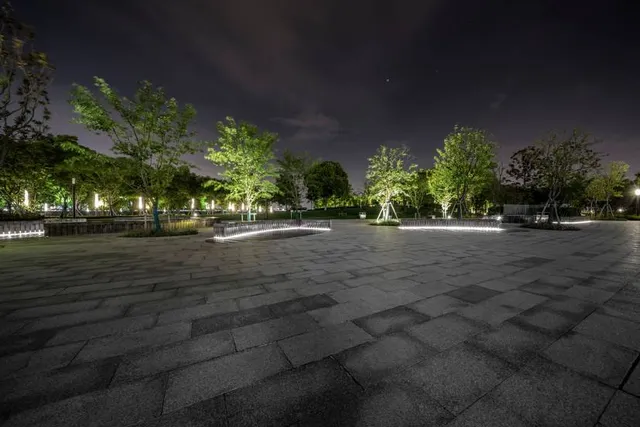
Suzhou Park (West Gate)
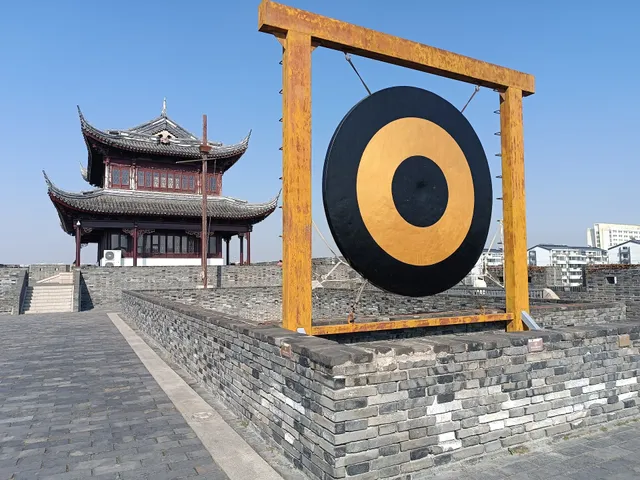
Xiangmen Ancient City Wall (West Gate)
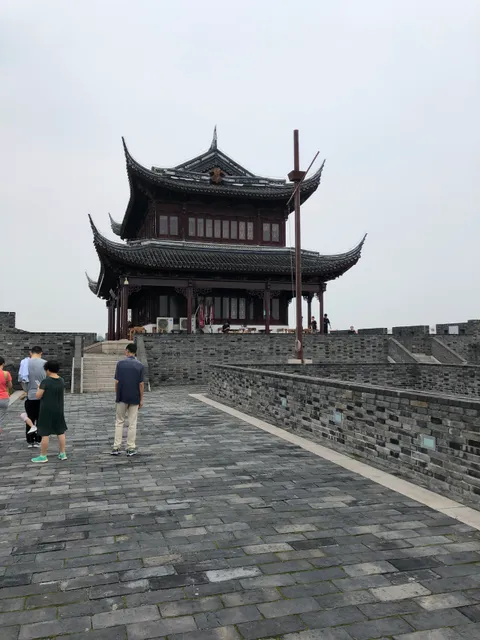
Suzhou Museum of Opera and Theatre
China Kunqu Museum
Xuanmiao Temple
Master of the Nets Garden

Suzhou Pingjiang History Culture Quarters
4.5
(121)
Open 24 hours
Click for details
Suzhou Park (West Gate)
4.5
(16)
Open 24 hours
Click for details
Xiangmen Ancient City Wall (West Gate)
4.5
(31)
Open 24 hours
Click for details
Suzhou Museum of Opera and Theatre
4.3
(14)
Open 24 hours
Click for details
Nearby restaurants of 双塔
DRUNKEN CHEF
Aobanian Taiwan Hot Pot Ganjiangdian
Starbucks Coffee
Guting Restaurant
Ji Coffee
鱼食饭稻土灶馆
Sabai Sabai Cafe
Xishengyuan
Fox's Home Cafe
老苏州大客堂

DRUNKEN CHEF
4.0
(1)
Click for details
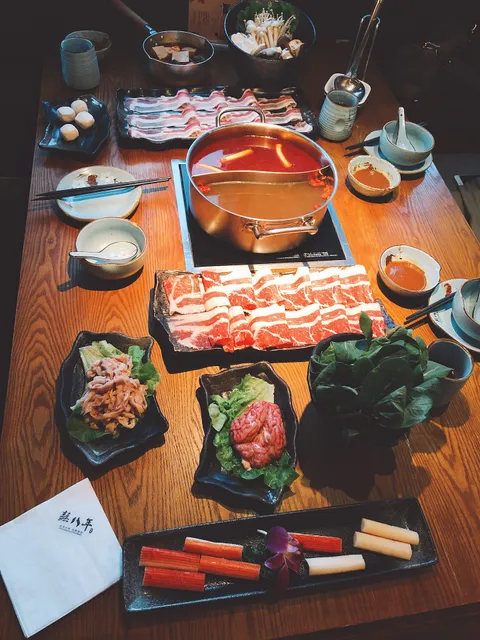
Aobanian Taiwan Hot Pot Ganjiangdian
3.0
(1)
Click for details
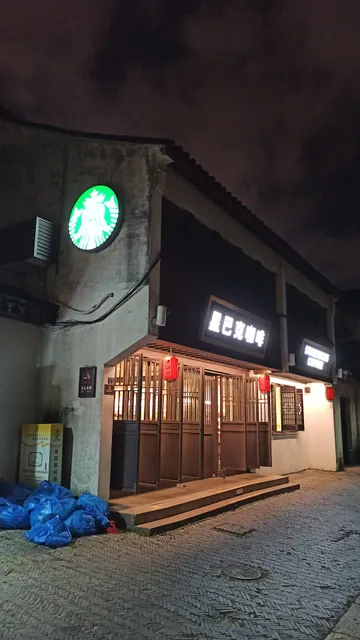
Starbucks Coffee
3.9
(13)
$$
Closed
Click for details
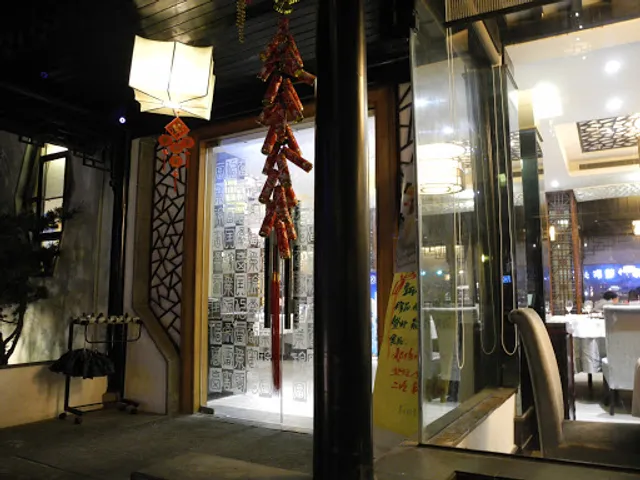
Guting Restaurant
3.8
(4)
Click for details
Nearby local services of 双塔
Shuang Ta
Shuangta Fair Trade Market
Guanqian Street
China Kunqu Museum
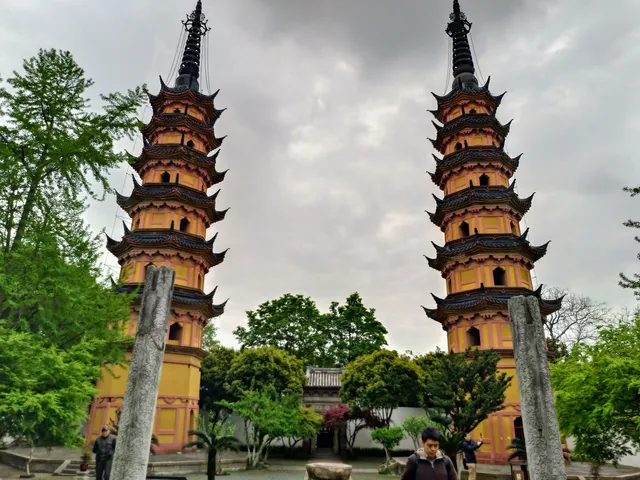
Shuang Ta
4.4
(13)
Click for details
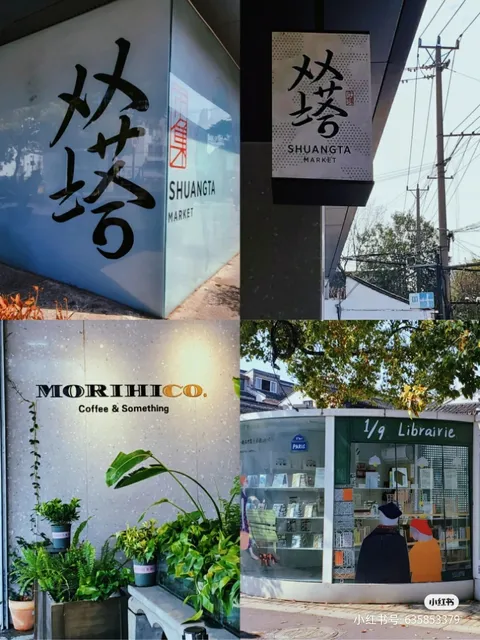
Shuangta Fair Trade Market
4.3
(10)
Click for details
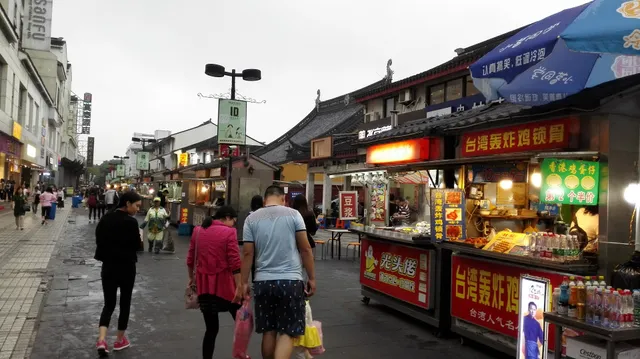
Guanqian Street
4.3
(13)
Click for details
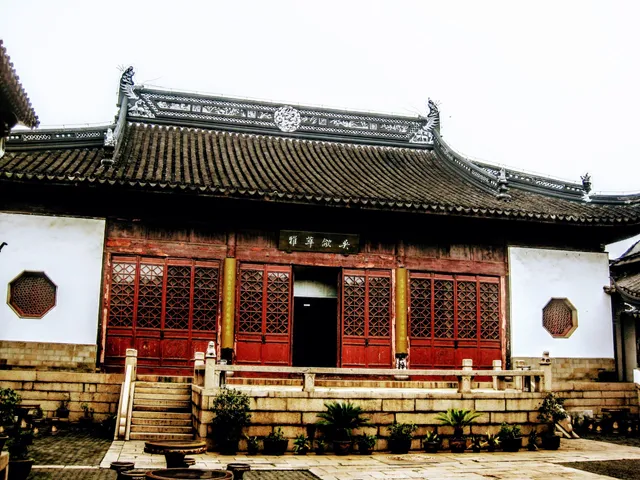
China Kunqu Museum
4.3
(9)
Click for details