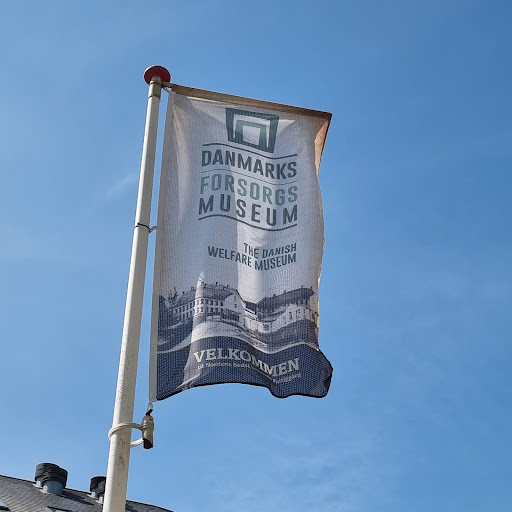
While visiting Svendborg, we made a stop at Danmarks Forsorgsmuseum, and it turned out to be one of the most interesting and thought-provoking museums we've visited in Denmark. It's truly worth a visit for anyone curious about the lesser-known chapters of the country’s social history.
From the moment we arrived, we were warmly welcomed by a thorough and engaging receptionist, who took the time to explain what to expect from the visit and how best to navigate the museum. The map and overview helped a lot and set the tone for a meaningful experience.
The highlight for us was the exhibition on “The Seven Poor Children”, which powerfully amplified the voices and stories of those on the margins of Danish society. It was deeply moving and carried a much-needed narrative that is too often underrepresented in mainstream history.
Overall, the museum is well-curated and thoughtfully interactive, providing space for reflection and engagement. That said, we’d like to share a few points for potential improvement:
The English name of the museum – “Welfare Museum” – can be a bit misleading, as “forsorg” in Danish refers more specifically to state-run social care and institutionalization. Perhaps a more accurate name in English would be “The Danish Social Care Museum” to better reflect the focus.
While the personal stories of former residents are powerful and absolutely worth sharing, we found the amount of narrative material a bit overwhelming at times. A more balanced presentation might help ensure their voices are fully heard without fatigue.
We would have appreciated more historical context about the building itself—its transformation over the years and its role within the broader system of Danish social care.
Lastly, we felt the 2019 state apology by the Danish Prime Minister deserved more emphasis than just a photo at the end. It’s a significant national acknowledgment, and placing it more centrally could underline the importance of confronting past injustices.
Despite these minor points, our visit was truly impactful. We highly recommend Danmarks Forsorgsmuseum to anyone interested in exploring the human stories behind Denmark’s social history. It’s a museum that challenges, informs, and...
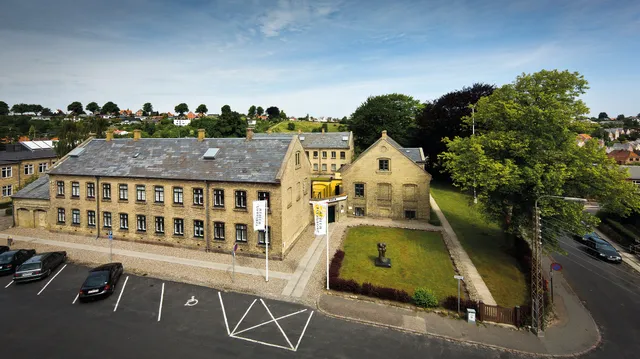
Read moreUntil 1974, these buildings housed the poor and the socially challenged people of Svendborg and the surrounding areas. People like prostitutes, orphans, neglected children, criminals and other humans on the edge of society
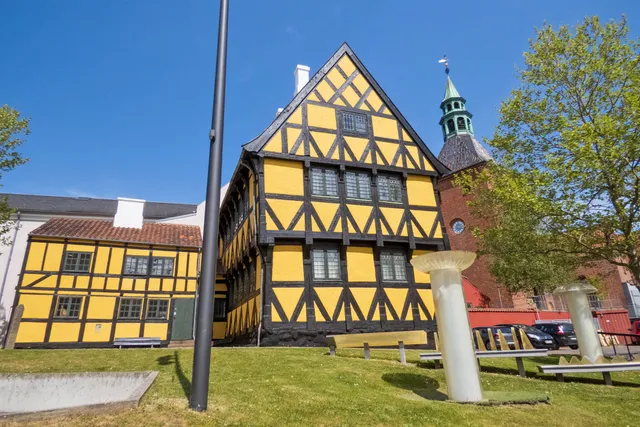
The house was build in 1871-72 and there are so many of the original effects that are kept.
You can scan the QR codes and listen to the stories of the people who use to live there. Don’t forget to walk around the building and experience the herb garden.
An important story of the danish poorhouse and how tough the people’s lives were.
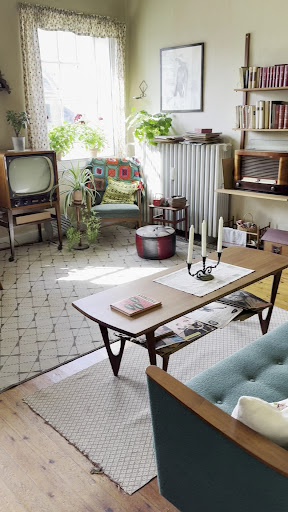
On the first floor, you can experience the apartement of the former attendant/superviser. The apartement stands as it did in the 1950s.
If you go to the men’s departement, the dining room is also original with all furniture and even the plants from 1974!
You can bring your own lunch and eat in the cosy yard. The little shop sells snacks, local organic ice cream and soda.
Definitely,...
Read morePersonlige historier om mennesker der ikke er blevet behandlet retfærdigt, rammer mig altid. Derfor var det også en følsom affære at besøge Forsorgsmuseet i Svendborg.
Udstillingen ramte mig, fra start til slut. Ved indgangen var damen i billetsalget god til at give os et overblik over hele udstillingen: Hvor vi skulle starte og hvordan udstillingen var delt op i emner, og hvad vi skulle være opmærksomme på. Det gjorde oplevelsen bedre og nemmere at forstå.
Vi startede med at ryge tilbage i en tidslomme, hvor vi fik fortalt en hjerteskærende historie og et par der fik 9 børn - og om hvordan forældrene og 7 af børnene (dem der overlevede) gik igennem nogle sindssygt hårde liv. Det er slet ikke til at fatte, hvad mennesker for blot 80-150 år siden har måtte lægge liv til, hvis f.eks. de kæmpede med udfordringer såsom fattigdom, ADHD, autisme eller andre psykiske udfordringer. Hvordan børn på 11 år f.eks. kunne ryge i fængsel eller blive pisket hvis ikke de opførte sig ordentligt. Hvordan kvinder kunne ende med at prostituere sig for at overleve, og sågar bo på bordellet med deres barn.
Jeg kan slet ikke gengive alt det der gik igennem mig af følelser og tanker, da jeg besøgte udstillingen. Men jeg kan fortælle, at der kom et sted, hvor jeg simpelthen fik tårer i øjnene. Fordi jeg prøvede at sætte mig i kvinden/moderens sted. Hun havde været så grueligt meget igennem, hvor hun også på et tidspunk må give 6 af sine 7 børn væk..... til forsorgen. Og så ender hun på bordel, hvor hun har det mindste barn med.
Forsorgen i Danmark er blevet bedre, men der er stadig noget vej at gå. Der er stadig omsorgssvigt også fra vores system.
Jeg har taget nogle billeder af nogle citater der ramte mig.
Det er to dage siden jeg så udstillingen og jeg er stadig 'ramt' af den.
Tak for jeres store arbejde med at sætte sådan en god udstilling op, men sådan et vigtigt emne.
Et lille minus. Der var nogle super fine film, der hørte sammen med udstillingen om familien med de 7 børn. De kørte automatisk, non stop, med 3 minutters pause mellem hver film. Det gjorde det meget svært at se filmene fra start af - og at få det timet så det passede med alt det man gik og læste, så fotos af osv., som passede til det videoen viste.
Det ville have været smartere, hvis man kunne trykke på en knap og starte filmen (forfra), når man havde...
Read more