Omaha Beach Memorial things to do, attractions, restaurants, events info and trip planning
Basic Info
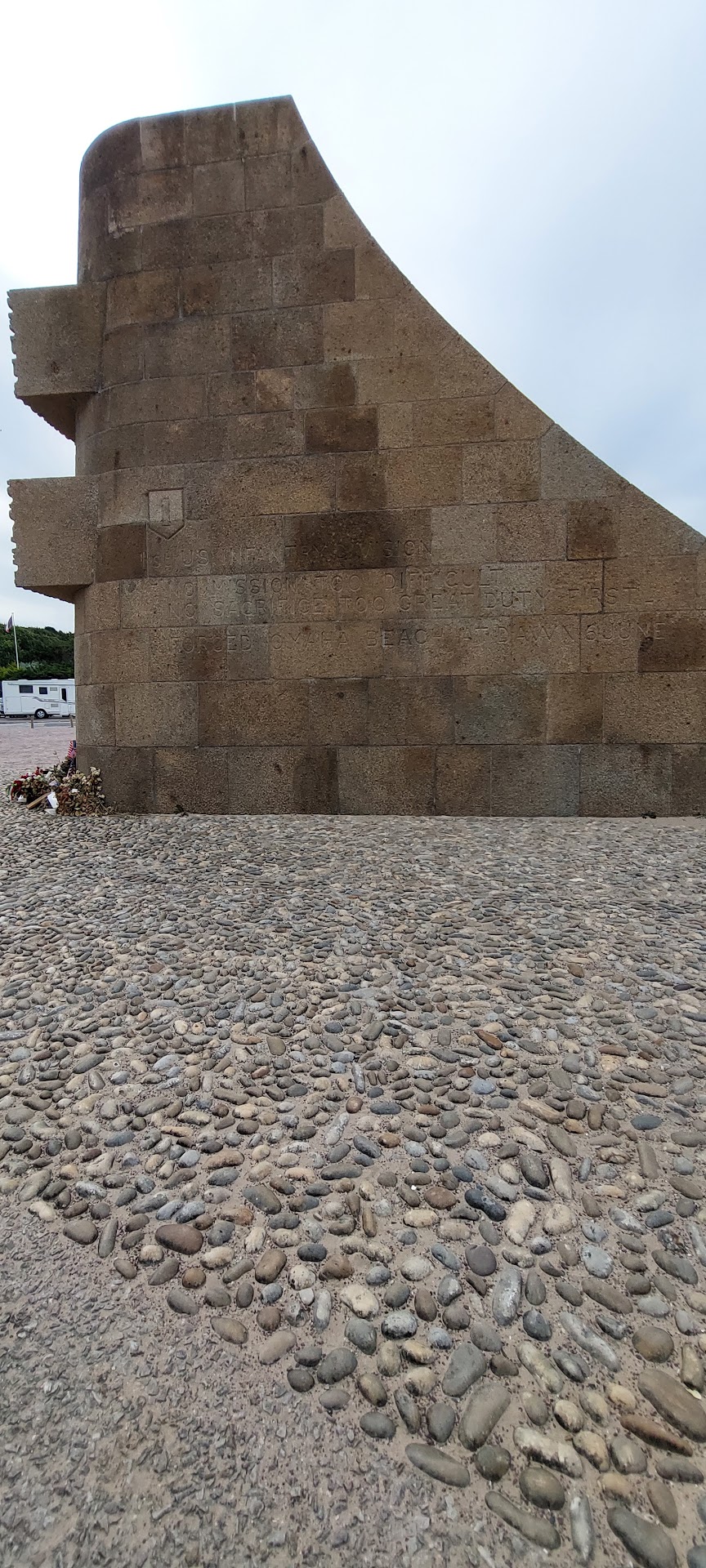
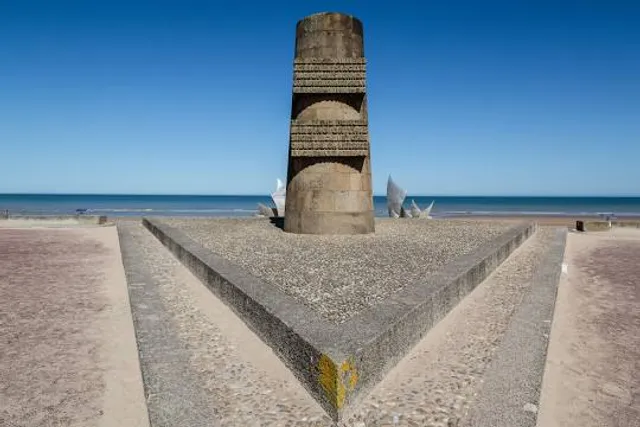
Omaha Beach Memorial
Av. de la Libération, 14710 Saint-Laurent-sur-Mer, France
4.6(6K)
Open until 12:00 AM

tickets
Save
spot
spot
Ratings & Description
Info
Cultural
Outdoor
Family friendly
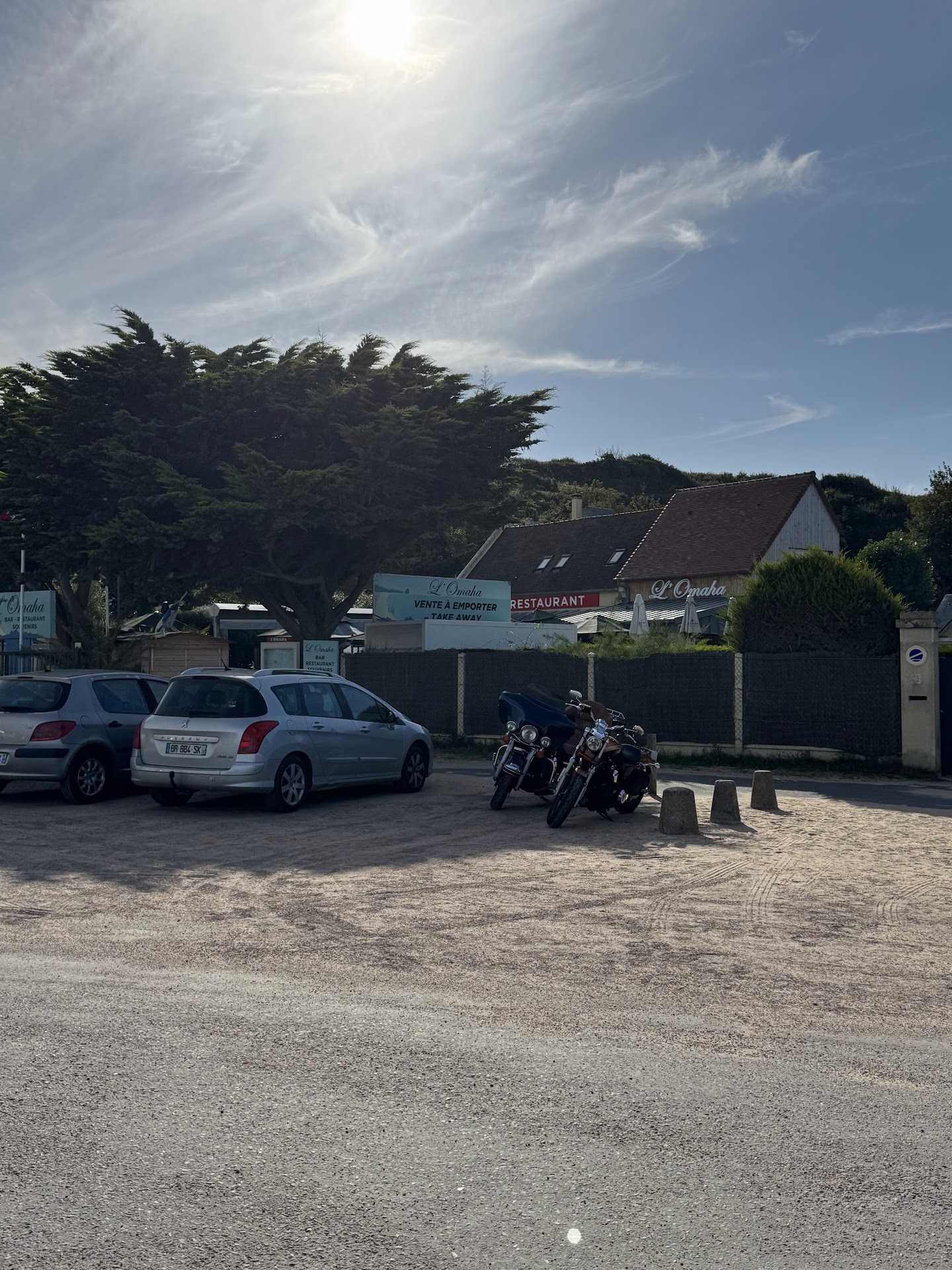
attractions: Les Braves, Memorial Museum of Omaha Beach, Omaha Beach, Emplacement du 1er CIMETIÈRE US en Normandie, restaurants: L'Omaha, D-DAY House - Restaurant Bar, Jo's Truck, Creperie truck, local businesses:
 Learn more insights from Wanderboat AI.
Phone
+33 2 31 21 97 44
Website
musee-memorial-omaha.com
Open hoursSee all hours
TueOpen 24 hoursOpen
Plan your stay

Pet-friendly Hotels in Bayeux
Find a cozy hotel nearby and make it a full experience.

Affordable Hotels in Bayeux
Find a cozy hotel nearby and make it a full experience.

The Coolest Hotels You Haven't Heard Of (Yet)
Find a cozy hotel nearby and make it a full experience.

Trending Stays Worth the Hype in Bayeux
Find a cozy hotel nearby and make it a full experience.
Reviews
Live events
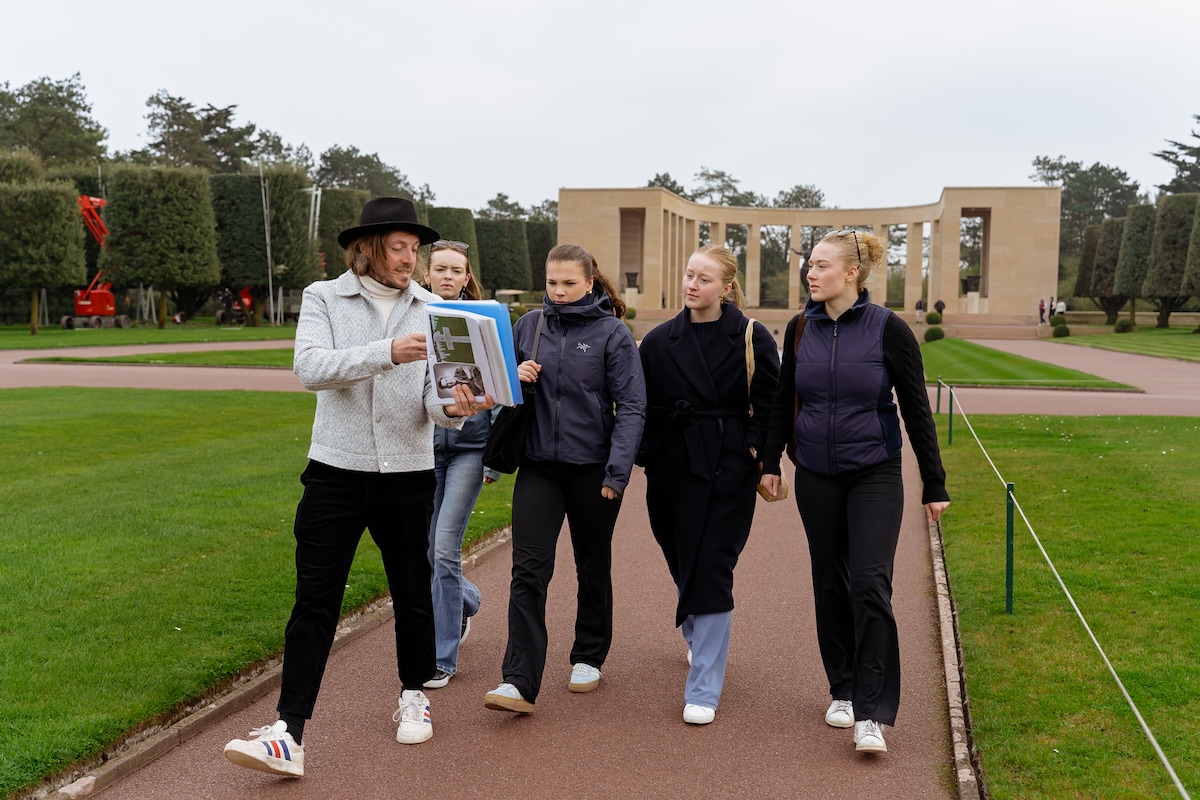
D-Day Tour
Wed, Feb 25 • 8:30 AM
14400, Bayeux, France
View details
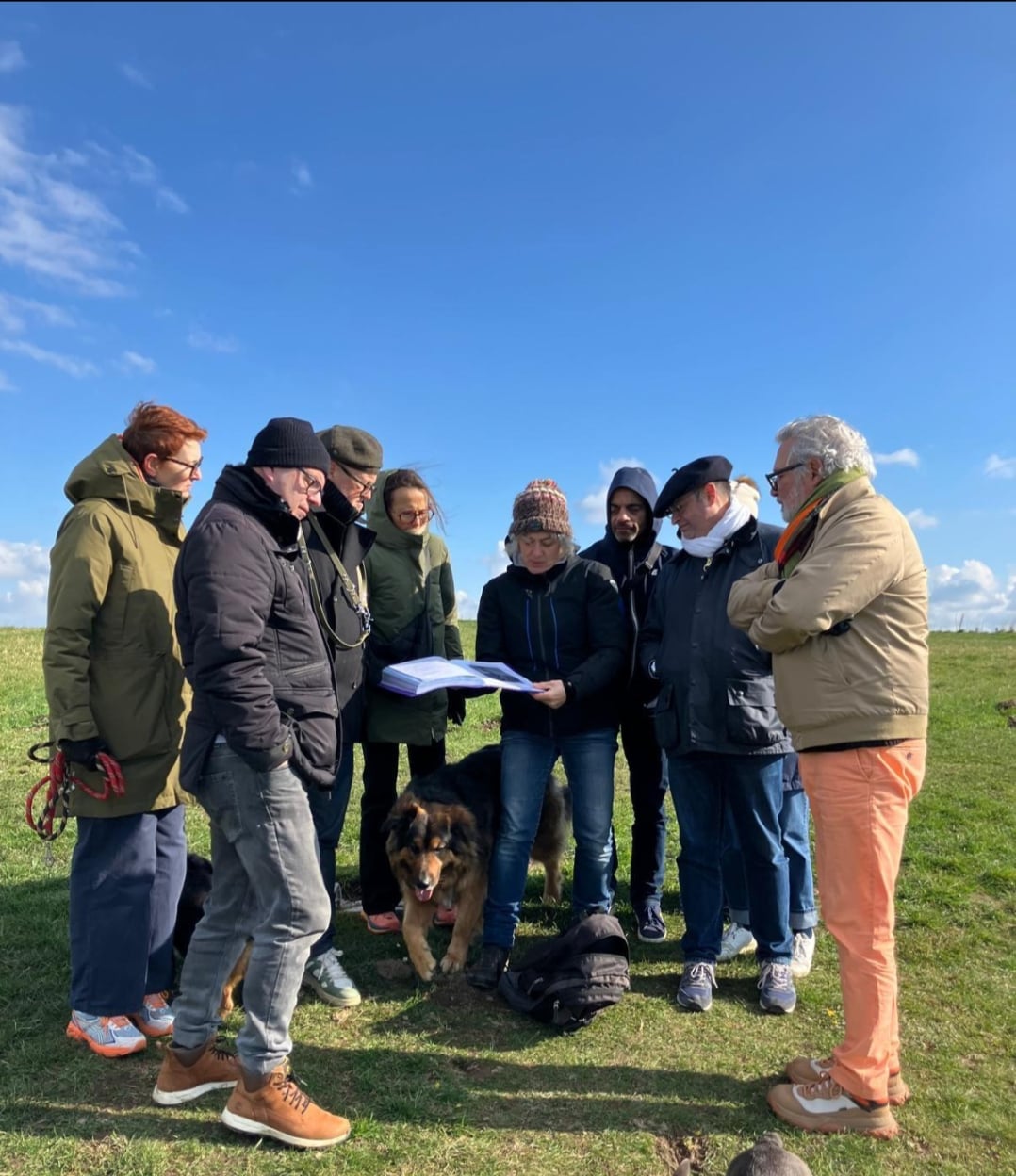
Omaha beach explorers
Wed, Feb 25 • 9:30 AM
14710, Saint-Laurent-sur-Mer, France
View details
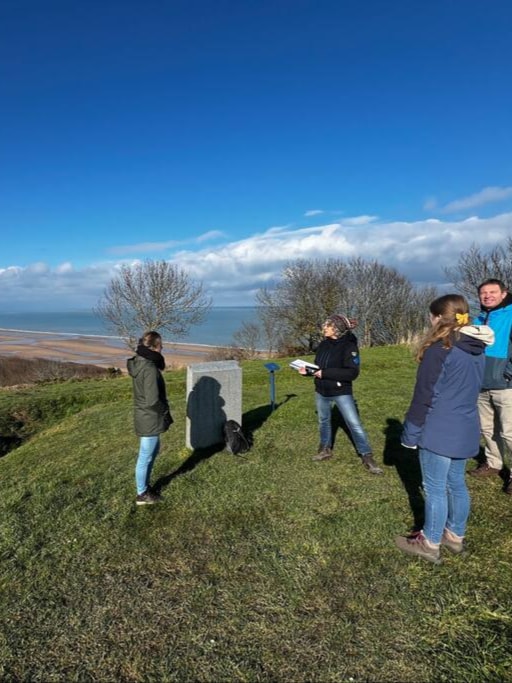
Omaha Beach /American Cemetery/Pointe du Hoc
Wed, Feb 25 • 2:00 PM
14710, Colleville-sur-Mer, France
View details
Nearby attractions of Omaha Beach Memorial
Les Braves
Memorial Museum of Omaha Beach
Omaha Beach
Emplacement du 1er CIMETIÈRE US en Normandie

Les Braves
4.7
(129)
Open until 12:00 AM
Click for details
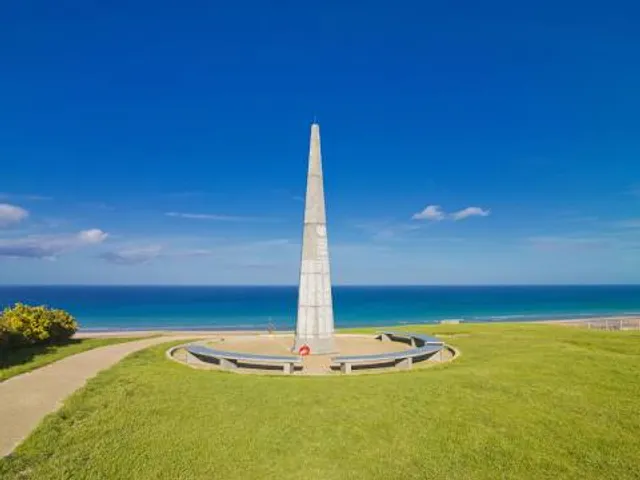
Memorial Museum of Omaha Beach
4.6
(2.5K)
Open 24 hours
Click for details

Omaha Beach
4.7
(2.8K)
Open 24 hours
Click for details
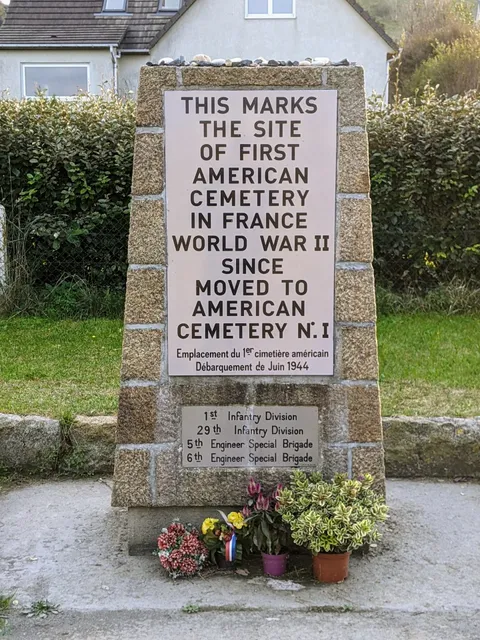
Emplacement du 1er CIMETIÈRE US en Normandie
4.6
(89)
Open until 12:00 AM
Click for details
Nearby restaurants of Omaha Beach Memorial
L'Omaha
D-DAY House - Restaurant Bar
Jo's Truck
Creperie truck
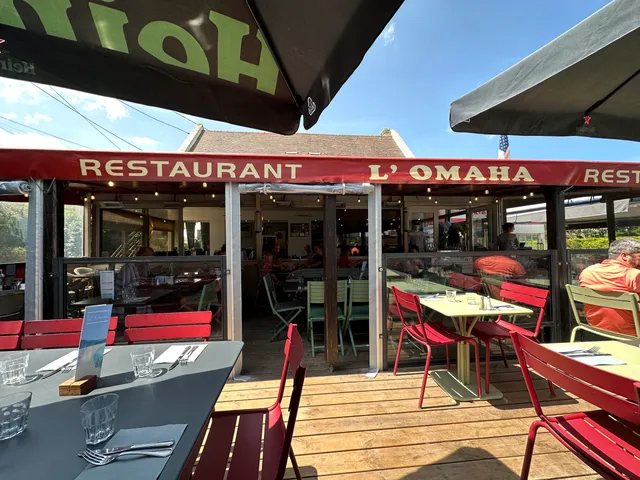
L'Omaha
4.0
(1.1K)
Click for details
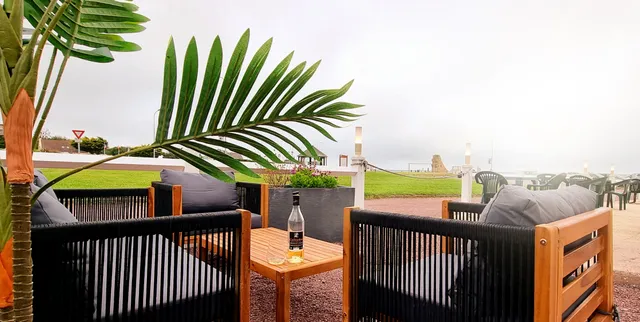
D-DAY House - Restaurant Bar
3.7
(681)
Click for details
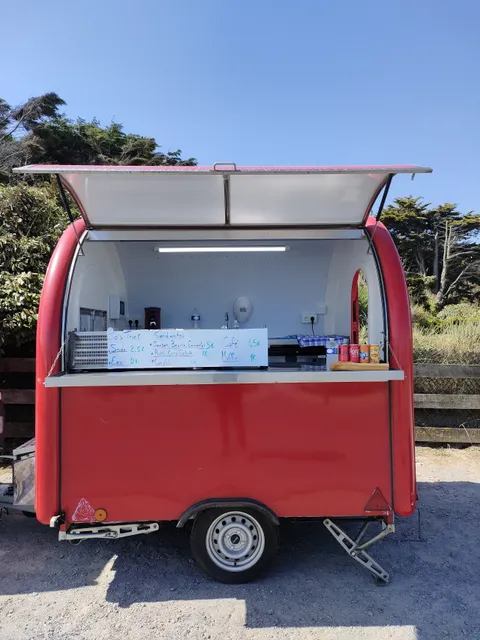
Jo's Truck
5.0
(62)
Click for details
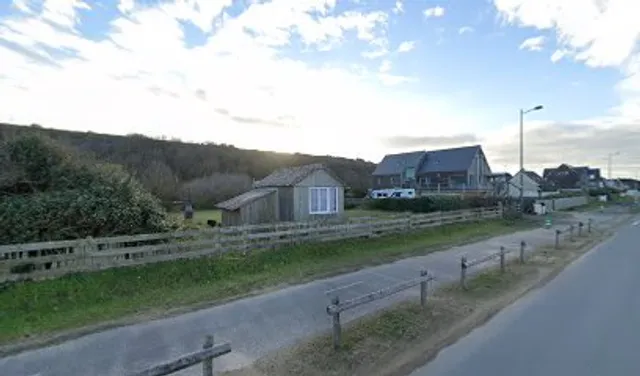
Creperie truck
4.0
(5)
Closed
Click for details