HTML SitemapExplore
logo
Find Things to DoFind The Best Restaurants

Abbatiale Saint-Volusien de Foix — Attraction in Foix

Name
Abbatiale Saint-Volusien de Foix
Description
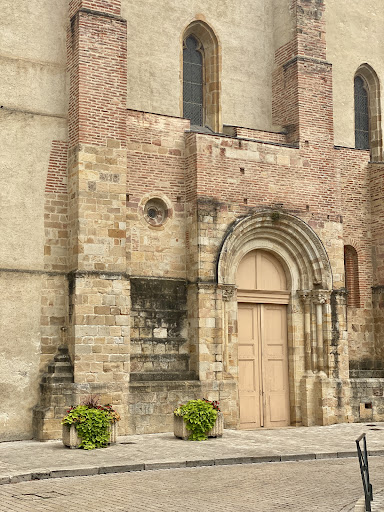
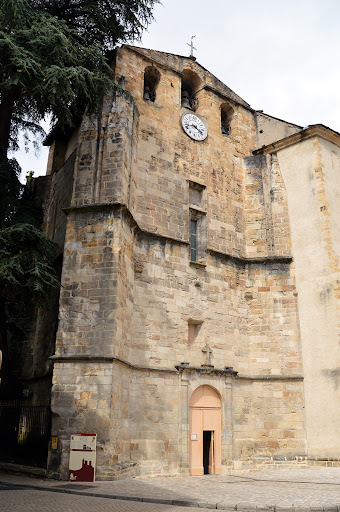
The Church of Saint-Volusien is an abbatial church in Foix, Ariège in southwestern France. It already existed in the 12th century and was re-built and renovated several times.
Nearby attractions
Foix Castle
Place du Palais de Justice, 09000 Foix, France
Nearby restaurants
Café du commerce
9 Pl. Saint-Volusien, 09000 Foix, France
Le Passe Temps
21 Rue des Marchands, 09000 Foix, France
Restaurant Brasserie de la Fourche
6 Rue du Rival, 09000 Foix, France
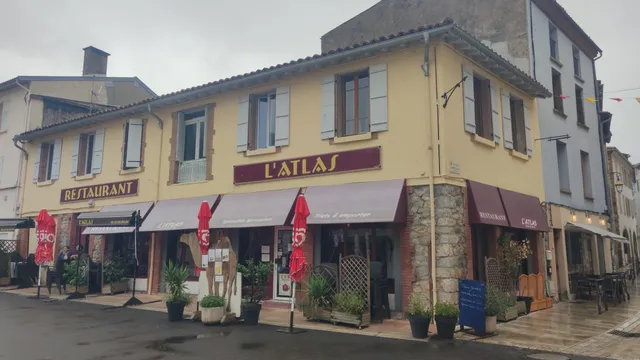
Restaurant L'Atlas
14 Pl. Pyrène, 09000 Foix, France
Guarana
3 Rue de la Faurie, 09000 Foix, France
Con Art
11 Rue de l'Arget, 09000 Foix, France
Le Jeu de l'Oie
17 Rue de la Faurie, 09000 Foix, France
La Perlotte du Phoebus
3 Cr Irénée Cros, 09000 Foix, France
Au Grilladou
7 Rue de la Faurie, 09000 Foix, France
Le Chat Chapeauté
24 Rue des Chapeliers, 09000 Foix, France
Nearby hotels
Hotel Lons
6 Place Georges Dutilh, 09000 Foix, France
L'Arche des Chapeliers Chambres d'hôtes
25 Rue des Chapeliers, 09000 Foix, France
Chambre d'hôtes A la Mirandole
4 Rue de la Mirandole, 09000 Foix, France
AUX 4 LOGIS - FOIX
14 Cr Irénée Cros, 09000 Foix, France
Castle Spa
28 Cr Bouycheres, 09000 Foix, France
Related posts
Keywords
Abbatiale Saint-Volusien de Foix tourism.Abbatiale Saint-Volusien de Foix hotels.Abbatiale Saint-Volusien de Foix bed and breakfast. flights to Abbatiale Saint-Volusien de Foix.Abbatiale Saint-Volusien de Foix attractions.Abbatiale Saint-Volusien de Foix restaurants.Abbatiale Saint-Volusien de Foix travel.Abbatiale Saint-Volusien de Foix travel guide.Abbatiale Saint-Volusien de Foix travel blog.Abbatiale Saint-Volusien de Foix pictures.Abbatiale Saint-Volusien de Foix photos.Abbatiale Saint-Volusien de Foix travel tips.Abbatiale Saint-Volusien de Foix maps.Abbatiale Saint-Volusien de Foix things to do.
Abbatiale Saint-Volusien de Foix things to do, attractions, restaurants, events info and trip planning
Abbatiale Saint-Volusien de Foix
FranceOccitaniaFoixAbbatiale Saint-Volusien de Foix

Basic Info

Abbatiale Saint-Volusien de Foix

Pl. Saint-Volusien, 09000 Foix, France
4.4(127)
Open 24 hours
Save
spot

Ratings & Description

Info

The Church of Saint-Volusien is an abbatial church in Foix, Ariège in southwestern France. It already existed in the 12th century and was re-built and renovated several times.

Cultural
Scenic
Accessibility
attractions: Foix Castle, restaurants: Café du commerce, Le Passe Temps, Restaurant Brasserie de la Fourche, Restaurant L'Atlas, Guarana, Con Art, Le Jeu de l'Oie, La Perlotte du Phoebus, Au Grilladou, Le Chat Chapeauté
logoLearn more insights from Wanderboat AI.
Phone
+33 5 61 65 02 17
Website
ariege-catholique.fr

Plan your stay

hotel
Pet-friendly Hotels in Foix
Find a cozy hotel nearby and make it a full experience.

hotel
Affordable Hotels in Foix
Find a cozy hotel nearby and make it a full experience.

hotel
The Coolest Hotels You Haven't Heard Of (Yet)
Find a cozy hotel nearby and make it a full experience.

hotel
Trending Stays Worth the Hype in Foix
Find a cozy hotel nearby and make it a full experience.

Reviews

Nearby attractions of Abbatiale Saint-Volusien de Foix

Foix Castle
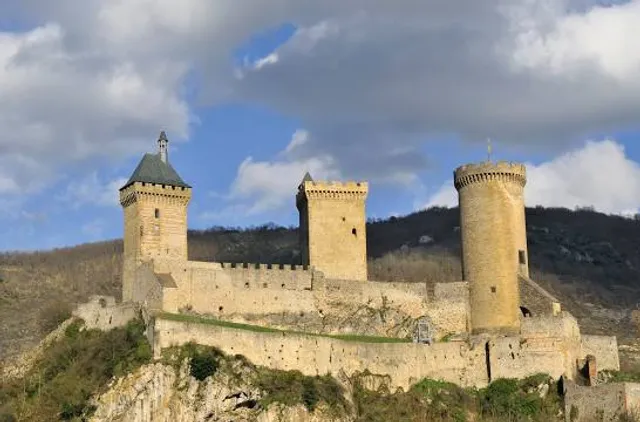
Foix Castle

Foix Castle

4.4

(3.3K)

Open until 6:00 PM
Click for details

Things to do nearby

Soirée RedCactus Poker X Maxil Café à MASSAT (09)
Tue, Dec 9 • 7:30 PM
4 Rue des Faurs, 09320 Massat
View details
Rando Night – Semi de Noël (21 km) – Foulées Pamiers
Fri, Dec 12 • 6:30 PM
Rue du Chandelet, 09100 Pamiers
View details

Nearby restaurants of Abbatiale Saint-Volusien de Foix

Café du commerce

Le Passe Temps

Restaurant Brasserie de la Fourche

Restaurant L'Atlas

Guarana

Con Art

Le Jeu de l'Oie

La Perlotte du Phoebus

Au Grilladou

Le Chat Chapeauté

Café du commerce

Café du commerce

4.4

(147)

Click for details
Le Passe Temps

Le Passe Temps

4.6

(177)

$

Click for details
Restaurant Brasserie de la Fourche

Restaurant Brasserie de la Fourche

4.7

(325)

Click for details
Restaurant L'Atlas

Restaurant L'Atlas

4.5

(284)

Click for details
Get the Appoverlay
Get the AppOne tap to find yournext favorite spots!
Wanderboat LogoWanderboat

Your everyday Al companion for getaway ideas

CompanyAbout Us
InformationAI Trip PlannerSitemap
SocialXInstagramTiktokLinkedin
LegalTerms of ServicePrivacy Policy

Get the app

© 2025 Wanderboat. All rights reserved.
logo

Reviews of Abbatiale Saint-Volusien de Foix

4.4
(127)
avatar
5.0
17w

Historical Facts: • Founded in the 9th century, rebuilt in the 12th century in Romanesque style. • Dedicated to Saint Volusien, a 5th-century bishop of Tours. • It became a Benedictine abbey, which played a major religious and cultural role in the region. • Damaged during the Wars of Religion and later during the French Revolution—the abbey lost much of its monastic structure.

⸻

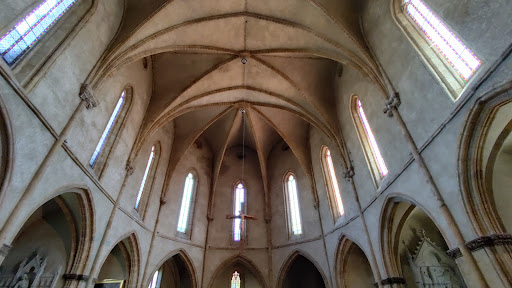
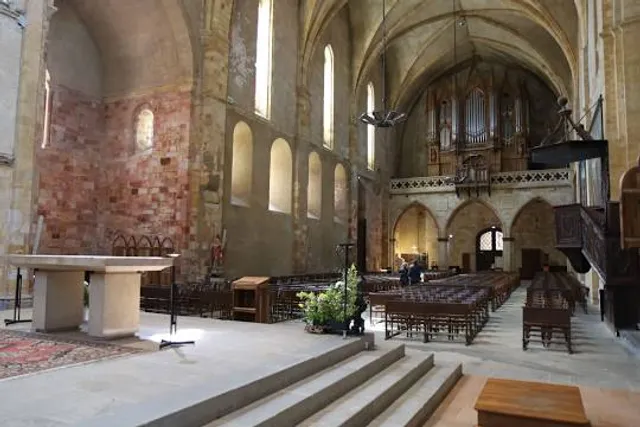
Architecture: • Romanesque base with Gothic and later renovations, especially in the 14th and 17th centuries. • The current building includes a large nave, massive pillars, and pointed arches, with a relatively austere interior. • The bell tower was rebuilt in the 19th century.

⸻

Cultural Role: • Hosts concerts and events, especially during summer festivals. • It’s a key stop on the heritage trail of Foix, located near the medieval heart of the city and below the famous Château de Foix.

⸻

Religious Use Today: • Still an active parish church, and used for local Catholic services...

   Read more
avatar
4.0
1y

Abbaye Saint-Volusien de Foix

El monestir de Sant Volusià és esmentat en un document de Carles el Calb del 870, i situa la seva fundació en una època anterior. Es va dedicar al sant bisbe de Tours, que va morir en a aquestes terres el 495, camí de l’exili. Considerat màrtir, les seves relíquies eren molt venerades a l’església dels Sants Cels i Nazari.

El comte Roger II de Foix va ordenar la construcció d’una nova església amb motiu d’una prometença feta poc abans de marxar cap la Primera Croada. Aquesta església, ja dedicada a sant Volusià, fou consagrada el 1112, efectuant el trasllat de les relíquies del sant titular des de Sant Nazari a la cripta de la nova església. Des del 1104 l’establiment, fins llavors benedictí, va adoptar la regla de sant Agustí.

Cap el 1300 es va refer l’església gràcies a la voluntat de Roger Bernat III, comte de Foix entre el 1265 i 1302.

El 1440, sota l’abadiat de Pere III, una butlla del papa Eugeni IV fa que el nombre de canonges passi de divuit a dotze per mor de la mala situació econòmica.

A causa de les Guerres de Religió el monestir fou destruït, i les relíquies del sant llençades. La reconstrucció va començar el 1609. La vida del monestir va acabar amb la Revolució, els seus béns foren venuts (1793), i per acabar-ho d’enllestir, el 1804 va patir un incendi. Les dependències monàstiques estan ara ocupades per un organisme oficial i l’església té la categoria de parroquial.

Font:...

   Read more
avatar
4.0
2y

Beautiful Abbey with a rich history. Unfortunately (and again) the French Revolution caused the end of monastical life. All Abbey buildings except for thé church are in possession of the State (and well used). The abbatial itself is worth a visit. Tranquil place with some beautiful artwork. Restaurer in the early years of this century. Accessible....

   Read more
Page 1 of 7
Previous
Next

Posts

Philippe QuentinPhilippe Quentin
Historical Facts: • Founded in the 9th century, rebuilt in the 12th century in Romanesque style. • Dedicated to Saint Volusien, a 5th-century bishop of Tours. • It became a Benedictine abbey, which played a major religious and cultural role in the region. • Damaged during the Wars of Religion and later during the French Revolution—the abbey lost much of its monastic structure. ⸻ Architecture: • Romanesque base with Gothic and later renovations, especially in the 14th and 17th centuries. • The current building includes a large nave, massive pillars, and pointed arches, with a relatively austere interior. • The bell tower was rebuilt in the 19th century. ⸻ Cultural Role: • Hosts concerts and events, especially during summer festivals. • It’s a key stop on the heritage trail of Foix, located near the medieval heart of the city and below the famous Château de Foix. ⸻ Religious Use Today: • Still an active parish church, and used for local Catholic services and ceremonies.
Pere FolchPere Folch
Abbaye Saint-Volusien de Foix El monestir de Sant Volusià és esmentat en un document de Carles el Calb del 870, i situa la seva fundació en una època anterior. Es va dedicar al sant bisbe de Tours, que va morir en a aquestes terres el 495, camí de l’exili. Considerat màrtir, les seves relíquies eren molt venerades a l’església dels Sants Cels i Nazari. El comte Roger II de Foix va ordenar la construcció d’una nova església amb motiu d’una prometença feta poc abans de marxar cap la Primera Croada. Aquesta església, ja dedicada a sant Volusià, fou consagrada el 1112, efectuant el trasllat de les relíquies del sant titular des de Sant Nazari a la cripta de la nova església. Des del 1104 l’establiment, fins llavors benedictí, va adoptar la regla de sant Agustí. Cap el 1300 es va refer l’església gràcies a la voluntat de Roger Bernat III, comte de Foix entre el 1265 i 1302. El 1440, sota l’abadiat de Pere III, una butlla del papa Eugeni IV fa que el nombre de canonges passi de divuit a dotze per mor de la mala situació econòmica. A causa de les Guerres de Religió el monestir fou destruït, i les relíquies del sant llençades. La reconstrucció va començar el 1609. La vida del monestir va acabar amb la Revolució, els seus béns foren venuts (1793), i per acabar-ho d’enllestir, el 1804 va patir un incendi. Les dependències monàstiques estan ara ocupades per un organisme oficial i l’església té la categoria de parroquial. Font: Monestirs.Cat
Dirk SmitsDirk Smits
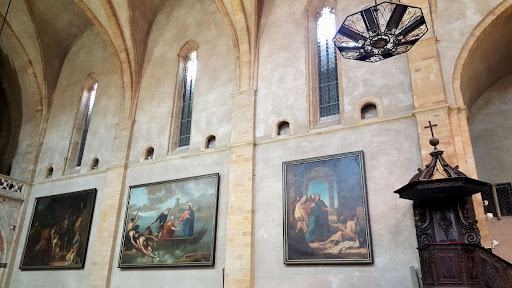
Beautiful Abbey with a rich history. Unfortunately (and again) the French Revolution caused the end of monastical life. All Abbey buildings except for thé church are in possession of the State (and well used). The abbatial itself is worth a visit. Tranquil place with some beautiful artwork. Restaurer in the early years of this century. Accessible. Free entrance.
See more posts
See more posts
hotel
Find your stay

Pet-friendly Hotels in Foix

Find a cozy hotel nearby and make it a full experience.

Historical Facts: • Founded in the 9th century, rebuilt in the 12th century in Romanesque style. • Dedicated to Saint Volusien, a 5th-century bishop of Tours. • It became a Benedictine abbey, which played a major religious and cultural role in the region. • Damaged during the Wars of Religion and later during the French Revolution—the abbey lost much of its monastic structure. ⸻ Architecture: • Romanesque base with Gothic and later renovations, especially in the 14th and 17th centuries. • The current building includes a large nave, massive pillars, and pointed arches, with a relatively austere interior. • The bell tower was rebuilt in the 19th century. ⸻ Cultural Role: • Hosts concerts and events, especially during summer festivals. • It’s a key stop on the heritage trail of Foix, located near the medieval heart of the city and below the famous Château de Foix. ⸻ Religious Use Today: • Still an active parish church, and used for local Catholic services and ceremonies.
Philippe Quentin

Philippe Quentin

hotel
Find your stay

Affordable Hotels in Foix

Find a cozy hotel nearby and make it a full experience.

Get the Appoverlay
Get the AppOne tap to find yournext favorite spots!
Abbaye Saint-Volusien de Foix El monestir de Sant Volusià és esmentat en un document de Carles el Calb del 870, i situa la seva fundació en una època anterior. Es va dedicar al sant bisbe de Tours, que va morir en a aquestes terres el 495, camí de l’exili. Considerat màrtir, les seves relíquies eren molt venerades a l’església dels Sants Cels i Nazari. El comte Roger II de Foix va ordenar la construcció d’una nova església amb motiu d’una prometença feta poc abans de marxar cap la Primera Croada. Aquesta església, ja dedicada a sant Volusià, fou consagrada el 1112, efectuant el trasllat de les relíquies del sant titular des de Sant Nazari a la cripta de la nova església. Des del 1104 l’establiment, fins llavors benedictí, va adoptar la regla de sant Agustí. Cap el 1300 es va refer l’església gràcies a la voluntat de Roger Bernat III, comte de Foix entre el 1265 i 1302. El 1440, sota l’abadiat de Pere III, una butlla del papa Eugeni IV fa que el nombre de canonges passi de divuit a dotze per mor de la mala situació econòmica. A causa de les Guerres de Religió el monestir fou destruït, i les relíquies del sant llençades. La reconstrucció va començar el 1609. La vida del monestir va acabar amb la Revolució, els seus béns foren venuts (1793), i per acabar-ho d’enllestir, el 1804 va patir un incendi. Les dependències monàstiques estan ara ocupades per un organisme oficial i l’església té la categoria de parroquial. Font: Monestirs.Cat
Pere Folch

Pere Folch

hotel
Find your stay

The Coolest Hotels You Haven't Heard Of (Yet)

Find a cozy hotel nearby and make it a full experience.

hotel
Find your stay

Trending Stays Worth the Hype in Foix

Find a cozy hotel nearby and make it a full experience.

Beautiful Abbey with a rich history. Unfortunately (and again) the French Revolution caused the end of monastical life. All Abbey buildings except for thé church are in possession of the State (and well used). The abbatial itself is worth a visit. Tranquil place with some beautiful artwork. Restaurer in the early years of this century. Accessible. Free entrance.
Dirk Smits

Dirk Smits

See more posts
See more posts