Abbaye de Cluny things to do, attractions, restaurants, events info and trip planning
Basic Info
Abbaye de Cluny
Place du, Rue du 11 Août 1944, 71250 Cluny, France
4.4(2.6K)
Open until 5:00 PM


tickets
Save
spot
spot
Ratings & Description
Info
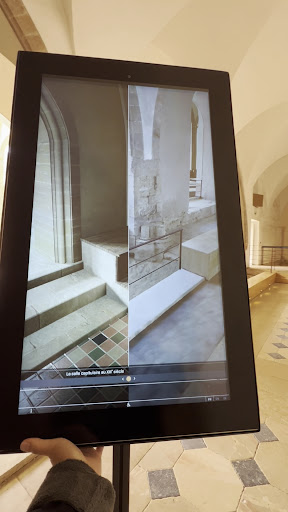
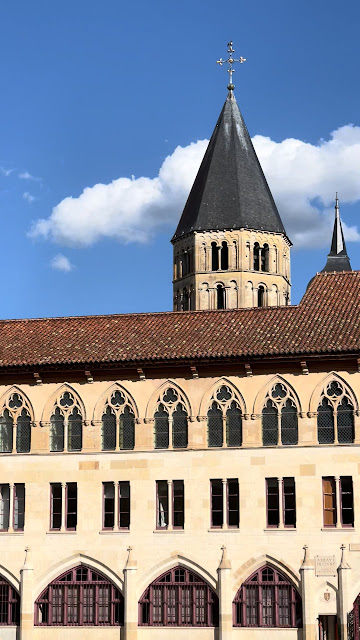
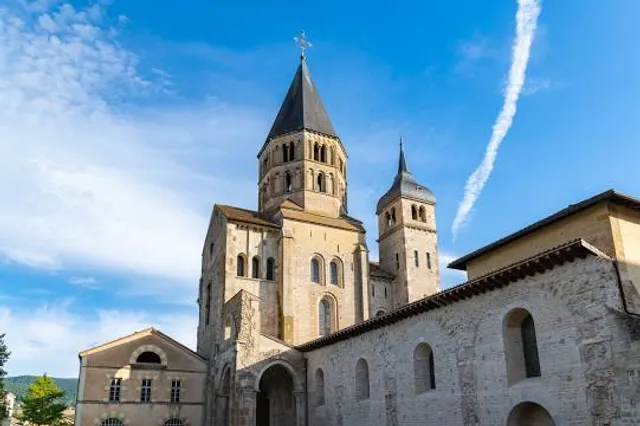
Cluny Abbey is a former Benedictine monastery in Cluny, Saône-et-Loire, France. It was dedicated to Saint Peter. The abbey was constructed in the Romanesque architectural style, with three churches built in succession from the 4th to the early 12th centuries.
Cultural
Accessibility
attractions: Tour des Fromages, Musée d'art et d'archéologie, Hôtel-Dieu de Cluny, restaurants: Brasserie du Nord, Café du centre "Chez Sissis", Le Cloître, La Nation, La Halte de L'Abbaye, La Locanda, Quebec Burger, BRASSERIE CAFE DE PARIS, Le Comptoir, Le Loup Garou, local businesses:
 Learn more insights from Wanderboat AI.
Phone
+33 3 85 59 15 93
Website
cluny-abbaye.fr
Open hoursSee all hours
Fri9:30 AM - 5 PMOpen
Plan your stay

Pet-friendly Hotels in Mâcon
Find a cozy hotel nearby and make it a full experience.

Affordable Hotels in Mâcon
Find a cozy hotel nearby and make it a full experience.

The Coolest Hotels You Haven't Heard Of (Yet)
Find a cozy hotel nearby and make it a full experience.

Trending Stays Worth the Hype in Mâcon
Find a cozy hotel nearby and make it a full experience.
Reviews
Live events
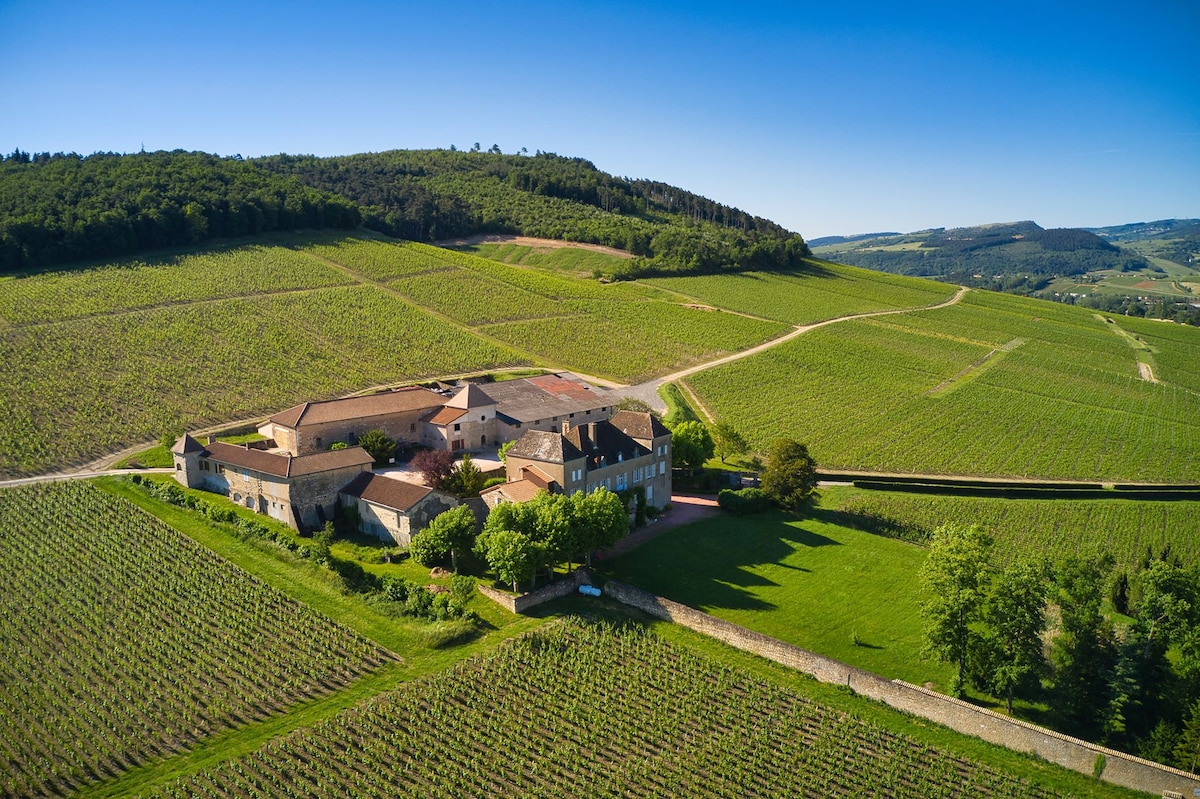
Discover the Château de la Greffière
Fri, Feb 20 • 3:00 PM
71960, La Roche-Vineuse, France
View details
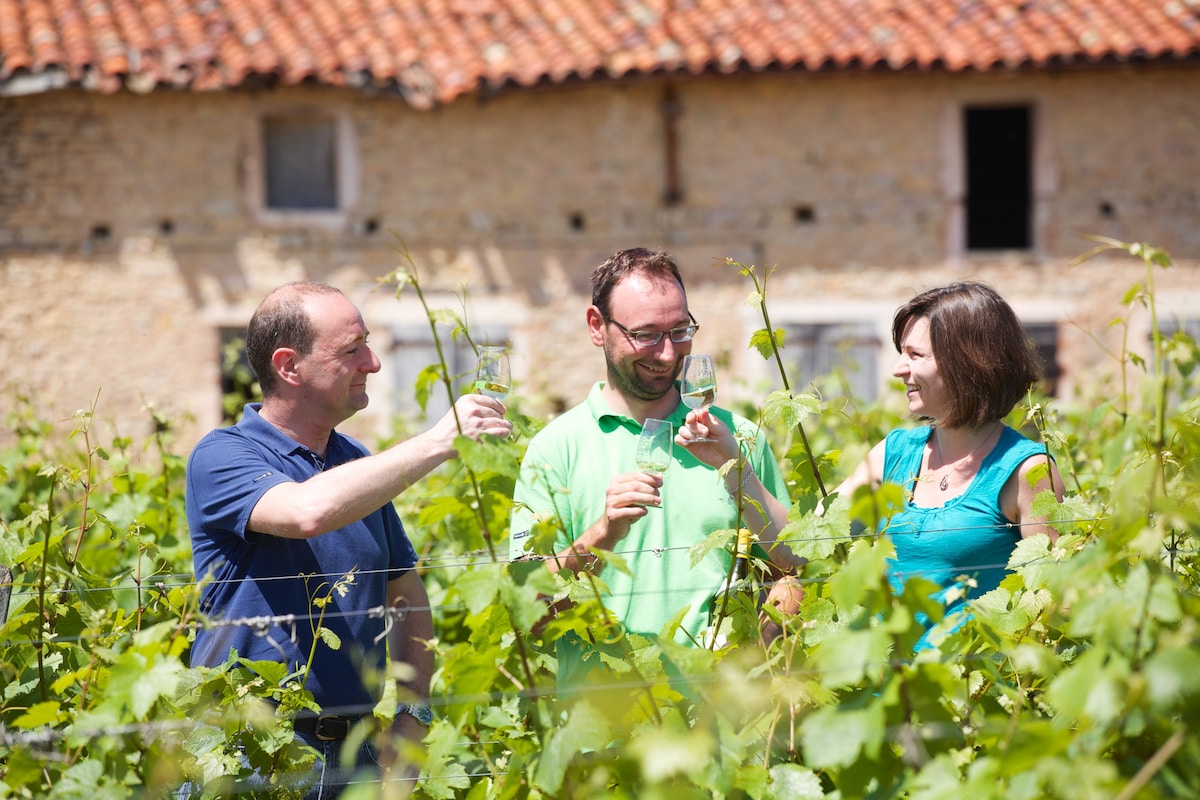
Visit an authentic winery
Fri, Feb 20 • 6:00 PM
71260, Lugny, France
View details
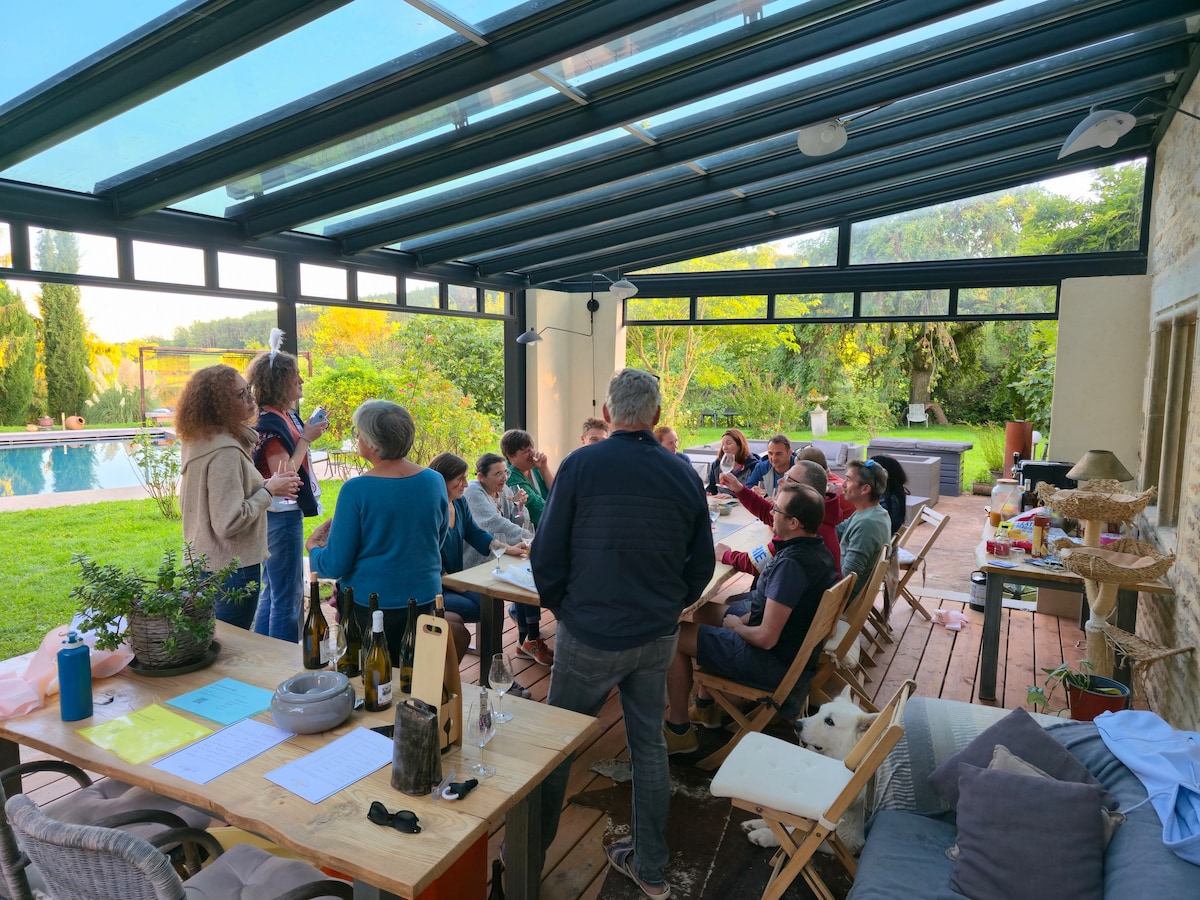
Chardonnay Tasting Aperitif Pool or Fireplace
Sun, Feb 22 • 6:00 AM
71700, Chardonnay, France
View details
Nearby attractions of Abbaye de Cluny
Tour des Fromages
Musée d'art et d'archéologie
Hôtel-Dieu de Cluny
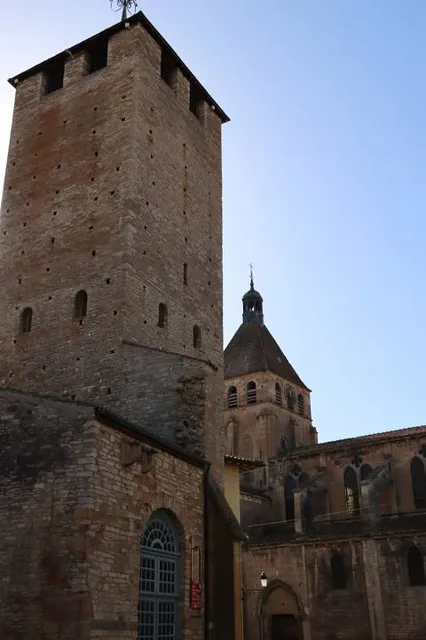
Tour des Fromages
4.3
(48)
Open until 5:00 PM
Click for details
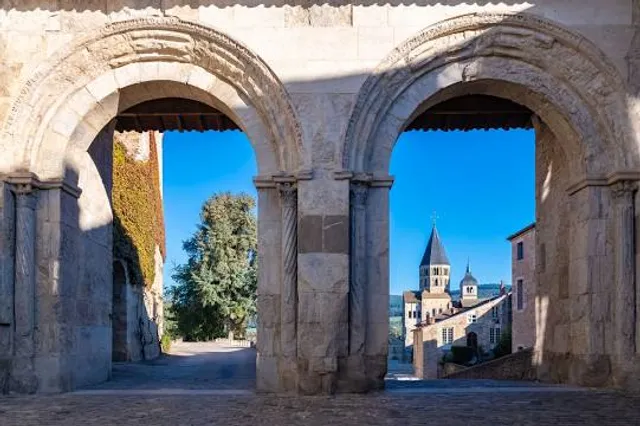
Musée d'art et d'archéologie
3.8
(41)
Open until 5:00 PM
Click for details
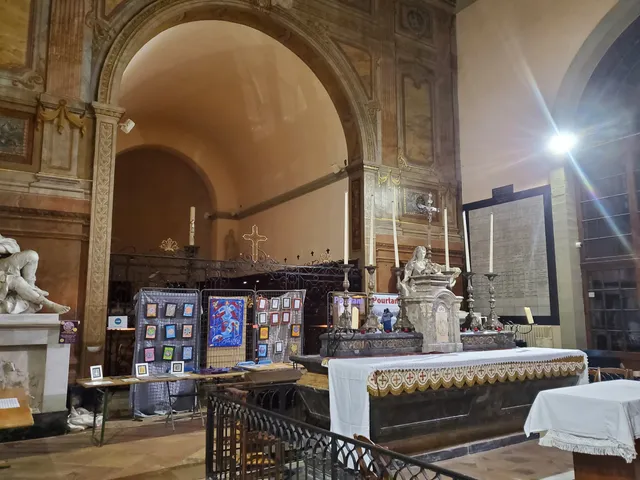
Hôtel-Dieu de Cluny
4.0
(12)
Open until 5:30 PM
Click for details
Nearby restaurants of Abbaye de Cluny
Brasserie du Nord
Café du centre "Chez Sissis"
Le Cloître
La Nation
La Halte de L'Abbaye
La Locanda
Quebec Burger
BRASSERIE CAFE DE PARIS
Le Comptoir
Le Loup Garou
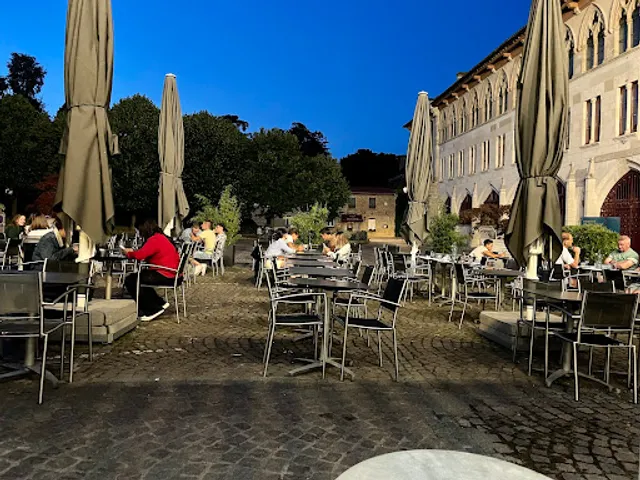
Brasserie du Nord
4.2
(597)
Open until 11:00 PM
Click for details
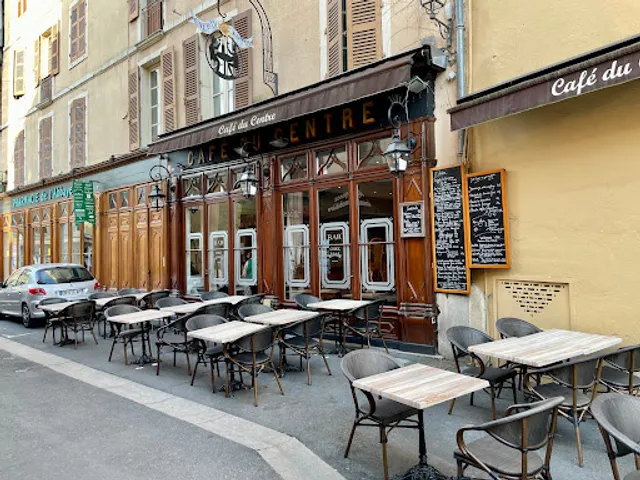
Café du centre "Chez Sissis"
4.5
(378)
Open until 1:00 AM
Click for details
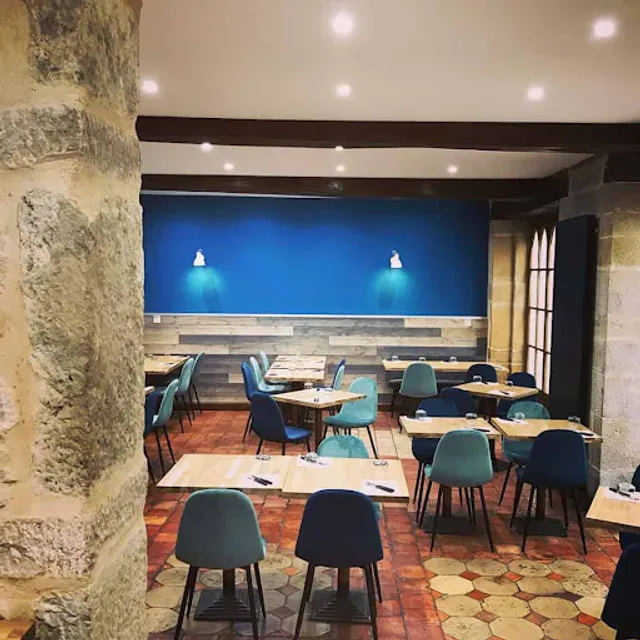
Le Cloître
4.1
(187)
Closed
Click for details
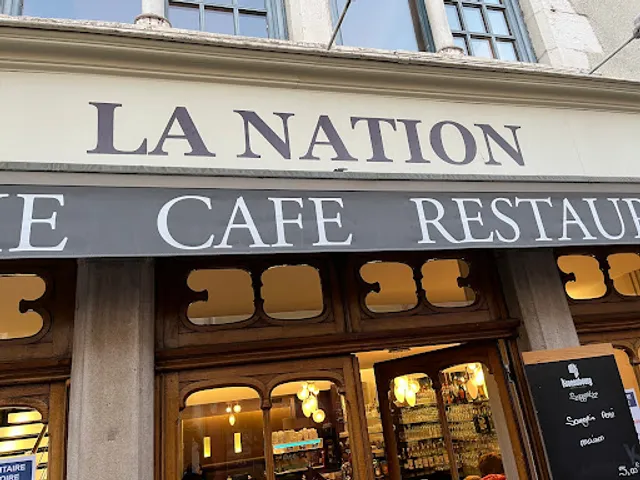
La Nation
4.3
(484)
Open until 11:00 PM
Click for details