Natural History Museum of Marseille things to do, attractions, restaurants, events info and trip planning
Basic Info
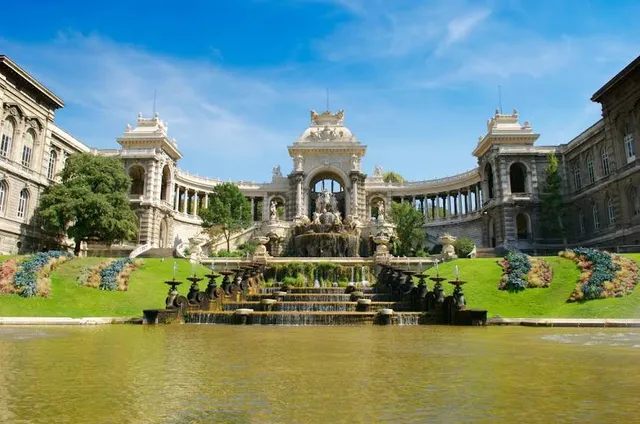
Natural History Museum of Marseille
Palais Longchamp, Rue Espérandieu, 13004 Marseille, France
4.3(988)
Closed
Save
spot
spot
Ratings & Description
Info
The Muséum d’histoire naturel de Marseille, also known in English as the Natural History Museum of Marseille, is one of the most visited natural history museums in France. It was founded in 1819 by Jean-Baptiste, marquis de Montgrand and Christophe de Villeneuve-Bargemon, prefect of the Bouches-du-Rhône department.
Cultural
Entertainment
Family friendly
Accessibility
attractions: Palais Longchamp, Zoological Gardens, Musée des Beaux-Arts, Marseille, Le palais longchamp, Musée Grobet-Labadié de la Ville de Marseille, Marseille Observatory, Funny Zoo Marseille, Friche la Belle de Mai, Église Saint-Vincent de Paul, Centre de Conservation et de Ressources du Mucem, restaurants: La Canebière, Comptoir Longchamp, Le Petit Pondichery, Bricoleurs de douceurs, İnci Restaurant, Les Bavards - Bouillonnerie des 5 Avenues, Les Babines de Mars, Le Madison - Longchamp, Pho Vietnam, La Renaissance, local businesses: iQuit - Electronic Cigarette - Marseille, Trott'E Cycles : Réparation de vélos électriques, vélos et trottinettes - Vente de vélos, vélos électriques et trottinettes., AUTOMATIC LAUNDRY DORMOY, Dispensaire de la Fondation Assistance aux Animaux à Marseille, Les Fèves Toquées, Mistral Phone Discount- Réparation téléphone Marseille 13004, Dr.iTech, Center Fissiaux - Ifac, SMART PHONE, Ptissam Galite - Pédicure Podologue
 Learn more insights from Wanderboat AI.
Phone
+33 4 91 14 59 50
Website
musees.marseille.fr
Open hoursSee all hours
Fri9 AM - 6 PMClosed
Plan your stay

Pet-friendly Hotels in Marseille
Find a cozy hotel nearby and make it a full experience.

Affordable Hotels in Marseille
Find a cozy hotel nearby and make it a full experience.

The Coolest Hotels You Haven't Heard Of (Yet)
Find a cozy hotel nearby and make it a full experience.

Trending Stays Worth the Hype in Marseille
Find a cozy hotel nearby and make it a full experience.
Reviews
Live events

Discover Marseille and its incredible history
Sat, Jan 31 • 10:00 AM
13007, Marseille, France
View details

Grande Vente de Plantes Aix-en-Provence
Fri, Jan 30 • 9:00 AM
Avenue Giuseppe Verdi 13100 Aix-en-Provence
View details
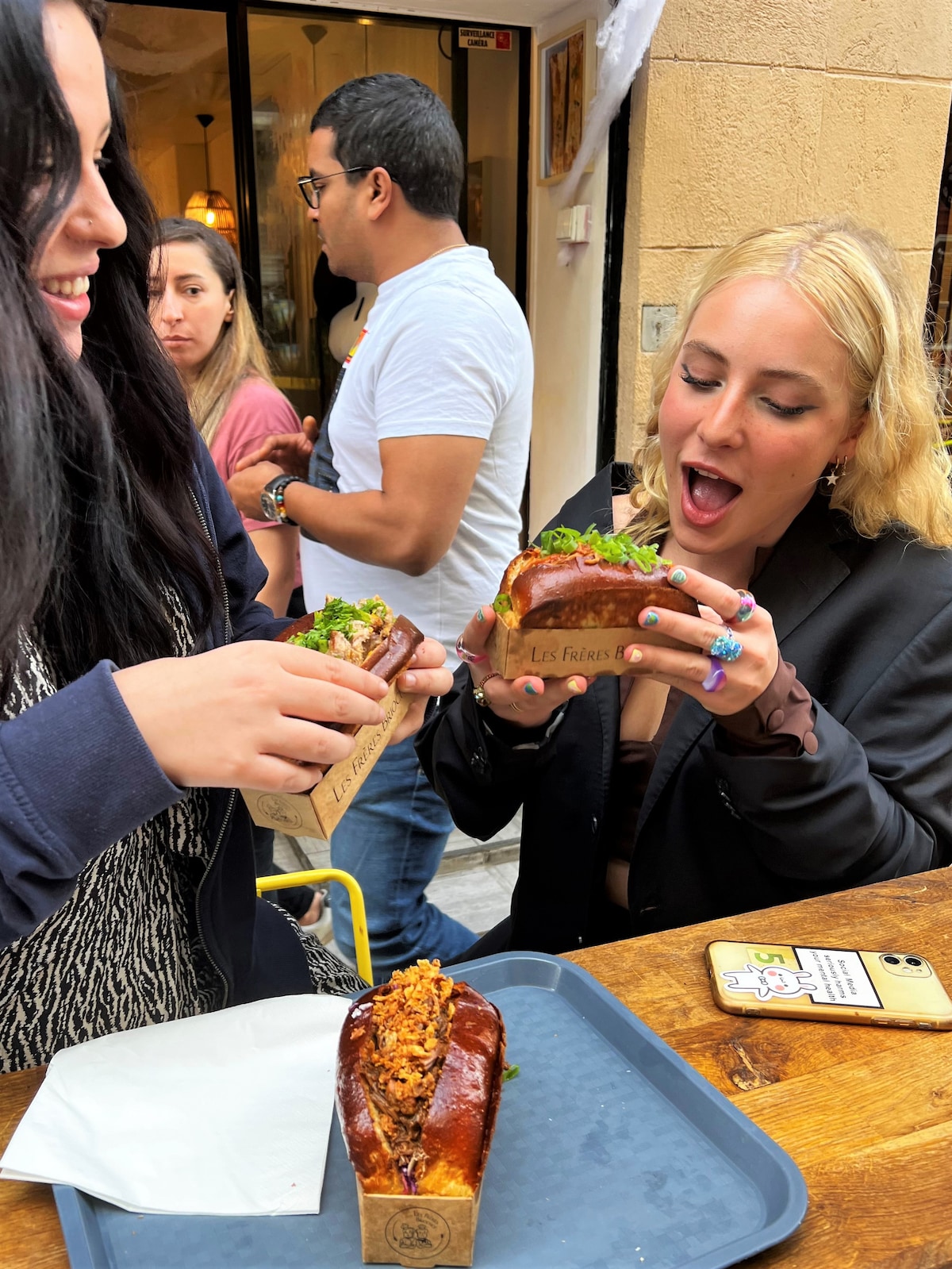
No Diet Club - Unique local food in Marseille
Sat, Jan 31 • 11:00 AM
13002, Marseille, France
View details
Nearby attractions of Natural History Museum of Marseille
Palais Longchamp
Zoological Gardens
Musée des Beaux-Arts, Marseille
Le palais longchamp
Musée Grobet-Labadié de la Ville de Marseille
Marseille Observatory
Funny Zoo Marseille
Friche la Belle de Mai
Église Saint-Vincent de Paul
Centre de Conservation et de Ressources du Mucem
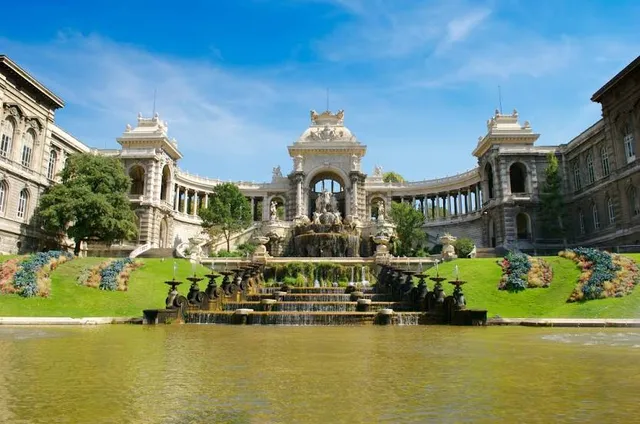
Palais Longchamp
4.6
(7.3K)
Closed
Click for details
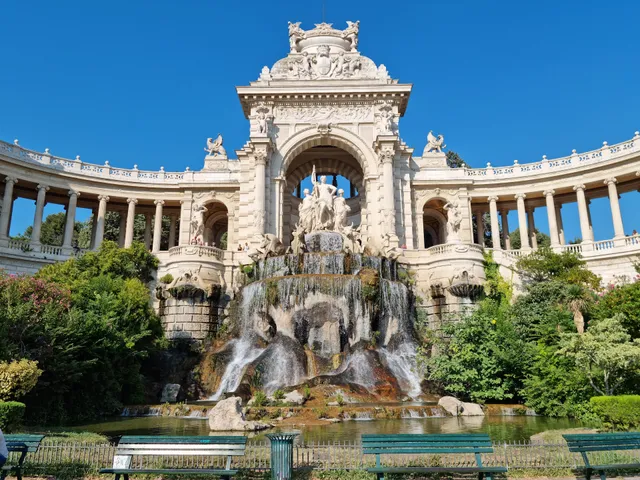
Zoological Gardens
4.5
(1.5K)
Closed
Click for details
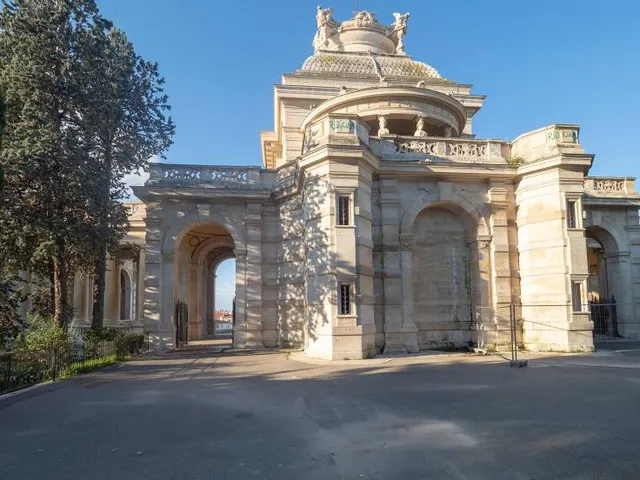
Musée des Beaux-Arts, Marseille
4.3
(532)
Closed
Click for details
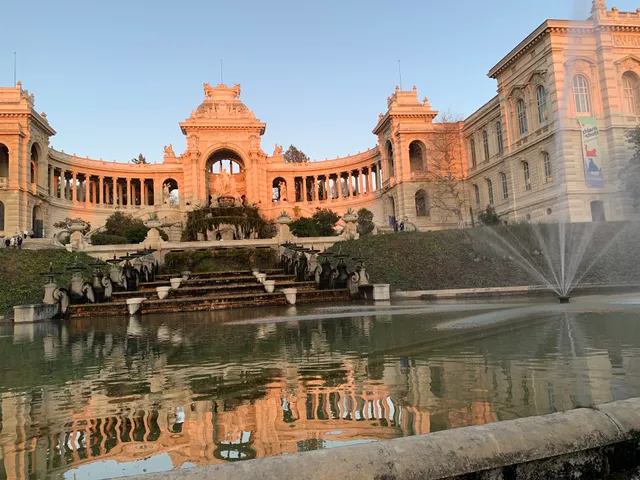
Le palais longchamp
4.8
(22)
Open 24 hours
Click for details
Nearby restaurants of Natural History Museum of Marseille
La Canebière
Comptoir Longchamp
Le Petit Pondichery
Bricoleurs de douceurs
İnci Restaurant
Les Bavards - Bouillonnerie des 5 Avenues
Les Babines de Mars
Le Madison - Longchamp
Pho Vietnam
La Renaissance
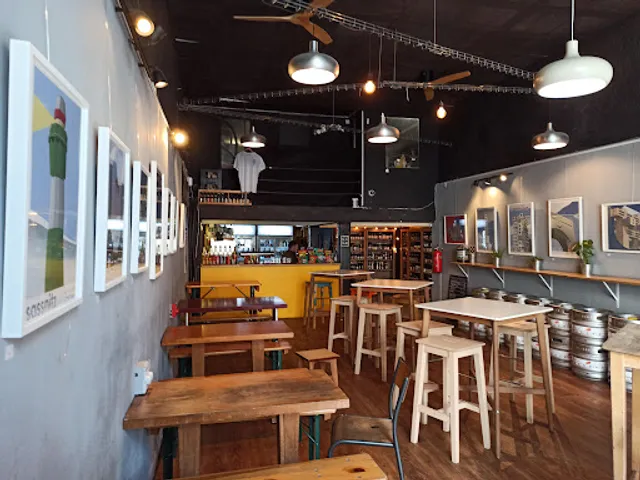
La Canebière
4.6
(253)
Open until 10:00 PM
Click for details
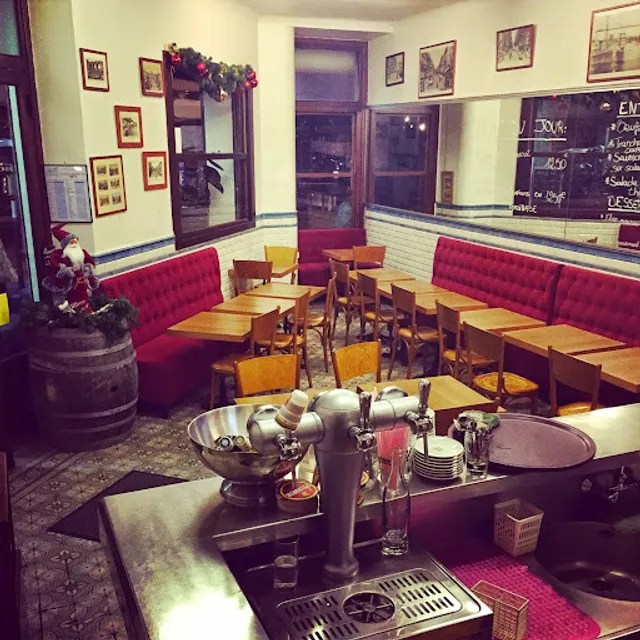
Comptoir Longchamp
3.7
(264)
Closed
Click for details
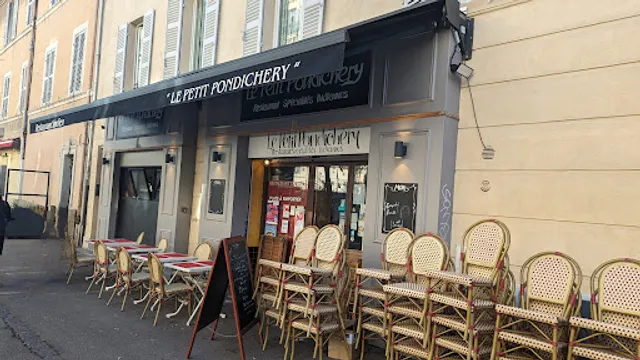
Le Petit Pondichery
4.5
(205)
Open until 10:30 PM
Click for details
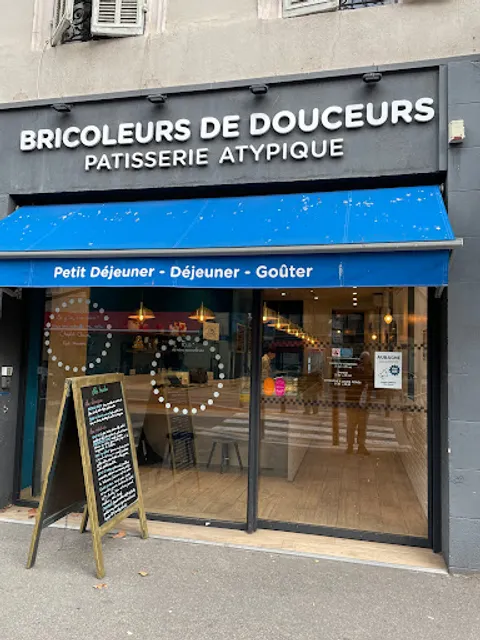
Bricoleurs de douceurs
4.5
(265)
Closed
Click for details
Nearby local services of Natural History Museum of Marseille
iQuit - Electronic Cigarette - Marseille
Trott'E Cycles : Réparation de vélos électriques, vélos et trottinettes - Vente de vélos, vélos électriques et trottinettes.
AUTOMATIC LAUNDRY DORMOY
Dispensaire de la Fondation Assistance aux Animaux à Marseille
Les Fèves Toquées
Mistral Phone Discount- Réparation téléphone Marseille 13004
Dr.iTech
Center Fissiaux - Ifac
SMART PHONE
Ptissam Galite - Pédicure Podologue

iQuit - Electronic Cigarette - Marseille
4.7
(173)
Click for details

Trott'E Cycles : Réparation de vélos électriques, vélos et trottinettes - Vente de vélos, vélos électriques et trottinettes.
4.9
(66)
Click for details

AUTOMATIC LAUNDRY DORMOY
4.5
(69)
Click for details
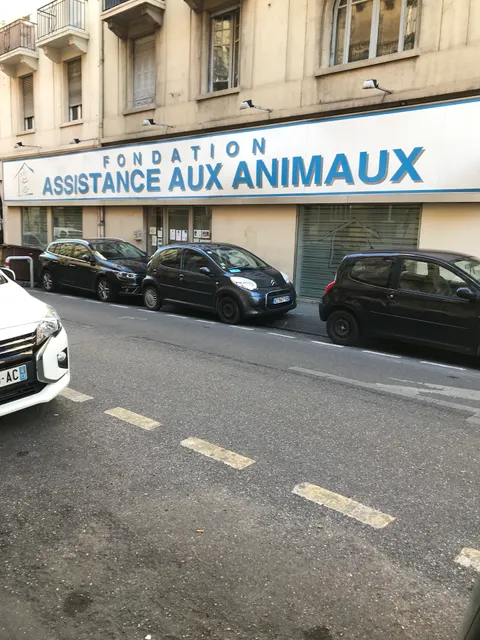
Dispensaire de la Fondation Assistance aux Animaux à Marseille
3.2
(154)
Click for details