Cathédrale Saint-Pierre de Poitiers things to do, attractions, restaurants, events info and trip planning
Basic Info
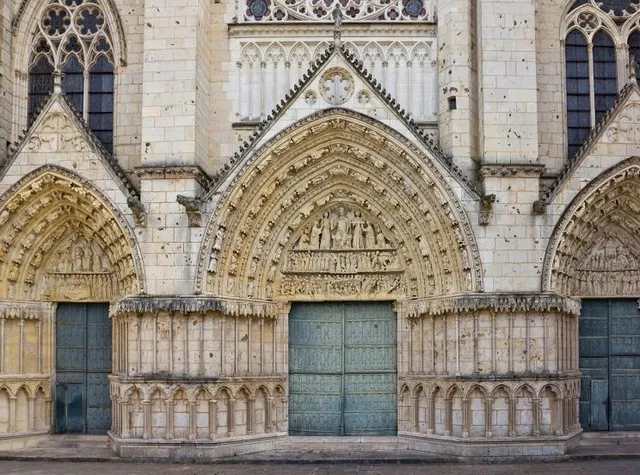
Cathédrale Saint-Pierre de Poitiers
1 Rue Sainte-Croix, 86000 Poitiers, France
4.6(994)
Closed
Save
spot
spot
Ratings & Description
Info
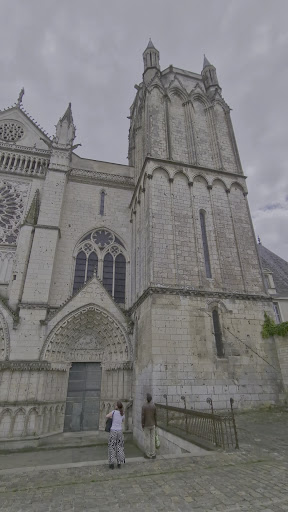
Poitiers Cathedral is a Roman Catholic church in Poitiers, France. It is the seat of the Archbishop of Poitiers.
Cultural
Accessibility
attractions: Musée Sainte-Croix, Baptistère Saint-Jean, Espace Mendès France, Église Notre-Dame la Grande, Office de Tourisme de Grand Poitiers, Sciences Po Paris, Campus De Poitiers, University of Poitiers, Palace Of The Counts Of Poitiers, Agence de voyage TUI STORE Poitiers, ODYSSEE PROD-Escape Adventure Game Parc de loisirs, restaurants: La Grand'Goule, Notre Dame De Pique, L'essentiel selon Pierric Casadebaig, Le Montagnard, Chaone Café, Bistro Régent - Poitiers Centre, Cluricaume Café, Le Comptoir du Marché, Taj Mahal - Spécialités indiennes, L'istanbul Poitiers, local businesses: Church of Sainte-Radegonde, CALIMA - perceur -tatoueur -bijoux, Fnac, Les Halles marché de Notre-Dame, The George Sand Club, Free - Boutique Poitiers, Bulles d'encre, Métayer Chausseur, Clinique Vétérinaire Kourgansky, The Escape League - Escape Game à Poitiers
 Learn more insights from Wanderboat AI.
Phone
+33 5 49 41 23 76
Website
trinitepoitiers.fr
Open hoursSee all hours
Fri9 AM - 5 PMClosed
Plan your stay

Pet-friendly Hotels in Poitiers
Find a cozy hotel nearby and make it a full experience.

Affordable Hotels in Poitiers
Find a cozy hotel nearby and make it a full experience.

The Coolest Hotels You Haven't Heard Of (Yet)
Find a cozy hotel nearby and make it a full experience.

Trending Stays Worth the Hype in Poitiers
Find a cozy hotel nearby and make it a full experience.
Reviews
Live events
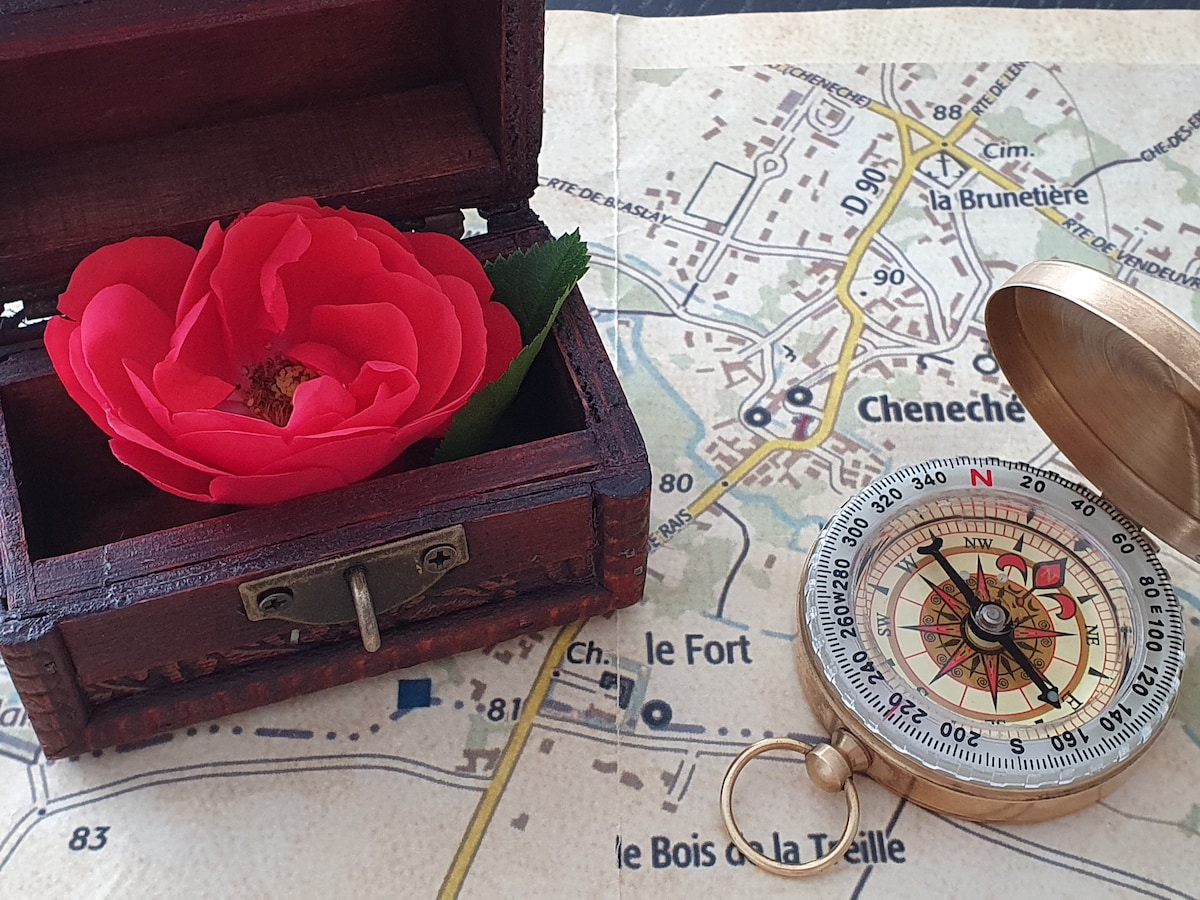
Discover Chéneché by solving puzzles
Sat, Feb 28 • 2:30 PM
86380, Saint-Martin-la-Pallu, France
View details

Futuroscope : Accès 1 jour
Sat, Feb 28 • 10:00 AM
Avenue René Monory, Chasseneuil-du-Poitou, 86360
View details
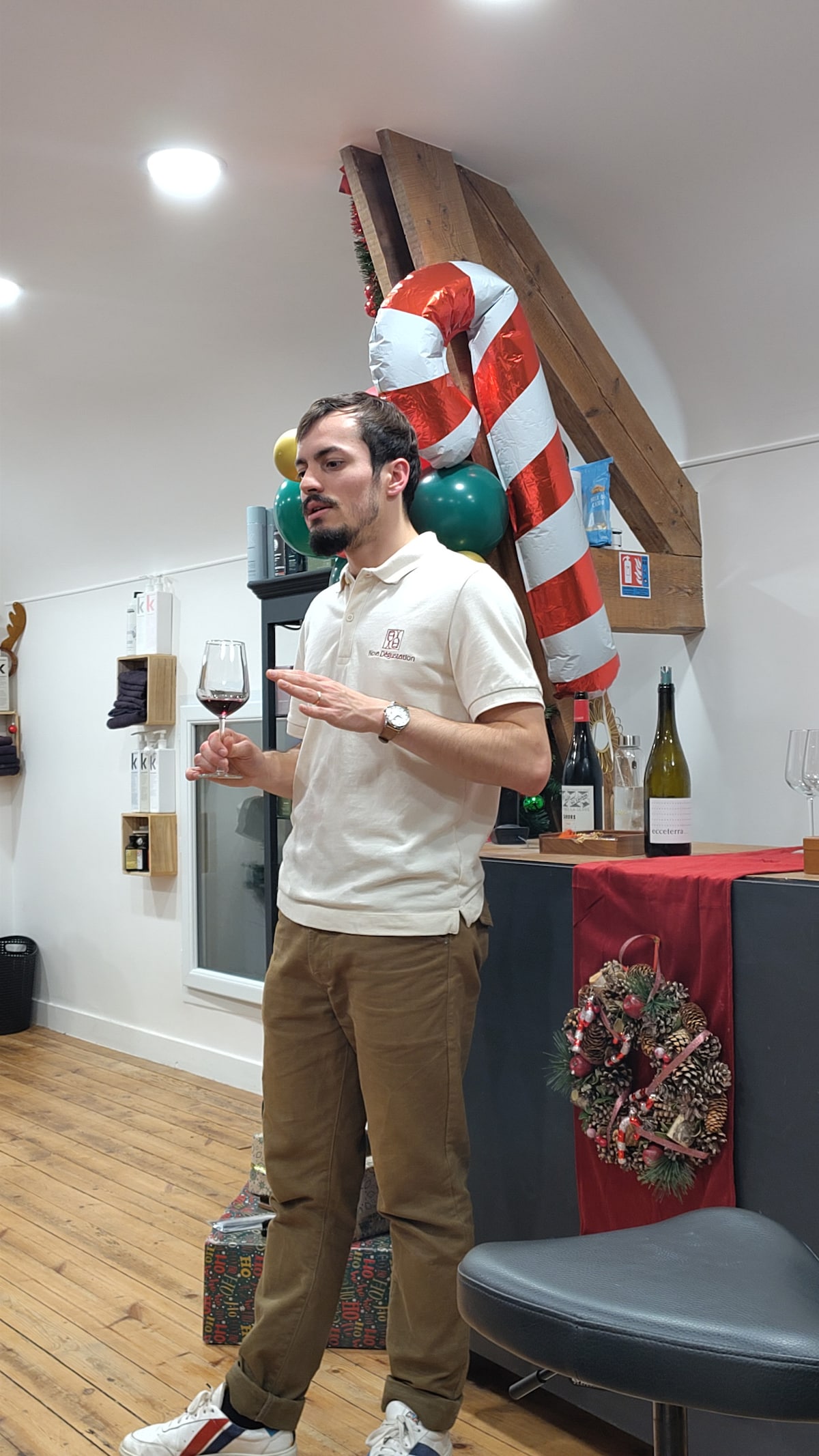
Tasting workshops to rediscover wine
Mon, Mar 2 • 4:30 PM
86000, Poitiers, France
View details
Nearby attractions of Cathédrale Saint-Pierre de Poitiers
Musée Sainte-Croix
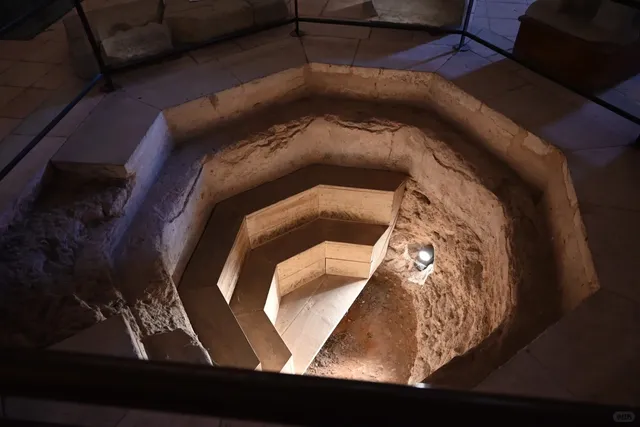
Baptistère Saint-Jean
Espace Mendès France
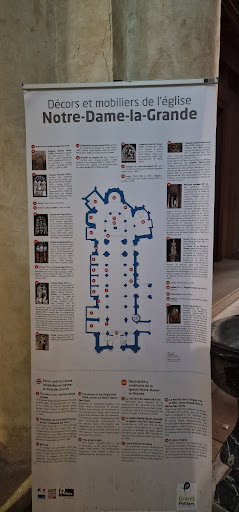
Église Notre-Dame la Grande
Office de Tourisme de Grand Poitiers
Sciences Po Paris, Campus De Poitiers
University of Poitiers
Palace Of The Counts Of Poitiers
Agence de voyage TUI STORE Poitiers
ODYSSEE PROD-Escape Adventure Game Parc de loisirs
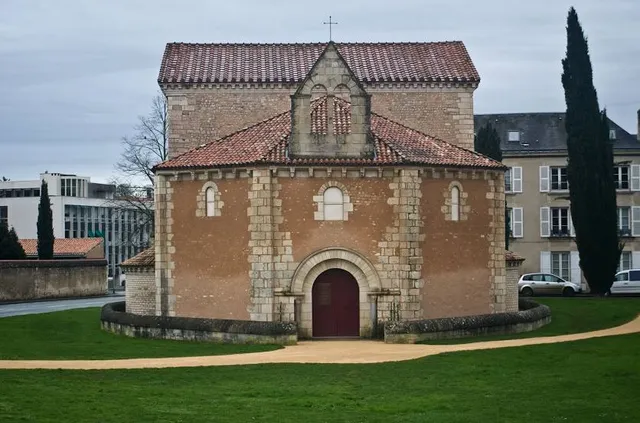
Musée Sainte-Croix
4.6
(406)
Closed
Click for details
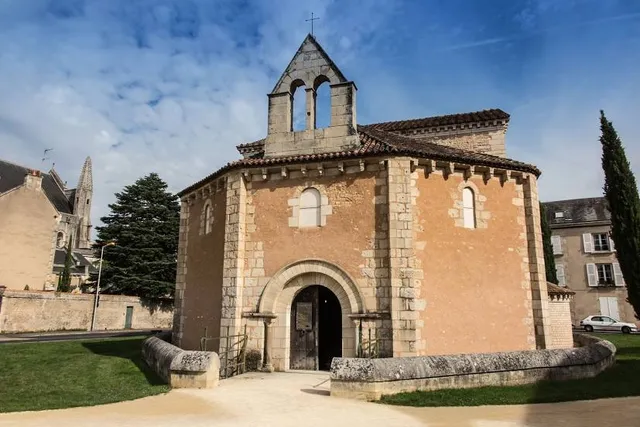
Baptistère Saint-Jean
4.5
(151)
Closed
Click for details
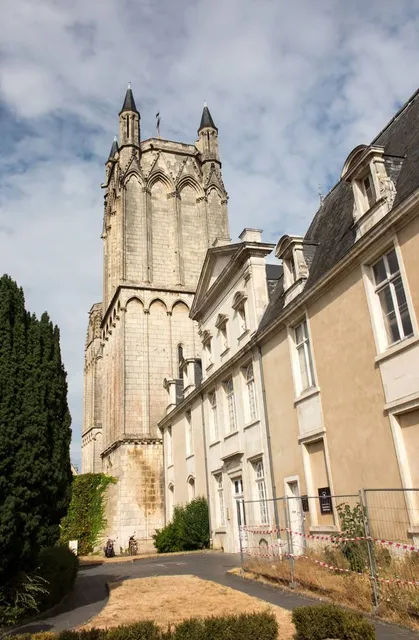
Espace Mendès France
4.5
(104)
Closed
Click for details
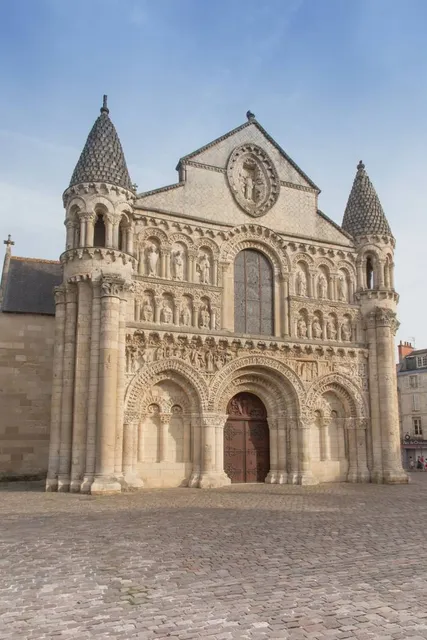
Église Notre-Dame la Grande
4.6
(1.2K)
Open 24 hours
Click for details
Nearby restaurants of Cathédrale Saint-Pierre de Poitiers
La Grand'Goule
Notre Dame De Pique
L'essentiel selon Pierric Casadebaig
Le Montagnard
Chaone Café
Bistro Régent - Poitiers Centre
Cluricaume Café
Le Comptoir du Marché
Taj Mahal - Spécialités indiennes
L'istanbul Poitiers

La Grand'Goule
2.7
(169)
$
Open until 12:00 AM
Click for details
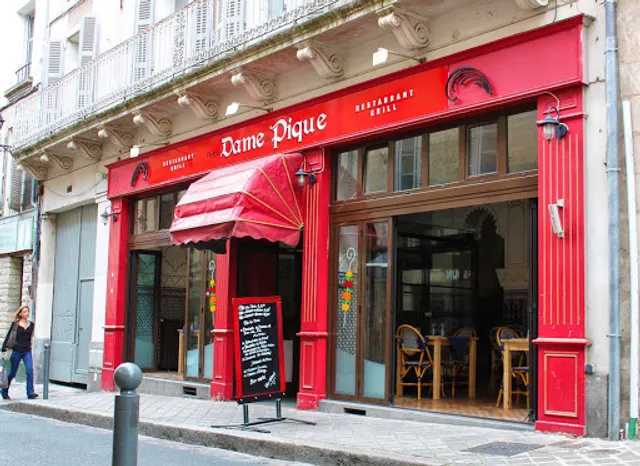
Notre Dame De Pique
4.6
(478)
Closed
Click for details
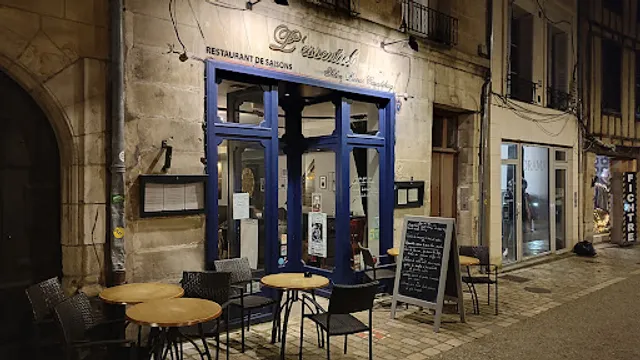
L'essentiel selon Pierric Casadebaig
4.5
(272)
Closed
Click for details
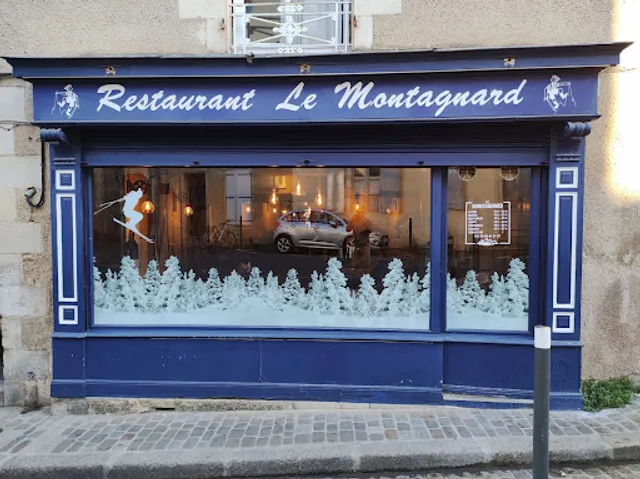
Le Montagnard
4.6
(293)
Open until 12:30 AM
Click for details
Nearby local services of Cathédrale Saint-Pierre de Poitiers
Church of Sainte-Radegonde
CALIMA - perceur -tatoueur -bijoux
Fnac
Les Halles marché de Notre-Dame
The George Sand Club
Free - Boutique Poitiers
Bulles d'encre
Métayer Chausseur
Clinique Vétérinaire Kourgansky
The Escape League - Escape Game à Poitiers
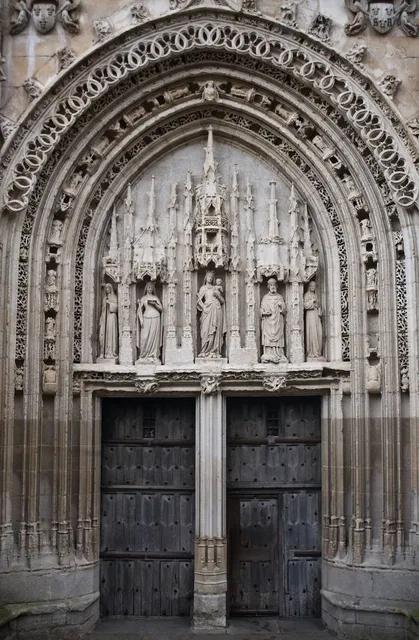
Church of Sainte-Radegonde
4.6
(200)
Click for details

CALIMA - perceur -tatoueur -bijoux
5.0
(164)
Click for details

Fnac
4.0
(1.5K)
Click for details
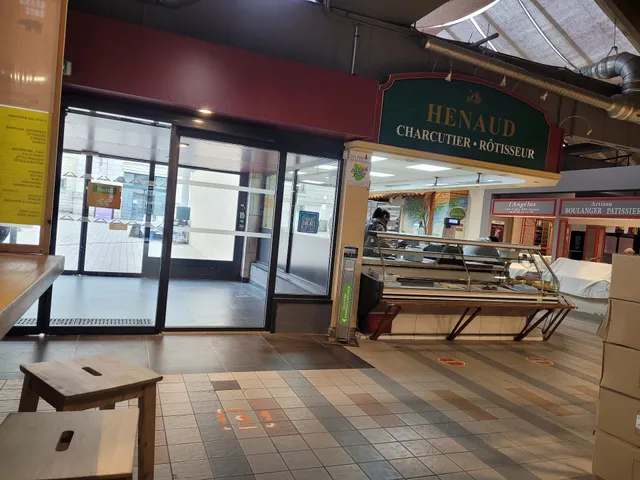
Les Halles marché de Notre-Dame
4.2
(657)
Click for details