HTML SitemapExplore
Find Things to DoFind The Best Restaurants

Parc de Versailles — Attraction in Versailles

Name
Parc de Versailles
Description
Nearby attractions
Grand Trianon
Porte Saint-Antoine, 78000 Versailles, France
Jardin du Roi
78000 Versailles, France
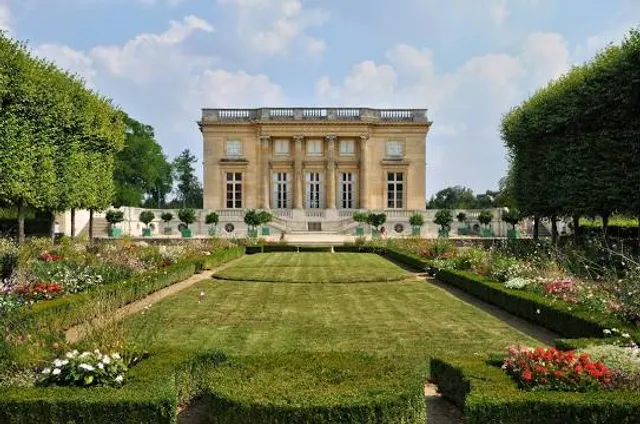
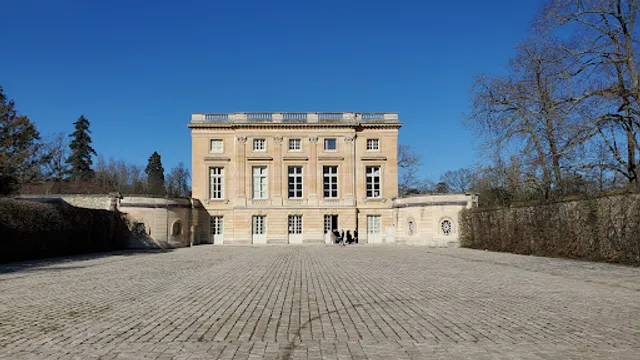
Petit Trianon
Château de, Le Petit Trianon, 78000 Versailles, France
Le char d’Apollon
78000 Versailles, France
Buffet d'eau
Place d'Armes, 78000 Versailles, France
La Lanterne
78000 Versailles, France
Queen’s Theatre
78000 Versailles, France
French Garden
78000 Versailles, France
Jardins du Grand Trianon
Place d'Armes, 78000 Versailles, France
Nearby restaurants
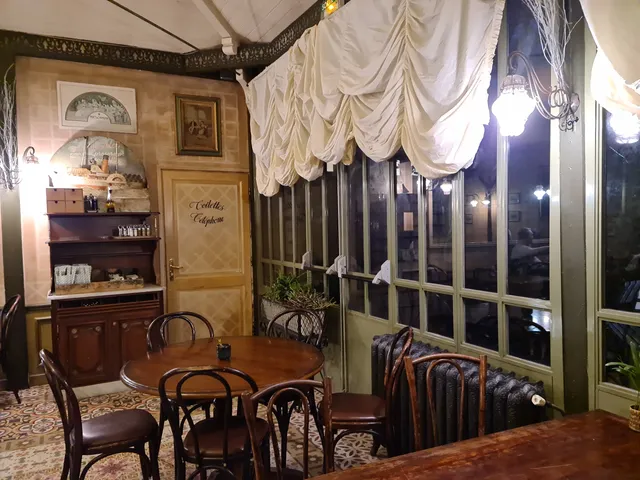
La Flottille
Parc du Chateau de, 78000 Versailles, France
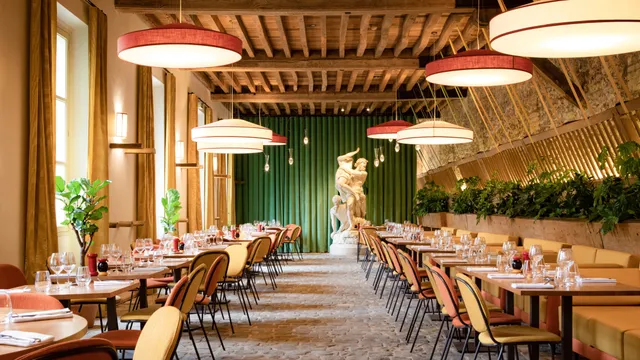
La Petite Venise
All. d'Apollon, 78000 Versailles, France
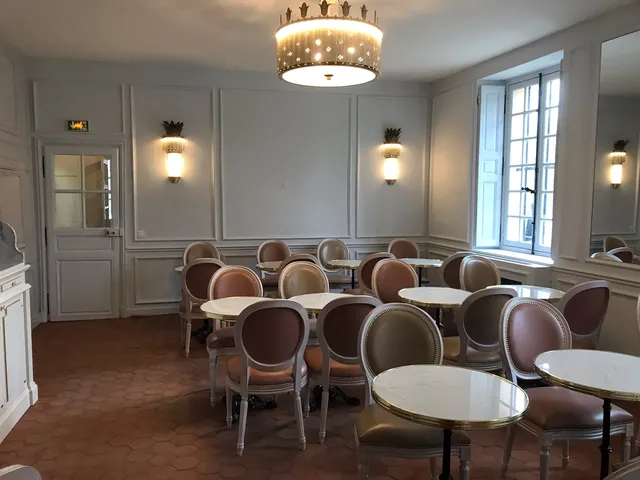
Angelina Paris – Petit Trianon, Salon de thé
All. des deux Trianons, 78000 Versailles, France
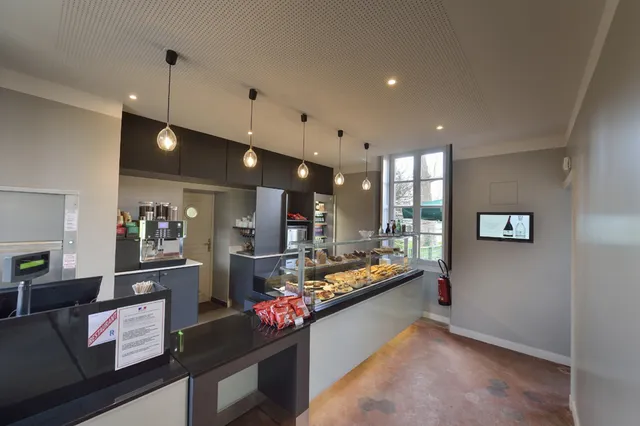
Les Terrasses de la Petite Venise
Parc du Château de Versailles, 78000 Versailles, France
Nearby hotels
Related posts
Keywords
Parc de Versailles tourism.Parc de Versailles hotels.Parc de Versailles bed and breakfast. flights to Parc de Versailles.Parc de Versailles attractions.Parc de Versailles restaurants.Parc de Versailles travel.Parc de Versailles travel guide.Parc de Versailles travel blog.Parc de Versailles pictures.Parc de Versailles photos.Parc de Versailles travel tips.Parc de Versailles maps.Parc de Versailles things to do.
Parc de Versailles things to do, attractions, restaurants, events info and trip planning
Parc de Versailles
FranceIle-de-FranceVersaillesParc de Versailles

Basic Info

Parc de Versailles

Château de Versailles, 78000 Versailles, France
4.6(301)
Open 24 hours
Save
spot

Ratings & Description

Info

Cultural
Outdoor
Scenic
Relaxation
Family friendly
Accessibility
attractions: Grand Trianon, Jardin du Roi, Petit Trianon, Le char d’Apollon, Buffet d'eau, La Lanterne, Queen’s Theatre, French Garden, Jardins du Grand Trianon, restaurants: La Flottille, La Petite Venise, Angelina Paris – Petit Trianon, Salon de thé, Les Terrasses de la Petite Venise
logoLearn more insights from Wanderboat AI.
Phone
+33 1 30 83 78 00
Website
chateauversailles.fr

Plan your stay

hotel
Pet-friendly Hotels in Versailles
Find a cozy hotel nearby and make it a full experience.
hotel
Affordable Hotels in Versailles
Find a cozy hotel nearby and make it a full experience.
hotel
The Coolest Hotels You Haven't Heard Of (Yet)
Find a cozy hotel nearby and make it a full experience.
hotel
Trending Stays Worth the Hype in Versailles
Find a cozy hotel nearby and make it a full experience.

Reviews

Nearby attractions of Parc de Versailles

Grand Trianon

Jardin du Roi

Petit Trianon

Le char d’Apollon

Buffet d'eau

La Lanterne

Queen’s Theatre

French Garden

Jardins du Grand Trianon

Grand Trianon

Grand Trianon

4.5

(4.2K)

Open 24 hours
Click for details
Jardin du Roi

Jardin du Roi

4.7

(509)

Open 24 hours
Click for details
Petit Trianon

Petit Trianon

4.6

(4.8K)

Open 24 hours
Click for details
Le char d’Apollon

Le char d’Apollon

4.7

(672)

Open 24 hours
Click for details

Things to do nearby

Learn to bake classic French croissants
Fri, Dec 26 • 9:00 AM
75007, Paris, France
View details
Sip your way through Paris nightlife
Fri, Dec 26 • 9:00 PM
75003, Paris, France
View details
Trail ride for beginners
Sun, Dec 28 • 2:00 PM
78600, Maisons-Laffitte, France
View details

Nearby restaurants of Parc de Versailles

La Flottille

La Petite Venise

Angelina Paris – Petit Trianon, Salon de thé

Les Terrasses de la Petite Venise

La Flottille

La Flottille

4.1

(2.9K)

Click for details
La Petite Venise

La Petite Venise

4.0

(596)

Click for details
Angelina Paris – Petit Trianon, Salon de thé

Angelina Paris – Petit Trianon, Salon de thé

3.1

(258)

Click for details
Les Terrasses de la Petite Venise

Les Terrasses de la Petite Venise

3.0

(42)

Click for details
Get the Appoverlay
Get the AppOne tap to find yournext favorite spots!
Wanderboat LogoWanderboat

Your everyday Al companion for getaway ideas

CompanyAbout Us
InformationAI Trip PlannerSitemap
SocialXInstagramTiktokLinkedin
LegalTerms of ServicePrivacy Policy

Get the app

© 2025 Wanderboat. All rights reserved.

Reviews of Parc de Versailles

4.6
(301)
avatar
5.0
1y

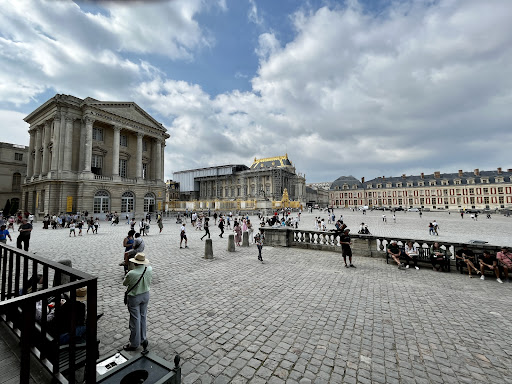
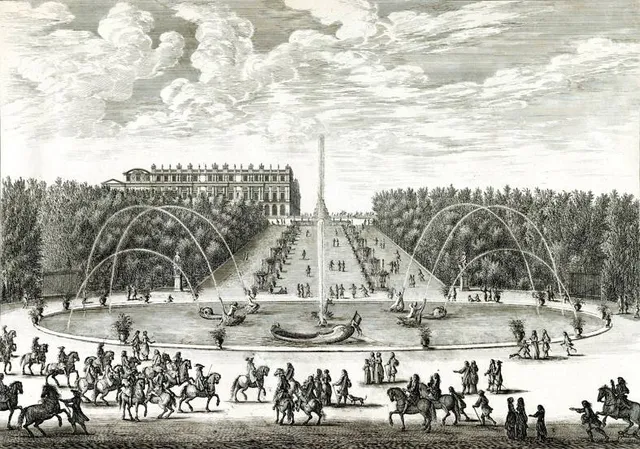
The estate of Versailles consists of the palace, the subsidiary buildings around it, and its park fr] and gardens. As of June 2021, the estate altogether covers an area of 800 hectares (8.0 km2; 2,000 acres),[178] with the park and gardens laid out to the south, west, and north of the palace.[179] The palace is approached from the east by the Avenue de Paris, measuring 17 miles (27 km) from Paris to a gate between the Grande and Petite Écuries.[180] Beyond these stables is the Place d'Armes,[181 where the Avenue de Paris meets the Avenue de Sceaux and Avenue de Saint-Cloud (see map), the three roads that formed the main arteries of the city of Versailles.46 Exactly where the three roads meet is a gate leading into the cour d'honneur,184] hemmed in by the Ministers' Wings.[181 Beyond is the Royal Gate and the main palace,182] which wraps around the Royal [fr and finally Marble Courts fr].[186] The estate was established by Louis XIII as a hunting retreat,[5 with a park just to the west of his château.17] From 1661, Louis XIV expanded the estate until,[188 at its greatest extent, the estate was made up by the Grand Parc fr], a hunting ground of 15,000 hectares (150 km2; 37,000 acres),[187 and the gardens, called the Petit Parc,179] which covered 1,700 hectares (17 km2; 4,200 acres). A 25-mile (40 km) long, 10-foot (3.0 m) high wall with 24 gateways enclosed the estate.[187] The landscape of the estate had to be created from the bog that surrounded Louis XIII's château using landscape architecture usually employed in fortress building.[190] The approach to the palace and the gardens were carefully laid out via the moving of earth and construction of terraces.[191 The water from the marsh was marshalled into a series of lakes and ponds around Versailles,193] but these reservoirs were not sufficient for the palace, city, or gardens. Great lengths were taken to supply Versailles with water, such as the damming of the river Bièvre to create an inflow in the 1660s, the construction of an enormous pumping station at the river Seine near Marly-le-Roi in 1681, and an attempt to divert water from the river Eure with a canal in the later 1680s.[194

Gardensedit

Main article: Gardens of Versailles

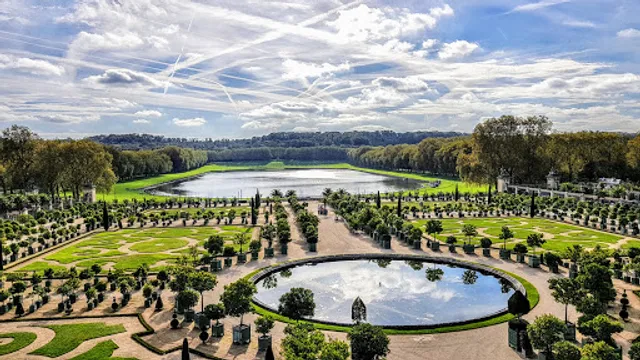
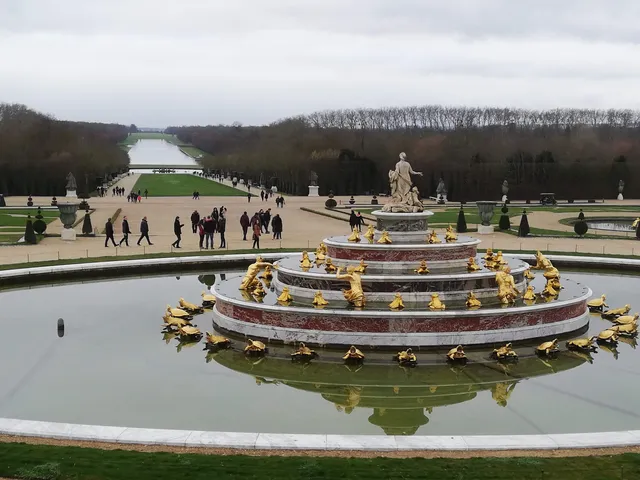
View of the gardens of Versailles, looking northwest from the palace The gardens of Versailles, as they have existed since the reign of Louis XIV, are the work of André Le Nôtre. Le Nôtre's gardens were preceded by a simple garden laid out in the 1630s by landscape architects Jacques Boyceau and Jacques de Nemours,196] which he rearranged along an east–west axis that,[197] because of Louis XIV's land purchases and the clearing of woodland,[44[179] were expanded literally as far as could be seen.[197] The resulting gardens were a collaboration between Le Nôtre, Le Brun, Colbert, and Louis XIV,[192] marked by rigid order, discipline,[44] and open space, with axial paths, flowerbeds, hedges, and ponds and lakes as motifs.[136] They became the epitome of the French formal garden style,[198] and have been very influential and widely imitated or...

   Read more
avatar
4.0
1y

Relaxing Parc de Versailles

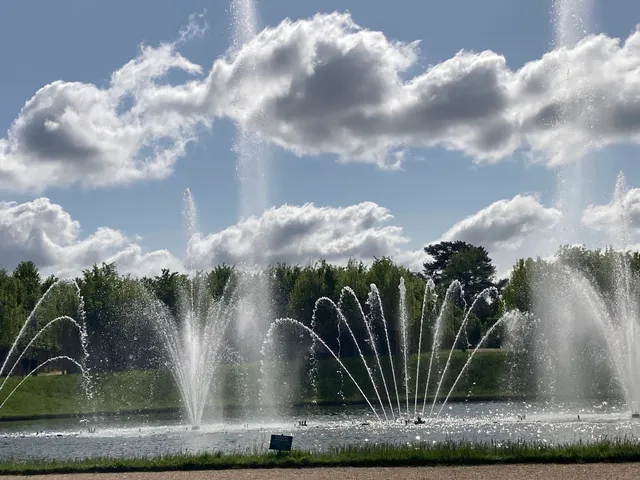
The expansive, meticulously manicured gardens of the Palace of Versailles have been a highlight for visitors to this iconic French landmark. The lush grounds, featuring ornate fountains, symmetrical hedgerows, and stunning vistas, have allowed guests to fully immerse themselves in the grandeur of the royal estate.

Freely wandering the Parc de Versailles has long been an integral part of the Versailles experience, with the gardens' access included as part of the palace admission ticket. This inclusive approach has enabled visitors to seamlessly transition between the opulent interiors and the beautifully landscaped exteriors, creating a truly comprehensive look at the splendor of the former royal residence.

However, in recent years, those wishing to explore the Parc de Versailles must purchase a separate ticket, beyond the admission for the palace itself. This added cost can be disappointing for return visitors who had grown accustomed to the gardens being part of the overall Versailles experience.

It used to allow visitors to freely wander the expansive grounds as part of their palace visit. Now, visitors must carefully budget and plan for the additional expense if they want to fully experience the famous gardens...

   Read more
avatar
5.0
1y

No, it is not always free. Entrance costs 10 euros when music is played or the fountain jets are activated, which happens quite often. This was the case during my visit. But it was well worth the price. The jets were not that impressive but the music gave another dimension, another depth to this visit that made it unforgettable. I am not exaggerating. The experience was superb, and when I had to rest or take a break between the long walks, because it takes 2 to 3 hours to visit them, it was absolutely magnificent. I took care to plan my visit on a sunny day, which was easy since there is no need to book your ticket in advance. You'll just have to wait for the right day and then take the train to Versailles (30 minutes from Paris) and that's it. Totally...

   Read more
Page 1 of 7
Previous
Next

Posts

Tennyson DcruzTennyson Dcruz
The estate of Versailles consists of the palace, the subsidiary buildings around it, and its park [fr] and gardens. As of June 2021, the estate altogether covers an area of 800 hectares (8.0 km2; 2,000 acres),[178] with the park and gardens laid out to the south, west, and north of the palace.[179] The palace is approached from the east by the Avenue de Paris, measuring 17 miles (27 km) from Paris to a gate between the Grande and Petite Écuries.[180] Beyond these stables is the Place d'Armes,[181][182] where the Avenue de Paris meets the Avenue de Sceaux and Avenue de Saint-Cloud (see map), the three roads that formed the main arteries of the city of Versailles.[46][183] Exactly where the three roads meet is a gate leading into the cour d'honneur,[184] hemmed in by the Ministers' Wings.[181][182] Beyond is the Royal Gate and the main palace,[182] which wraps around the Royal [fr][185] and finally Marble Courts [fr].[186] The estate was established by Louis XIII as a hunting retreat,[5][187] with a park just to the west of his château.[17] From 1661, Louis XIV expanded the estate until,[188][189] at its greatest extent, the estate was made up by the Grand Parc [fr], a hunting ground of 15,000 hectares (150 km2; 37,000 acres),[187][179] and the gardens, called the Petit Parc,[179] which covered 1,700 hectares (17 km2; 4,200 acres). A 25-mile (40 km) long, 10-foot (3.0 m) high wall with 24 gateways enclosed the estate.[187] The landscape of the estate had to be created from the bog that surrounded Louis XIII's château using landscape architecture usually employed in fortress building.[190] The approach to the palace and the gardens were carefully laid out via the moving of earth and construction of terraces.[191][192] The water from the marsh was marshalled into a series of lakes and ponds around Versailles,[193] but these reservoirs were not sufficient for the palace, city, or gardens. Great lengths were taken to supply Versailles with water, such as the damming of the river Bièvre to create an inflow in the 1660s, the construction of an enormous pumping station at the river Seine near Marly-le-Roi in 1681, and an attempt to divert water from the river Eure with a canal in the later 1680s.[194][195] Gardensedit Main article: Gardens of Versailles View of the gardens of Versailles, looking northwest from the palace The gardens of Versailles, as they have existed since the reign of Louis XIV, are the work of André Le Nôtre. Le Nôtre's gardens were preceded by a simple garden laid out in the 1630s by landscape architects Jacques Boyceau and Jacques de Nemours,[196] which he rearranged along an east–west axis that,[197] because of Louis XIV's land purchases and the clearing of woodland,[44][190][179] were expanded literally as far as could be seen.[197] The resulting gardens were a collaboration between Le Nôtre, Le Brun, Colbert, and Louis XIV,[192] marked by rigid order, discipline,[44] and open space, with axial paths, flowerbeds, hedges, and ponds and lakes as motifs.[136] They became the epitome of the French formal garden style,[198] and have been very influential and widely imitated or reproduced.[136][179
Dan MaarekDan Maarek
No, it is not always free. Entrance costs 10 euros when music is played or the fountain jets are activated, which happens quite often. This was the case during my visit. But it was well worth the price. The jets were not that impressive but the music gave another dimension, another depth to this visit that made it unforgettable. I am not exaggerating. The experience was superb, and when I had to rest or take a break between the long walks, because it takes 2 to 3 hours to visit them, it was absolutely magnificent. I took care to plan my visit on a sunny day, which was easy since there is no need to book your ticket in advance. You'll just have to wait for the right day and then take the train to Versailles (30 minutes from Paris) and that's it. Totally recommended.
Francesco BerardiFrancesco Berardi
Il parco di Versailles è un capolavoro del paesaggio, un'estensione maestosa della Reggia e un simbolo del potere e dell'eleganza del Re Sole, Luigi XIV. Creato dall'architetto paesaggista André Le Nôtre, questo immenso giardino è un esempio perfetto del giardino alla francese, caratterizzato da simmetria, ordine e prospettive infinite. Cosa rende unico il parco di Versailles? * Dimensioni e magnificenza: Con oltre 800 ettari, il parco è uno dei più grandi d'Europa. I suoi giardini formali, con viali alberati, aiuole geometriche e fontane monumentali, offrono uno spettacolo indimenticabile. * Il Grand Canal: Questo lungo canale, che taglia in due il parco, crea un'illusione di profondità e amplia visivamente lo spazio. È ideale per passeggiate rilassanti o gite in barca. * Le fontane: Le fontane di Versailles sono famose in tutto il mondo per la loro complessità e bellezza. Molte di esse rappresentano scene mitologiche e sono dotate di giochi d'acqua spettacolari. * Il Grand Trianon e il Petit Trianon: Questi palazzi, più piccoli e intimi della Reggia, erano utilizzati dalla famiglia reale per momenti di relax e svago. * Il villaggio della Regina: Creato da Maria Antonietta, questo villaggio era un luogo dove la regina poteva vivere una vita più semplice e in contatto con la natura. Cosa puoi fare al parco di Versailles? * Passeggiare: Esplora i viali alberati, ammira le fontane e i giardini formali. * Fare un giro in barca: Naviga sul Grand Canal e ammira il parco da una prospettiva diversa. * Visitare il Grand Trianon e il Petit Trianon: Scopri la vita privata della famiglia reale. * Esplorare il villaggio della Regina: Immergiti nell'atmosfera di un piccolo villaggio del XVIII secolo. * Ascoltare musica: Durante l'estate, vengono organizzati concerti e spettacoli all'aperto. Consigli per la visita: * Pianifica la tua visita: Il parco è molto grande, quindi dedica abbastanza tempo per visitarlo tutto. * Indossa scarpe comode: Camminerai molto! * Porta acqua e uno snack: Potresti aver bisogno di rifocillarti durante la visita. * Acquista i biglietti online: Evita le code alla biglietteria.
See more posts
See more posts
hotel
Find your stay

Pet-friendly Hotels in Versailles

Find a cozy hotel nearby and make it a full experience.

The estate of Versailles consists of the palace, the subsidiary buildings around it, and its park [fr] and gardens. As of June 2021, the estate altogether covers an area of 800 hectares (8.0 km2; 2,000 acres),[178] with the park and gardens laid out to the south, west, and north of the palace.[179] The palace is approached from the east by the Avenue de Paris, measuring 17 miles (27 km) from Paris to a gate between the Grande and Petite Écuries.[180] Beyond these stables is the Place d'Armes,[181][182] where the Avenue de Paris meets the Avenue de Sceaux and Avenue de Saint-Cloud (see map), the three roads that formed the main arteries of the city of Versailles.[46][183] Exactly where the three roads meet is a gate leading into the cour d'honneur,[184] hemmed in by the Ministers' Wings.[181][182] Beyond is the Royal Gate and the main palace,[182] which wraps around the Royal [fr][185] and finally Marble Courts [fr].[186] The estate was established by Louis XIII as a hunting retreat,[5][187] with a park just to the west of his château.[17] From 1661, Louis XIV expanded the estate until,[188][189] at its greatest extent, the estate was made up by the Grand Parc [fr], a hunting ground of 15,000 hectares (150 km2; 37,000 acres),[187][179] and the gardens, called the Petit Parc,[179] which covered 1,700 hectares (17 km2; 4,200 acres). A 25-mile (40 km) long, 10-foot (3.0 m) high wall with 24 gateways enclosed the estate.[187] The landscape of the estate had to be created from the bog that surrounded Louis XIII's château using landscape architecture usually employed in fortress building.[190] The approach to the palace and the gardens were carefully laid out via the moving of earth and construction of terraces.[191][192] The water from the marsh was marshalled into a series of lakes and ponds around Versailles,[193] but these reservoirs were not sufficient for the palace, city, or gardens. Great lengths were taken to supply Versailles with water, such as the damming of the river Bièvre to create an inflow in the 1660s, the construction of an enormous pumping station at the river Seine near Marly-le-Roi in 1681, and an attempt to divert water from the river Eure with a canal in the later 1680s.[194][195] Gardensedit Main article: Gardens of Versailles View of the gardens of Versailles, looking northwest from the palace The gardens of Versailles, as they have existed since the reign of Louis XIV, are the work of André Le Nôtre. Le Nôtre's gardens were preceded by a simple garden laid out in the 1630s by landscape architects Jacques Boyceau and Jacques de Nemours,[196] which he rearranged along an east–west axis that,[197] because of Louis XIV's land purchases and the clearing of woodland,[44][190][179] were expanded literally as far as could be seen.[197] The resulting gardens were a collaboration between Le Nôtre, Le Brun, Colbert, and Louis XIV,[192] marked by rigid order, discipline,[44] and open space, with axial paths, flowerbeds, hedges, and ponds and lakes as motifs.[136] They became the epitome of the French formal garden style,[198] and have been very influential and widely imitated or reproduced.[136][179
Tennyson Dcruz

Tennyson Dcruz

hotel
Find your stay

Affordable Hotels in Versailles

Find a cozy hotel nearby and make it a full experience.

Get the Appoverlay
Get the AppOne tap to find yournext favorite spots!
No, it is not always free. Entrance costs 10 euros when music is played or the fountain jets are activated, which happens quite often. This was the case during my visit. But it was well worth the price. The jets were not that impressive but the music gave another dimension, another depth to this visit that made it unforgettable. I am not exaggerating. The experience was superb, and when I had to rest or take a break between the long walks, because it takes 2 to 3 hours to visit them, it was absolutely magnificent. I took care to plan my visit on a sunny day, which was easy since there is no need to book your ticket in advance. You'll just have to wait for the right day and then take the train to Versailles (30 minutes from Paris) and that's it. Totally recommended.
Dan Maarek

Dan Maarek

hotel
Find your stay

The Coolest Hotels You Haven't Heard Of (Yet)

Find a cozy hotel nearby and make it a full experience.

hotel
Find your stay

Trending Stays Worth the Hype in Versailles

Find a cozy hotel nearby and make it a full experience.

Il parco di Versailles è un capolavoro del paesaggio, un'estensione maestosa della Reggia e un simbolo del potere e dell'eleganza del Re Sole, Luigi XIV. Creato dall'architetto paesaggista André Le Nôtre, questo immenso giardino è un esempio perfetto del giardino alla francese, caratterizzato da simmetria, ordine e prospettive infinite. Cosa rende unico il parco di Versailles? * Dimensioni e magnificenza: Con oltre 800 ettari, il parco è uno dei più grandi d'Europa. I suoi giardini formali, con viali alberati, aiuole geometriche e fontane monumentali, offrono uno spettacolo indimenticabile. * Il Grand Canal: Questo lungo canale, che taglia in due il parco, crea un'illusione di profondità e amplia visivamente lo spazio. È ideale per passeggiate rilassanti o gite in barca. * Le fontane: Le fontane di Versailles sono famose in tutto il mondo per la loro complessità e bellezza. Molte di esse rappresentano scene mitologiche e sono dotate di giochi d'acqua spettacolari. * Il Grand Trianon e il Petit Trianon: Questi palazzi, più piccoli e intimi della Reggia, erano utilizzati dalla famiglia reale per momenti di relax e svago. * Il villaggio della Regina: Creato da Maria Antonietta, questo villaggio era un luogo dove la regina poteva vivere una vita più semplice e in contatto con la natura. Cosa puoi fare al parco di Versailles? * Passeggiare: Esplora i viali alberati, ammira le fontane e i giardini formali. * Fare un giro in barca: Naviga sul Grand Canal e ammira il parco da una prospettiva diversa. * Visitare il Grand Trianon e il Petit Trianon: Scopri la vita privata della famiglia reale. * Esplorare il villaggio della Regina: Immergiti nell'atmosfera di un piccolo villaggio del XVIII secolo. * Ascoltare musica: Durante l'estate, vengono organizzati concerti e spettacoli all'aperto. Consigli per la visita: * Pianifica la tua visita: Il parco è molto grande, quindi dedica abbastanza tempo per visitarlo tutto. * Indossa scarpe comode: Camminerai molto! * Porta acqua e uno snack: Potresti aver bisogno di rifocillarti durante la visita. * Acquista i biglietti online: Evita le code alla biglietteria.
Francesco Berardi

Francesco Berardi

See more posts
See more posts