Petit Trianon things to do, attractions, restaurants, events info and trip planning
Basic Info
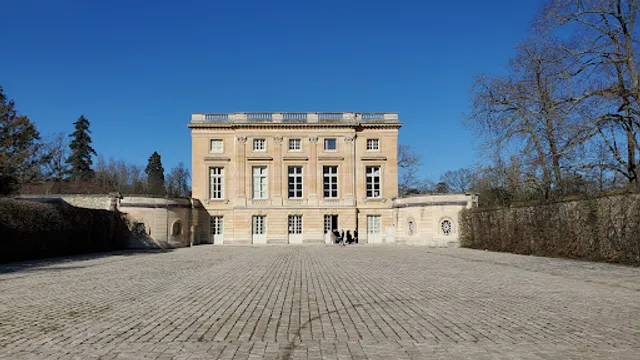
Petit Trianon
Château de, Le Petit Trianon, 78000 Versailles, France
4.6(5.1K)
Closed


tickets
Save
spot
spot
Ratings & Description
Info
Cultural
Outdoor
Scenic
Family friendly
Accessibility
attractions: Grand Trianon, Temple de l'Amour, French Garden, Queen’s Theatre, Grotte de Marie-Antoinette, Jardin anglais, Jardin du Roi, Maison de la Reine, Porte Saint-Antoine, Buffet d'eau, restaurants: Angelina Paris – Petit Trianon, Salon de thé, La Flottille, Le Rendez-Vous Enchanté, La Petite Venise, La Closerie, Gordon Ramsay au Trianon, La Veranda, Les Terrasses de la Petite Venise, Peacock Alley Versailles, Woody Club Trianon, local businesses: Queen’s Hamlet, Jardin du Roi, Water Sideboard, Castle Park, Bassin de Flore, Abc Mouv
 Learn more insights from Wanderboat AI.
Phone
+33 1 30 83 78 00
Website
chateauversailles.fr
Open hoursSee all hours
Mon12 - 5:30 PMClosed
Plan your stay

Pet-friendly Hotels in Versailles
Find a cozy hotel nearby and make it a full experience.

Affordable Hotels in Versailles
Find a cozy hotel nearby and make it a full experience.

The Coolest Hotels You Haven't Heard Of (Yet)
Find a cozy hotel nearby and make it a full experience.

Trending Stays Worth the Hype in Versailles
Find a cozy hotel nearby and make it a full experience.
Reviews
Live events

Planète Préhistorique : Dinosaures, L’expérience immersive à l’Atelier des Lumières
Mon, Feb 23 • 10:00 AM
38 Rue Saint-Maur, 75011
View details
Dinner Cruise in the Heart of Paris with Music
Fri, Feb 27 • 8:30 PM
Port de la Bourdonnais 75007, Paris, France
View details

Learn to bake classic French croissants
Mon, Feb 23 • 9:00 AM
75007, Paris, France
View details
Nearby attractions of Petit Trianon
Grand Trianon
Temple de l'Amour
French Garden
Queen’s Theatre
Grotte de Marie-Antoinette
Jardin anglais
Jardin du Roi
Maison de la Reine
Porte Saint-Antoine
Buffet d'eau
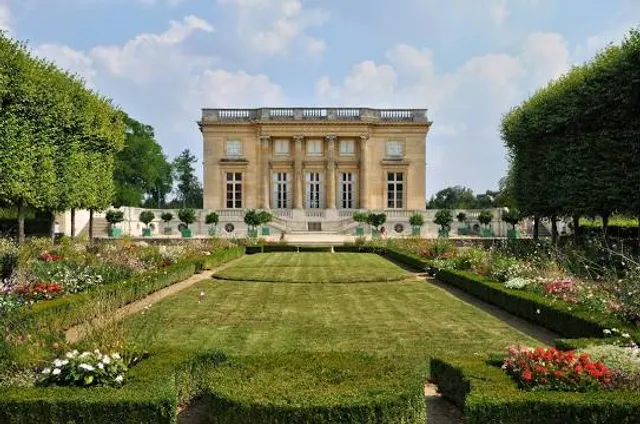
Grand Trianon
4.5
(4.5K)
Open until 12:00 AM
Click for details
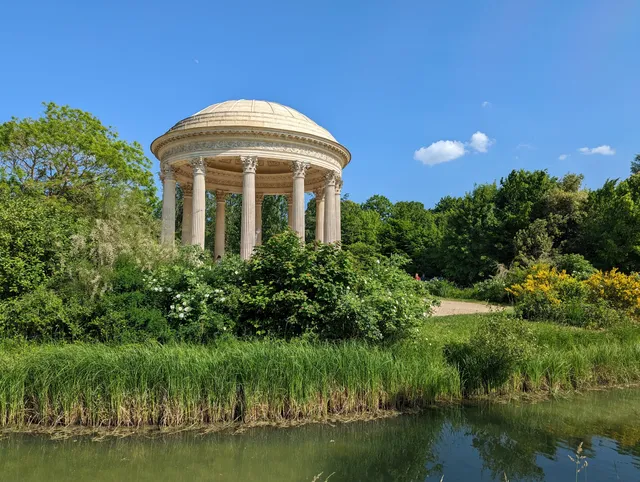
Temple de l'Amour
4.7
(245)
Open until 12:00 AM
Click for details
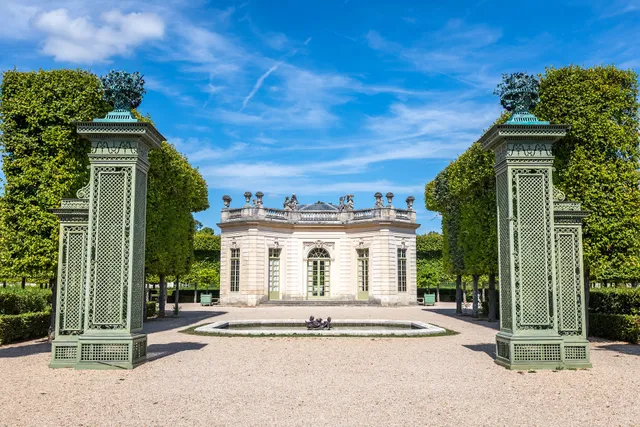
French Garden
4.8
(41)
Open 24 hours
Click for details
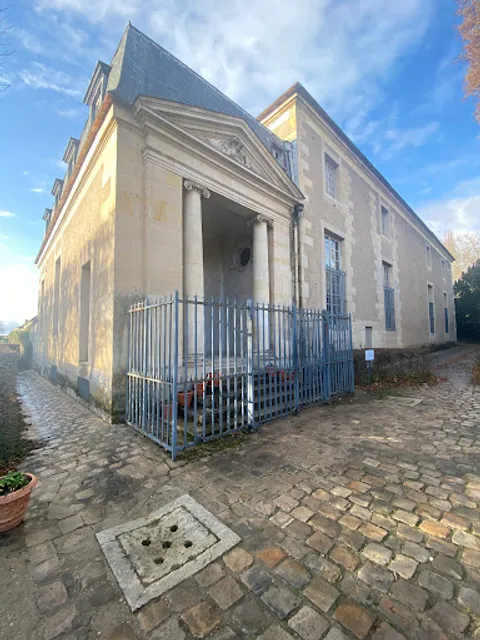
Queen’s Theatre
4.7
(44)
Open 24 hours
Click for details
Nearby restaurants of Petit Trianon
Angelina Paris – Petit Trianon, Salon de thé
La Flottille
Le Rendez-Vous Enchanté
La Petite Venise
La Closerie
Gordon Ramsay au Trianon
La Veranda
Les Terrasses de la Petite Venise
Peacock Alley Versailles
Woody Club Trianon
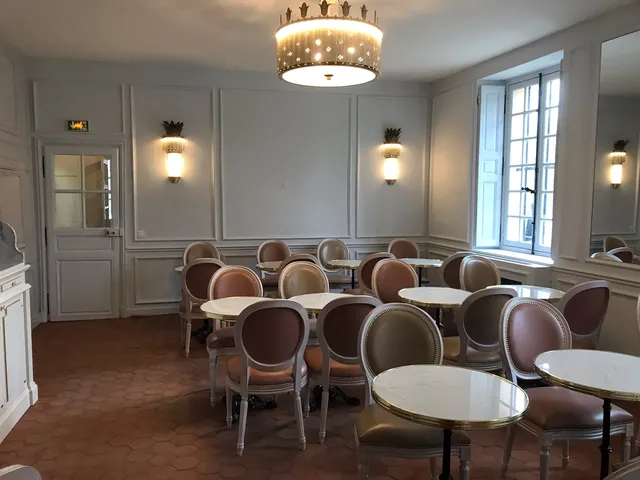
Angelina Paris – Petit Trianon, Salon de thé
3.1
(263)
$
Open until 12:00 AM
Click for details
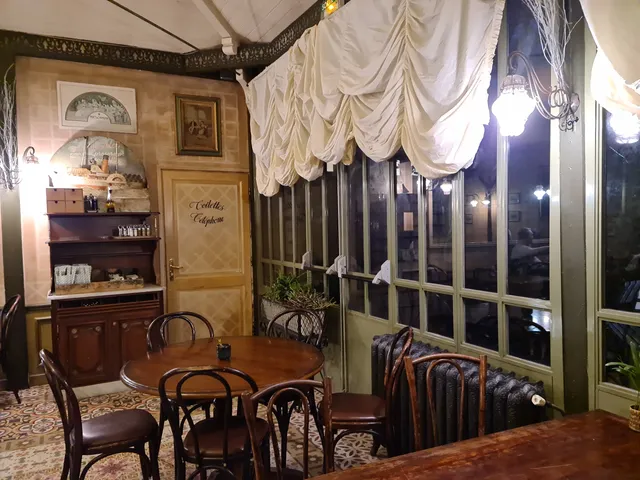
La Flottille
4.1
(2.9K)
$$
Closed
Click for details
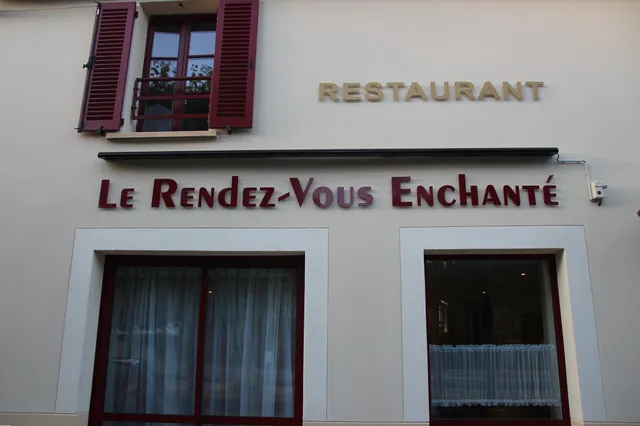
Le Rendez-Vous Enchanté
4.4
(393)
Click for details
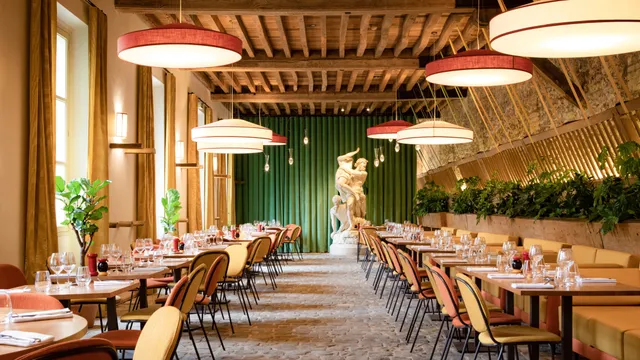
La Petite Venise
4.0
(596)
$$
Open until 12:00 AM
Click for details
Nearby local services of Petit Trianon
Queen’s Hamlet
Jardin du Roi
Water Sideboard
Castle Park
Bassin de Flore
Abc Mouv
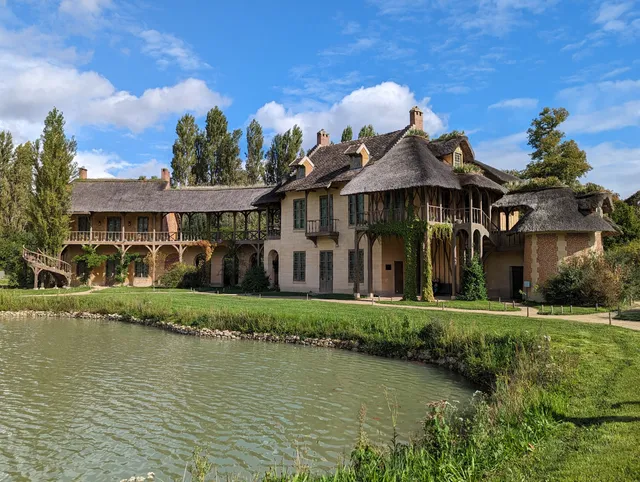
Queen’s Hamlet
4.8
(983)
Click for details
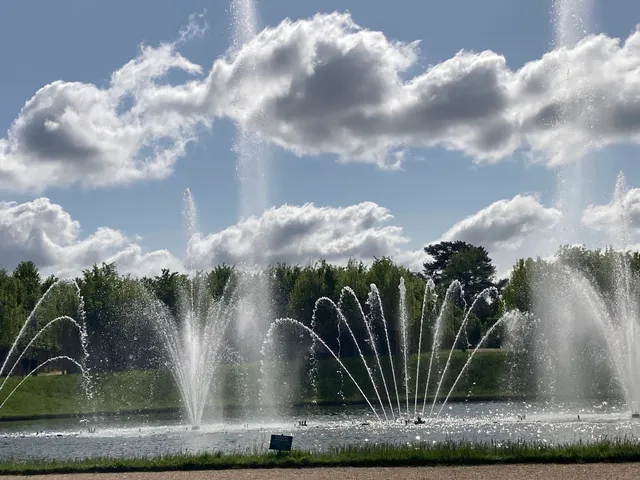
Jardin du Roi
4.7
(529)
Click for details
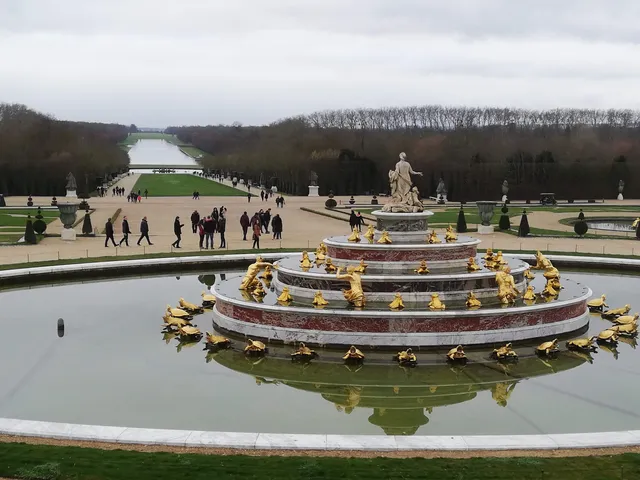
Water Sideboard
4.5
(19)
Click for details
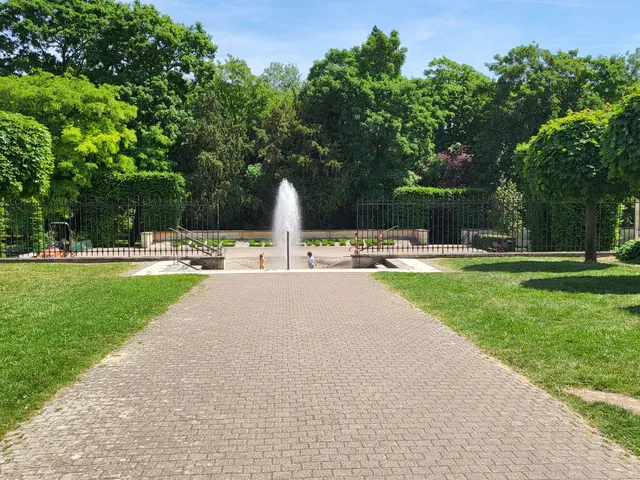
Castle Park
4.5
(621)
Click for details