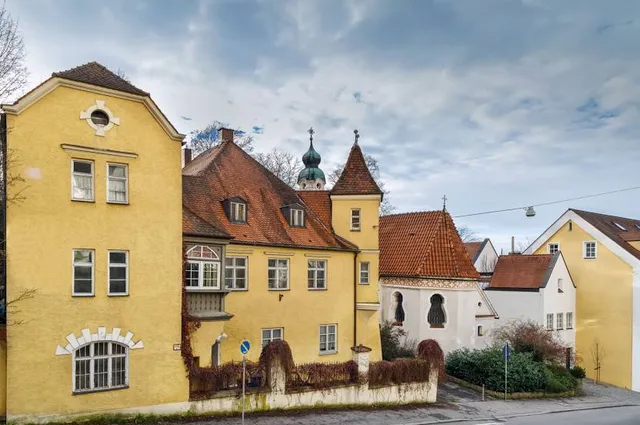
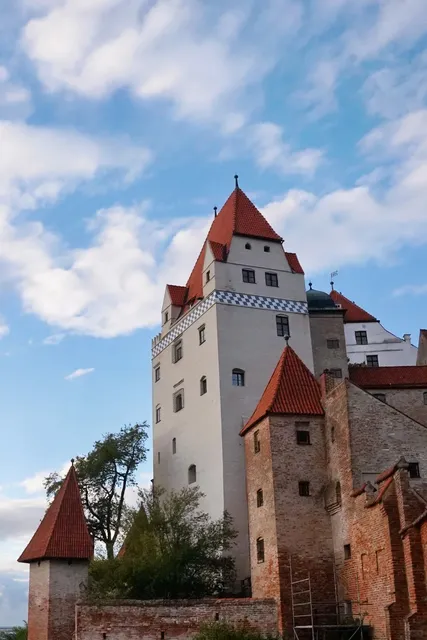
Trausnitz Castle is a medieval castle situated in Landshut, Bavaria in Germany. It was the home of the Wittelsbach dynasty, and it served as their ducal residence for Lower Bavaria from 1255–1503, and later as the seat of the hereditary rulers of the whole of Bavaria. The castle was founded in 1204 by Duke Ludwig I.
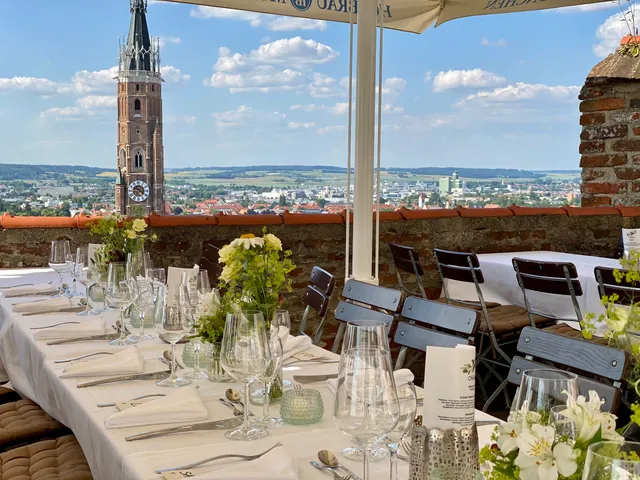
Trausnitz Castle is situated atop a hill above Landshut. Before the 16th century, it had the same name as the town, Landshut, which translates into "protector of the land". Previously, the castle guarded over the city and the surrounding land. The size of the castle has remained almost the same since Louis I of Bavaria in 1204. The castle was completed by the time of Emperor Frederick II's visit in 1235.
During the first half of the 13th century, Trausnitz represented not only the centre of imperial politics but also of Staufer culture. Landshut was visited by famous minstrel singers, including Walter von der Vogelweide and Tannhäuser, during this period. The patronage of art by the Dukes of Bavaria was so high that they sent for a sculptor from Strasbourg who created jewellery for a sculpture that now stands in the Castle's "Burgkapelle".
The wealthy Duke of Landshut repeatedly renovated and expanded the buildings in Burg Trausnitz during the 15th century. The Dürnitz was built during this time. The outer defensive ring of walls were heightened and extended for the defensive towers.
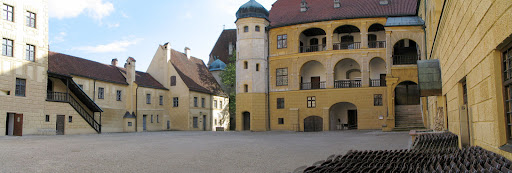
Duke Louis X of Bavaria furnished the castle in 1516 in the south German Renaissance style, though few examples remain today. The arcades of the courtyard were created 1568–1578 by Friedrich Sustris for Crown Prince William. Many paintings in the Florentine style were added at this time, but most were lost due to fires over the years. Later, Prince Ferdinand Maria (1675–1679) undertook restoration of the burned paintings and decorated other rooms with other paintings.
During the 18th century, the castle was used a barracks and a prison for noble prisoners. At the beginning of the 19th century it was used as a hospital. King Ludwig II of Bavaria (who was the creator of Neuschwanstein Castle in Füssen) ordered the decoration of a new splendid private apartment in the second floor of the prince's wing (1869-1873). In 1961, a fire destroyed much of the interior decoration, including the...
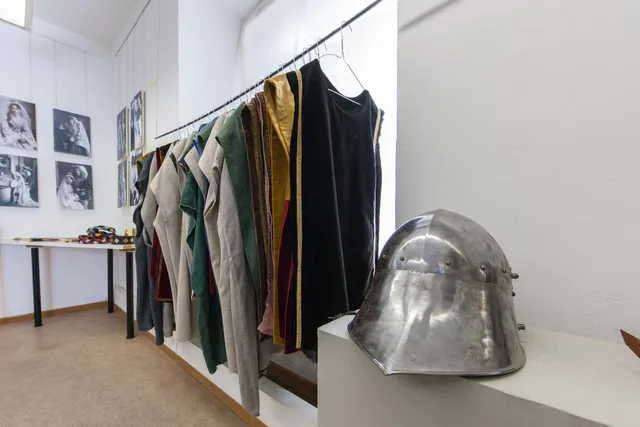
Read moreNa wzgórzu, wznoszącym się na ponad 500 m. nad poziom morza, górującym nad doliną Isary i co ważniejsze, nad przeprawą przez tę rzekę, już w IX/X wieku, wzniesiono czatownię, ponury kasztel, od którego nazwę przyjęła cała okolica. Landeshut, w wolnym tłumaczeniu, straż krajowa. W 1204 roku, książę Ludwik der Kelheimer rozpoczął budowę zamku, rezydencji. Przedsięwzięcie ukończono już za jego spadkobiercy, około 1235. Zamek był na tyle wygodnym i dobrze zaopatrzonym, że był w stanie gościć dwór cesarski Fryderyka II, ba, na jakiś czas stał się centrum politycznym Hohenstaufów. Od tej pory kasztel też został stałą rezydencją dynastii Wittelsbachów. Bogaci książęta z XV wieku, Henryk, Ludwik i Jerzy rozbudowali go i upiększyli. To za ich czasów gościli tu i koncertowali najsłynniejsi poeci i pieśniarze Cesarstwa, a gdy w 1475 roku książę Jerzy poślubił był córkę króla polskiego i wielkiego księcia litewskiego Kazimierza Jagiellończyka, Jadwigę, wszystkie dziedziny cesarskie i reszta Europy oniemiała z podziwu nad wystawnością uroczystości ślubnych i weselnych. W XVI stuleciu zmienił się zupełnie charakter zamku przemieniono go mianowicie w renesansową rezydencję. Wtedy też zmienia się jego nazwa na Trausnitz. Luksusowa rezydencja wyposażona była w komnaty z ogrzewaniem podłogowym. Posiadała nawet własny zoolog ze zwierzętami z Azji i Afryki. Potem przychodzi zawierucha wojny trzydziestoletniej. Zamek wpada w ręce Szwedów, którzy działali wedle doktryny "wojna wyżywi się sama", kradli rabowali i niszczyli wszystko co wpadło im w ręce. Odbudowany po pożodze zamek, z czasem przestał wystarczać zmieniającym się gustom książęcym. W XVIII wieku był już tylko więzieniem i szpitalem, a przejściowo, nawet manufakturą, przędzalnią wełny. W XIX stuleciu, koszarami. W XX wieku zorganizowano w jego murach muzeum. W 1961 roku zamek Trausnitz spłonął. Płomienie pochłonęły meble, stare boazerie, obrazy. Przyczyną kataklizmu był nieostrożny stróż, który nie wyłączył grzałki. Po odbudowie znowu sprowadzono tu artefakty z muzealnych magazynów i odtworzono działające do dziś muzeum. Najatrakcyjniejszą jego częścią jest... szesnastowieczna klatka schodowa, która przetrwała wszelkie kataklizmy i cieszy oczy barwnymi freskami z epoki renesansu. Naturalnej wielkości figury przedstawiają postacie z Comedia dell'arte. Miejsce to zwie się schodami błaznów, lub schodami głupców. Robi wrażenie wielka sala balowa, licząca, bagatela, 240 metrów kwadratowych powierzchni, no i oczywiście sala rycerska. Ciekawą jest czasowa wystawa przybliżająca epokę "Wesela w Landshut" na której prezentowane są repliki strojów i sztuka użytkowa "jesieni średniowiecza". Do zamku prowadzą trzy drogi, podejścia. Zdecydowanie najwygodniejszą jest ta wybrukowana czerwonym klinkierem zwaną Schodami Książęcymi, lub fortepianem wołowym. Dwie pozostałe drogi są dość ekstremalne z ostrymi podejściami pośród drzew i krzewów. Z zamku i wzgórza zamkowego czyli Hauptbergu roztacza się znakomity widok na dolinę Isary i miasto Landshut. To miejsce odwiedzić wypada, ba nawet trzeba, tak jak i miasteczko Landshut, pełne, dobrze zachowanych, śladów...
Read moreThis castle was amazing itself. The history of it, the structure, the art inside, as a teacher in USA, this was very interesting. The people who work in the castle were so kind and helpful. It was even more exciting to receive a copy of an English translation of each item behind the glass as they were so interesting and I wanted to learn more about them. Sadly, I was disappointed because not only are they not in order beginning with 1-30 on the entrance (it starts with 1 and the end and works backwards), but the item numbers don't all match the items. (They had a 6 for 9, it is so simple to switch the numbers for ALL visitors!) It is a task that could be done in one day, if someone chose to do so! Putting all that aside, the mannequins inside the rooms made the visit seem more real. (I can speak/read German, fyi, I just felt it was saddening for fellow English speakers to have to take the time to find the right numbers and then match to the...
Read more