The worst disappointment in my entire life. Everything's in German (expect of audioguide), no logical order. It's such a shame that museum with such a historical value is that kind of an disaster.
Answer to the museum: First, the staff were not very friendly, and I couldn’t find clear information about which languages were available for the audio guide. There was no obvious sign or notice about this, so it was confusing.
We also had a problem with the lockers. At the entrance, we tried to fit all our things into a small, free locker, but later we saw there were much bigger lockers near courtroom 600. If there had been signs about the large lockers earlier, it would have helped a lot.
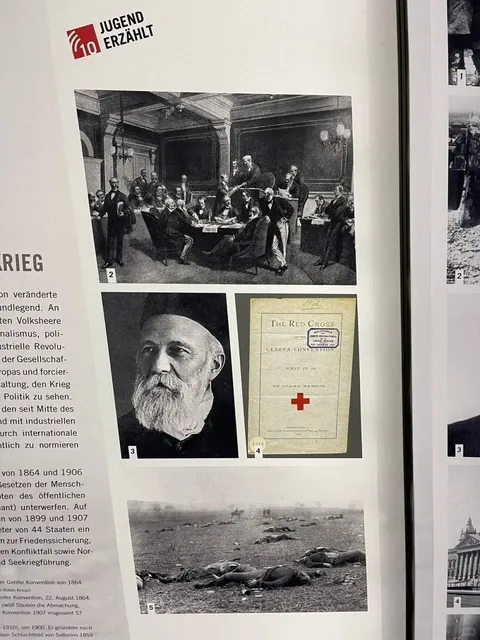
Almost everything in the museum is only written in German. The museum expects you to use the audio guide if you don’t speak German, but listening to the whole audio guide takes a very long time. It would be much nicer if there were English signs or translations, so you could pick out the things you’re most interested in or just quickly read the information. There are a few random English signs, but they don’t really make sense on their own and are confusing.
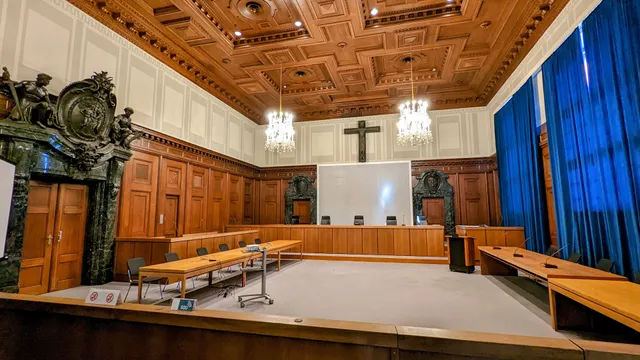
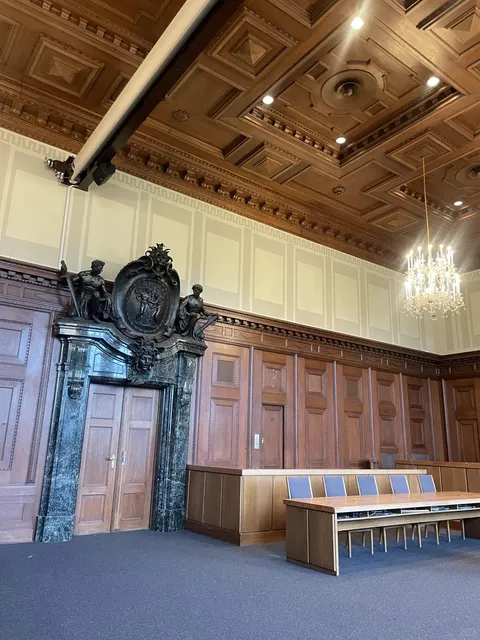
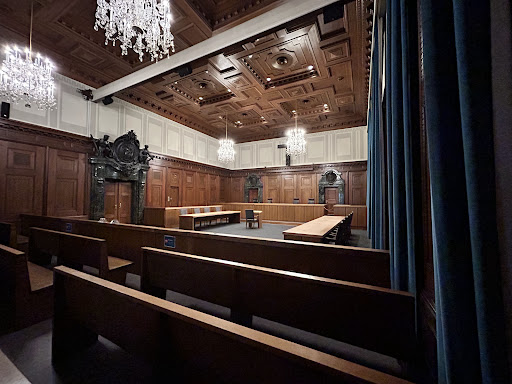
The video shown in courtroom 600 had some problems too. The subtitles were in a strange green text that was hard to see if you weren’t sitting right in front of it. The video switched between German (with English subtitles) and English (with no subtitles at all). The old recordings in English were hard to understand, especially for anyone with hearing problems or for those who don’t speak English fluently. It would help to have subtitles in both languages the whole time.
Honestly, the museum has so much potential and is very important, but right now it feels like everything is just written in German on the walls with almost no English or other languages. You only get extra information if you’re willing to spend hours listening to the audio guide. If they made it easier to find information, added more languages, and gave better instructions, it could be much better for visitors...
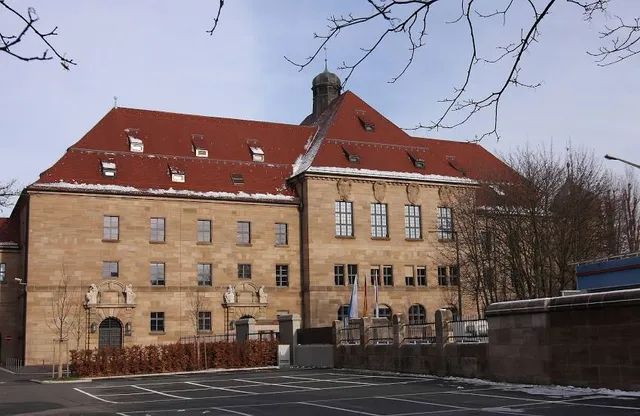
Read moreVisiting the Nuremberg Trials Memorial is a profound experience, offering insight into a pivotal moment in world history. Depending on your interests, the time spent at the memorial can vary. Here’s a suggested itinerary to enhance your visit:
Before the Visit: Background Research: Familiarize yourself with the history of World War II and the Nuremberg Trials. Understanding the context of the trials, including the charges like crimes against peace, war crimes, and crimes against humanity, will enrich your visit. Explore Nuremberg: The city itself is steeped in history. Nuremberg Castle, the Pegnitz River, and other historical sites offer a glimpse into the city’s past, shaping the backdrop of the trials.
Visit to the Memorial: *lTime Allocation: If you’re deeply interested in WWII history or legal history, you might want to spend several hours exploring the exhibits in detail. For a more general visit, 1-2 hours could suffice. Guided Tour: Consider taking a guided tour for a more comprehensive understanding. Check the memorial’s website for tour availability and times.
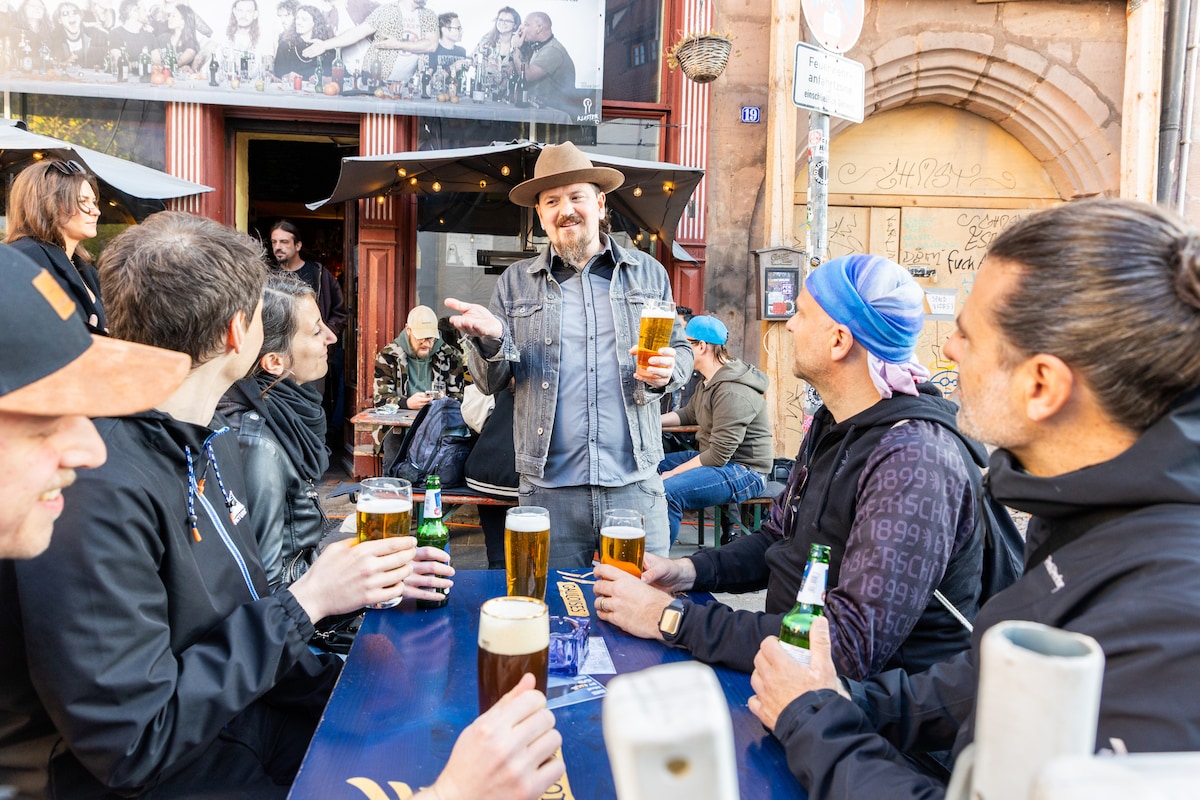
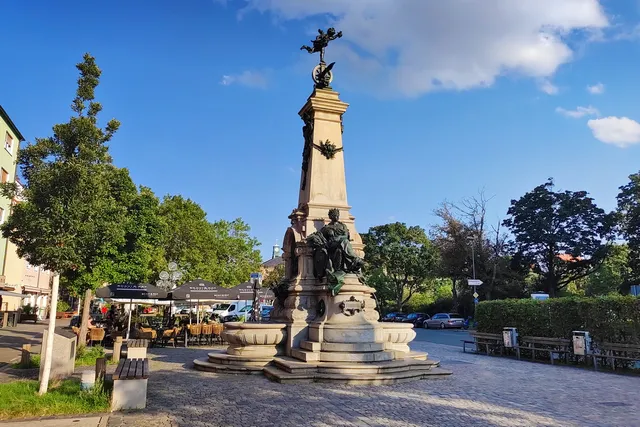
After the Visit: Reflective Walk: Take a walk through the historic parts of Nuremberg. The city's architecture and memorials offer space for reflection on the impact of the trials. Cultural Exploration: Visit other historical landmarks like the Nuremberg Opera House, or the Schöner Brunnen (Beautiful Fountain) for a broader cultural experience. Franconian Cuisine: End your day with a taste of local cuisine. Nuremberg is known for its unique Franconian dishes and beers.
Additional Tips: Check Opening Hours: Before your visit, check the latest opening hours and any restrictions. Photography: If you’re interested in photography, check the memorial’s policy on photography inside the exhibits.
This itinerary balances the weighty history of the Nuremberg Trials with the broader cultural and historical context of Nuremberg itself. It provides a comprehensive experience of both the memorial...
Read moreI had thought it would only take 45 minutes to visit the courthouse, and five minutes for Courtroom 600. WRONG. The exhibit was FAR more elaborate than I expected, showing how the whole concept of war crimes evolved, and showing a copy of the original Geneva Convention document and the 1920s global agreement on war crimes. It discusses how the plans for the trials were taking place as the war was still going on as word spread about Nazi atrocities. i had not been aware that some (like U.S. Treasury Secretary Henry Morgenthau) had wanted the Nazi leaders summarily executed, and it took some negotiations to set up a trial with procedural safeguards. The evidence included documents seized by the Allies, which made for chilling reading. Admission came with an audio-guide, which provided an English translation of the German plaques. Of course, they had profiles of the defendants, an information on trial logistics and the trial itself. They had videos featuring courtroom statements from prosecutor Robert Jackson and the major Nazi defendants, but it was taking so long to get a connection that I ran out of time. We were lucky to be there on a weekend, when there was almost zero chance of Courtroom 600 being in use. The mid-afternoon multimedia presentation was quite effective, and projected black-and-white images on the present-day courtroom, showing scenes from the actual trial, such as the defendants being led into the courtroom and sitting in the box. I would highly recommend finding a way to see that if you can. Among other things, it summarizes some of the information that's prsented in more detailed form within the exhibit. Overall, this is highly worthwhile, which is one expects from the care the Germans have taken in honestly and comprehensively documenting this dark chapter in...
Read more