Würzburg Residence things to do, attractions, restaurants, events info and trip planning
Basic Info
Würzburg Residence
Residenzpl. 2, 97070 Würzburg, Germany
4.7(5.4K)
Open until 4:30 PM

tickets
Save
spot
spot
Ratings & Description
Info
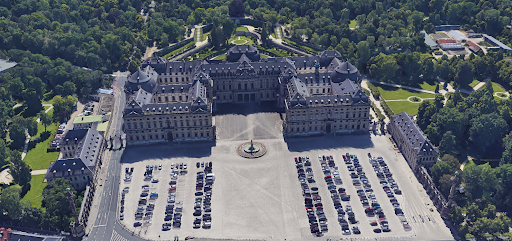
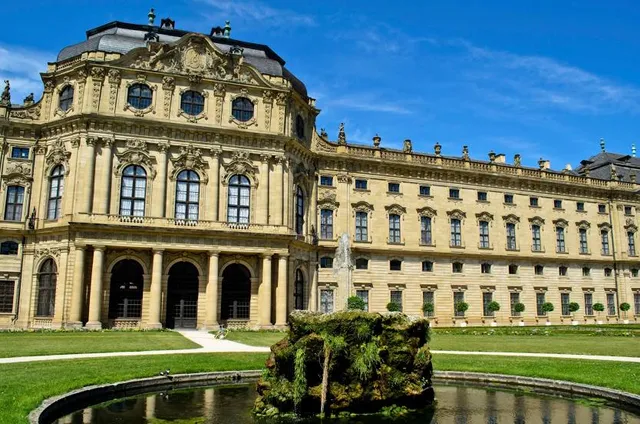
The Würzburg Residence is a palace in Würzburg, Germany. Johann Lukas von Hildebrandt and Maximilian von Welsch, representatives of the Austrian/South German Baroque style, were involved in the construction, as well as Robert de Cotte and Germain Boffrand, who were followers of the French Style.
Cultural
Accessibility
attractions: Court Garden, Martin von Wagner Museum, Court Church of Residence Würzburg, Staatlicher Hofkeller, Wurzburg Cathedral, Bürgerspital Winery, New Munster, Lusam Garden, Neubaukirche, MAD Museum am Dom, restaurants: Das Casa - Bestes Eis und specialty coffee in Würzburg, Luisengarten Restaurant - Würzburg, Wirtshaus am Dom Würzburg, Café Mozart, Bürgerspital-Weinstuben, Ristorante Le Candele, Wirtshaus Karthäuser, Hanselmann Bakery, Restaurant Sankt Michael, Café Bar Lenz, local businesses: Court Garden, Klein Nizza (Ringpark), Media Markt, St John in Stift Haug, Star Square, Am Markt, Antep Döner & Pizza Würzburg, Douglas, WVV Parken Würzburg Parkhaus Marktgarage, Würzburg City Hall
 Learn more insights from Wanderboat AI.
Phone
+49 931 355170
Website
residenz-wuerzburg.de
Open hoursSee all hours
Wed10 AM - 4:30 PMOpen
Plan your stay

Pet-friendly Hotels in Würzburg
Find a cozy hotel nearby and make it a full experience.

Affordable Hotels in Würzburg
Find a cozy hotel nearby and make it a full experience.

The Coolest Hotels You Haven't Heard Of (Yet)
Find a cozy hotel nearby and make it a full experience.

Trending Stays Worth the Hype in Würzburg
Find a cozy hotel nearby and make it a full experience.
Reviews
Live events

Candlelight: Tribut an Taylor Swift
Sat, Jan 31 • 6:00 PM
Domerschulstraße 16, Würzburg, 97070
View details
Nearby attractions of Würzburg Residence
Court Garden
Martin von Wagner Museum
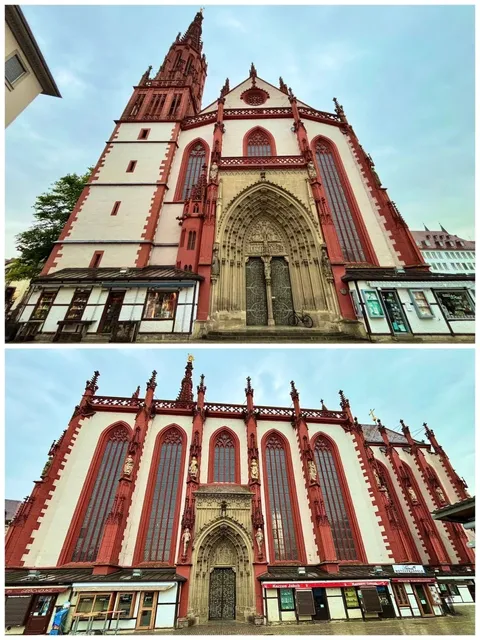
Court Church of Residence Würzburg
Staatlicher Hofkeller
Wurzburg Cathedral
Bürgerspital Winery
New Munster
Lusam Garden
Neubaukirche
MAD Museum am Dom
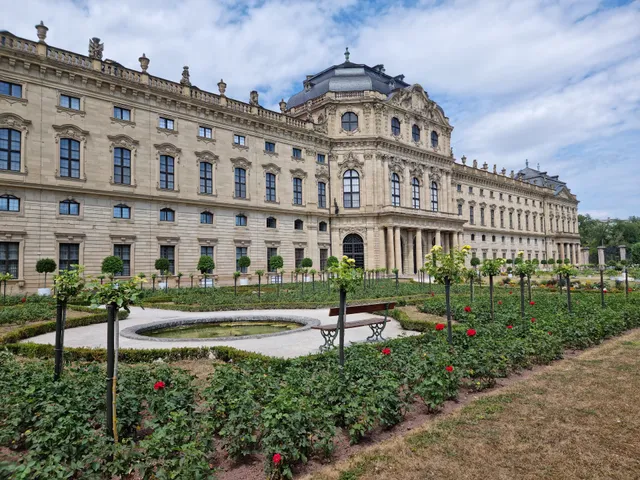
Court Garden
4.8
(1.4K)
Open until 4:30 PM
Click for details
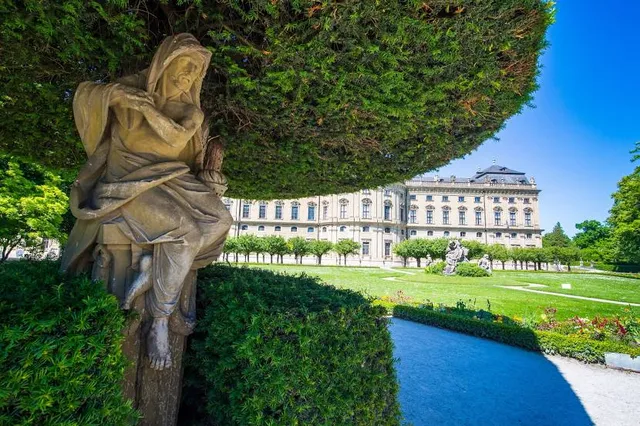
Martin von Wagner Museum
4.4
(30)
Open 24 hours
Click for details
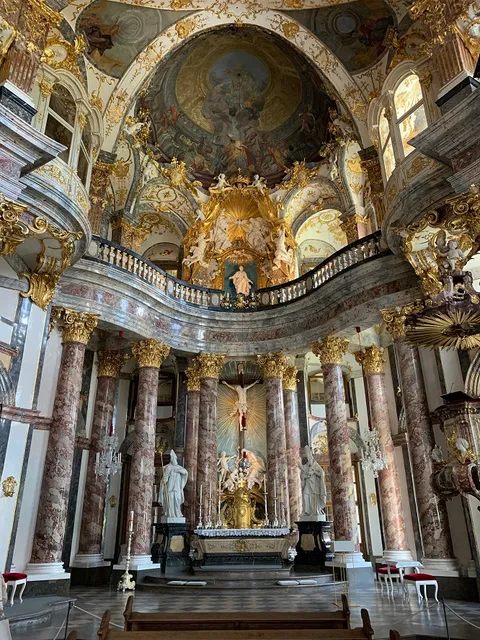
Court Church of Residence Würzburg
4.8
(109)
Open 24 hours
Click for details

Staatlicher Hofkeller
4.3
(100)
Open until 6:00 PM
Click for details
Nearby restaurants of Würzburg Residence
Das Casa - Bestes Eis und specialty coffee in Würzburg
Luisengarten Restaurant - Würzburg
Wirtshaus am Dom Würzburg
Café Mozart
Bürgerspital-Weinstuben
Ristorante Le Candele
Wirtshaus Karthäuser
Hanselmann Bakery
Restaurant Sankt Michael
Café Bar Lenz
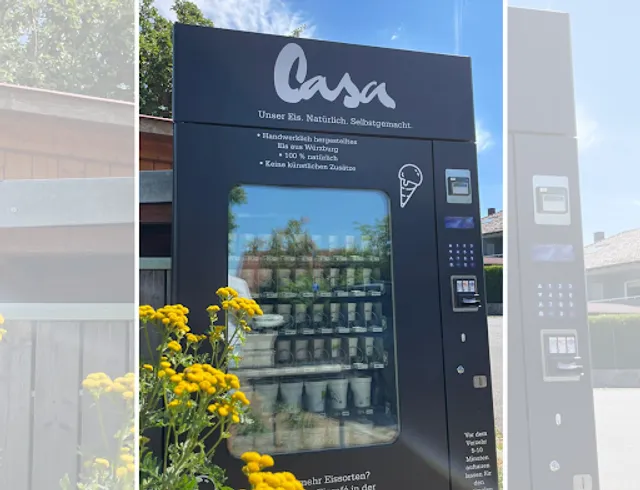
Das Casa - Bestes Eis und specialty coffee in Würzburg
4.7
(360)
$$
Open until 6:00 PM
Click for details
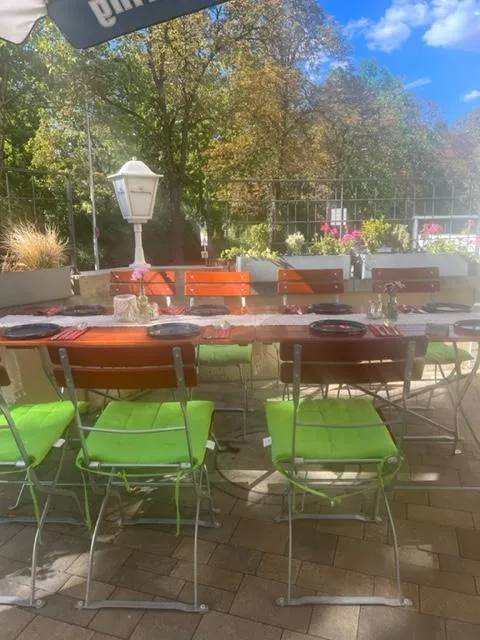
Luisengarten Restaurant - Würzburg
4.7
(537)
Closed
Click for details
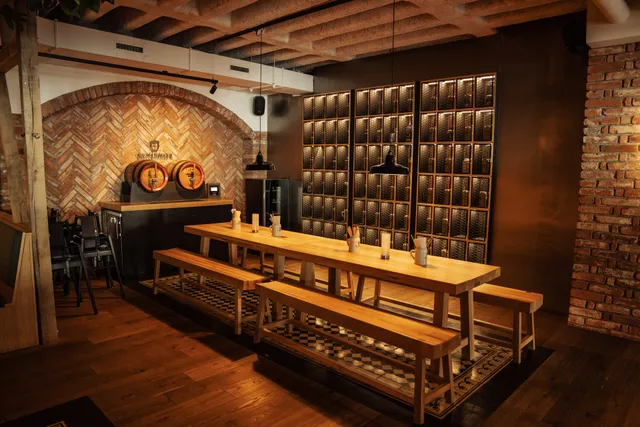
Wirtshaus am Dom Würzburg
4.5
(1.1K)
Closed
Click for details
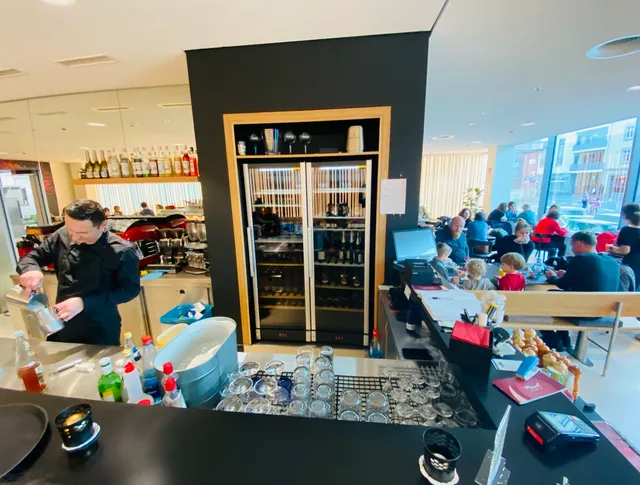
Café Mozart
4.3
(597)
Open until 11:00 PM
Click for details
Nearby local services of Würzburg Residence
Court Garden
Klein Nizza (Ringpark)
Media Markt
St John in Stift Haug
Star Square
Am Markt
Antep Döner & Pizza Würzburg
Douglas
WVV Parken Würzburg Parkhaus Marktgarage
Würzburg City Hall
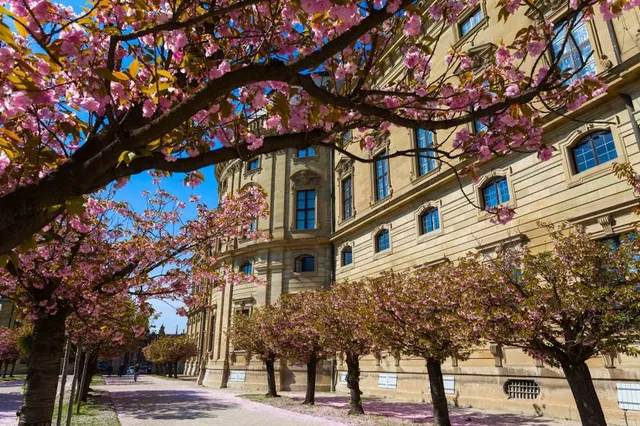
Court Garden
4.8
(1.2K)
Click for details
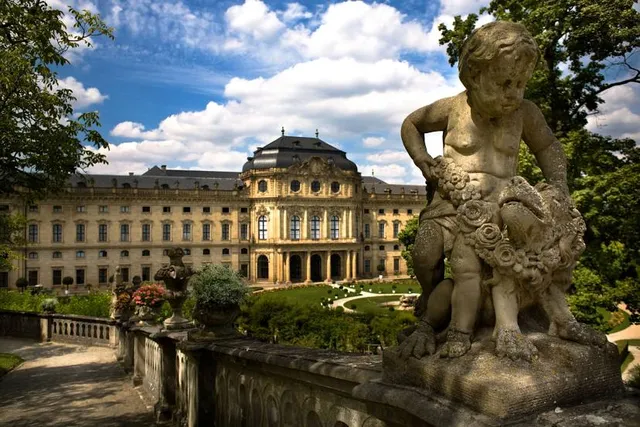
Klein Nizza (Ringpark)
4.7
(248)
Click for details
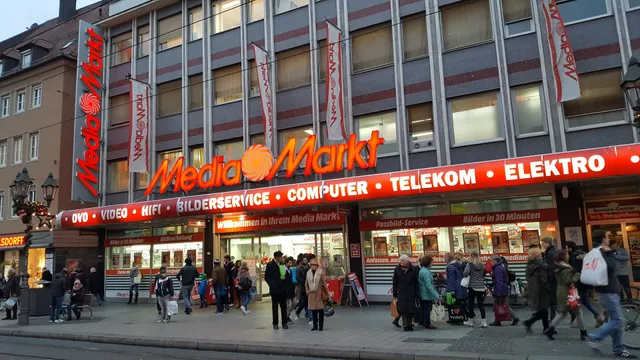
Media Markt
3.8
(1.0K)
Click for details
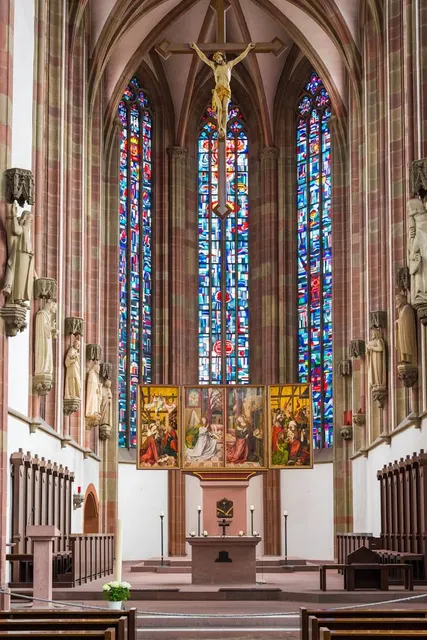
St John in Stift Haug
4.4
(125)
Click for details