Tihanyi Bencés Apátság things to do, attractions, restaurants, events info and trip planning
Basic Info
Tihanyi Bencés Apátság
Tihany, I. András tér 1, 8237 Hungary
4.7(6.5K)
Open until 4:00 PM

tickets
Save
spot
spot
Ratings & Description
Info
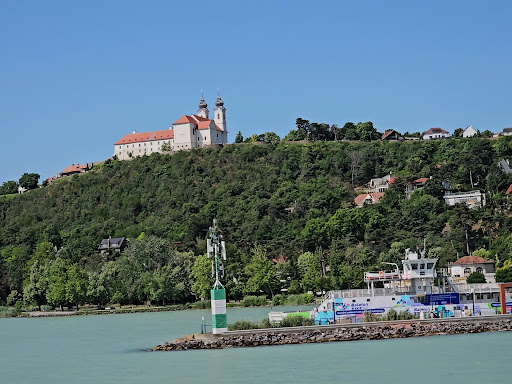
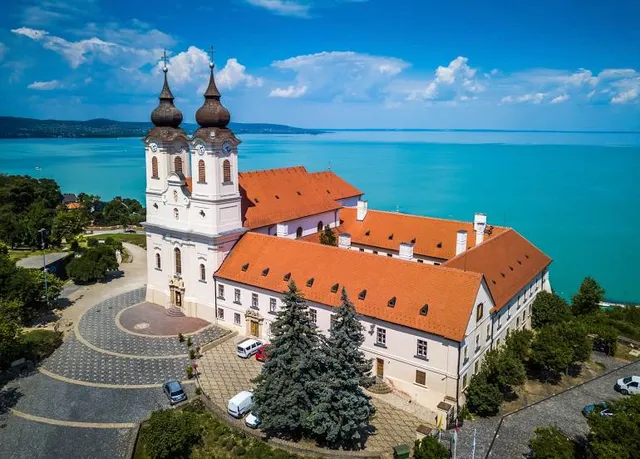
The Tihany Abbey is a Benedictine monastery established in Tihany in the Kingdom of Hungary in 1055. Its patrons are the Virgin Mary and Saint Aignan of Orleans.
Cultural
Family friendly
attractions: Tihanyi kilátás, Magyar Királyok Panoptikuma & Kalózmúzeum, Kolodko: Gombóc Artúr miniszobor, Lokomotív kisvonat Tihany, Tihanyi Tájházak, EAU DE TIHANY - Illatok Háza, Tihanyi visszhang, Fazekasház, Tihanyi Babamúzeum Kft., Garda Akvárium, restaurants: Stég Pizzéria Étterem, Tihany Retro Pizzéria, Gulyás udvar Étterem, Csárdás Vendéglő, Tűzkert Étterem, Levendula Kézműves Fagylaltozó Tihany, Régi Idők Udvara Skanzen és Étterem, Tihanyi Gasztrokert, Villa Pisky, Kecskeköröm Csárda, local businesses: Ice Cream Parlor and Cafe Tihany, Csokonai liget, Tündérsziget-Art Kft., Sport Terrace Tihany, Lavender Shop Tihany, Lake Belso, Dottó kisvasút, Akasztó-dombi kilátópont
 Learn more insights from Wanderboat AI.
Phone
+36 87 538 200
Website
tihanyiapatsag.hu
Open hoursSee all hours
Mon10 AM - 4 PMOpen
Plan your stay

Pet-friendly Hotels in Balatonfüredi járás
Find a cozy hotel nearby and make it a full experience.

Affordable Hotels in Balatonfüredi járás
Find a cozy hotel nearby and make it a full experience.

The Coolest Hotels You Haven't Heard Of (Yet)
Find a cozy hotel nearby and make it a full experience.

Trending Stays Worth the Hype in Balatonfüredi járás
Find a cozy hotel nearby and make it a full experience.
Reviews
Nearby attractions of Tihanyi Bencés Apátság
Tihanyi kilátás
Magyar Királyok Panoptikuma & Kalózmúzeum
Kolodko: Gombóc Artúr miniszobor
Lokomotív kisvonat Tihany
Tihanyi Tájházak
EAU DE TIHANY - Illatok Háza
Tihanyi visszhang
Fazekasház
Tihanyi Babamúzeum Kft.
Garda Akvárium
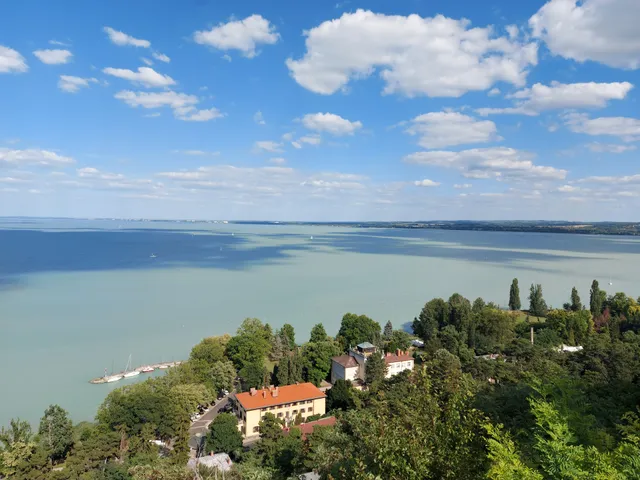
Tihanyi kilátás
4.9
(364)
Open until 12:00 AM
Click for details

Magyar Királyok Panoptikuma & Kalózmúzeum
4.1
(216)
Open 24 hours
Click for details
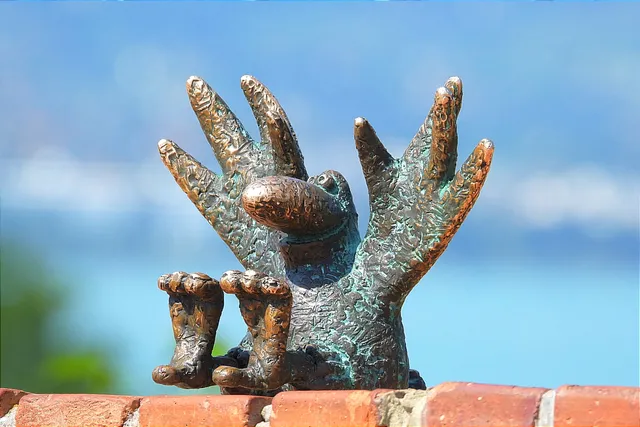
Kolodko: Gombóc Artúr miniszobor
4.9
(127)
Open until 12:00 AM
Click for details
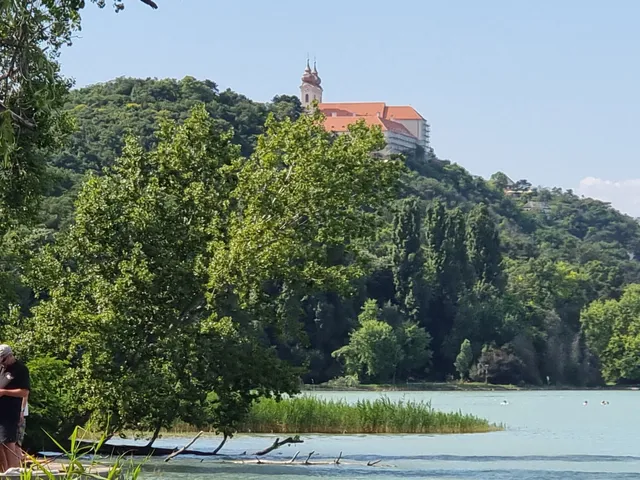
Lokomotív kisvonat Tihany
4.0
(95)
Open until 12:00 AM
Click for details
Nearby restaurants of Tihanyi Bencés Apátság
Stég Pizzéria Étterem
Tihany Retro Pizzéria
Gulyás udvar Étterem
Csárdás Vendéglő
Tűzkert Étterem
Levendula Kézműves Fagylaltozó Tihany
Régi Idők Udvara Skanzen és Étterem
Tihanyi Gasztrokert
Villa Pisky
Kecskeköröm Csárda
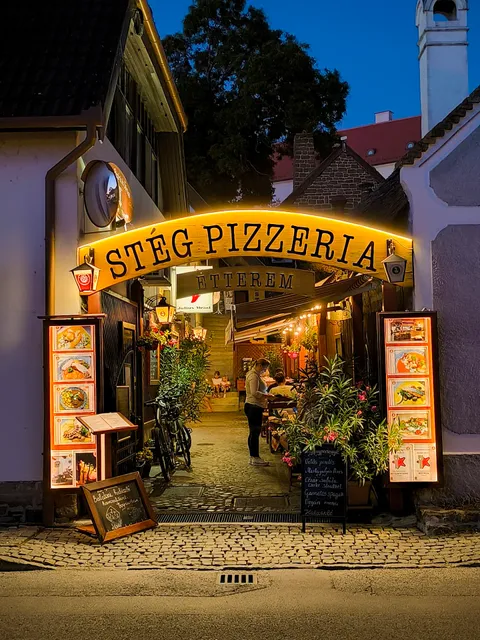
Stég Pizzéria Étterem
4.7
(844)
Open until 12:00 AM
Click for details
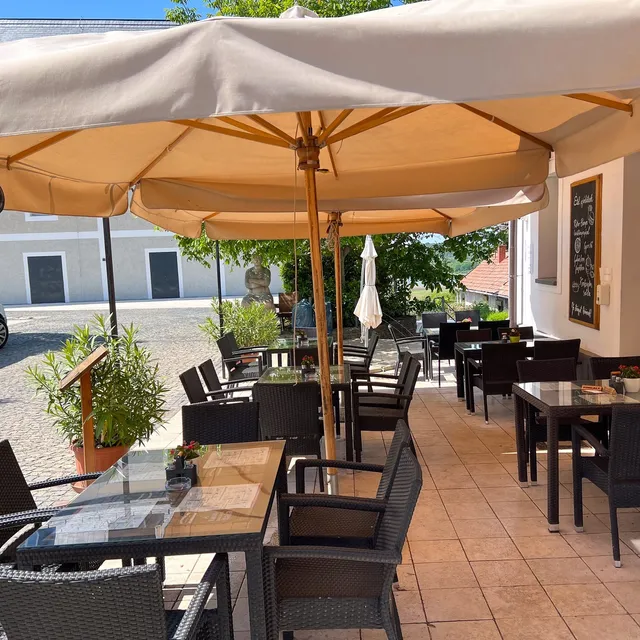
Tihany Retro Pizzéria
4.7
(574)
Click for details
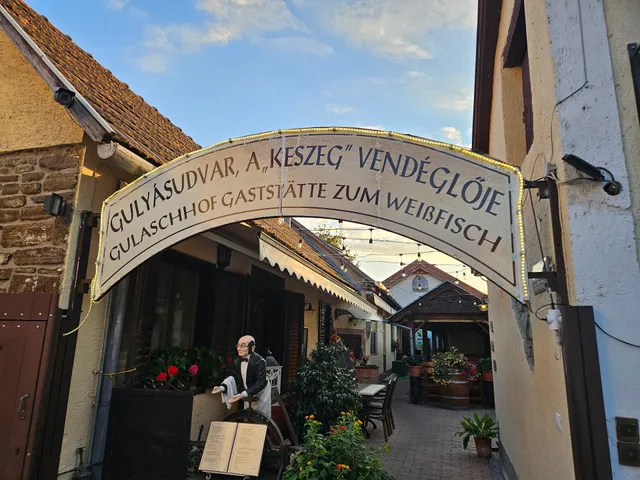
Gulyás udvar Étterem
4.7
(670)
Closed
Click for details
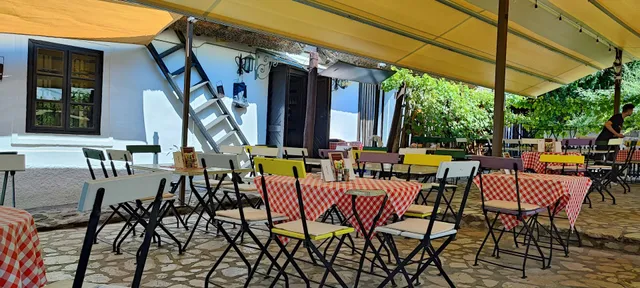
Csárdás Vendéglő
2.3
(350)
Open until 9:00 PM
Click for details
Nearby local services of Tihanyi Bencés Apátság
Ice Cream Parlor and Cafe Tihany
Csokonai liget
Tündérsziget-Art Kft.
Sport Terrace Tihany
Lavender Shop Tihany
Lake Belso
Dottó kisvasút
Akasztó-dombi kilátópont
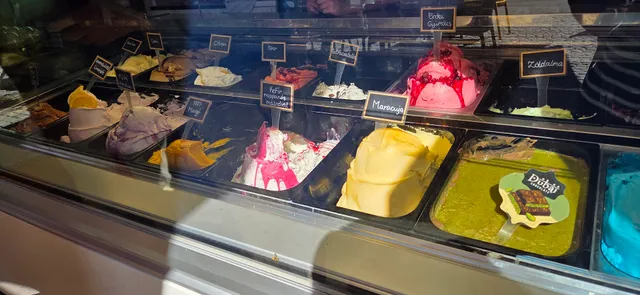
Ice Cream Parlor and Cafe Tihany
4.1
(69)
Click for details
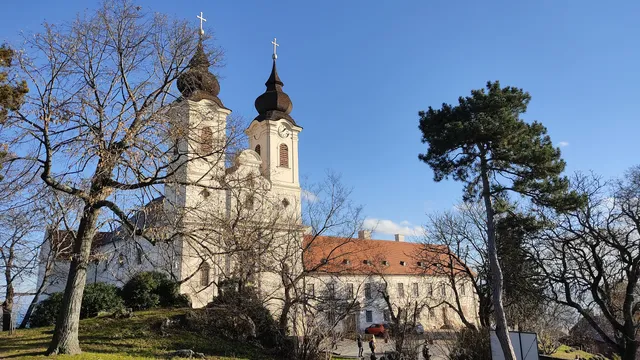
Csokonai liget
5.0
(19)
Click for details
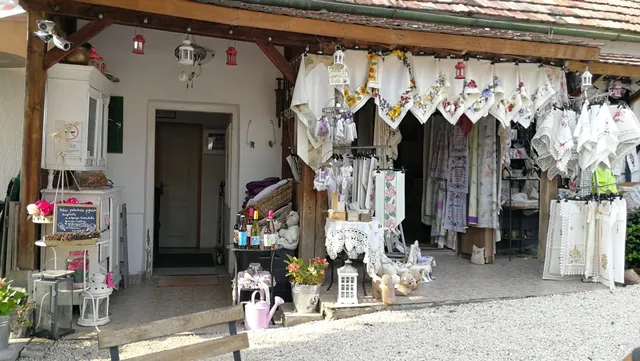
Tündérsziget-Art Kft.
3.8
(53)
Click for details
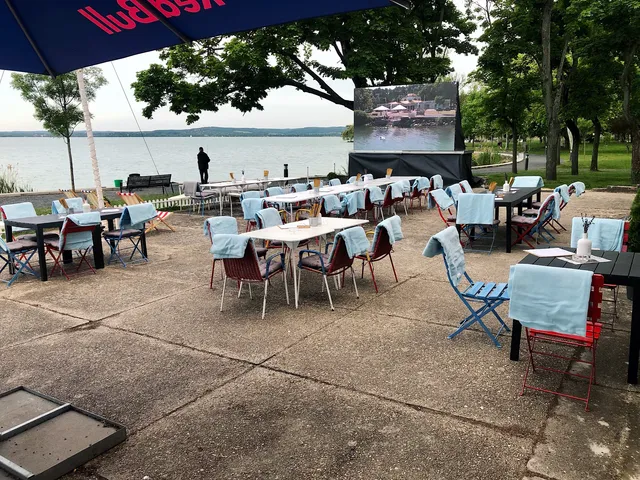
Sport Terrace Tihany
4.7
(327)
Click for details