Reök Palace things to do, attractions, restaurants, events info and trip planning
Basic Info
Reök Palace
Szeged, Magyar Ede tér 2, 6720 Hungary
4.7(418)
Open until 12:00 AM

tickets
Save
spot
spot
Ratings & Description
Info
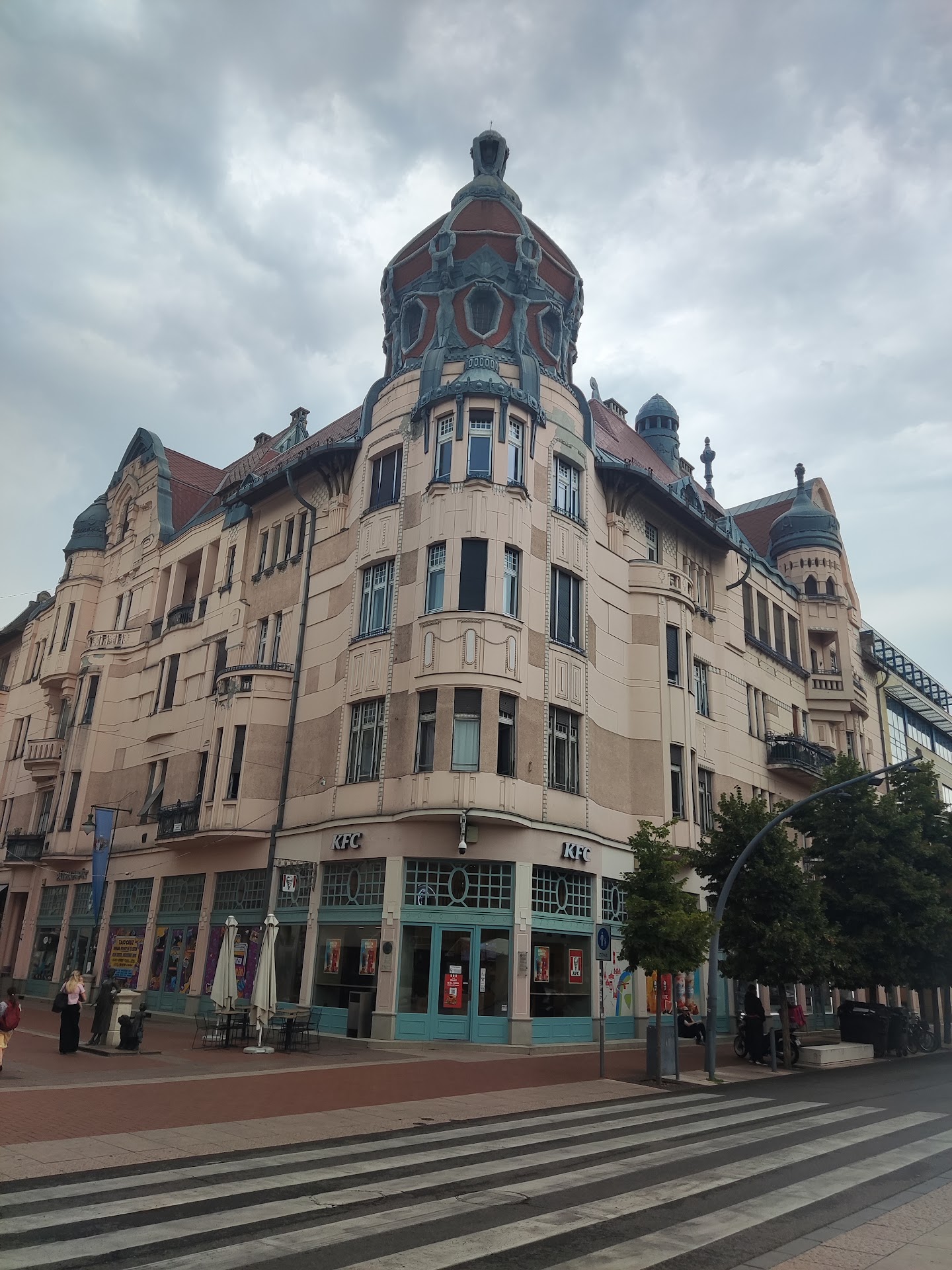
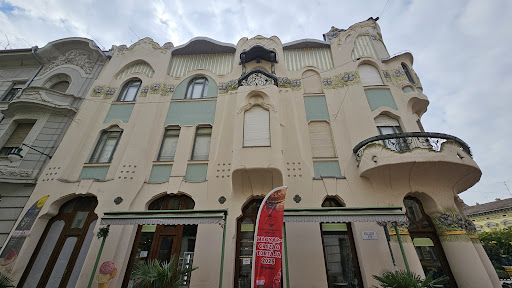
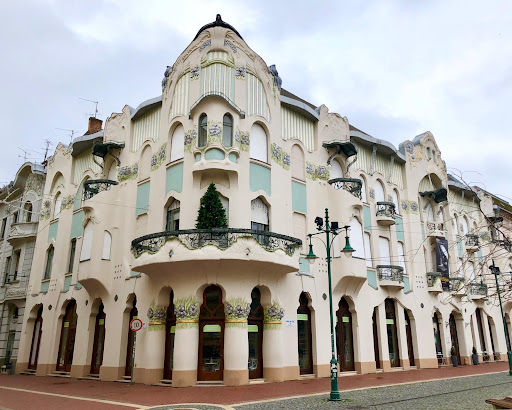
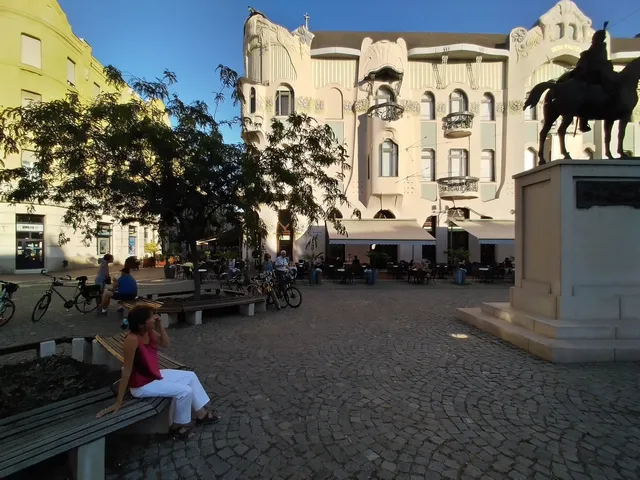
The Reök Palace is an Art Nouveau building in downtown Szeged. It was designed by Ede Magyar and built in 1907. It hosts exhibitions of modern fine arts.
Cultural
Entertainment
Accessibility
Family friendly
attractions: Votive Church of Szeged, New Synagogue, Black House, Museum of Móra Ferenc, Dömötör Tower, Heroes' Gate, Kass Galéria, Castle museum Szeged, Bor tér, Móra Ferenc Park, restaurants: Trattoria iL Divo, Trója Ételbár, Corso Café, hummusbar, Concept Bisztró, Pipipont, Pizza E Pasta, Zöldlevelecske Salátaműhely, Starbucks Szeged Kárász, Famous Steakhouse, local businesses: Reök Handmade Confectionery and Coffee House, Haunted House Escape Room Szeged, Vitéz u. 28, Kígyó u. 2, Czarny dom, Tisza Lajos krt. 47, Palánta Salátabár, SoupPort Levesbár, Anna Thermal Baths, Foltos Zebra
 Learn more insights from Wanderboat AI.
Phone
+36 62 471 411
Website
reok.hu
Open hoursSee all hours
Tue10 AM - 6 PMOpen
Plan your stay

Pet-friendly Hotels in Szegedi járás
Find a cozy hotel nearby and make it a full experience.

Affordable Hotels in Szegedi járás
Find a cozy hotel nearby and make it a full experience.

The Coolest Hotels You Haven't Heard Of (Yet)
Find a cozy hotel nearby and make it a full experience.

Trending Stays Worth the Hype in Szegedi járás
Find a cozy hotel nearby and make it a full experience.
Reviews
Nearby attractions of Reök Palace
Votive Church of Szeged
New Synagogue
Black House
Museum of Móra Ferenc
Dömötör Tower
Heroes' Gate
Kass Galéria
Castle museum Szeged
Bor tér
Móra Ferenc Park
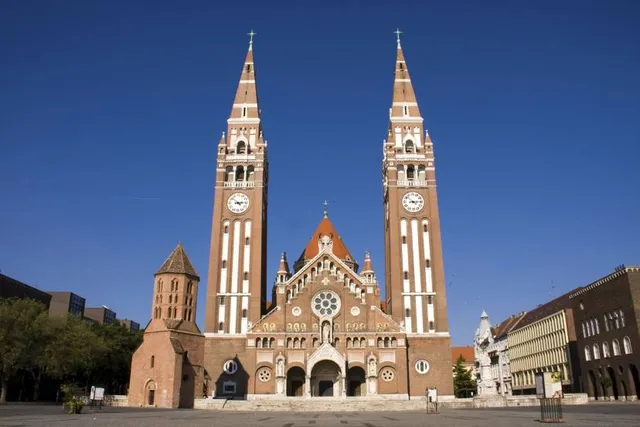
Votive Church of Szeged
4.8
(4.8K)
Closed
Click for details
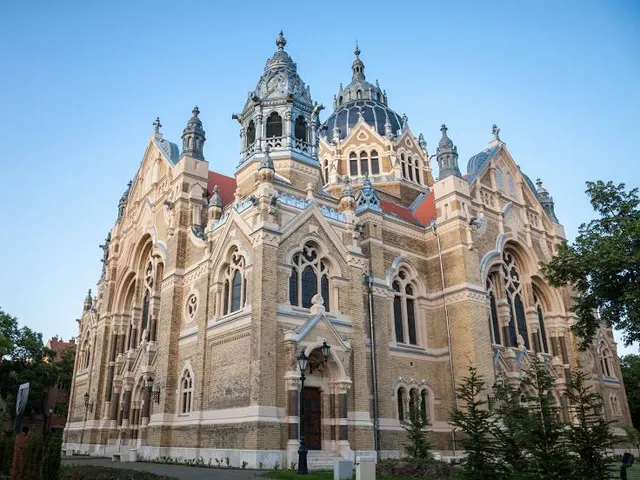
New Synagogue
4.7
(1.0K)
Open until 12:00 AM
Click for details
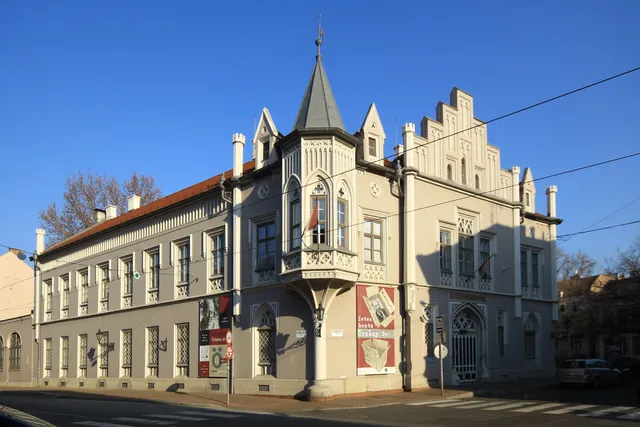
Black House
4.5
(220)
Closed
Click for details
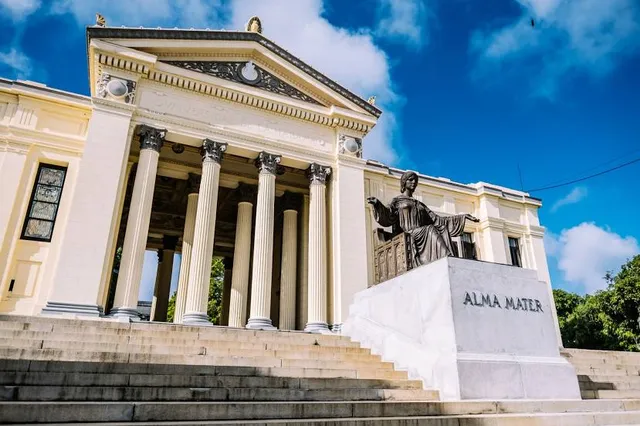
Museum of Móra Ferenc
4.7
(2.2K)
Closed
Click for details
Nearby restaurants of Reök Palace
Trattoria iL Divo
Trója Ételbár
Corso Café
hummusbar
Concept Bisztró
Pipipont
Pizza E Pasta
Zöldlevelecske Salátaműhely
Starbucks Szeged Kárász
Famous Steakhouse
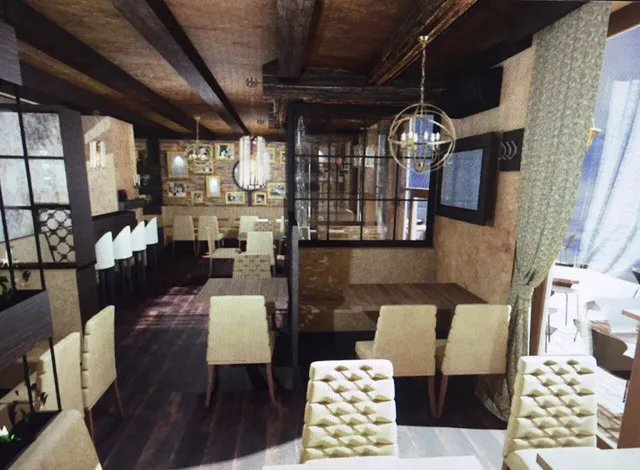
Trattoria iL Divo
4.6
(546)
$$$
Closed
Click for details
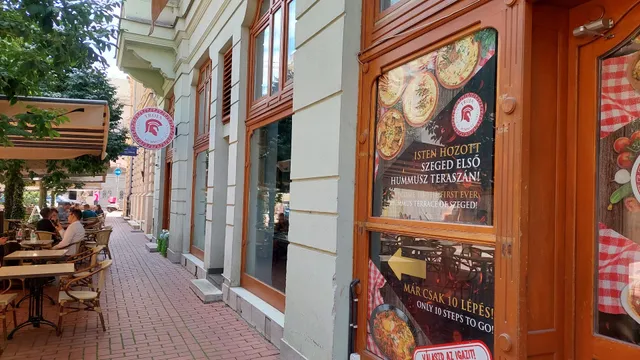
Trója Ételbár
4.3
(1.4K)
Closed
Click for details
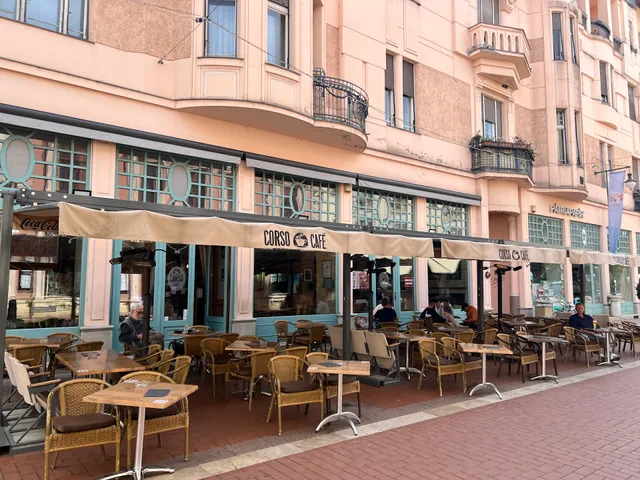
Corso Café
4.6
(619)
Closed
Click for details
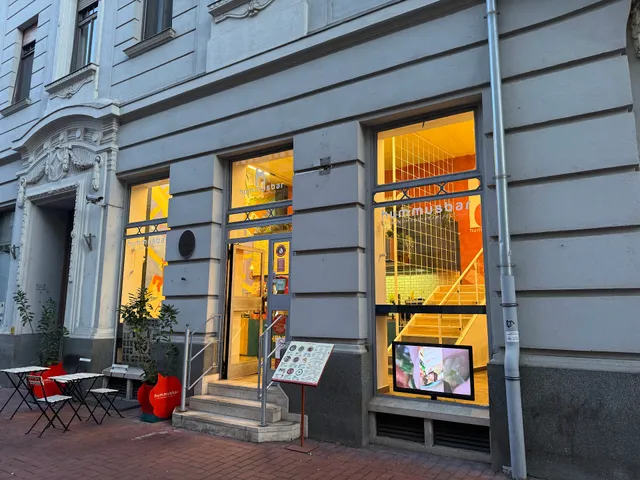
hummusbar
4.7
(233)
Closed
Click for details
Nearby local services of Reök Palace
Reök Handmade Confectionery and Coffee House
Haunted House Escape Room Szeged
Vitéz u. 28
Kígyó u. 2
Czarny dom
Tisza Lajos krt. 47
Palánta Salátabár
SoupPort Levesbár
Anna Thermal Baths
Foltos Zebra

Reök Handmade Confectionery and Coffee House
4.6
(1.1K)
Click for details
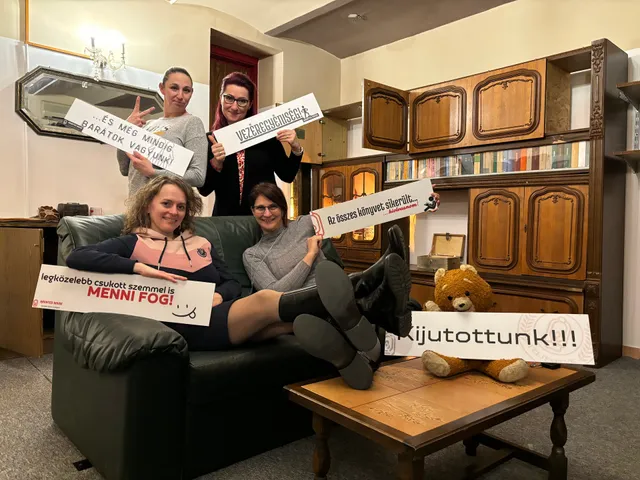
Haunted House Escape Room Szeged
5.0
(862)
Click for details
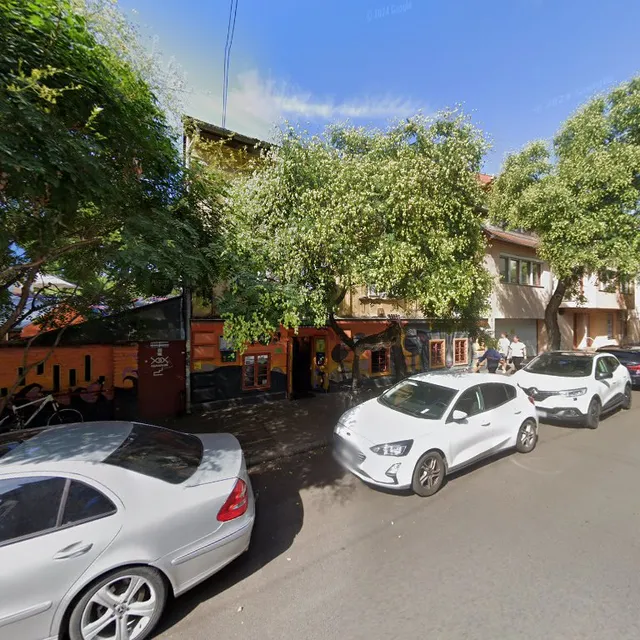
Vitéz u. 28
4.5
(1.3K)
Click for details
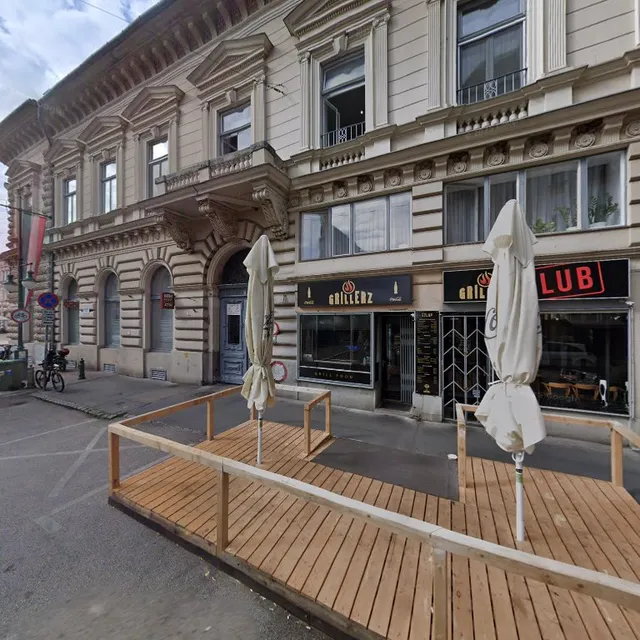
Kígyó u. 2
4.4
(13)
Click for details