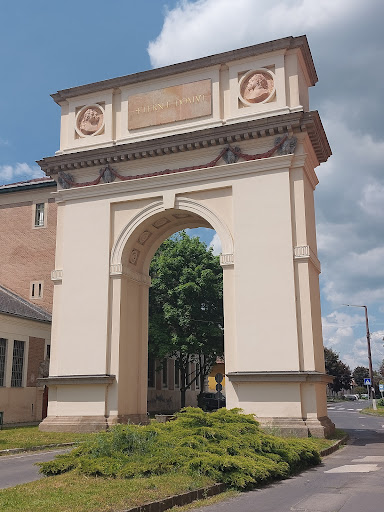
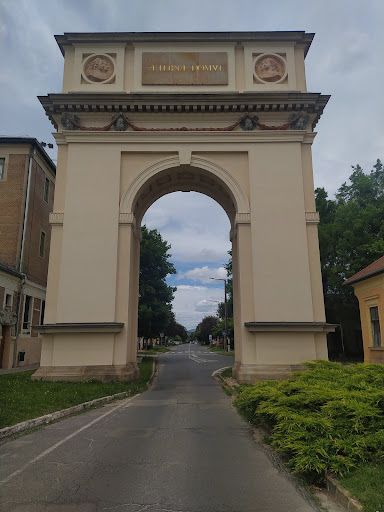
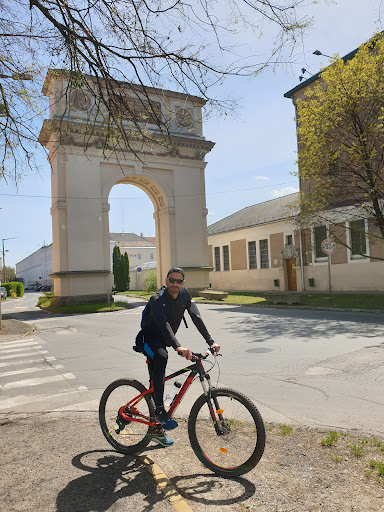
Triumphal Arch of Vác things to do, attractions, restaurants, events info and trip planning

Basic Info
Triumphal Arch of Vác
Vác, Köztársaság út 65, 2600 Hungary
4.7(370)
Open 24 hours
Save
spot
spot
Ratings & Description
Info
Cultural
Scenic
Accessibility
attractions: Sajdik Ferenc gyűjtemény, Tragor Ignác Múzeum Memento Mori/Ars Memorandi Kiállítóhely, Váci Egyházművészeti Gyűjtemény, restaurants: Piccadilly Pizzéria, Csocsaj Grill, Ittali Pizza Vác, Pampalini Pizzéria és Étterem, Révkapu Kisvendéglő, Farm Burger Vác, MonAmi, Remete Pince Étterem, Sashimi Étterem, Vác Pizzabáló, local businesses: Naszály út 2, Print Gyorsnyomda
 Learn more insights from Wanderboat AI.
Plan your stay

Pet-friendly Hotels in Váci járás
Find a cozy hotel nearby and make it a full experience.

Affordable Hotels in Váci járás
Find a cozy hotel nearby and make it a full experience.

The Coolest Hotels You Haven't Heard Of (Yet)
Find a cozy hotel nearby and make it a full experience.

Trending Stays Worth the Hype in Váci járás
Find a cozy hotel nearby and make it a full experience.
Reviews
Live events
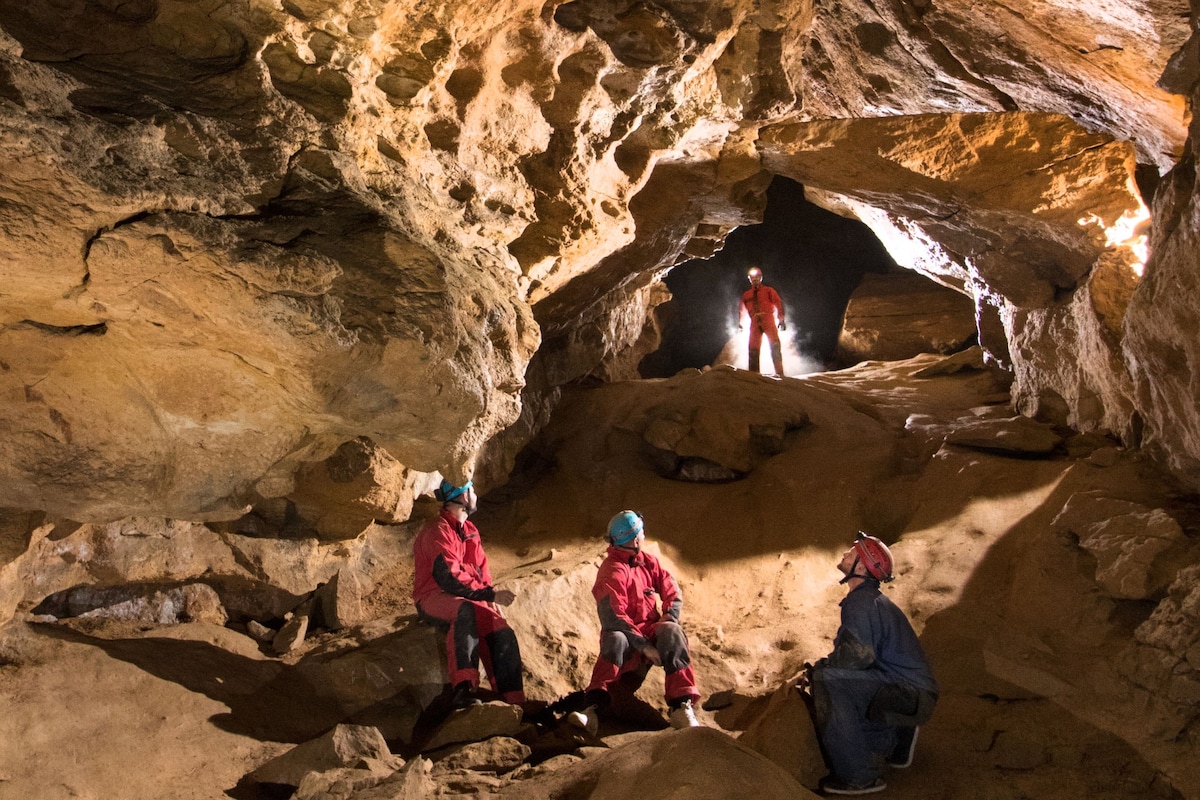
Tours in the longest cave of Budapest
Mon, Jan 26 • 10:00 AM
Budapest, 1025, Hungary
View details

Cursor Meetup Budapest
Wed, Jan 28 • 5:00 PM
Budapest
View details

n8n Budapest Hackathon
Fri, Jan 30 • 5:00 PM
Puzl CowOrKing Budapest, Budapest, Lajos u. 126-130, 1036 Hungary
View details
Nearby attractions of Triumphal Arch of Vác
Sajdik Ferenc gyűjtemény
Tragor Ignác Múzeum Memento Mori/Ars Memorandi Kiállítóhely
Váci Egyházművészeti Gyűjtemény

Sajdik Ferenc gyűjtemény
4.8
(60)
Closed
Click for details

Tragor Ignác Múzeum Memento Mori/Ars Memorandi Kiállítóhely
4.7
(280)
Open until 12:00 AM
Click for details

Váci Egyházművészeti Gyűjtemény
4.5
(20)
Open until 12:00 AM
Click for details
Nearby restaurants of Triumphal Arch of Vác
Piccadilly Pizzéria
Csocsaj Grill
Ittali Pizza Vác
Pampalini Pizzéria és Étterem
Révkapu Kisvendéglő
Farm Burger Vác
MonAmi
Remete Pince Étterem
Sashimi Étterem
Vác Pizzabáló
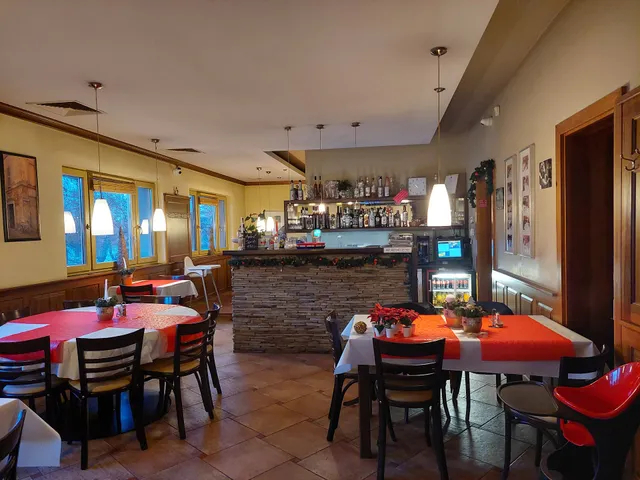
Piccadilly Pizzéria
4.2
(341)
$$
Closed
Click for details
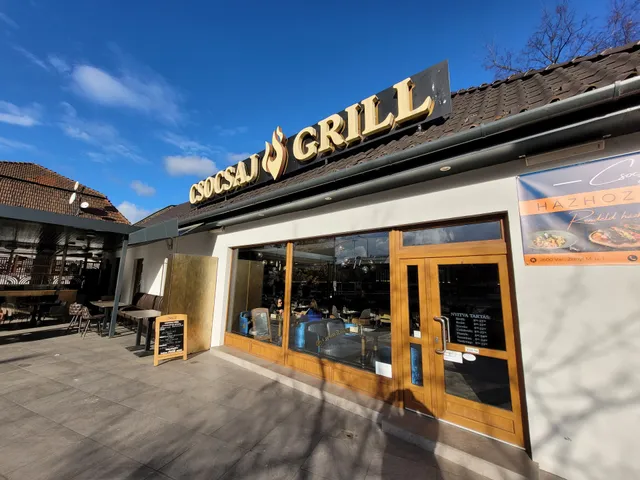
Csocsaj Grill
4.0
(520)
Closed
Click for details
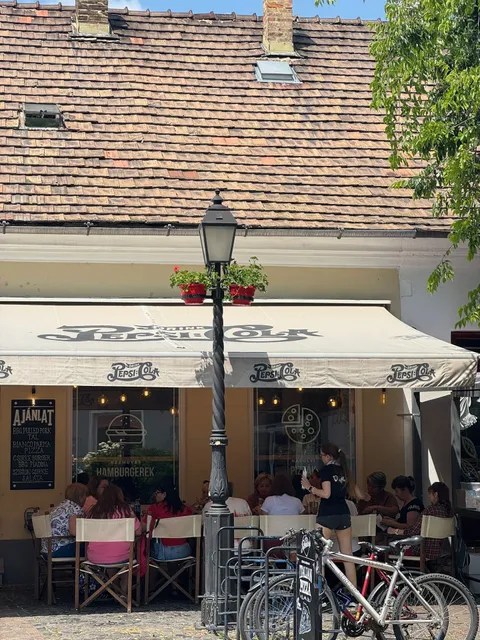
Ittali Pizza Vác
4.8
(1.1K)
$
Click for details
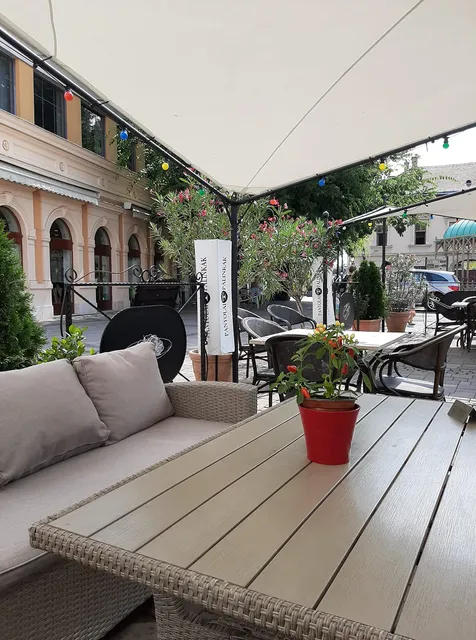
Pampalini Pizzéria és Étterem
4.3
(868)
$$
Closed
Click for details
Nearby local services of Triumphal Arch of Vác
Naszály út 2
Print Gyorsnyomda
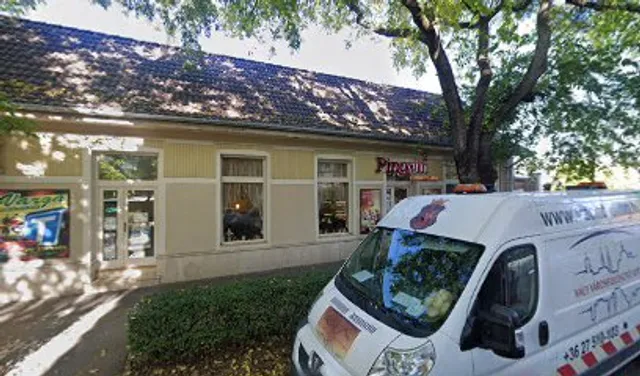
Naszály út 2
4.3
(309)
Click for details
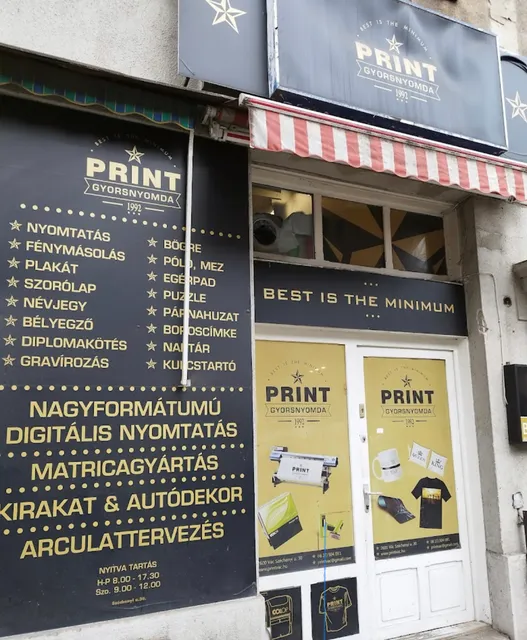
Print Gyorsnyomda
4.7
(66)
Click for details