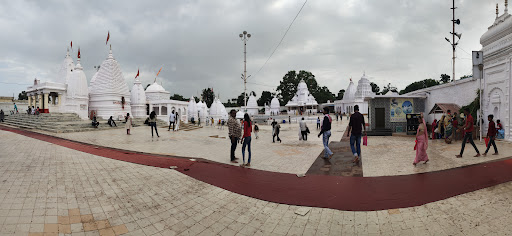
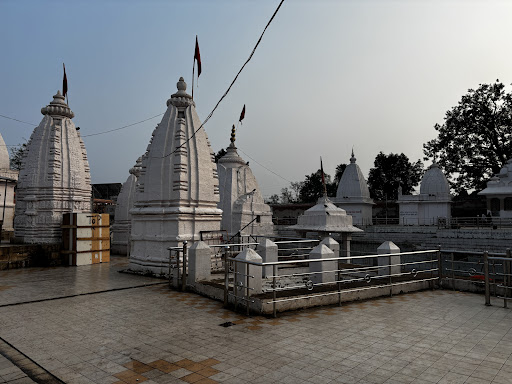
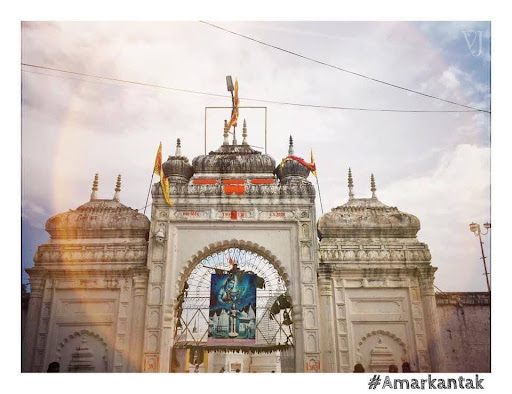
नर्मदा कुंड things to do, attractions, restaurants, events info and trip planning
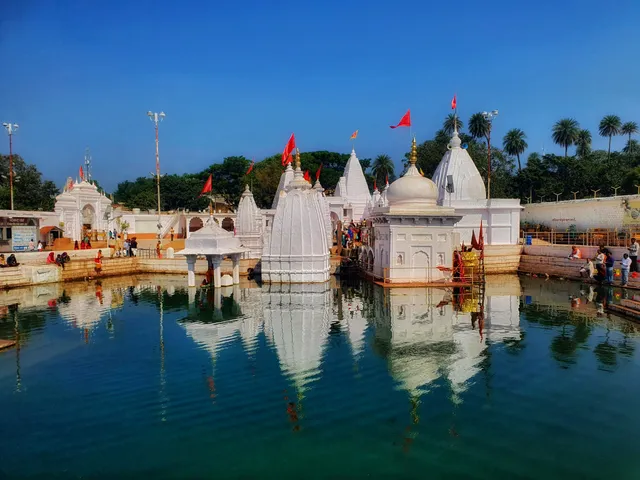
Basic Info
नर्मदा कुंड
Narmada Kund, Amarkantak, Madhya Pradesh 484886, India
4.6(87)
Open 24 hours
Save
spot
spot
Ratings & Description
Info
Cultural
Relaxation
Scenic
Family friendly
Off the beaten path
attractions: Narmada Udgam Sthan, Amarkantak Temple, Ancient Temples Of Kalachuri group, Pataleshwar Mahadev, Temple, Mrutunjay Ashram, Shri Yantra Mandir, Narmada river starting point, Narmada river udgam sthal, Pushkar Sarovar, restaurants: Basant Bhojnalaya Restaurant, Maa Dada Boudi Breakfast & Resturant, Bajrangbali Restaurant, local businesses: Narmada Kund, Sarvodaya Digambar Jain Temple, Kalyan Sewa Ashram
 Learn more insights from Wanderboat AI.
Plan your stay

Pet-friendly Hotels in Amarkantak
Find a cozy hotel nearby and make it a full experience.

Affordable Hotels in Amarkantak
Find a cozy hotel nearby and make it a full experience.

The Coolest Hotels You Haven't Heard Of (Yet)
Find a cozy hotel nearby and make it a full experience.

Trending Stays Worth the Hype in Amarkantak
Find a cozy hotel nearby and make it a full experience.
Reviews
Nearby attractions of नर्मदा कुंड
Narmada Udgam Sthan
Amarkantak Temple
Ancient Temples Of Kalachuri group
Pataleshwar Mahadev, Temple
Mrutunjay Ashram
Shri Yantra Mandir
Narmada river starting point
Narmada river udgam sthal
Pushkar Sarovar
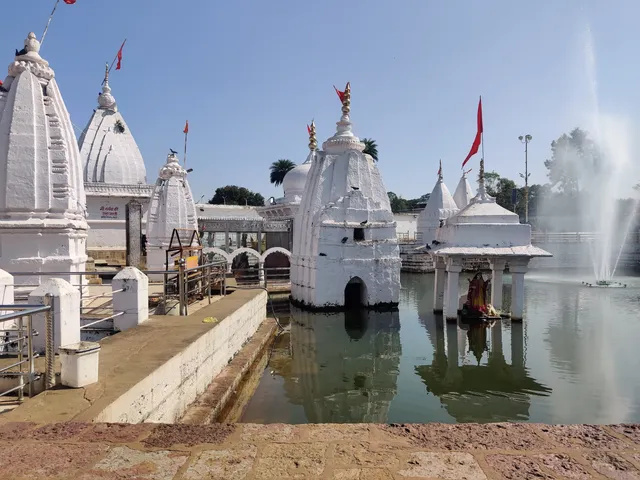
Narmada Udgam Sthan
4.6
(630)
Open until 5:00 PM
Click for details
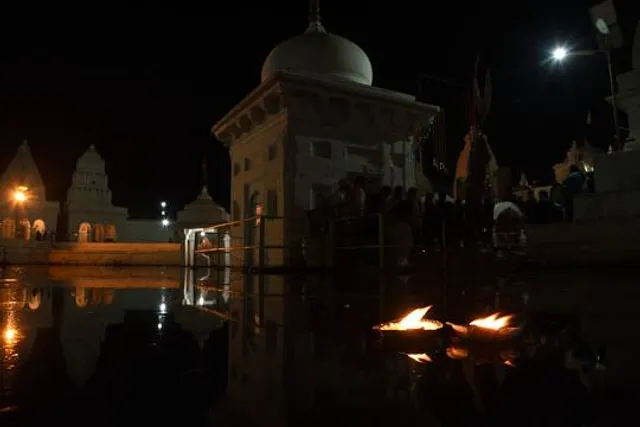
Amarkantak Temple
4.5
(823)
Open until 8:00 PM
Click for details
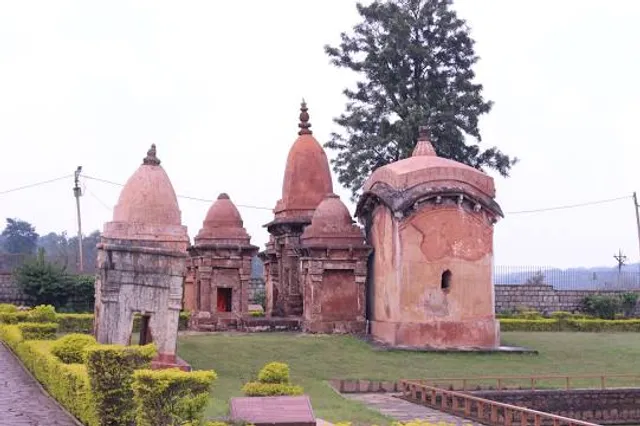
Ancient Temples Of Kalachuri group
4.4
(1.2K)
Open until 6:00 PM
Click for details
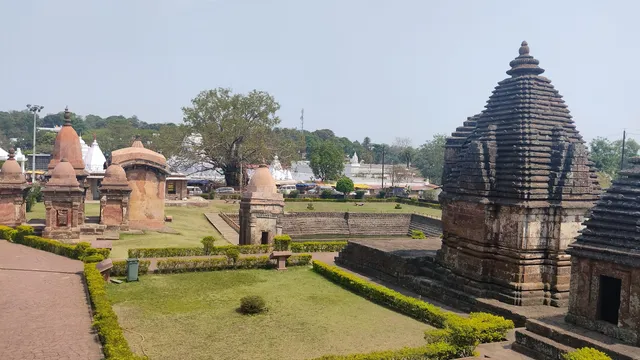
Pataleshwar Mahadev, Temple
4.8
(21)
Open 24 hours
Click for details
Nearby restaurants of नर्मदा कुंड
Basant Bhojnalaya Restaurant
Maa Dada Boudi Breakfast & Resturant
Bajrangbali Restaurant
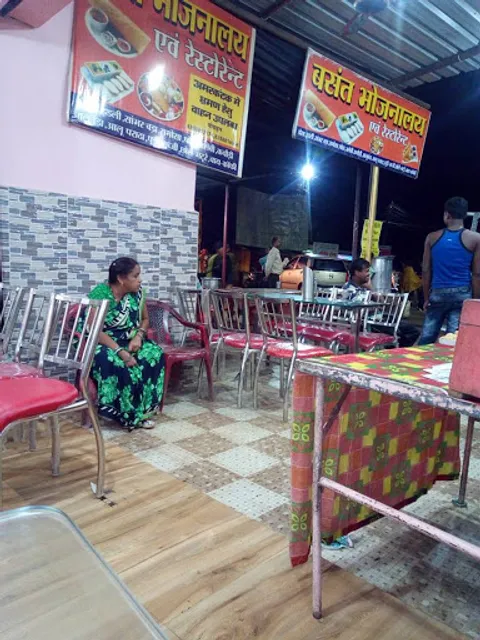
Basant Bhojnalaya Restaurant
3.7
(119)
Open until 10:00 PM
Click for details
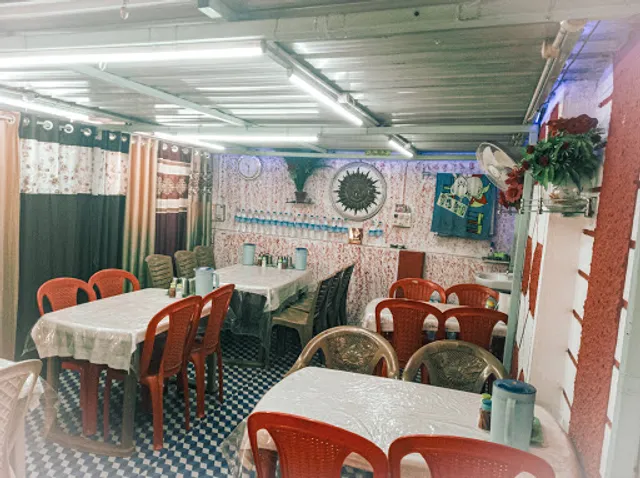
Maa Dada Boudi Breakfast & Resturant
4.0
(8)
Click for details
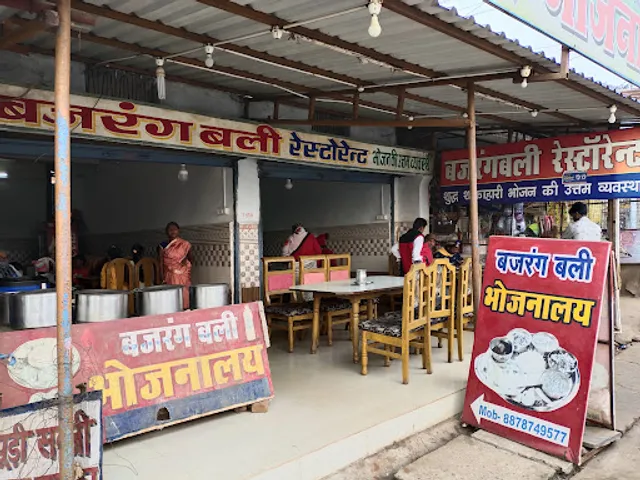
Bajrangbali Restaurant
3.8
(54)
Closed
Click for details
Nearby local services of नर्मदा कुंड
Narmada Kund
Sarvodaya Digambar Jain Temple
Kalyan Sewa Ashram
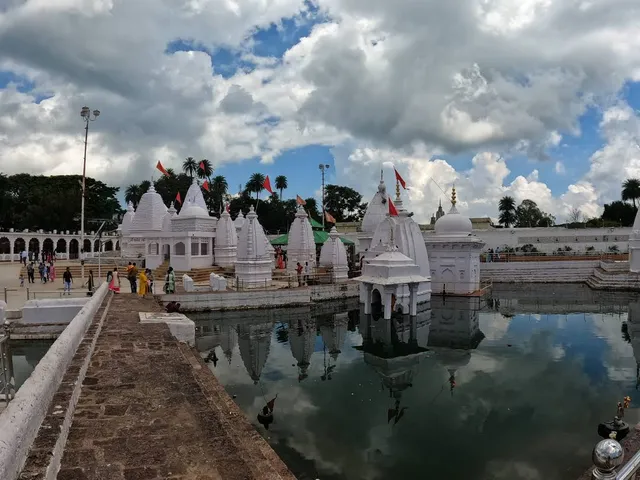
Narmada Kund
4.4
(209)
Click for details
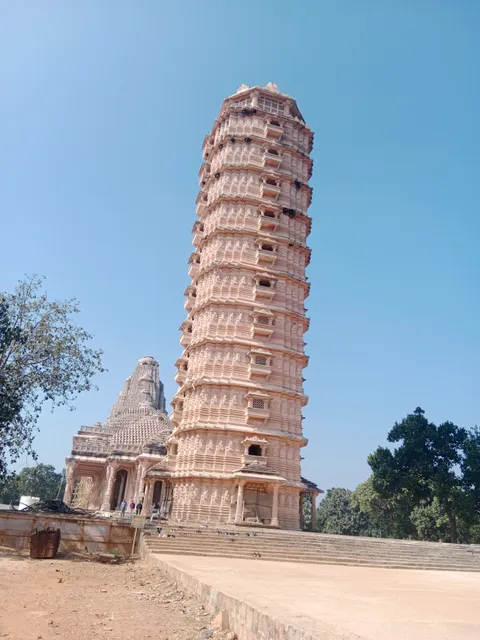
Sarvodaya Digambar Jain Temple
4.5
(537)
Click for details
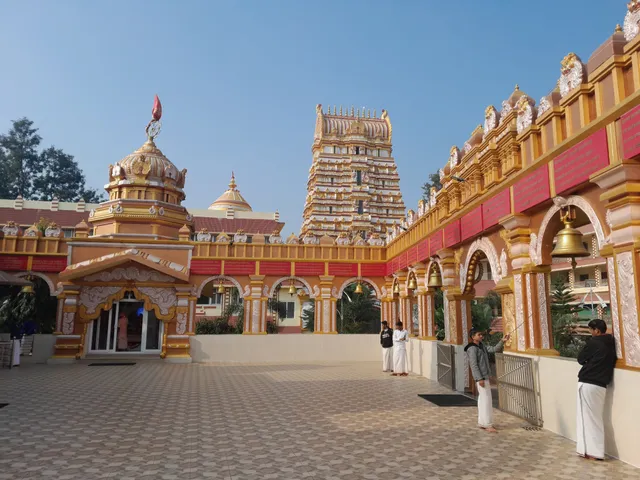
Kalyan Sewa Ashram
4.4
(278)
Click for details