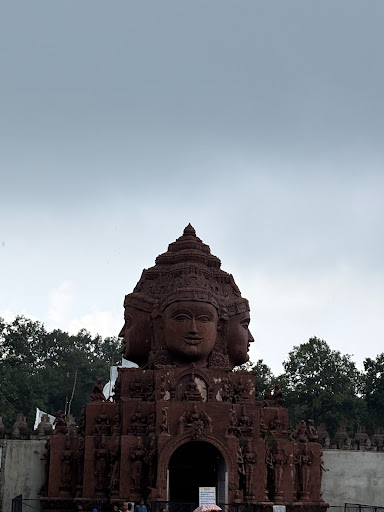
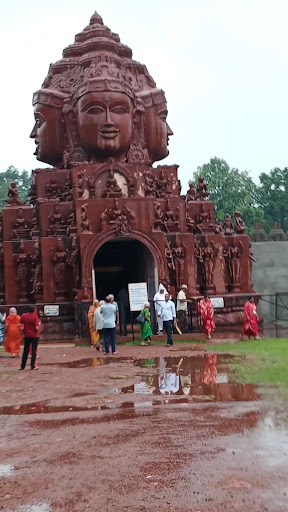
🔱 Shri Yantra Mandir (Tripur Sundari Temple), Amarkantak
📜 Historical & Spiritual Background
Location: Situated near the sacred confluence of the Narmada, Son, and Johila rivers at Amarkantak, Madhya Pradesh — a place revered as the “Teerthraj” (King of Pilgrimage Sites).
Dedicated to: Goddess Tripura Sundari — an aspect of Adi Shakti (Divine Mother) representing supreme beauty, energy, and the source of all creation.
Spiritual Symbol: The temple is based on the sacred Shri Yantra, a mystical geometric diagram central to Shaktism and Sri Vidya tradition in Hinduism.
The Shri Yantra (or Sri Chakra) symbolizes the union of Shiva and Shakti, the cosmic balance of masculine and feminine energies, and the path to spiritual realization.
The temple was established by Swami Sachidananda Saraswati, a spiritual master inspired to create a three-dimensional form of the Sri Yantra to represent divine harmony in physical form.
🛕 Architecture & Design
The temple is an architectural wonder, built entirely in the form of a 3D Shri Yantra — a unique structure not found anywhere else in India.
It combines geometry, art, and spirituality:
The pyramidal design symbolizes the nine interlocking triangles of the Yantra.
The inner sanctum houses the idol of Tripura Sundari Devi, radiating calm and energy.
The structure is designed so that each level represents a stage of spiritual ascent, leading to the Bindu (point of cosmic unity).
The temple’s symmetry and alignment reflect Vastu Shastra principles, believed to amplify spiritual vibrations.
🪷 Religious & Cultural Importance
The Shri Yantra is considered the most powerful symbol in Tantra and Shaktism, representing:
Creation and dissolution of the universe.
Spiritual balance and prosperity.
Inner awakening and meditation focus.
Devotees visit the temple for energy healing, meditation, and spiritual upliftment.
The temple holds significance during Navratri and Makar Sankranti, when special rituals and yantra pujas are performed.
🌄 Sightseeing Importance
Spiritual Vibe: The serene setting of Amarkantak, surrounded by forests and river origins, enhances the temple’s sacred aura.
Unique Architecture: The only full-scale temple built as a 3D representation of the Shri Yantra — a delight for both devotees and architecture enthusiasts.
Meditation & Photography: The site is calm, visually striking, and perfect for reflection and photography, especially in early morning light.
Nearby Attractions:
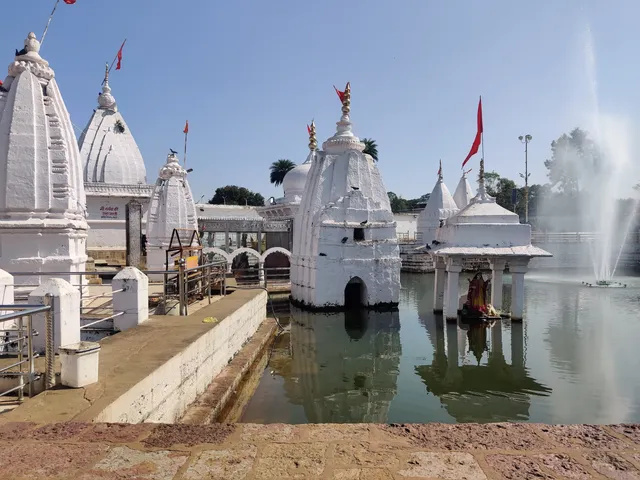
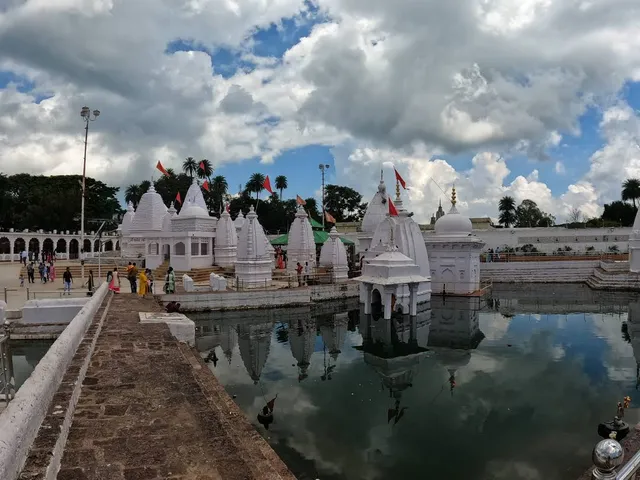
Narmada Udgam Temple – origin of the Narmada River.
Sonmuda (source of Son River)
Kapil Dhara & Dudh Dhara waterfalls
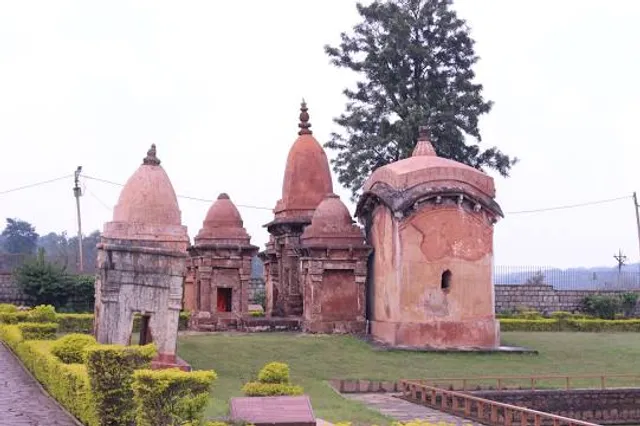
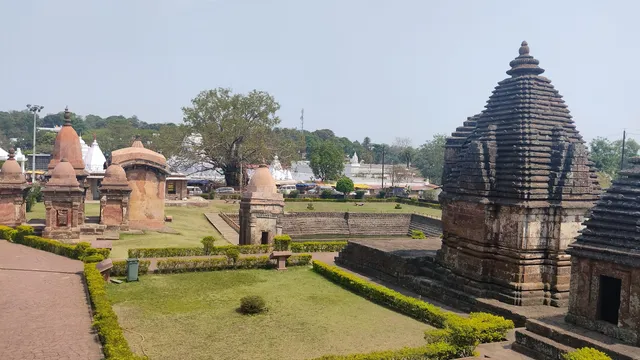
Ancient temples of Kalachuri period
🕰️ Visitor Information
Timings: 5:00 AM – 8:00 PM (daily)
Entry Fee: Free
Best Time to Visit: October – March for cool, clear weather.
Duration: 30–45 minutes (including meditation or prayer time).
Dress Code: Modest clothing recommended; shoes to be removed before entering inner sanctum.
🌟 Why It’s Special
The Shri Yantra Mandir at Amarkantak is not just a temple — it’s a living symbol of cosmic energy and divine geometry. It blends spiritual philosophy, art, and architecture, offering visitors a chance to experience peace, balance, and inner focus amidst the natural beauty...
Read moreThe Maha Meru Shree Yantra Temple, Amarkantak, Madhya Pradesh.
The Maha Meru Sri Yantra Temple is encircled by forest on two sides, the ancient and sacred Batte Krishna Kund, a pond on its western side, and a water reservoir to its north. The temple is constructed in the middle of the Maikal, Satpuda and Vindhyachal range of mountains, 3500 ft. above sea level in Amarkantak, Madhya Pradesh. Amarkantak enjoys the distinction of being the source of three rivers – the Juhila, the Sonbhadra and the Narmada. The borderline dividing north and south India also passes through this spot.
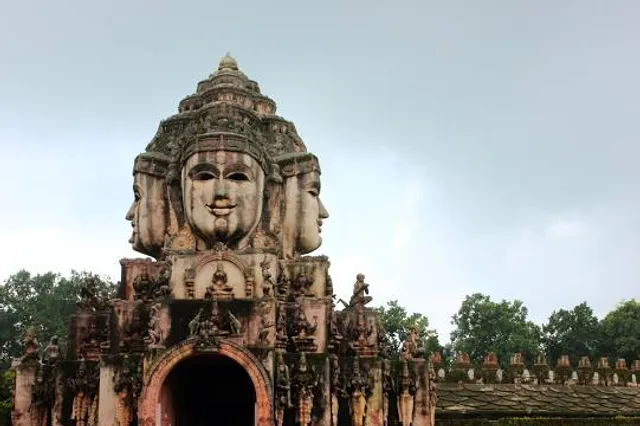
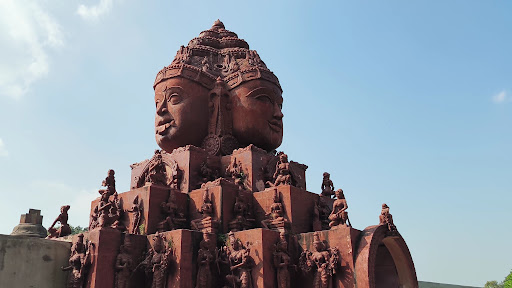
The entrance to the sprawling temple precincts is through an impressive, sculpturally rich towering gate, the four sides of which are crowned with the faces of goddesses Saraswati, Kali, Bhuvaneshwari and Lakshmi.
The lower segments of these sides are embellished with finely sculpted figurines of the 64 yoginis associated with the Tantrik cult, 16 on each side. In addition, Ganesh and Kartik are also featured on one of the sides.
The temple is constructed on an elevated square platform measuring 90,000 sq.ft. and is structured in the form of a mandal of uniform length, breadth and height, each measuring 52 feet. The temple, we are told, has been built on the tenets of temple architecture as laid down by...
Read moreAmarkantak temple is surrounded by a rich variety of flora with medicinal properties.[8] The Achanakmar Wildlife Sanctuary, is located at a distance of no more than 40 km from the town of Amarkantak in the state of Chhattisgarh on the road to Bilaspur.[9] The enchanting lush green forest belt in Amarkantak is a part of Achanakmar-Amarkantak Biosphere Reserve. The forests of Amarkantak are linked with the forests of Kanha National Park. Amarkantak falls on the Kanha-Achanakmar Corridor, a hilly region covered with dense forests. Kanha and Achanakmar are both conserved wildlife parks in India famous for Bengal tigers.[10]
Pinus caribaea, known as tropical pine, was planted in Amarkntak in 1968 on advice of Forest Research Institute, Dehradun on the recommendations of National Commission on Agriculture looking to the future demand of quality pulp wood. This work was undertaken under a World Bank Technical Assistance Project by clearing natural sal forests. The naturalists and environmentalists in India raised a controversy over it; ultimately the project of tropical pine plantation was...
Read more