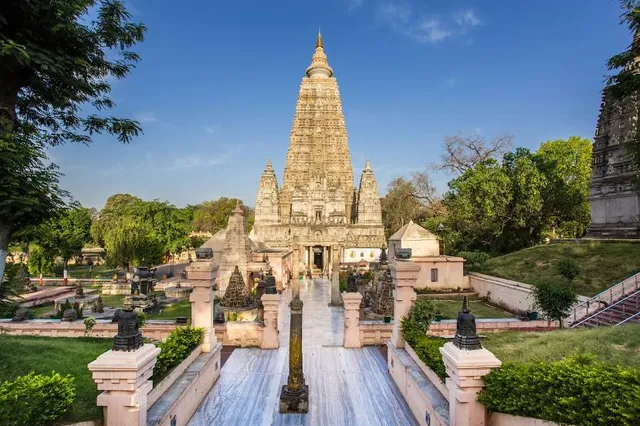
Recently, I had the wonderful opportunity to embark on a journey to Bodhgaya, a city renowned for its spiritual significance and historical importance. As I made my way from Tatanagar to Gaya, anticipation and excitement coursed through me, knowing that I was about to witness the remarkable Mahabodhi temple, the place where Gautama Buddha attained enlightenment.
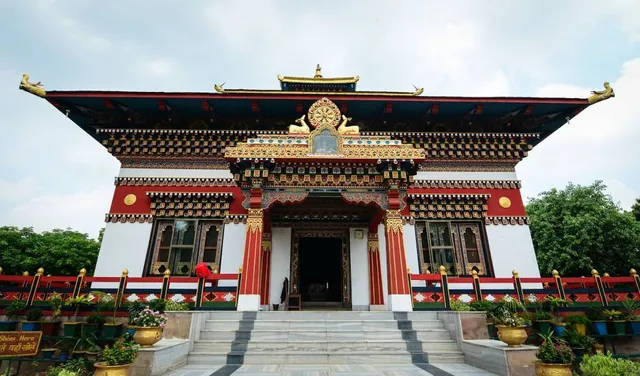
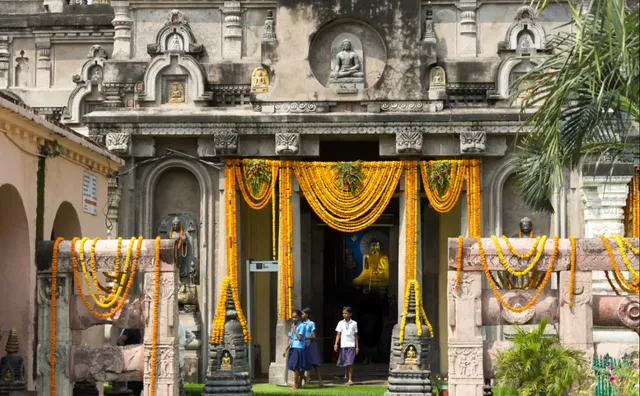
Upon my arrival at Bodhgaya, I was immediately struck by the sense of tranquility that enveloped the surroundings. The Mahabodhi temple stood tall and majestic, exuding an aura of divinity and peace. Stepping into its sacred premises, I couldn't help but feel a profound sense of reverence and awe. The air was filled with a sense of spirituality and devotion, as pilgrims from all walks of life paid their respects to the enlightened one.
One of the most captivating aspects of my visit was the Buddhist tree, known as the Bodhi tree, situated within the temple complex. This revered tree, under which Buddha himself meditated, emanated an energy that seemed to transcend time. Sitting in its shade, I closed my eyes and allowed myself to immerse in a deep meditation, connecting with the same serenity that Buddha must have experienced centuries ago.
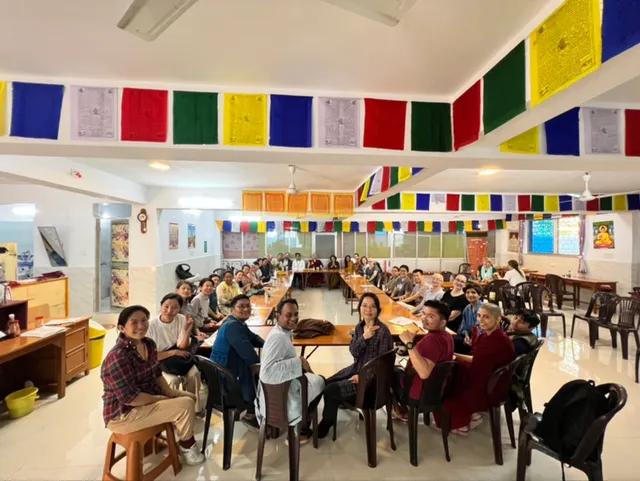
What made my experience even more enriching was the diverse array of visitors from across the globe. I encountered fellow travelers from the Philippines, Thailand, China, and Japan, all drawn to Bodhgaya for its spiritual significance. It was fascinating to witness people from different cultures and backgrounds come together in their quest for inner peace and enlightenment. Conversations flowed effortlessly, as we exchanged stories, insights, and cultural knowledge, forging connections that transcended linguistic and national boundaries.
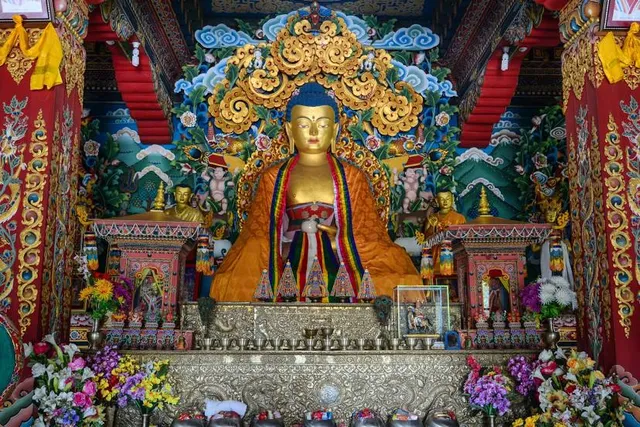
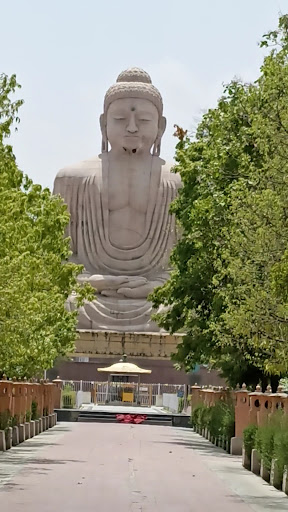
As I explored the temple complex further, my eyes were drawn to the magnificent 80-feet Buddha statue, an emblem of wisdom and compassion. Its sheer size and intricate details left me in awe, and I couldn't help but marvel at the craftsmanship that brought this symbol of enlightenment to life. The statue, with its serene expression and dignified posture, served as a constant reminder of the teachings of Buddha and the path towards liberation.
In my time at Bodhgaya, I not only found solace and tranquility but also gained a deeper understanding of Buddhist philosophy and its universal appeal. The city's vibrant cultural tapestry, influenced by the presence of international visitors, further enriched my experience. Exchanging ideas, rituals, and traditions with individuals from different corners of the world broadened my perspective and fostered a greater appreciation for our shared humanity.
Leaving Bodhgaya, I felt a profound sense of gratitude for the opportunity to immerse myself in such a spiritually significant place. The memories of my visit continue to resonate within me, reminding me of the importance of finding moments of stillness and reflection amidst the chaos of everyday life. Bodhgaya, with its Mahabodhi temple, the Bodhi tree, and the 80-feet Buddha statue, holds a timeless allure that beckons all seekers of peace and...
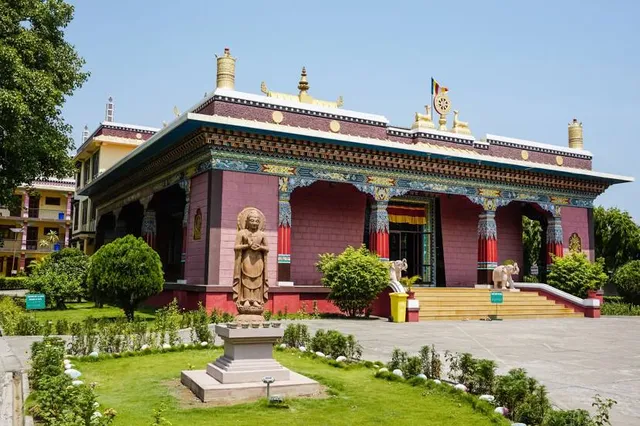
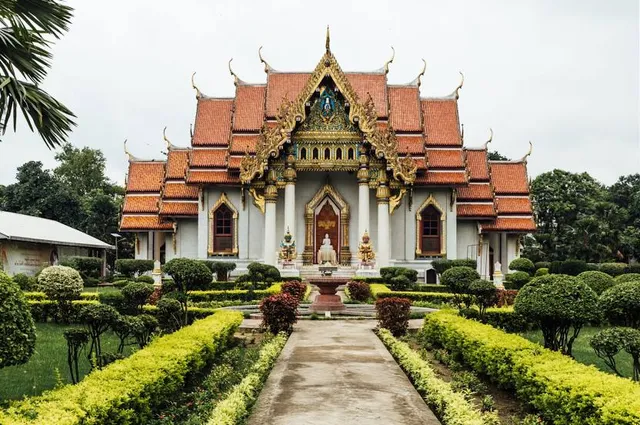
Read moreBodh Gaya is the most important Buddhist pilgrimage destination in the world. Located in the state of Bihar, India, it's here that Lord Buddha became enlightened during intense meditation under a Bodhi tree. The town is also home to dozens of Buddhist monasteries, maintained by various Buddhist countries. An increasing number of people visit Bodh Gaya each year.
Fast Facts
Weather: Summer: 47 to 25 C Winter: 5 to 28 C
Best Season: October to March
Getting to Bodh Gaya By AIR Patna is the nearest airport connected by flights from major cities of India.
By RAIL The nearest Railway station is Gaya (16 Kms) a major railway junction connecting several important cities in India.
By ROAD Bodhgaya is connected by road to Gaya 16 (Kms) located on Grand Trunk Road.
Bodhgaya is: 375 km from Allahabad 489 km from Kolkata 570 km from Kanpur 350 km from Jamshedpur 97 km from Patna 250 km from Varanasi
Attractions Mahabodhi Temple 170ft. tall, Mahabodhi Temple is the major attraction for tourists due to its outstanding architectural and magnificent design. The temple was constructed by Emperor Asoka in 250BC at the eastern side of Bodhi Tree. This is the best paradigm of architectural work and it was counted reckoned amongst the UNESCO World Heritage Site in 2002. Mahabodhi temple is the oldest Buddhist temple and it has high religious value amongst the followers of Buddhism.
Bodhi Tree Under a banyan tree, Gautama Buddha achieved supreme knowledge and attained enlightenment which is now famous as Bodhi Tree. This is a sacred site for Buddhism followers of all over the world. This draws millions of pilgrims each year from all across the world.
The Great Buddha Statue In 1989, Daijokyo constructed an astonishing 80 ft tall statue of Buddha next to Mahabodhi Temple in Bodh Gaya. This statue is one of the most revered sites for the followers of Buddhism and millions of pilgrims visit the place each year. The Buddha Statue is an ideal example of fascinating sculpturing work that attains the attraction of Indian and foreigner pilgrims.
Animesh Lochana Chaitya Shrine The most revered Animesh Lochana Chaitya Shrine is the place where Gautama Buddha gazed at Bodhi Tree continuously for seven days without blinking eyes in the way of gratefulness towards the tree for offering him shelter. Due to extensive attachment of Lord Buddha, this shrine is being toured by thousands of pilgrims each year.
Vishnupad Temple Located on the bank of Falgu River in Gaya, Vishnupad Temple is a sacred site for the devotees of Lord Vishnu which was constructed by Ahilya Bai Holker ruler of Indore around 220 years ago. The place where this temple founded has great religious appeal amongst the Hindus as it is believed that Lord Rama and Sita had visited this site. The magnificent architectural work in the temple has made it an alluring attraction for the visitors of India and...
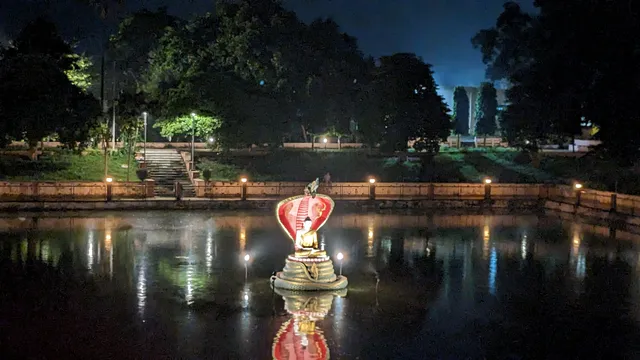
Read moreMahabodhi Temple is one of the ancient and most important shrines of India. Located at Bodhgaya, Mahabodhi Mahavihara Temple is easily accessible from the major towns and cities of Bihar. The nearest airport is located at Patna that lies at a distance of 96 kms from Gaya. The holy town Bodh Gaya or Gaya has its own railway station. The town is also connected with major cities by network of roads. The literal version of Mahabodhi Temple is the Great Awakening Temple. Bodhgaya is a renowned place where Lord Buddha got enlightenment. Perched on the banks of Niranjana River, Bodhgaya is a highly revered site of Buddhists. Pilgrims from all over the globe come to visit Bodhgaya, the awakening site. In the folklores, Bodhgaya has been mentioned as the place of great importance. According to Jatakas, Bodhgaya is the navel of the earth. This is only place that could abide the power of the Buddha's attainment. Mahabodhi Temple is regarded to have been constructed by Emperor Ashoka, who visited the place after 250 years of enlightenment. It boasts of a 52 m tall spire that houses the colossal gilded image of Lord Buddha. In the sanctum sanctorum, the huge image of Buddha looks mesmerizing in which he is sitting in a 'Bhumisparsh Mudra' (touching the ground). It is said that the image is 1700 years old and positioned in a manner that Lord Buddha faces the east. Mahabodhi Temple along with Bodhi Tree completes the holy pilgrimage to Bodhgaya. Bodhi Tree is actually a fig tree, which grew from the original tree under whose kind shelter Lord Sakyamuni meditated and ultimately attained enlightenment. Owing to this, he became Buddha. Bodhi Tree is a significant part of Bodh Gaya, which is believed to grow on the day, Gautama Buddha was born. Under Bodhi tree, there is a platform embracing the footprints of Lord Buddha carved in stone. In its vicinity, a slab of red sandstone adorns the site. This slab marks the spot where the Lord sat in meditation. The temple is festooned with friezes that depict the life scenes of Buddha. Along the northern wall of temple, Chankramana Chaitya (Jewel Path) is a raised walkway, where Lord Buddha used to meditate while walking. Adjoining the temple, there is lotus pond that is said to have been the place, where Lord Buddha executed his ablutions. The original temple is assumed to have been constructed in the 3rd century, however the present structure dates back to 5th or 6th century. Built wholly in brick, Mahabodhi Temple is one of the earliest Buddhist shrines that have managed to restrain the ravages of the times. Mahabodhi Temple is regarded as the excellent specimen of Indian brickwork. This oldest brick structure became the role model for many later architectural works. In 2002, the marvelous temple was announced as the World Heritage Site by UNESCO. Mahabodhi Temple is acclaimed to be the property of Bihar...
Read more