Review of Archaeological Museum, Bodh Gaya (500 words)
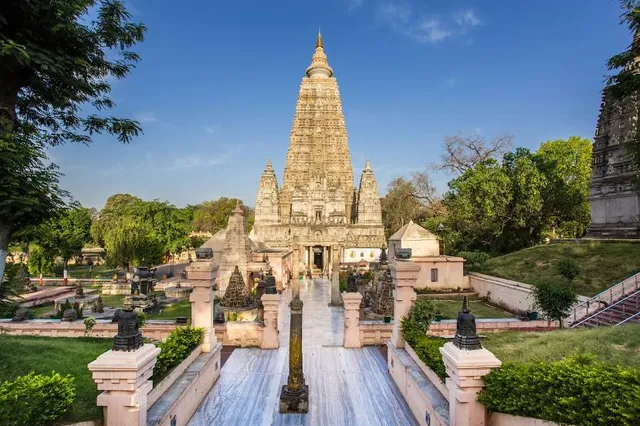
The Archaeological Museum in Bodh Gaya, Bihar, is a treasure trove of ancient Indian art, history, and culture. Situated near the world-famous Mahabodhi Temple, this museum offers a captivating glimpse into the rich Buddhist heritage of India and the glorious past of the Magadh region. Established in 1956 by the Archaeological Survey of India (ASI), the museum houses an exceptional collection of relics, sculptures, and artifacts dating from the 1st century BCE to the 11th century CE.
The museum is relatively modest in size but dense with historical significance. It has two main galleries and an open courtyard, all of which are well-maintained and thoughtfully organized. The collection is dominated by Buddhist artifacts, which is fitting considering Bodh Gaya's status as the site where Siddhartha Gautama attained enlightenment under the Bodhi Tree. The museum also includes Hindu sculptures and secular relics, showing the cultural fusion of ancient India.
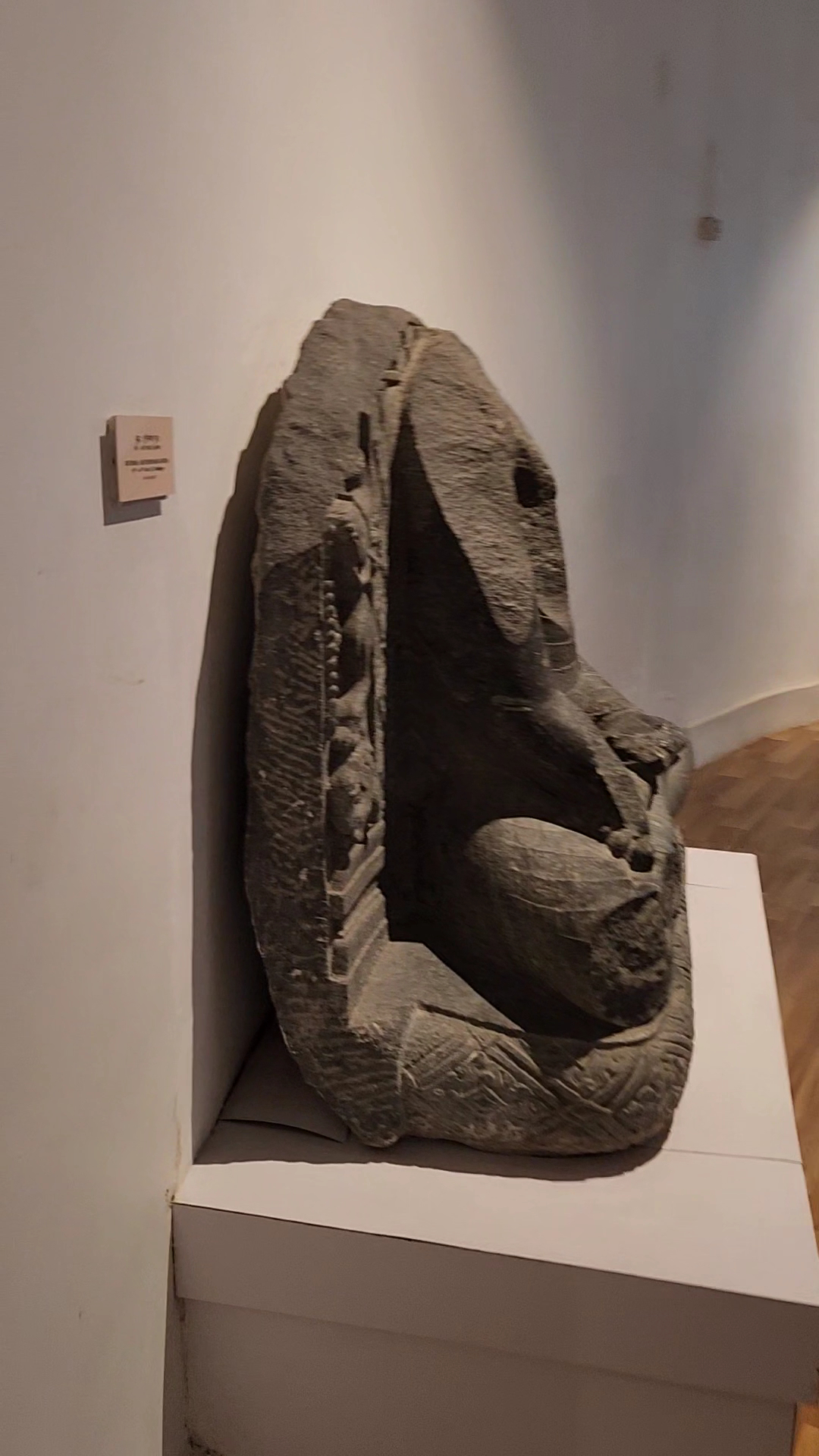
Among the highlights are stone and bronze sculptures of Buddha in various mudras (hand gestures), such as the Bhumisparsha mudra, Dhyana mudra, and Abhaya mudra. These statues reflect the exquisite craftsmanship of the Gupta and Pala periods. One of the most striking pieces is a sandstone statue of a seated Buddha that reflects serenity and spiritual power. The level of detail, especially in the facial expressions and postures, is impressive.
There are also terracotta plaques, coins, inscriptions, and miniature railings from the original Mahabodhi Stupa. These artifacts provide valuable insight into the religious and daily life of ancient Indian civilization. The museum also displays Yaksha and Yakshini figures, votive stupas, and relic caskets, further adding to the diversity of its collection.
The inscriptions, some of which are in Brahmi and Pali, are crucial for understanding early Buddhist texts and teachings. These have been well-preserved and are displayed with appropriate context. There are also informative panels and labels in both English and Hindi, making it easier for visitors to understand the significance of each artifact.
The museum staff is courteous, and the premises are clean and quiet—perfect for anyone who wants to explore history in peace. Photography is generally restricted inside the museum, but the open courtyard offers opportunities to click pictures of some of the larger sculptures.
Though not very large or modernized compared to other national museums, the Archaeological Museum in Bodh Gaya is a must-visit for history buffs, archaeology enthusiasts, and spiritual seekers. It complements the experience of visiting the Mahabodhi Temple and deepens one’s understanding of Buddhist art and Indian heritage.
Verdict: The Archaeological Museum in Bodh Gaya is a hidden gem that offers a deep, enriching experience of India’s ancient history, particularly its Buddhist past. Despite its small scale, it holds immense educational and spiritual value. A visit here is both informative and meditative—highly recommended for students, travelers, and anyone interested in India's...
Read moreOne would think that an archaeological museum in Bodh-Gaya, such an important Buddhist site, would be organized in a special manner.
Yet, ASI, with all resources at its command, presents a museum that is underwhelming. Of course one is glad that there exists a museum. But ASI needs to learn from museums elsewhere how to display and exhibit priceless artifacts.
When I visited, one of the galleries with the railings was under repair. You could still walk around but workers were at work and some artifacts had been removed from their positions. I am not sure that there was adequate precaution against damage to the objects while the repair was on.
At any rate, what was a little unsatisfactory to me was the indifferent nature of the cataloging and the labels. They were the bare minimum. "Buddha - Bhumisparsha mudra - 9-10 CE etc."
Some more informational displays, some more background could have been immensely helpful. What is the importance of the building material used, which styles of architecture and sculpture are there and what are the key features.
What is the significance of statues of Prajñaparamita and Nairatmaya Buddha? Is it Bhairava or Mahakala? What do the Ashokan Brahmi dedicatory inscriptions say?
With past illustrious ASI members such as Dr Debala Mitra and HD Sankalia having written about Bodh Gaya etc, the current ASI can at least emulate their scholarship and present a more well-researched exhibition of these priceless objects.
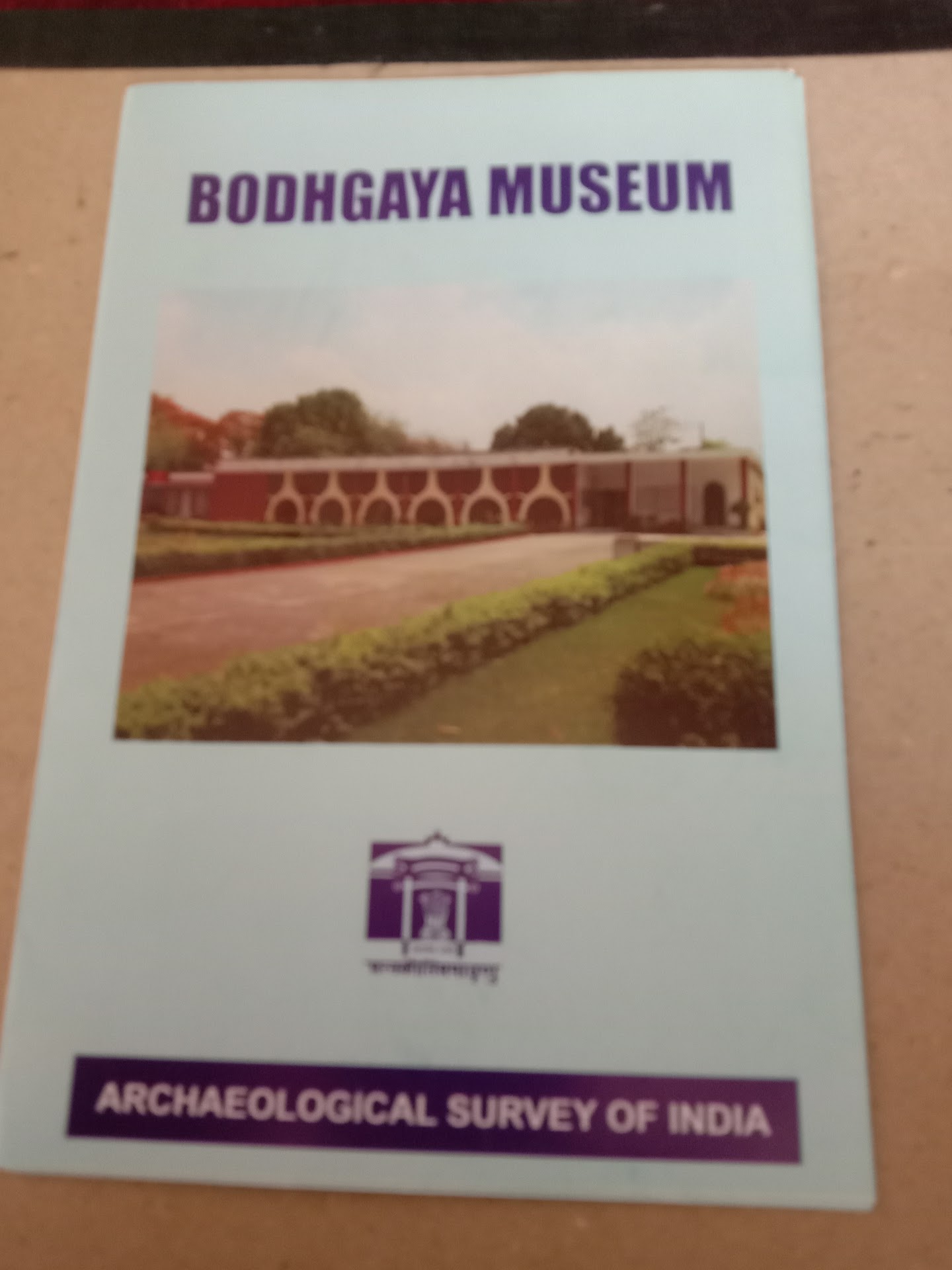
I was lucky I requested for some sort of book/booklet at the ticket counter on my way out. And they gave me the small brochure whose photos I have attached. Such information should be available to all visitors. Bodh-Gaya is an international destination. The ASI has a great opportunity to put forth a professional exhibition and showcase the treasures of that region.
Timings - 9AM - 5PM
** Since I was foolish - and impatient - for more information I bought a book titled The Art of Bodhgaya from amazon by who else but a former ASI official. A glossy, well produced book, it has all the information about the objects in the museum at least! Esp the railings. So the information is our there - just that ASI does not think it fit for the common people I guess! From further reading of a variety of sources I gathered that a lot of the art and sculpture is of the Pala period - late 8th to 12th CE? The Bhumisparsha mudra images and the prajña images are typical of that period. The Brahmi lettering are often donative. Janice Leoshko, Susan Huntington, Jacob Kinnard et al have nice volumes dealing with relevant issues. Of course Alexander Cunningham. Also check out a book called The Mahabodhi Temple by Suresh Bhatia - a...
Read moreThe Archaeological Museum in Bodh Gaya houses a collection of ancient artifacts and sculptures related to Buddhism and Hinduism, with many dating from the Pala and Sunga periods. Established in 1956 by the Archaeological Survey of India (ASI), it is located close to the Mahabodhi Temple complex. Archaeological Museum Bodhgaya - A Great Museum in Bodhgaya Archaeological Museum Bodhgaya: Buddhist Heritage And History ... Visitor information Location: The museum is situated near the Mahabodhi Temple complex in Bodh Gaya, Bihar. Timings: 10:00 a.m. to 5:00 p.m.. Closed: Fridays. Entry fee: ₹10 per person. Children under 15 years old can enter for free. Photography: Permitted in some areas, but restricted where more valuable or ancient artifacts are kept. Collection highlights The museum's exhibits are housed in two galleries and an open courtyard. Sculptures and artifacts Pala-era sculptures: The museum features a large collection of black stone sculptures from the Pala period (9th–12th centuries). Buddhist sculptures: The collection includes images of Buddha in various attitudes (mudras), as well as sculptures of Maitreya, Manjusri, Avalokitesvara, and Tara. Brahmanical sculptures: The museum also contains Hindu relics and statues, such as the Dasavatara (incarnations of Vishnu), Sapta Matrika, and images of Ganesha. Prehistoric and Mauryan relics: Exhibits also include terracotta figures, beads, coins, and other objects unearthed from excavations at sites like Taradih and Sujatagarh. Mahabodhi Temple railings Sunga period (2nd Century BCE): The courtyard and galleries display original sandstone and granite railings that once enclosed the Mahabodhi Temple. These feature intricate carvings of Jataka tales, illustrating stories from the life of the Buddha. Courtyard display: The reconstructed stone railing can be viewed in the museum's compound. Special exhibits Colossal Buddha statue: The entrance area features a large, black stone image of Buddha standing in the abhayamudra posture, with scenes from his life carved on the back. Varah incarnation of Vishnu: An inner verandah showcases the Varah incarnation of...
Read more