Burmese Monastery things to do, attractions, restaurants, events info and trip planning
Basic Info
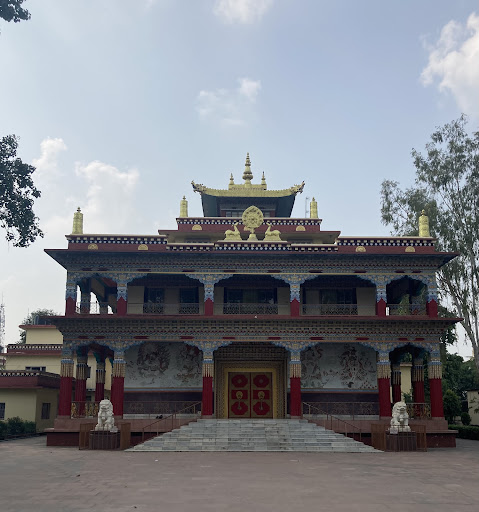
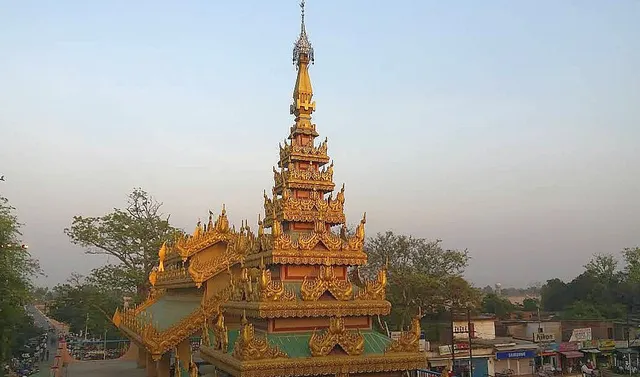
Burmese Monastery
Pacchati Main Road, Bodh Gaya, Bihar 824231, India
4.2(72)
Save
spot
spot
Ratings & Description
Info
Cultural
Relaxation
Family friendly
Accessibility
Off the beaten path
attractions: Mahabodhi Temple, Tibetan Temple gaden phelgayling namgyal datsang, Archaeological Museum Bodhgaya, restaurants: BODHI VIEW Restaurant, Tibet Om Cafe (Vegetarian and vegan), LFC RESTAURANT, FUJIYA GREEN RESTAURANT, Be Happy Cafe, Food Heaven Restaurant, Ram Sewak Restaurant-Pure Veg Restaurant in Bodhgaya I Best Restaurant in Bodhgaya, Mohammad Restaurant, Bodhi Brews, Loyag rooftop Restaurant and cafe bodhgaya, local businesses: Mucalinda Sarovar (Holy Pond), Taiwanese Temple, Vietnam Temple
 Learn more insights from Wanderboat AI.
Plan your stay

Pet-friendly Hotels in Bodhgaya
Find a cozy hotel nearby and make it a full experience.

Affordable Hotels in Bodhgaya
Find a cozy hotel nearby and make it a full experience.

The Coolest Hotels You Haven't Heard Of (Yet)
Find a cozy hotel nearby and make it a full experience.

Trending Stays Worth the Hype in Bodhgaya
Find a cozy hotel nearby and make it a full experience.
Reviews
Nearby attractions of Burmese Monastery
Mahabodhi Temple
Tibetan Temple gaden phelgayling namgyal datsang
Archaeological Museum Bodhgaya
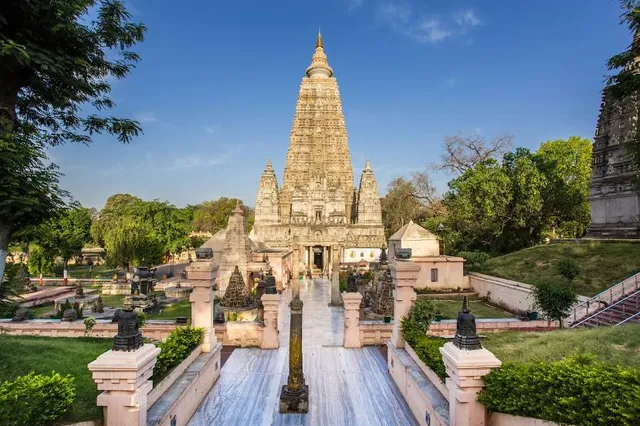
Mahabodhi Temple
4.7
(9.6K)
Closed
Click for details
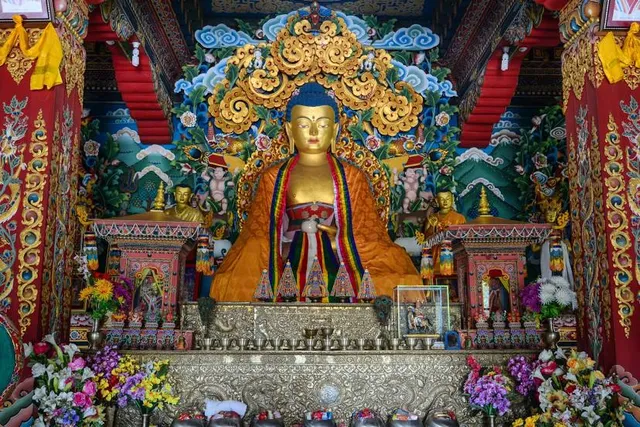
Tibetan Temple gaden phelgayling namgyal datsang
4.4
(63)
Open 24 hours
Click for details
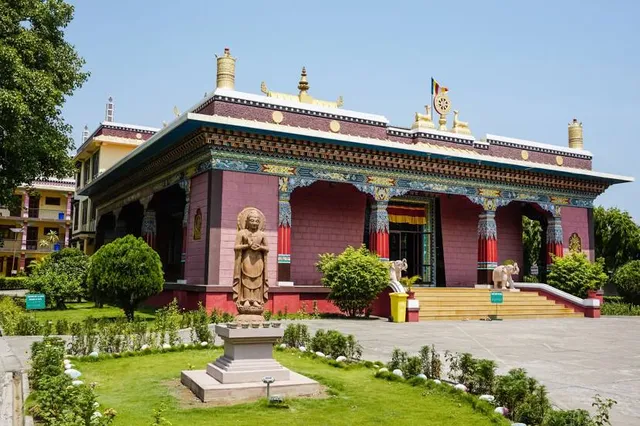
Archaeological Museum Bodhgaya
4.2
(328)
Closed
Click for details
Nearby restaurants of Burmese Monastery
BODHI VIEW Restaurant
Tibet Om Cafe (Vegetarian and vegan)
LFC RESTAURANT
FUJIYA GREEN RESTAURANT
Be Happy Cafe
Food Heaven Restaurant
Ram Sewak Restaurant-Pure Veg Restaurant in Bodhgaya I Best Restaurant in Bodhgaya
Mohammad Restaurant
Bodhi Brews
Loyag rooftop Restaurant and cafe bodhgaya
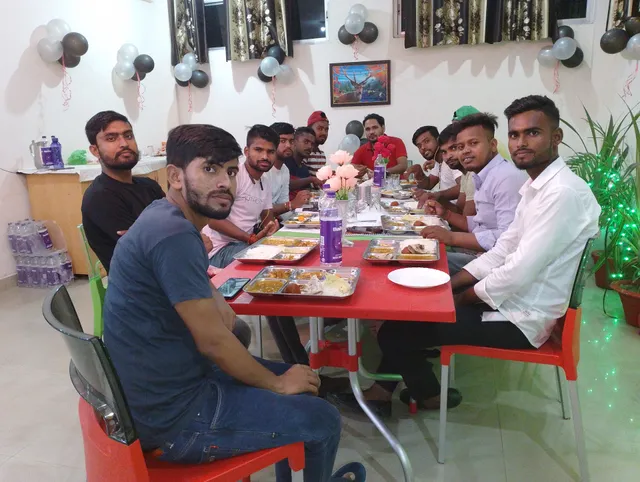
BODHI VIEW Restaurant
4.2
(21)
Closed
Click for details
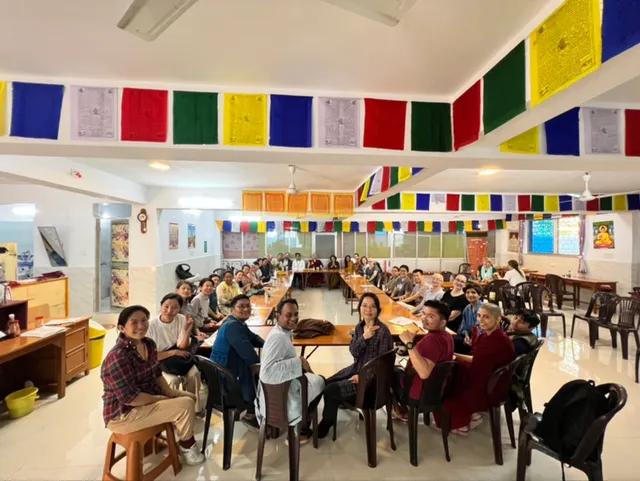
Tibet Om Cafe (Vegetarian and vegan)
4.5
(173)
Closed
Click for details
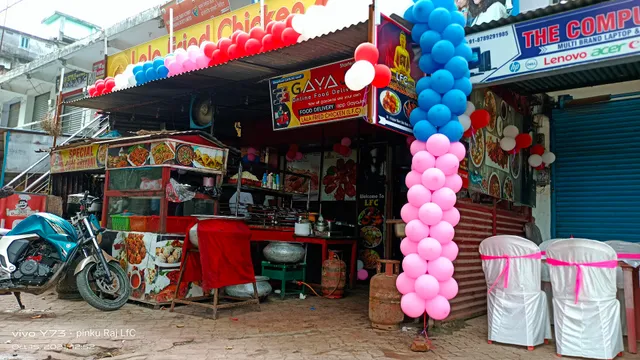
LFC RESTAURANT
4.2
(234)
Open until 11:00 PM
Click for details
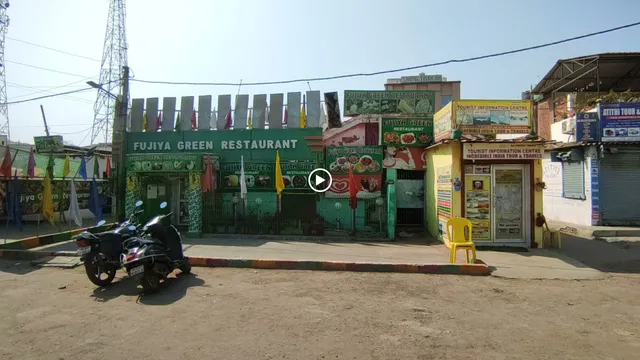
FUJIYA GREEN RESTAURANT
3.8
(1.0K)
Closed
Click for details
Nearby local services of Burmese Monastery
Mucalinda Sarovar (Holy Pond)
Taiwanese Temple
Vietnam Temple
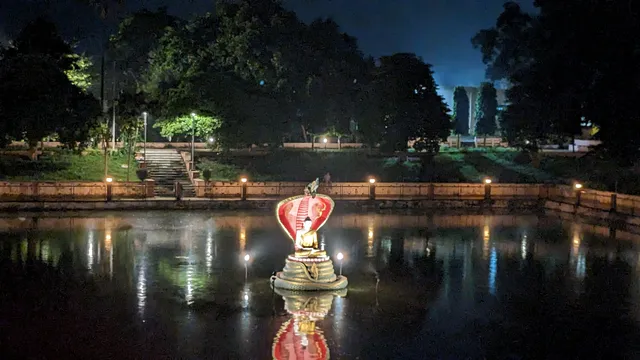
Mucalinda Sarovar (Holy Pond)
4.6
(46)
Click for details
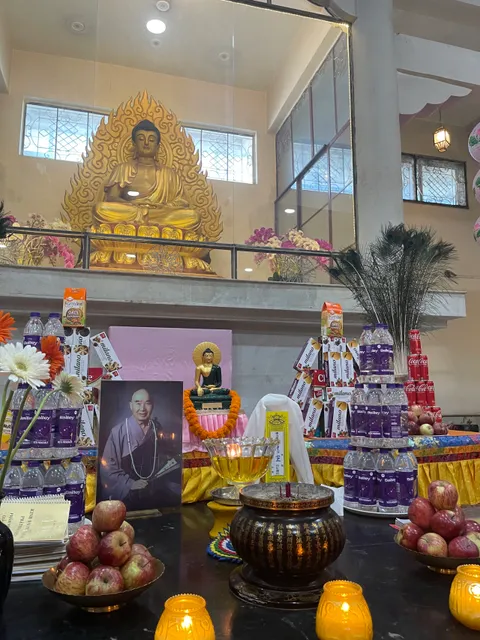
Taiwanese Temple
4.9
(23)
Click for details
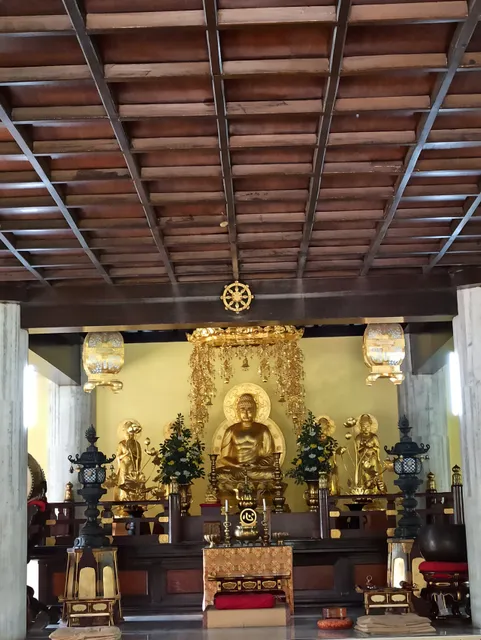
Vietnam Temple
4.6
(10)
Click for details