Government Museum and Art Gallery, Chandigarh, is a premier museum of North India having collections of Gandharansculptures, Pahari and Rajasthani miniature paintings. It owes its existence to the partition of India in August, 1947. Prior to the partition, the collections of art objects, paintings and sculptures were housed in the Central Museum, Lahore, the then capital of Punjab After partition, the division of collections took place on April 10, 1948. Sixty percent of objects were retained by Pakistan and forty percent collection fell in the share of India.
The museum was inaugurated on 6 May 1968 by Dr. M. S. Randhawa, the then Chief Commissioner of Chandigarh.
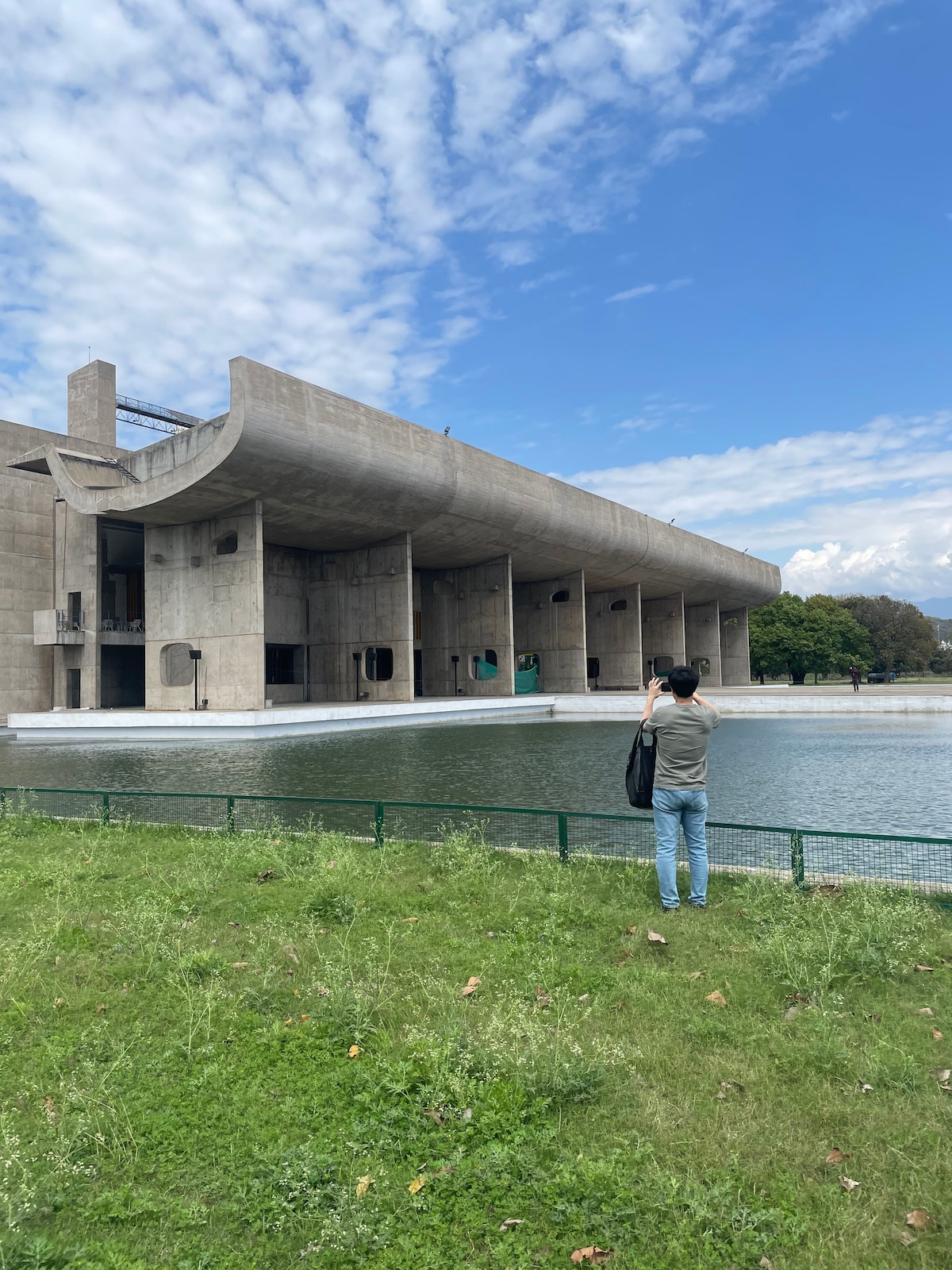
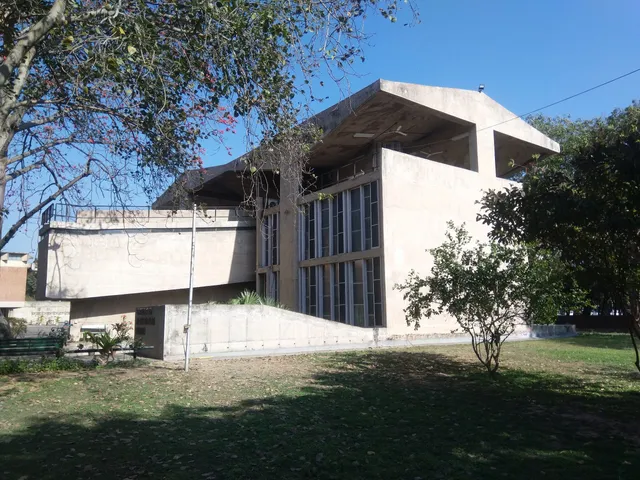
The Government Museum and Art Gallery was designed by the Swiss born French architect, Le Corbusier along with his associate architects namely Manmohan Nath Sharma, Pierre Jeanneret and Shiv Dutt Sharma. The design was completed during the period of 1960-62 and construction took place between 1962 and 1967. It is part of the three museums designed by Le Corbusier, the other two being Sanskar Kendra, Ahmedabad and National Museum of Western Art, Tokyo.
The building is a museum and art gallery which regularly conducts art acquisition programs for expansion. Envisaged as a vehicle for transmission of knowledge in the Second Five Year Plan and the National Education Policy, it serves as a unique cultural and historical resource for the region. Having significant collection of Gandhara sculptures, Pahari miniature painting and contemporary Indian art, it is regularly visited by tourists, artists, scholars and students. Researchers, architects and scholars on Le Corbusier and Modernization are also frequent visitors to the building and its surrounding. They ensemble to study its architectural values as it represents the series of museums designed by Le Corbusier. The pivoted entrance, metal panelled door, fixed furniture, display systems, exposed concrete sculpturesque gargoyles are symbolic of the prevailing style of Chandigarh’s architecture. The mural in the museum reception area executed by one of India’s finest contemporary artists, Satish Gujral adds colour to the otherwise stark exposed concrete building.
The museum library is a rich repository of books on subjects of art, architecture and history of art. A special section is dedicated to Dr. M. S. Randhawa, containing archival records of his correspondence on the Making of Chandigarh, available to scholars in a digitized version. The adjacent auditorium serves as a lecture hall for extended activities of the museum such as lectures, film screenings and cultural events. The interior detailing of the auditorium represent the Modernist tradition that was introduced in Chandigarh by Le Corbusier.
The building is divided into three levels. The first level is 33,000 sq ft comprising the Deputy Curator’s office, museum shop, reception, textile section, child art gallery, exhibition hall, reserve collection stores, conservation laboratory and auditorium. Level 2 is 23,000 sq ft and comprises exhibition space for sections on Gandhara sculpture, Indian miniature paintings, stone and metal sculpture, coins and Indian contemporary art. Level 3 is 6,500 sq ft and has the library, Chairman’s room, and Gandhara sculptures’ reserve collection store.
The museum serves as a means of repository of cultural history of the region. It is open for public from Tuesday to Sunday, from 10:00 AM to 4:40 PM, and is closed on Monday and national holidays. The entry ticket is ₹10 and camera ticket is ₹5. It has a free entry for organised school groups and senior citizens. Facilities such as wheel chairs for the physically challenged are also provided. The auditorium is available at low fees for cultural and educational events as it also serves as the exhibition hall for temporary...
Read moreA brif history
The Government Museum and Art Gallery was designed by the Swiss born French architect, le carbusier long with his associate architects manmohan nath sharma and Shiv Dutt Sharma.The design was completed during the period of 1960-62 and construction took place between 1962 and 1967. It is part of the three museums designed by Le Corbusier,
The building is a museum and art gallery which regularly conducts art acquisition programs for expansion. Envisaged as a vehicle for transmission of knowledge in , it serves as a unique cultural and historical resource for the region. Having significant collection of Gandhara sculptures, Pahari miniature painting and contemporary Indian art, it is regularly visited by tourists, artists, scholars and students. Researchers, architects and scholars on Le Corbusier and Modnization are also frequent visitors to the building and its surrounding. They ensemble to study its architectural values as it represents the series of museums designed by Le Corbusier. The pivoted entrance, metal panelled door, fixed furniture, display systems, exposed concrete sculpturesque gargoyles are symbolic of the prevailing style of Chandigarh's architecture. The mural in the museum reception area executed by one of India's finest contemporary artists, satish adds colour to the otherwise stark exposed concrete building.
The museum library is a rich repository of books on subjects of art, architecture and history of art. A special section is dedicated to Dr. M. S. Randhawa, containing archival records of his correspondence on the Making of Chandigarh, available to scholars in a digitized version. The adjacent auditorium serves as a lecture hall for extended activities of the museum such as lectures, film screenings and cultural events. The interior detailing of the auditorium represent the Modernist tradition that was introduced in Chandigarh by Le Corbusier.
The building is divided into three levels. The first level is 33,000 sq ft comprising the Deputy Curator's office, museum shop, reception, textile section, child art gallery, exhibition hall, reserve collection stores, conservation laboratory and auditorium. Level 2 is 23,000 sq ft and comprises exhibition space for sections on Gandhara sculpture, Indian miniature paintings, stone and metal sculpture, coins and Indian contemporary art. Level 3 is 6,500 sq ft and has the library, Chairman's room, and Gandhara sculptures’ reserve collection store.
The museum serves as a means of repository of cultural history of the region. It is open for public from Tuesday to Sunday, from 10:00 AM to 4:40 PM, and is closed on Monday and national holidays. The entry ticket is ₹10 and camera and ticket is ₹5. It has a free entry for organised school groups and senior citizens. Facilities such as wheel chairs for the physically challenged are also provided. The auditorium is available at low fees for cultural and educational events as it also serves as the exhibition hall for temporary...
Read moreAt a distance of 3 km from Chandigarh Bus Station, Government Museum & Art Gallery is a popular museum situated at Sector 10 of Chandigarh. This is one of the prominent museums of India that speaks well of the history and partition of India. It is one of the top places to visit in Chandigarh. The museum has also been declared a Grade-I heritage building by the Chandigarh Administration within the ambit of the Chandigarh Master Plan 2031.
The Government Museum & Art Gallery was established in 1947 to preserve the Gandharan sculptures, Pahari and Rajasthani miniature paintings. Before the partition in 1947, the collection of art objects, paintings, sculptures and decorative arts, were housed in the Central Museum, Lahore, the then capital of Punjab. On April 10, 1948, the division of collection took place by which sixty percent of objects were retained by Pakistan and the remaining forty percent collections consisting mainly of Gandharan sculptures and Indian miniature paintings fell in the share of India. Received in 1949, this collection was first housed in Amritsar then Shimla, Patiala and finally shifted to Chandigarh.
The present extensive campus of the Museum was inaugurated by Dr. MS Randhawa, then chief commissioner of Lahore in 1968. The museum is well known for its unique architecture designed by Le Corbusier. The beautiful campus of the museum is surrounded with selective trees and some contemporary sculptures. It is part of the series of three museums of Unlimited Growth designed by Le Corbusier, the other two being Sanskar Kendra, Ahmedabad and Museum of Western Art, Tokyo.
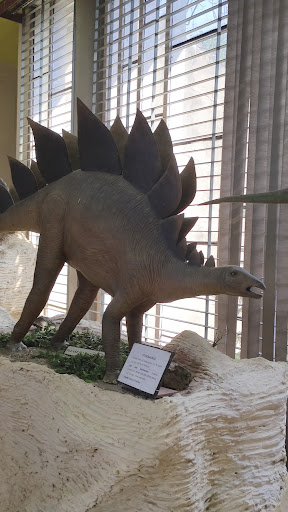
The museum is briefly divided into four sections which comprise an Art Gallery, Natural History Museum, Chandigarh Architecture Museum and National Gallery of Portraits. The Natural History section of the museum exhibits the evolution of man, dinosaurs in India, and the ancient manuscripts. The National Gallery of Portraits displays the photos of the freedom fighters of Indian independence movement. The Chandigarh Architecture Museum displays the original documents of the planning and evolution of the city. Visitors can also find some rare plans, sketches and photographs of the City in this section.
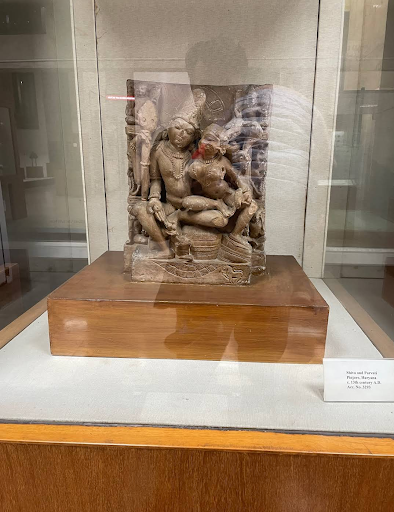
The Art Gallery displays the sculptures of the ancient India, Medieval India, Gandhara period, etc. The major attraction of the museum is 627 Gandhara sculptures and about 4000 Indian miniature paintings particularly belonging to the Pahari School of Art. In addition, there are about 200 Medieval Indian Sculptures found from nearby sites of Punjab, Haryana and Himachal Pradesh. There is also a representative collection of Indian Gold, Silver and Copper coins. The museum also has a spacious reference library to meet the intellectual needs of scholars and students.
The museum also organizes a sound and light show on every Friday, Saturday, and Sunday at 7.30 PM.
Timings: 10 AM - 4.30 PM, Closed on Mondays & National Holidays
Entry Fee:...
Read more