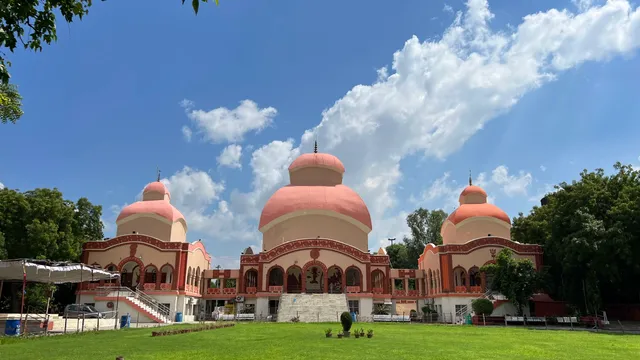
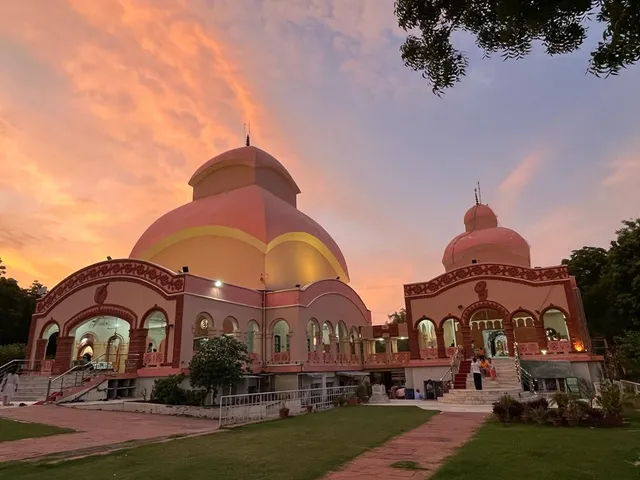
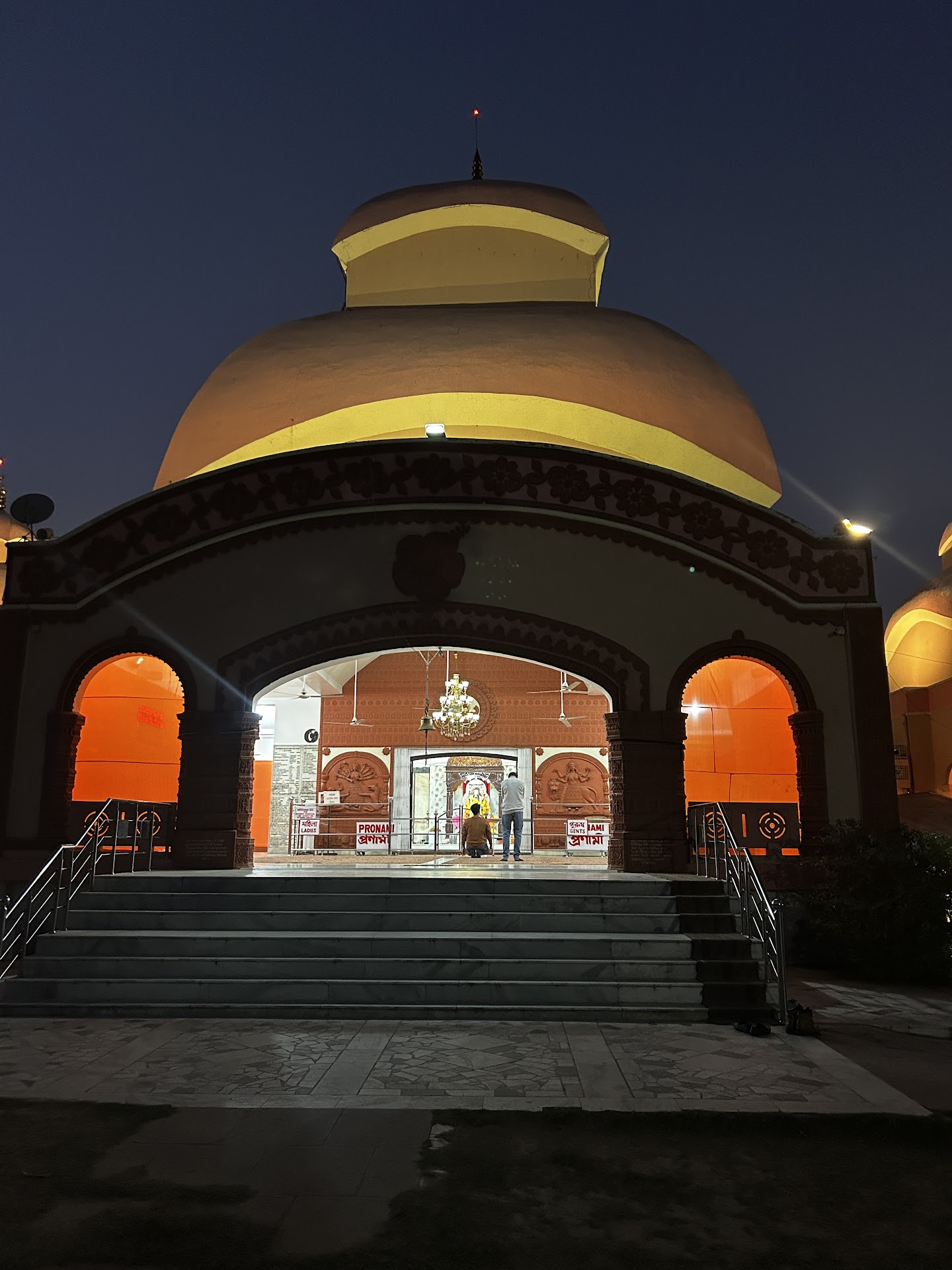
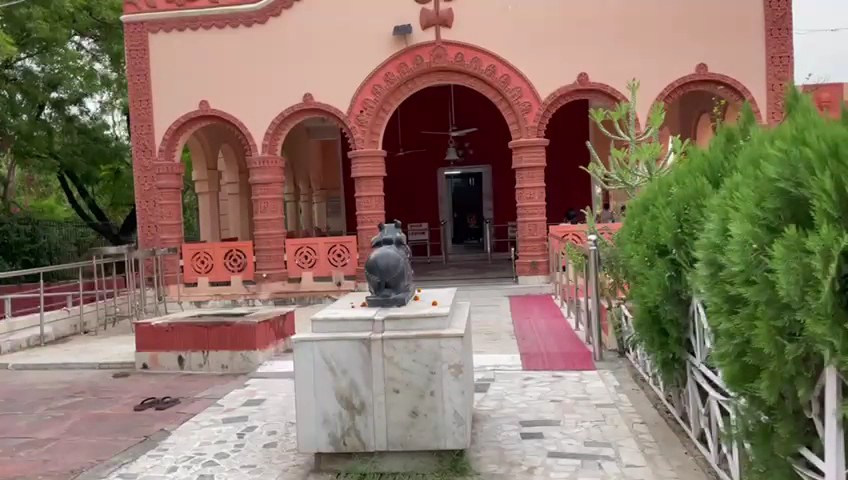
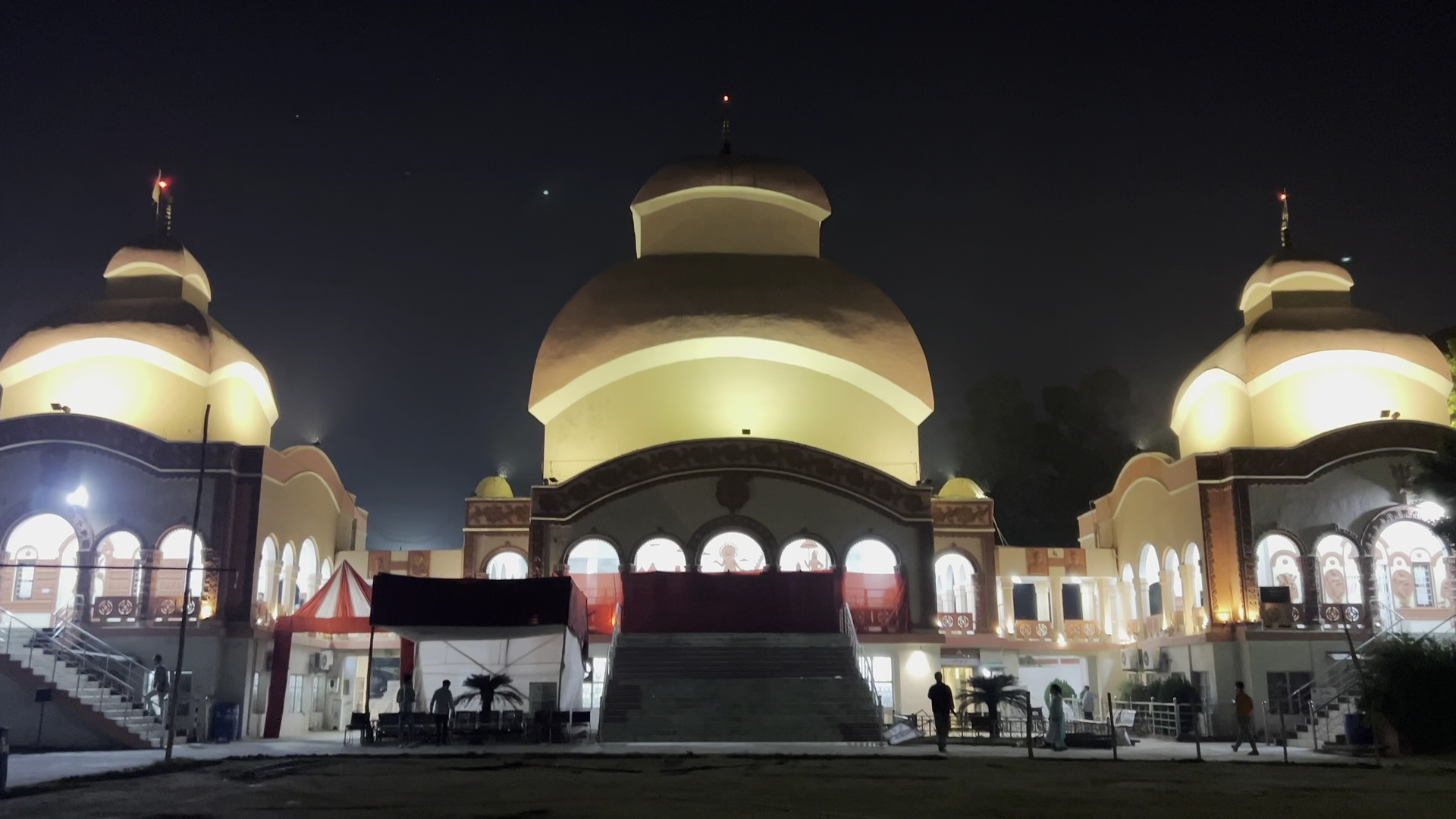
Visiting the Chittaranjan Park Kali Mandir in New Delhi was a profoundly uplifting experience that enveloped me in a sense of divine grace and cultural richness. Perched gracefully on a small hill in the heart of CR Park, this temple complex, established in 1973, is a radiant beacon of Bengali spirituality and devotion to Goddess Dakshina Kali, Lord Shiva, and Radha-Krishna. The moment I ascended the steps and entered the temple, I was struck by its serene aura and the intricate terracotta architecture, a nod to traditional Bengali craftsmanship, which instantly transported me to a sacred space of peace and reverence. The sanctum sanctorum, housing the idol of Maa Kali as Bhavataraini standing majestically atop Lord Shiva, exudes a powerful yet compassionate energy. As I stood before Her, offering my prayers, I felt a deep connection to the Divine Mother, whose presence seemed to dissolve all worldly worries, leaving only a sense of surrender and inner calm. The adjacent shrines of Lord Shiva and Radha-Krishna further enriched the spiritual experience, each radiating its own divine vibration—Shiva’s meditative tranquility and Krishna’s playful love. Pouring water over the Shivling was a particularly grounding ritual, filling me with a sense of purification and gratitude. The temple’s atmosphere, filled with the soft hum of mantras and the fragrance of fresh flowers, was nothing short of magical. I attended an evening aarti, where the rhythmic chants and the glow of oil lamps created a mesmerizing ambiance, drawing me into a meditative state. The priests were warm and dedicated, ensuring every devotee felt included in the rituals. The temple’s commitment to Bengali culture was evident in its vibrant community spirit, with devotees gathering not just for worship but to celebrate their heritage, especially during festivals like Durga Puja, which I’ve heard transforms CR Park into a “mini Kolkata.” What truly sets this temple apart is its role as a cultural and spiritual hub. The library, with its collection of books on Bengali traditions, and the spaces for yoga and cultural events reflect a holistic approach to devotion, blending faith with community engagement. As noted by visitors, the temple is impeccably maintained, with a serene garden and a musical fountain adding to its charm []. The positive aura, as many have shared, makes every visit feel like a homecoming to the Divine Mother’s embrace []. Leaving the temple, I carried with me a heart full of peace and a renewed sense of purpose, as if Maa Kali Herself had blessed me with strength to face life’s challenges. This sacred space is a must-visit for anyone seeking spiritual solace and a glimpse into the soul of Bengali culture in Delhi. I eagerly await my next visit to bask in its divine...
Read moreThe Chittaranjan Park (CR Park) Kali Mandir is a prominent Hindu temple and cultural center for the Bengali community in New Delhi. It's often referred to as a "Mini Bengal" due to the large Bengali population in the area and the temple's role as a hub for their cultural and religious activities. History The temple was established in 1973 as a small Shiv temple on a hill. In 1984, larger shrines were added, dedicated to Goddess Kali, Shiva, and Radha-Krishna. The temple's architecture is based on traditional Bengal terracotta temple design, with gabled roofs known as "chala." Festivals and Activities The temple is most famous for its grand celebration of Durga Puja. The five-day festival attracts huge crowds and is considered one of the most popular Durga Puja events in Delhi. Other major festivals celebrated with great devotion include: Kali Puja Lakshmi Puja Saraswati Puja Ganesh Chaturthi Poila Boishakh (Bengali New Year) Beyond religious ceremonies, the temple complex serves as a cultural hub, hosting various events like: Cultural programs (music, dance, theater) Art and craft workshops Bengali language classes A library with books on Bengali culture A musical fountain show in the evenings. Location and Timings Address: Chittaranjan Park Kali Mandir Complex, Kali Mandir Society, Chittaranjan, New Delhi, India. The nearest metro station is Nehru Place or Kalkaji Temple. Timings can vary slightly between summer and winter. Summer (April-October): 4:45 AM - 12:30 PM & 5:00 PM - 10:00 PM Winter (November-March): 5:45 AM - 1:00 PM & 4:30 PM - 9:00 PM Aarti Timings: Mangal Aarti: Early morning Sandhya Aarti: Evening Musical Fountain: The musical fountain operates after the Sandhya Aarti, typically...
Read moreKali temples are dedicated to the worship of the Hindu goddess Kali, who is often associated with power, destruction of evil, and the fierce aspect of the Divine Mother. This place is serene, calm, organized, clean and peaceful. Unlike most of the popular temples in our country this one is exception. People across the country visit this place whenever in Delhi yet this place is clutter free. Big enough to accomodate good number of people with multiple assembly areas. It's intricate and elaborate architectural designs. From intricate carvings to ornate sculptures, the craftsmanship displayed in these temples often leaves visitors in awe. Temples provide a platform for various rituals and ceremonies to be performed. These rituals, such as aarti (a devotional ceremony with light), bhajan (devotional singing), and puja (offering prayers), allow devotees to actively participate in the worship. Temples serve as community centers, bringing people together for festivals, cultural events, and religious gatherings. They offer a sense of belonging and foster a strong bond among the members of the Hindu community. Festivals such as Navaratri and Kali Puja are celebrated with great enthusiasm and fervor. These celebrations may include processions, music, dance performances, and other cultural events. Kali temples often attract spiritual seekers who seek her blessings for personal growth, protection, or liberation. Many devotees believe that Kali offers strength, courage, and guidance on the...
Read more