Batashewala Complex things to do, attractions, restaurants, events info and trip planning
Basic Info
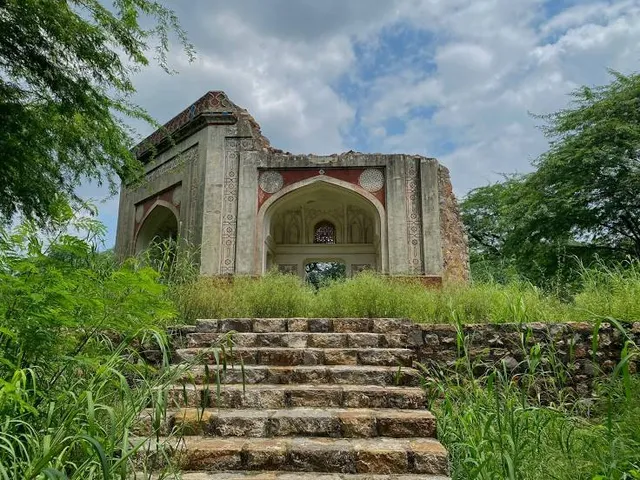
Batashewala Complex
Batashewala Complex Near Humayun’s Tomb Hazrat, Nizamuddin, New Delhi, Delhi 110013, India
4.2(37)
Open until 5:30 PM
Save
spot
spot
Ratings & Description
Info
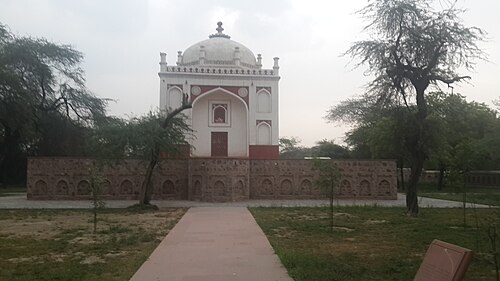
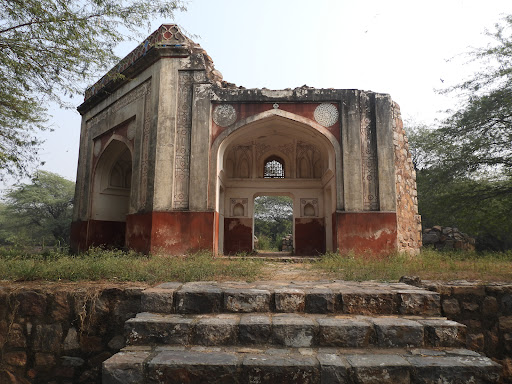
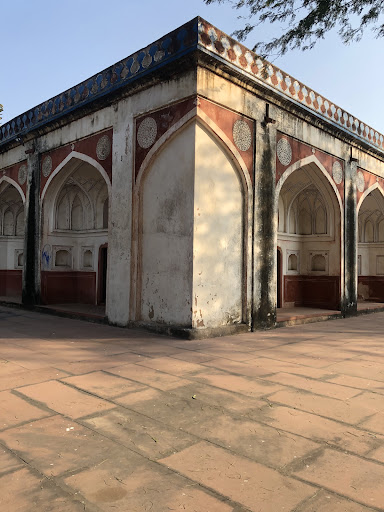
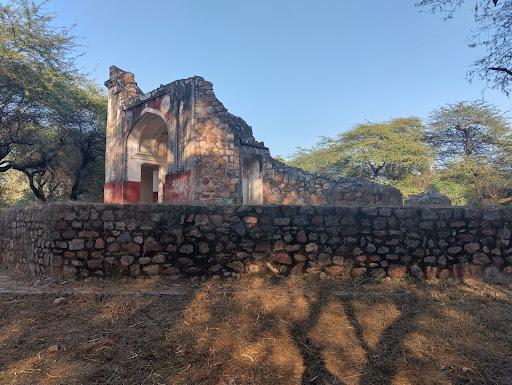
Tombs of Battashewala Complex is an Archaeological Survey of India protected monument in Nizamuddin East, Delhi. The funerary complex, consists of three Mughal period tombs, known as the Bara Batashewala Mahal, the Chota Batashewala Mahal, an unidentified Mughal tomb and arched compound wall enclosures.
Cultural
Outdoor
Scenic
Family friendly
attractions: Humayun’s Tomb, Humayun’s Tomb, Indraprastha Park, Sunder Nursery, Humayun’s Tomb, Waste to Wonder Theme Park, Isa Khan's Tomb, Delhi, Neela Gumbad, Humayun's Tomb Museum, Dargah Nizamuddin Aulia, restaurants: KERALA HOTEL, Carnatic Cafe Sunder Nursery, Cafe Turtle, Karim Hotel, Mishra ji tea stall, Aneja Restaurant, Gulfam Kashmiri Wazwan, ZAKI HOTEL & GUEST HOUSE, Rahim restaurant, Sai Vaishno Hotel, local businesses: Millennium Park Delhi, Waste to Wonder Theme Park, Sanjay Lake, Waste to Wonder, Hazrat Nizamuddin, Sunehri Masjid
 Learn more insights from Wanderboat AI.
Open hoursSee all hours
Thu7:30 AM - 5:30 PMOpen
Plan your stay

Pet-friendly Hotels in Delhi
Find a cozy hotel nearby and make it a full experience.

Affordable Hotels in Delhi
Find a cozy hotel nearby and make it a full experience.

The Coolest Hotels You Haven't Heard Of (Yet)
Find a cozy hotel nearby and make it a full experience.

Trending Stays Worth the Hype in Delhi
Find a cozy hotel nearby and make it a full experience.
Reviews
Live events

Same Day Taj Mahal & Agra Fort Tour from Delhi
Fri, Feb 27 • 2:30 AM
New Delhi, Delhi, 282001, India
View details

Old Delhis Temple, Rickshaw, Spice Market & Food
Thu, Feb 26 • 11:00 AM
New Delhi, Delhi, 110006, India
View details
Explore Old and New Delhi’s Monuments with Guide
Thu, Feb 26 • 8:30 AM
New Delhi, Delhi, 110059, India
View details
Nearby attractions of Batashewala Complex
Humayun’s Tomb
Humayun’s Tomb
Indraprastha Park
Sunder Nursery
Humayun’s Tomb
Waste to Wonder Theme Park
Isa Khan's Tomb, Delhi
Neela Gumbad
Humayun's Tomb Museum
Dargah Nizamuddin Aulia
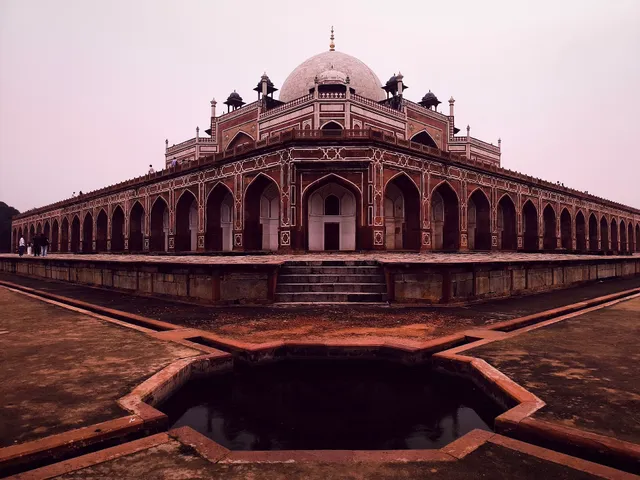
Humayun’s Tomb
4.5
(18K)
Open 24 hours
Click for details
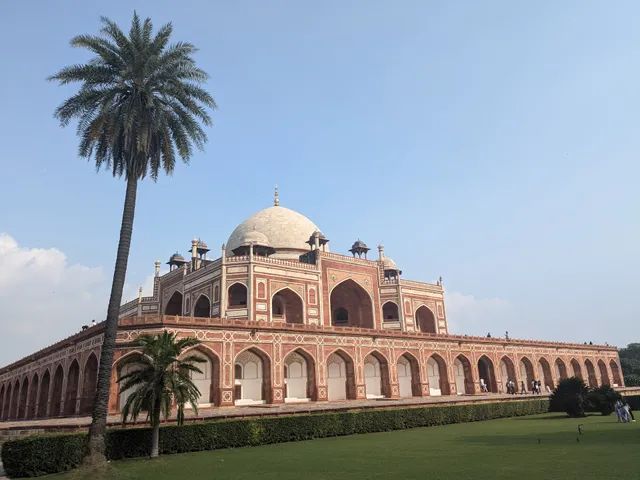
Humayun’s Tomb
4.5
(17.4K)
Open 24 hours
Click for details
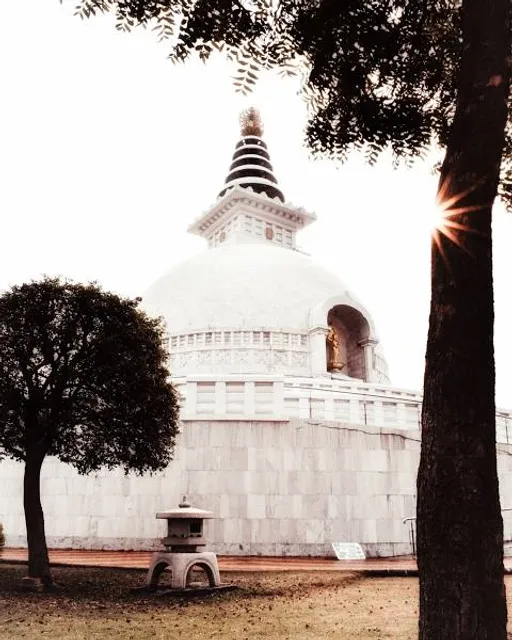
Indraprastha Park
4.2
(4K)
Open until 7:15 PM
Click for details
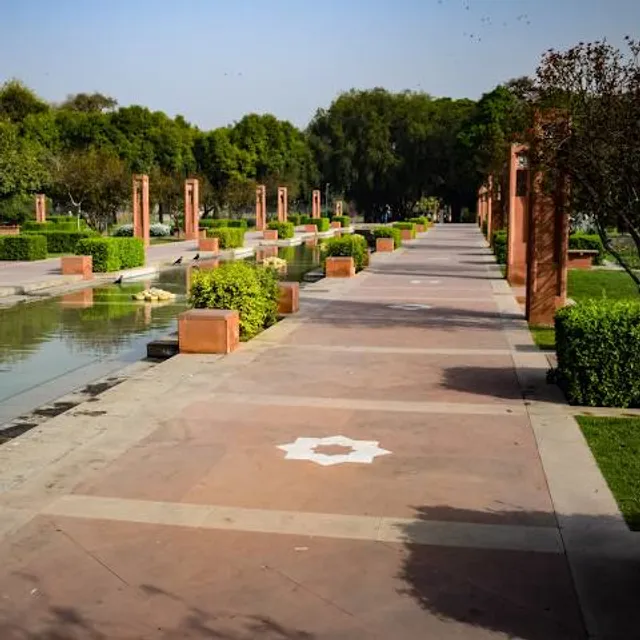
Sunder Nursery
4.6
(8.4K)
Open until 9:00 PM
Click for details
Nearby restaurants of Batashewala Complex
KERALA HOTEL
Carnatic Cafe Sunder Nursery
Cafe Turtle
Karim Hotel
Mishra ji tea stall
Aneja Restaurant
Gulfam Kashmiri Wazwan
ZAKI HOTEL & GUEST HOUSE
Rahim restaurant
Sai Vaishno Hotel
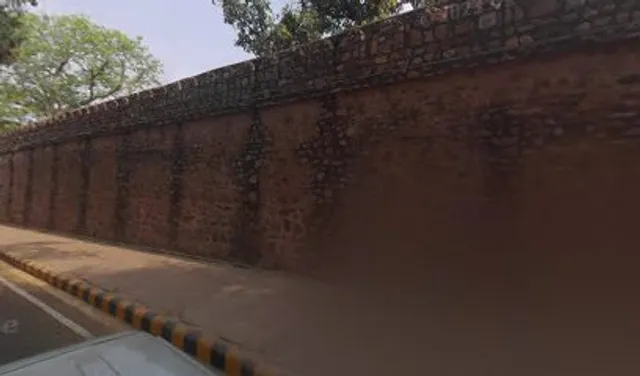
KERALA HOTEL
3.1
(7)
Open until 12:00 AM
Click for details
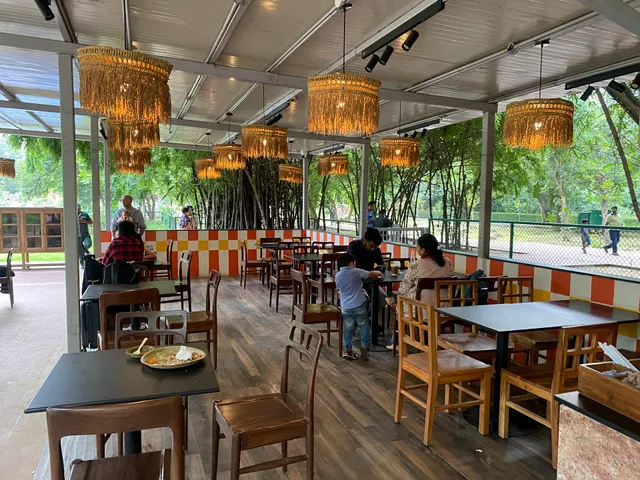
Carnatic Cafe Sunder Nursery
3.7
(264)
Open until 9:00 PM
Click for details
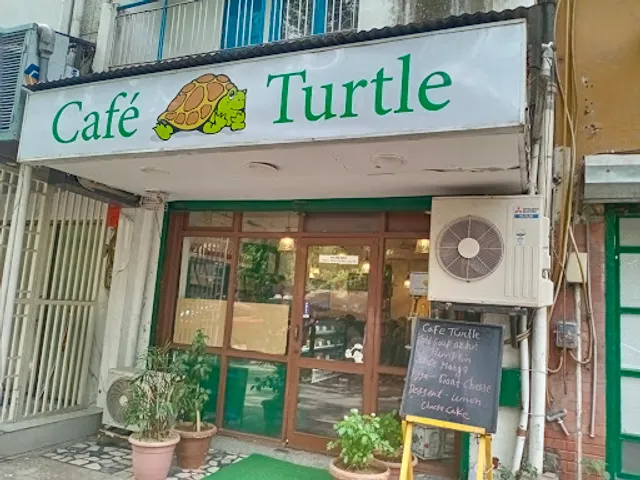
Cafe Turtle
3.6
(236)
Open until 8:00 PM
Click for details
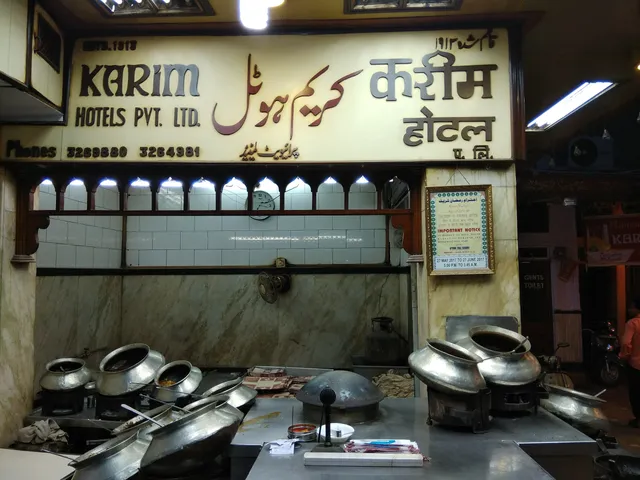
Karim Hotel
3.9
(2.3K)
$$
Closed
Click for details
Nearby local services of Batashewala Complex
Millennium Park Delhi
Waste to Wonder Theme Park
Sanjay Lake
Waste to Wonder
Hazrat Nizamuddin
Sunehri Masjid
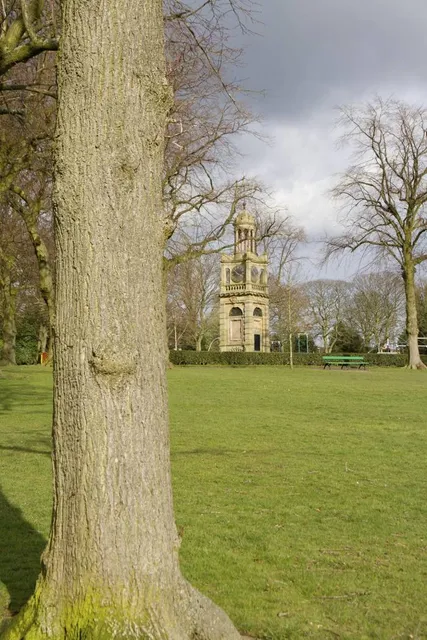
Millennium Park Delhi
4.2
(3.5K)
Click for details
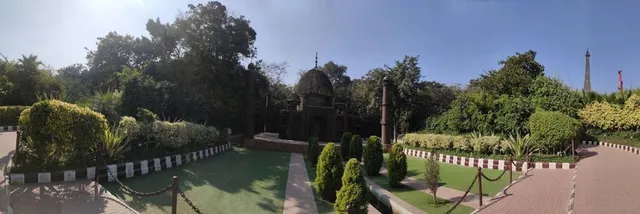
Waste to Wonder Theme Park
4.1
(10K)
Click for details
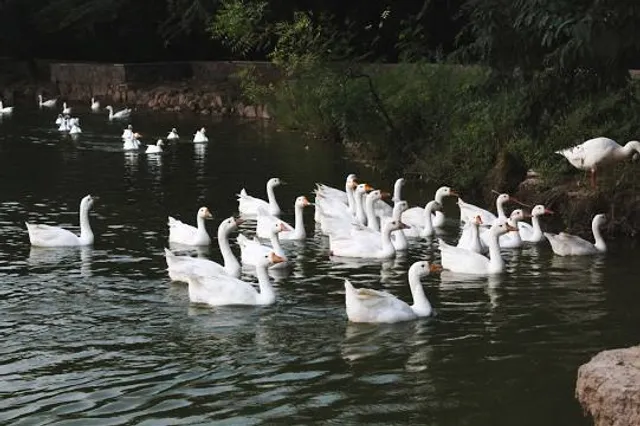
Sanjay Lake
4.1
(360)
Click for details
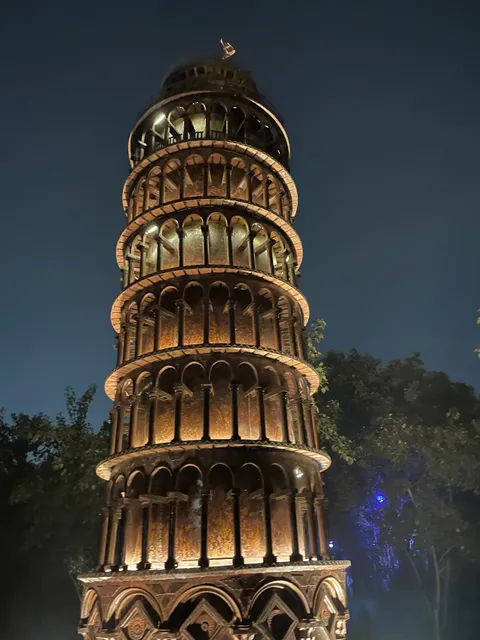
Waste to Wonder
4.3
(226)
Click for details