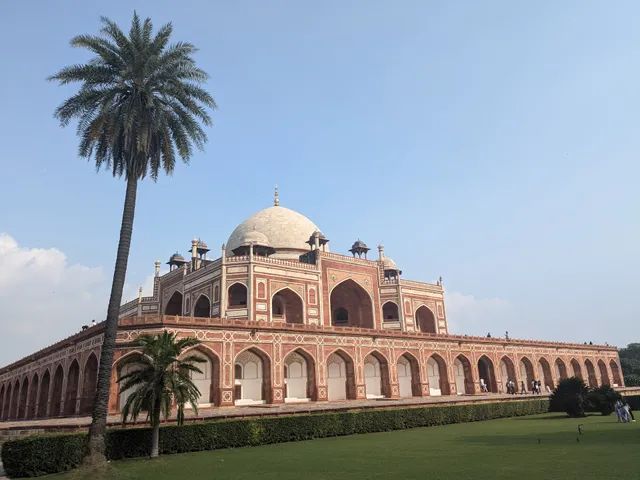
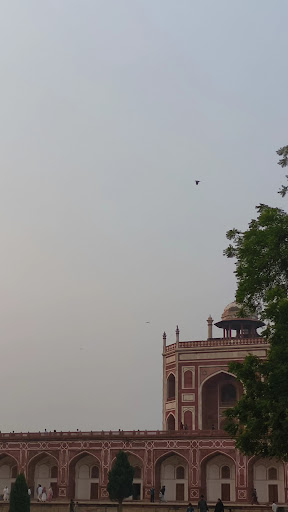
My recent visit to Humayun’s Tomb in Delhi turned out to be a fascinating journey into the rich history and architectural brilliance of the Mughal era. It is truly one of the greatest heritage places one can explore in India, and the overall vibe of the monument felt amazing from the moment I stepped inside. The beautifully preserved structures, lush gardens, and peaceful surroundings made the entire experience memorable and worth cherishing.
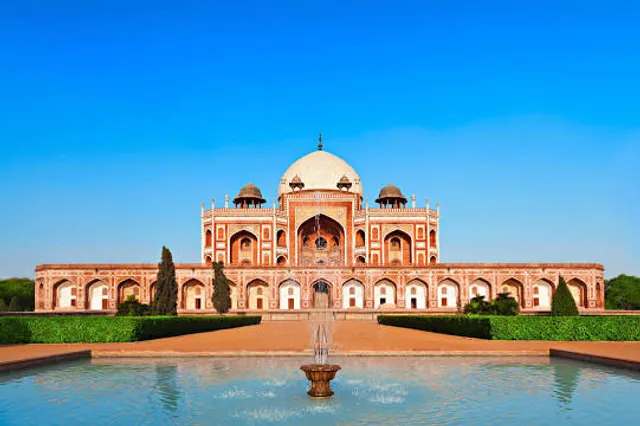
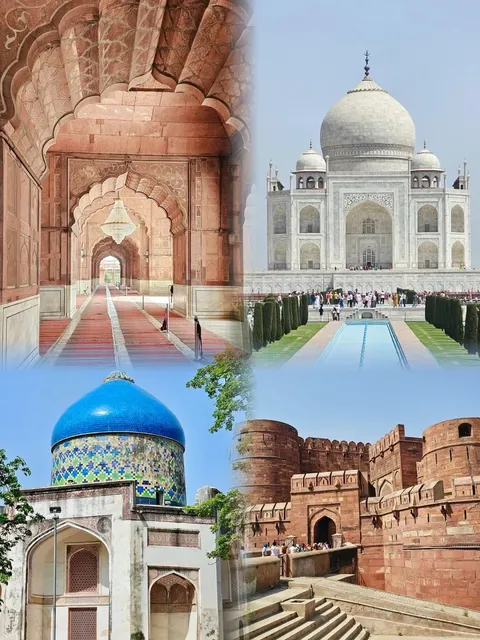
Humayun’s Tomb is not just a tomb, but a masterpiece that influenced the creation of one of the world’s most famous monuments — the Taj Mahal. Built in the mid-16th century by Empress Haji Begum, the grieving wife of Emperor Humayun, it stands as a symbol of love, respect, and royal grandeur. As I walked closer, the striking red sandstone structure with intricate white marble detailing left me completely in awe. The symmetry and geometry reflected in the architecture are unbelievable. One can clearly notice the Persian influence combined beautifully with traditional Indian craftsmanship.
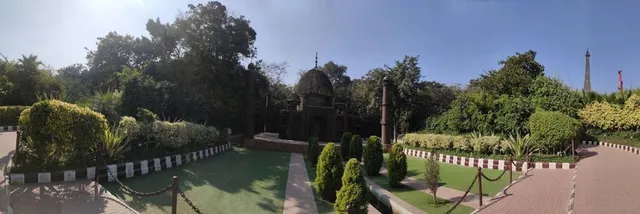
The entrance itself sets the mood, with a wide pathway leading through a stunning Charbagh-style garden divided by water channels — a typical Mughal garden concept representing paradise. The greenery all around, the freshness in the air, and the calmness made it feel like stepping into another world away from Delhi’s usual hustle and bustle. It’s surprising how a place located in the heart of the city can feel so peaceful and soothing.
Inside the main tomb complex, the high arches and the vast open courtyards give a grand sense of space. The central chamber that holds the cenotaph of Emperor Humayun feels royal yet serene. One can’t help but imagine the power and prestige the Mughals once held. The sunlight entering from the intricately designed jharokhas creates a beautiful play of light and shadow on the walls. Every corner of the tomb displays excellent craftsmanship that deserves admiration.
What makes Humayun’s Tomb more interesting is that it is not just the burial site of one emperor. The entire complex houses the tombs of many Mughal family members, making it a royal necropolis. I also learned that this was one of the first structures to blend Persian garden tomb traditions with Indian architectural styles — a technique later perfected in the Taj Mahal.
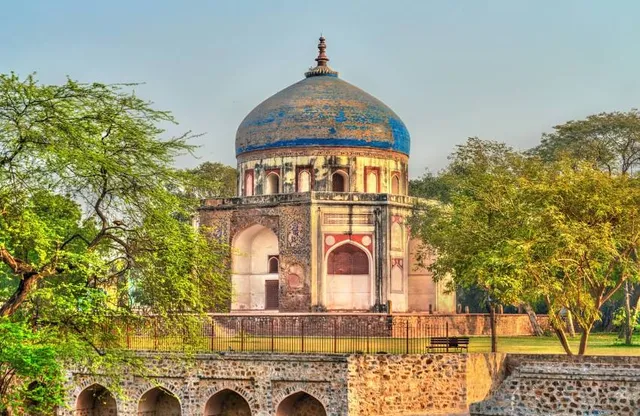
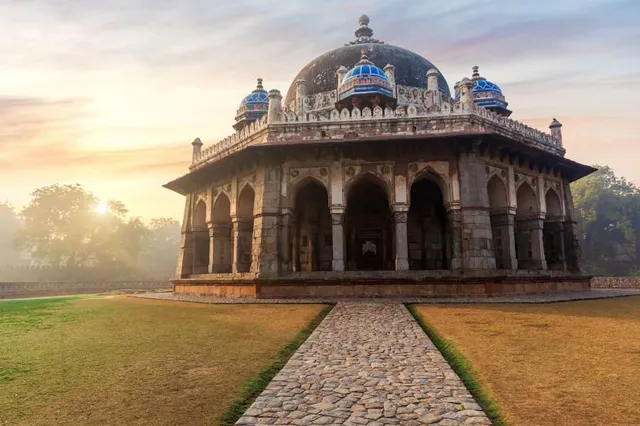
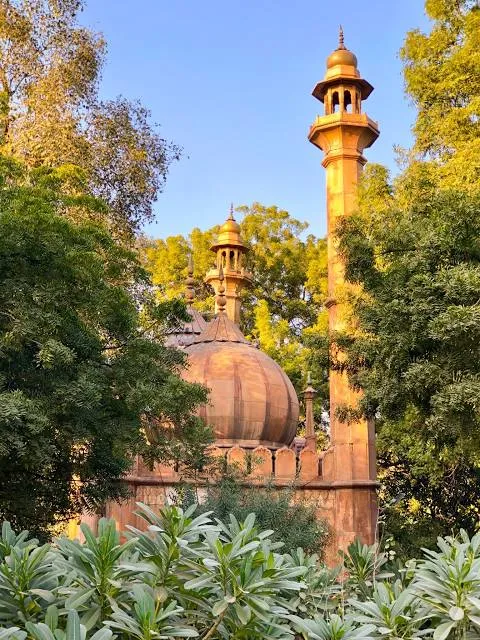
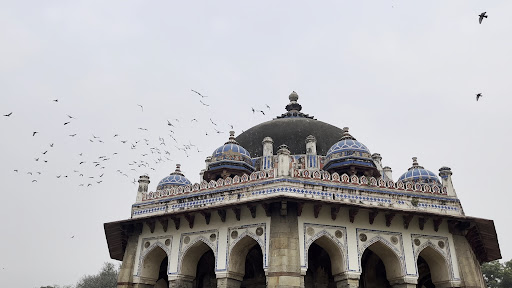
Another highlight of my visit was the Isa Khan’s Tomb located nearby within the same complex. Built even earlier than Humayun’s Tomb, Isa Khan’s tomb features beautiful lattice work and a mosque, giving more insight into the evolution of architecture during that era. Walking through the lawns and seeing parrots flying around the domes added such a lively essence to the place.
The maintenance of this UNESCO World Heritage Site is commendable. The gardens are extremely clean, the pathways well marked, and information boards help visitors understand the history better. It felt like the perfect place for photography lovers, history enthusiasts, and anyone looking for a calm and scenic outing.
Overall, my experience at Humayun’s Tomb was truly fulfilling. It is a place where history speaks from every stone, and the vibe is incredibly peaceful and refreshing. Visiting such a majestic monument made me feel proud of India’s rich heritage and reminded me how important it is to preserve and appreciate these incredible structures. I would highly recommend everyone to visit Humayun’s Tomb at least once — whether you are a tourist or a local resident. It is one of the most beautiful and historically significant places in Delhi, offering a perfect blend of architecture,...
Read moreHumayun's Tomb: A Historical Marvel in the Heart of Delhi
Located in the bustling city of Delhi, Humayun's Tomb is a stunning example of Mughal architecture and a must-visit historical landmark. Here's a comprehensive review of this incredible monument:
Timing: Humayun's Tomb is open from sunrise to sunset, with the following specific timings:
April to September: 6:00 AM to 6:00 PM October to March: 6:00 AM to 5:00 PM
Pros:
Breathtaking Architecture: Humayun's Tomb is a masterpiece of Mughal architecture, blending Indian, Persian, and Islamic styles. Historical Significance: The tomb is the final resting place of Humayun, the second Mughal emperor, and is a significant part of India's history. Serene Atmosphere: The complex is surrounded by beautiful gardens, providing a peaceful escape from the chaos of the city. Well-Maintained: The monument is well-maintained by the Archaeological Survey of India (ASI), ensuring a clean and safe experience for visitors.
Cons:
Crowded: Humayun's Tomb can get quite crowded, especially during peak tourist season. Limited Parking: Parking options are limited, and visitors may need to park their vehicles outside the complex. No Photography Inside: Photography is not allowed inside the tomb, which may be a disappointment for some visitors.
Review: Humayun's Tomb is a must-visit destination for anyone interested in history, architecture, or culture. The monument's stunning design, beautiful gardens, and historical significance make it a truly unforgettable experience.
Tips and Recommendations:
Best Time to Visit: Visit early in the morning or late in the evening to avoid the crowds. Wear Comfortable Shoes: The complex is large, and visitors will need to walk extensively. Respect the Monument: Follow the rules and regulations, and respect the monument's historical significance. Hire a Guide: Consider hiring a guide to get a deeper understanding of the monument's history and significance.
Ticket Prices:
Indian Citizens: ₹50 per person Foreign Nationals: ₹500 per person
Getting There:
Humayun's Tomb is located in Nizamuddin East, Delhi. The nearest metro station is Jawaharlal Nehru Stadium, which is about 2 km away. Visitors can take a taxi or auto-rickshaw from the metro station to the monument.
Overall, Humayun's Tomb is a fascinating historical landmark that offers a glimpse into India's rich past. With its stunning architecture, beautiful gardens, and historical significance, it is a must-visit destination for anyone interested in exploring the cultural...
Read moreWonderful! What a historical moment, very beautiful architecture. First you have to buy tickets for Indian tourists 40 rupees and for foreign tourists 600 rupees. Then you go inside after that and you will see that you have come to another place. Lots of beautiful gardens are there so many plants are there and lots of birds are there. There are so many fountains in which water is spring. There is a museum inside the humayun entrance gate. If you are going to family then there are gardens where you can rest or want to eat something there you can eat but inside there Humayun's tomb no food shop or restaurant are there you have to bring your own food from the house. If you are eating something then I request you to put all the waste in the dustbin. There is a camera man who can take photos but he or she will change money, at a very convenient price for 1 photo- 30 rupees. It is open from sunrise to sunset. The best time to visit the tomb is from 3 pm .
Humayun's Tomb is a breathtaking monument and a must-visit attraction in Delhi, India. This stunning piece of architecture was commissioned by Empress Bega Begum, Humayun's chief consort, and took around 8 years to complete, from 1565 to 1572 ¹ ². The tomb is considered one of the most impressive Mughal structures, and its design was conceptualized by Persian architect Mirak Mirza Ghiyath . Key Highlights: Architecture: Humayun's Tomb showcases a perfect blend of Persian, Turkish, and Indian architectural styles . Gardens: The tomb is surrounded by beautiful gardens, designed according to the Islamic concept of a "Paradise Garden". Historical Significance: It's the first garden-tomb on the Indian subcontinent and was declared a UNESCO World Heritage Site in 1993 . Other Tombs: The complex houses over 150 tombs, including those of Humayun's wives, son, and descendants of Emperor Shah Jahan. Timings: The tomb is open from sunrise to sunset, with the best time to visit between 8 am and 6 pm Entry Fee: Indians: ₹40, Foreigners: ₹600 Nearest Metro Station: Jawaharlal Nehru Metro Station on the Violet Line
Overall, Humayun's Tomb is an awe-inspiring monument that showcases the rich history and cultural heritage of India. If you're planning to visit Delhi, make sure to add this stunning attraction to...
Read more