HTML SitemapExplore
logo
Find Things to DoFind The Best Restaurants

Isa Khan's Tomb, Delhi — Attraction in Delhi

Name
Isa Khan's Tomb, Delhi
Description
Nearby attractions
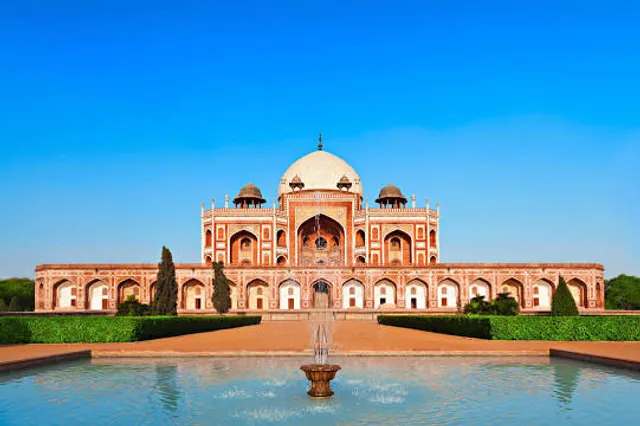
Humayun’s Tomb
Hazrat Nizamuddin Aulia Dargah, Mathura Rd, Nizamuddin, Nizamuddin East, New Delhi, Delhi 110013, India
Dargah Nizamuddin Aulia
Boali Gate Rd, Nizamuddin, Nizammudin West Slum, Nizamuddin West, New Delhi, Delhi 110013, India
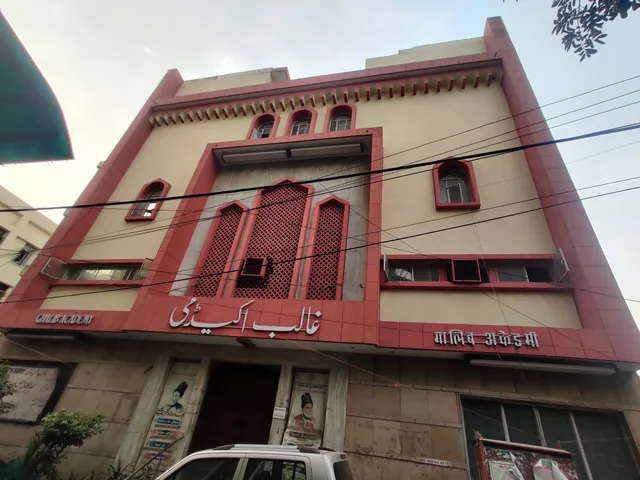
Ghalib Academy
Plot No-168 1, H6RV+J74 Banglewali Masjid, Plot No-168, Markaz, near Alami, Nizamuddin, Nizammudin West Slum, 1, Nizamuddin West, New Delhi, Delhi 110013, India
Humayun's Tomb Entry
H6VV+6M, Nizamuddin, Nizamuddin East, New Delhi, Delhi 110013, India
Chausath Khambha
H6RV+F6R, Nizamuddin E Ln, Nizamuddin, Nizammudin West Slum, Slum, Nizamuddin West, New Delhi, Delhi 110013, India
Barakhamba Tomb Monument
Dildar Nagar, T-395/2D, Lodhi Rd, Nizamuddin, Nizammudin West Slum, Nizamuddin West, New Delhi, Delhi 110013, India
Ataga khan tomb
286, Nizamuddin, Nizammudin West Slum, Nizamuddin West, New Delhi, Delhi 110013, India
Humayun Tomb
Humayun tomb, Mathura Rd, Nizamuddin, Nizamuddin East, New Delhi, Delhi 110013, India
Batashewala Complex
Batashewala Complex Near Humayun’s Tomb Hazrat, Nizamuddin, New Delhi, Delhi 110013, India
Neela Gumbad
H7R3+Q7C, Nizamuddin, Nizamuddin East, New Delhi, Delhi 110013, India
Nearby restaurants
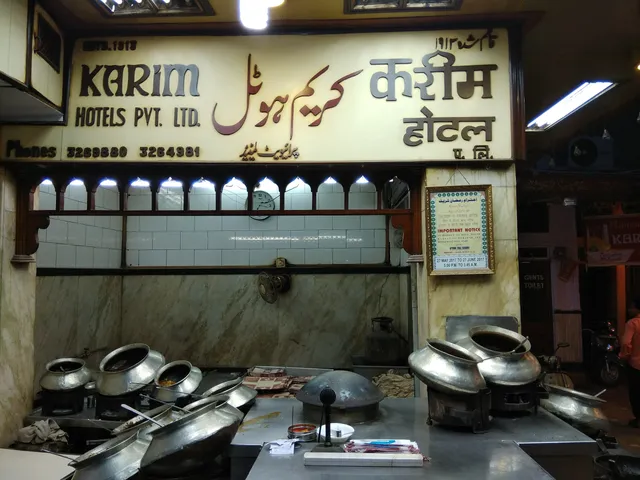
Karim Hotel
near Humayun's Tomb, Nizamuddin, Nizammudin West Slum, Nizamuddin West, New Delhi, Delhi 110013, India
Gulfam Kashmiri Wazwan
Shop No. 3, Bldg. No. 5, Hazrat, Nizamuddin West, New Delhi, Delhi 110013, India
ZAKI HOTEL & GUEST HOUSE
plot 2, opposite taxi stand, Nizamuddin, basti hazrat, Nizamuddin West, New Delhi, Delhi 110013, India
Rahim restaurant
Rahim restaurant hazrat, opposite Karim restaurant, Nizamuddin, New Delhi, Delhi 110013, India
Chick Fish Point
H6VR+2QV, Lodhi Rd, Nizamuddin, Slum, Nizamuddin West, New Delhi, Delhi 110013, India
Fab Cafe by the Lake
Sunder Nursery, Delhi' Heritage Park, Bharat Scouts and Guides Marg, adjoining Humayun's Tomb, Nizamuddin, National Zoological Park, Sundar Nagar, New Delhi, Delhi 110003, India
Aap Ki Khatir Nizamuddin
Cs-91, K-556, Dargah Hazrat, Nizamuddin, Nizamuddin West, Delhi, New Delhi, Delhi 110013, India
Indian Accent
The Lodhi, Lodhi Rd, CGO Complex, Pragati Vihar, New Delhi, Delhi 110003, India
Al-fateh Restaurant
T 21,Phool wali gali, Nizamuddin, Delhi 110013, India
KERALA HOTEL
SHOP NO 15 DDA MKT, RLY STN, opposite NIZAMUDDIN, Nizamuddin, Sarai Kale Khan, New Delhi, Delhi 110013, India
Nearby hotels
Hotel The Fazar Residency Near Nizamuddin Markaz and Dargah
building no 6, 6 MP Road, South, Nizamuddin West, New Delhi, Delhi 110013, India
Central Guest House hazrat nizamuddin dargah/Nizamuddin Markaz
4/5, near Markaz, Nizamuddin, Nizammudin West Slum, Nizamuddin West, New Delhi, Delhi 110013, India
The aziz Residency
Building no. 3, Aziz Residency, near by Markaz Gali, Nizamuddin, Nizammudin West Slum, Hazrat, Nizamuddin West, New Delhi, Delhi 110013, India
The Super Residency Near Nizamuddin Auliya Dargha
4, Nizamuddin, Block D, Nizamuddin West, New Delhi, Delhi 110013, India
Hotel West Inn
C9, Block C, Nizamuddin West, New Delhi, Delhi 110013, India
Azhan Residency Nizamuddin New Delhi
G-26, Hazarat, Nizamuddin West, New Delhi, Delhi 110013, India
Eleven Bed & Breakfast
11, Rahim Khan Marg, Block D, Nizamuddin East, New Delhi, Delhi 110013, India
Amidst Monuments and Serenity
11, opposite to Khan-I-Khanan, Block D, Nizamuddin East, New Delhi, Delhi 110013, India
Zaza Stay
G-54, Block G, Nizamuddin West, New Delhi, Delhi 110013, India
G 49 Bed & Breakfast
49, Block G, Nizamuddin West, Delhi, New Delhi, Delhi 110013, India
Related posts
Keywords
Isa Khan's Tomb, Delhi tourism.Isa Khan's Tomb, Delhi hotels.Isa Khan's Tomb, Delhi bed and breakfast. flights to Isa Khan's Tomb, Delhi.Isa Khan's Tomb, Delhi attractions.Isa Khan's Tomb, Delhi restaurants.Isa Khan's Tomb, Delhi travel.Isa Khan's Tomb, Delhi travel guide.Isa Khan's Tomb, Delhi travel blog.Isa Khan's Tomb, Delhi pictures.Isa Khan's Tomb, Delhi photos.Isa Khan's Tomb, Delhi travel tips.Isa Khan's Tomb, Delhi maps.Isa Khan's Tomb, Delhi things to do.
Isa Khan's Tomb, Delhi things to do, attractions, restaurants, events info and trip planning
Isa Khan's Tomb, Delhi
IndiaDelhiIsa Khan's Tomb, Delhi

Basic Info

Isa Khan's Tomb, Delhi

Humayun's Tomb complex, Mathura Rd, Nizamuddin, Nizamuddin East, New Delhi, Delhi 110013, India
4.4(1.4K)
Closed
Save
spot

Ratings & Description

Info

Cultural
Accessibility
attractions: Humayun’s Tomb, Dargah Nizamuddin Aulia, Ghalib Academy, Humayun's Tomb Entry, Chausath Khambha, Barakhamba Tomb Monument, Ataga khan tomb, Humayun Tomb, Batashewala Complex, Neela Gumbad, restaurants: Karim Hotel, Gulfam Kashmiri Wazwan, ZAKI HOTEL & GUEST HOUSE, Rahim restaurant, Chick Fish Point, Fab Cafe by the Lake, Aap Ki Khatir Nizamuddin, Indian Accent, Al-fateh Restaurant, KERALA HOTEL
logoLearn more insights from Wanderboat AI.
Open hoursSee all hours
Sun6 AM - 7 PMClosed

Plan your stay

hotel
Pet-friendly Hotels in Delhi
Find a cozy hotel nearby and make it a full experience.

hotel
Affordable Hotels in Delhi
Find a cozy hotel nearby and make it a full experience.

hotel
The Coolest Hotels You Haven't Heard Of (Yet)
Find a cozy hotel nearby and make it a full experience.

hotel
Trending Stays Worth the Hype in Delhi
Find a cozy hotel nearby and make it a full experience.

Reviews

Nearby attractions of Isa Khan's Tomb, Delhi

Humayun’s Tomb

Dargah Nizamuddin Aulia

Ghalib Academy

Humayun's Tomb Entry

Chausath Khambha

Barakhamba Tomb Monument

Ataga khan tomb

Humayun Tomb

Batashewala Complex

Neela Gumbad

Humayun’s Tomb

Humayun’s Tomb

4.5

(17.3K)

Open 24 hours
Click for details
Dargah Nizamuddin Aulia

Dargah Nizamuddin Aulia

4.6

(9.5K)

Open 24 hours
Click for details
Ghalib Academy

Ghalib Academy

4.1

(239)

Open 24 hours
Click for details
Humayun's Tomb Entry

Humayun's Tomb Entry

4.6

(46)

Open 24 hours
Click for details

Things to do nearby

Old Delhi Food-Temples-Spice Market & Rickshaw
Sun, Dec 7 • 10:00 AM
New Delhi, Delhi, 110006, India
View details

Cook Indian food in a traditional Delhi home
Sun, Dec 7 • 9:00 AM
Delhi, Delhi, 110075, India
View details
Witness spiritual musing with a boatman
Sun, Dec 7 • 6:00 AM
Delhi, Delhi, 110094, India
View details

Nearby restaurants of Isa Khan's Tomb, Delhi

Karim Hotel

Gulfam Kashmiri Wazwan

ZAKI HOTEL & GUEST HOUSE

Rahim restaurant

Chick Fish Point

Fab Cafe by the Lake

Aap Ki Khatir Nizamuddin

Indian Accent

Al-fateh Restaurant

KERALA HOTEL

Karim Hotel

Karim Hotel

3.9

(2.5K)

$$

Click for details
Gulfam Kashmiri Wazwan

Gulfam Kashmiri Wazwan

3.8

(132)

$

Click for details
ZAKI HOTEL & GUEST HOUSE

ZAKI HOTEL & GUEST HOUSE

4.0

(95)

Click for details
Rahim restaurant

Rahim restaurant

4.7

(59)

Click for details
Get the Appoverlay
Get the AppOne tap to find yournext favorite spots!
Wanderboat LogoWanderboat

Your everyday Al companion for getaway ideas

CompanyAbout Us
InformationAI Trip PlannerSitemap
SocialXInstagramTiktokLinkedin
LegalTerms of ServicePrivacy Policy

Get the app

© 2025 Wanderboat. All rights reserved.
logo

Reviews of Isa Khan's Tomb, Delhi

4.4
(1,416)
avatar
5.0
5y

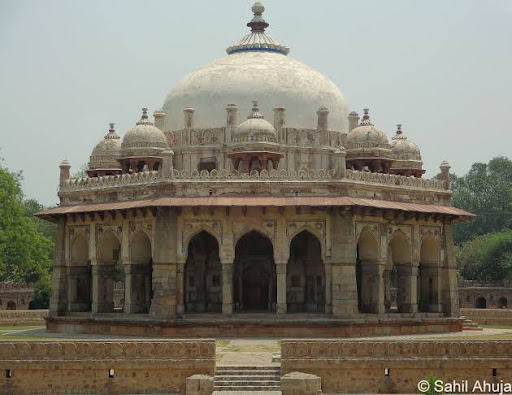
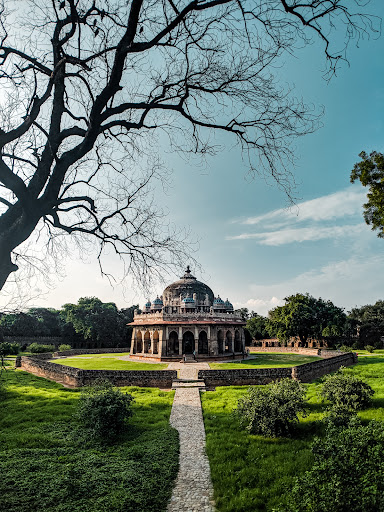
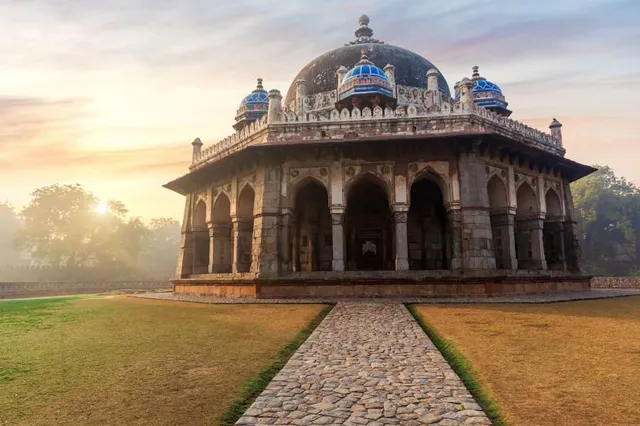
The tomb of the noble Isa Khan Niazi  is located in the Humayun’s Tomb  complex in Delhi, India. The mausoleum, octagonal in shape and built mainly of red sandstone, was built in 1547–1548 during the reign of Sher Shah Suri. The mosque of Isa Khan is located west of the mausoleum, which along with other buildings form the UNESCO World Heritage Site  of Humayun's tomb complex.

The mausoleum houses the tomb of Isa Khan Niazi, who was a noble at the courts of Sher Shah Suri  and Islam Shah Suri. It is situated south of the Bu Halima's garden in the Humayun’s Tomb  complex. An inscription at the tomb mentions that it was built in c. 1547–1548. It also says the tomb is an "asylum of paradise" built during the reign of Sher Shah.The mosque, located west of the mausoleum, was built in c. 1547.

Comprehensive restoration work was done through the Aga Khan Trust for Culture(AKTC), in collaboration with Archaeological Survey of India  (ASI) in 2011-2015.

The tomb was constructed in the Lodhi architectural style. Its octagonal shape, the hallmark of the Lodhi era, stands on a low plinth. Verandahs surround the central chamber. Each side of the chamber consists of three arches with one chajja  (roof) present over each. The mausoleum's architectural style is similar to those of Mubarak Shah, Muhammad Shah, Khan-i-Jahan Tilangani and Sikander Lodi.

The mausoleum is built mainly with grey quartzite  with red sandstone  used for ornamentation. Stucco plaster envelops the rough masonry. Different coloured tiles have been used on the walls for decoration. The tomb's gateway stands on a one-metre-high (3.3 ft) podium reached by stairs. The square head doorway of the gate chamber has been built in Hindu architectural  style.

Inside the mausoleum, the tomb is enclosed by an inner octagonal wall. Other than the southern and western walls, the other walls consist of jalis  (latticed screens), which are recessed. These recesses, in turn, contain four-centred arches. The western wall has the main mihrab  (a semi-circular niche in the wall which indicates the direction of Mecca, the direction in which Muslims pray). The mihrab is four centred and bordered by Quranic verses. The southern wall includes the main entrance to the building. The medallion located at the centre of the dome is ornamented with Persian floral designs. It also has a Quranic verse.

The tomb chamber consists of six tombs—two large and four smaller. Sandstone slabs are used to pave the floor. The cenotaph of Isa Khan Niazi is made of red sandstone and marble.

The central dome resembles that of the Qila-i-Kuhna Mosque  at Purana Qila. The side domes are raised on pillars and resemble pavilions.The single prayer chamber is divided into three bays. The mosque's central bay is made of red sandstone, the side-bays of grey stone. Each bay houses a four-arched gateway to the mosque, whose borders are decorated with green and blue tiles. The corners of the central bay are adorned with pinnacles. According to the Archaeological Survey of India, the mosque is simpler in comparison to the mausoleum.

There are three equal-sized arches on each facade supported by stone pilasters. Blue and green tiles border the arches. A frame made of red stone contains the central arch. These features were inspired by the Moth ki Masjid mosque in Delhi. The side arches are made of grey stone and decorated with stucco. The medallions on the spandrels  of these arches contain floral designs inlaid with blue and green tiles, a feature of Morrish architecture.

The mosque stands on a one-metre-high (3.3 ft) platform. Its interior is plain, and the floor is simply plastered. The lateral domes are built on pendentives , while the central dome rises from squinches  on a 16-sided drum. Its pavilions, supported by stone pillars, are adorned with blue tiles.

The mosque contains three mihrabs  of equal size, carved of stone, containing...

   Read more
avatar
5.0
6y

Background

The Isa Khan tomb complex is a walled area adjacent to Humayun’s Tomb and is the resting place of Isa Khan Niyazi, a noble of influence at the court of Sher Shan Suri. A mosque and an octagonal tomb built in the Sur style are enclosed in Isa Khan’s walled complex. An inscription on a sandstone slab over the mihrab inside the tomb dates the construction to the Hijra year 954 (A.D. 1547-1548). The complex is the first historic structure encountered by visitors on entering the World Heritage Site complex of Humayun’s Tomb.

How We Helped

WMF has joined the Aga Khan Trust for Culture’s Urban Renewal Initiative, which is currently working at Humayun’s Tomb in partnership with the Archaeological Survey of India and the Municipal Corporation of Delhi. WMF’s work expands the Humayun’s Tomb conservation project to the Isa Khan complex, which is the first historic monument visitors encounter when they visit the Humayun’s Tomb complex. WMF’s project will protect the mosque, tomb, and nearby gateway and tomb of Bu Halima. The intervention includes the repair of leaks, use of traditional lime plaster to restore the mosque dome, and tile work of the inner tomb.

At the end of 2010 the project received a boost when the request to move the road the divides the Humayun's Tomb complex was granted. Once the road removal is accomplished, the historic connection between Humayun’s Tomb and Nila Gumbad will be restored. The reunification of the landscape connecting these great sites will engender a marked improvement in long-term stewardship over these historic cultural treasures.

Physical work began in January 2011 after a period of documentation that included 3D high-definition surveying, condition assessment, archival research, and a peer review of the conservation plan. The studies revealed that the complex is possibly the densest ensemble of medieval Islamic buildings in India. Research also discovered that the outer half of the tomb enclosure was sunk at least two meters below the inner enclosure, making it the earliest known Mughal sunken garden in the country, predating famous example at Akbar’s tomb near Agra by over half a century. 325,000 square feet of earth was removed to restore the garden to its original level. Archaeologists uncovered a number of artifacts, including pieces from the building, during this process.

Another major component of the project is replacing missing ceramic tiles from the roof of the tomb. Since the craft of making ceramic tiles matching the sixteenth-century versions has been lost in India, four skilled craftsmen from Uzbekistan were invited to spend six months working with the local team to experiment and produce tiles that match the originals.

Conservation work continues, but on April 18, 2013, World Heritage Day, the tomb complex reopened to the public.

Why It Matters

The restoration of the area around and including Isa Khan's tomb will considerably enhance the historic and cultural significance of the entire Humayun’s Tomb complex. Because the Isa Khan tomb is located at the entrance to Humayun’s Tomb, it can also serve as an introduction to the site for visitors. Humayun’s Tomb complex, including the adjacent Isa Khan tomb, is recognized as one of the most important Mughal complexes in India, but deferred maintenance has resulted in a range of surface deterioration and weathering of decorative features such as eroded ornamental stucco and cracked glazing tiling, and general dark soiling from atmospheric pollution. The return of Isa Khan's tomb, mosque, gardens, and gateway to a more fitting appearance will allow a fuller appreciation of the beauty and significance of this chapter in India’s architectural and...

   Read more
avatar
4.0
5y

The high rubble built enclosure is entered through two lofty double-storeyed gateways on the west and south, 16 metres high with rooms on either side of the passage and small courtyards on the upper floors. The tomb built of rubble masonry and red sandstone, uses white marble as a cladding material and also for the flooring, lattice screens (jaalis), door frames, eaves (chhajja) and for the main dome. It stands on a vaulted terrace eight-metre high and spread over 12,000m². It is essentially square in design, though chamferred on the edges to appear octagonal, to prepare ground for the design of the interior structure. The plinth made with rubble core has fifty-six cells all around, and houses over 100 gravestones. Plus, the entire base structure is on a raised platform, a few steps high.[24]

Inspired by Persian architecture; the tomb reaches a height of 47 metres (154 ft) and the plinth is 91 metres (299 ft) wide, and was the first Indian building to use the Persian double dome on a high neck drum, and measures 42.5 metres (139 ft), and is topped by 6 metres (20 ft) high brass finial ending in a crescent, common in Timurid tombs. The double or 'double-layered' dome, has its outer layer which supports the white marble exterior, while the inner part gives shape to the cavernous interior volume. As a contrast to the pure white exterior dome, rest of the building is made up of red sandstone, with white and black marble and yellow sandstone detailing, to relieve the monotony.[34]

The symmetrical and simple designed on the exterior is in sharp contrast with the complex interior floor plan, of inner chambers, which is a square 'ninefold plan', where eight two-storyed vaulted chambers radiate from the central, double-height domed chamber. It can be entered through an imposing entrance iwan (high arc) on the south, which is slightly recessed, while others sides are covered with intricate jaalis, stone latticework. Underneath this white dome in a domed chamber (hujra), lies the central octagonal sepulcher, the burial chamber containing a single cenotaph, that of the second Mughal Emperor, Humayun aligned on the north-south axis, as per Islamic tradition, wherein the head is placed to the north, while the face is turned sideways towards Mecca. The real burial chamber of the Emperor, however, lies further away in an underground chamber, exactly beneath the upper cenotaph, accessible through a separate passage outside the main structure, which remains mostly closed to visiting public. This burial technique along with pietra dura, a marble and even stone inlay ornamentation in numerous geometrical and arabesque patterns, seen all around the facade is an important legacy of the Indo-Islamic architecture, and flourished in many later mausolea of the Mughal Empire, like the Taj Mahal, where again we find twin cenotaphs and exquisite 'pietra dura' craftsmanship.[32]

The main chamber also carries the symbolic element, a mihrab design over the central marble lattice or jaali, facing Mecca in the West, here instead of the traditional Surah 24, An-Noor of Quran which is inscribed on the mihrabs, this one is just an outline allowing light to enter directly into the chamber, from Qibla or the direction of Mecca, thus elevating the status of the Emperor, above his rivals and closer to...

   Read more
Page 1 of 7
Previous
Next

Posts

Md AreebMd Areeb
The tomb of the noble Isa Khan Niazi  is located in the Humayun’s Tomb  complex in Delhi, India. The mausoleum, octagonal in shape and built mainly of red sandstone, was built in 1547–1548 during the reign of Sher Shah Suri. The mosque of Isa Khan is located west of the mausoleum, which along with other buildings form the UNESCO World Heritage Site  of Humayun's tomb complex. The mausoleum houses the tomb of Isa Khan Niazi, who was a noble at the courts of Sher Shah Suri  and Islam Shah Suri. It is situated south of the Bu Halima's garden in the Humayun’s Tomb  complex. An inscription at the tomb mentions that it was built in c. 1547–1548. It also says the tomb is an "asylum of paradise" built during the reign of Sher Shah.The mosque, located west of the mausoleum, was built in c. 1547. Comprehensive restoration work was done through the Aga Khan Trust for Culture(AKTC), in collaboration with Archaeological Survey of India  (ASI) in 2011-2015. The tomb was constructed in the Lodhi architectural style. Its octagonal shape, the hallmark of the Lodhi era, stands on a low plinth. Verandahs surround the central chamber. Each side of the chamber consists of three arches with one chajja  (roof) present over each. The mausoleum's architectural style is similar to those of Mubarak Shah, Muhammad Shah, Khan-i-Jahan Tilangani and Sikander Lodi. The mausoleum is built mainly with grey quartzite  with red sandstone  used for ornamentation. Stucco plaster envelops the rough masonry. Different coloured tiles have been used on the walls for decoration. The tomb's gateway stands on a one-metre-high (3.3 ft) podium reached by stairs. The square head doorway of the gate chamber has been built in Hindu architectural  style. Inside the mausoleum, the tomb is enclosed by an inner octagonal wall. Other than the southern and western walls, the other walls consist of jalis  (latticed screens), which are recessed. These recesses, in turn, contain four-centred arches. The western wall has the main mihrab  (a semi-circular niche in the wall which indicates the direction of Mecca, the direction in which Muslims pray). The mihrab is four centred and bordered by Quranic verses. The southern wall includes the main entrance to the building. The medallion located at the centre of the dome is ornamented with Persian floral designs. It also has a Quranic verse. The tomb chamber consists of six tombs—two large and four smaller. Sandstone slabs are used to pave the floor. The cenotaph of Isa Khan Niazi is made of red sandstone and marble. The central dome resembles that of the Qila-i-Kuhna Mosque  at Purana Qila. The side domes are raised on pillars and resemble pavilions.The single prayer chamber is divided into three bays. The mosque's central bay is made of red sandstone, the side-bays of grey stone. Each bay houses a four-arched gateway to the mosque, whose borders are decorated with green and blue tiles. The corners of the central bay are adorned with pinnacles. According to the Archaeological Survey of India, the mosque is simpler in comparison to the mausoleum. There are three equal-sized arches on each facade supported by stone pilasters. Blue and green tiles border the arches. A frame made of red stone contains the central arch. These features were inspired by the Moth ki Masjid mosque in Delhi. The side arches are made of grey stone and decorated with stucco. The medallions on the spandrels  of these arches contain floral designs inlaid with blue and green tiles, a feature of Morrish architecture. The mosque stands on a one-metre-high (3.3 ft) platform. Its interior is plain, and the floor is simply plastered. The lateral domes are built on pendentives , while the central dome rises from squinches  on a 16-sided drum. Its pavilions, supported by stone pillars, are adorned with blue tiles. The mosque contains three mihrabs  of equal size, carved of stone, containing calligraphy.
travelwithdanishtravelwithdanish
Background The Isa Khan tomb complex is a walled area adjacent to Humayun’s Tomb and is the resting place of Isa Khan Niyazi, a noble of influence at the court of Sher Shan Suri. A mosque and an octagonal tomb built in the Sur style are enclosed in Isa Khan’s walled complex. An inscription on a sandstone slab over the mihrab inside the tomb dates the construction to the Hijra year 954 (A.D. 1547-1548). The complex is the first historic structure encountered by visitors on entering the World Heritage Site complex of Humayun’s Tomb. How We Helped WMF has joined the Aga Khan Trust for Culture’s Urban Renewal Initiative, which is currently working at Humayun’s Tomb in partnership with the Archaeological Survey of India and the Municipal Corporation of Delhi. WMF’s work expands the Humayun’s Tomb conservation project to the Isa Khan complex, which is the first historic monument visitors encounter when they visit the Humayun’s Tomb complex. WMF’s project will protect the mosque, tomb, and nearby gateway and tomb of Bu Halima. The intervention includes the repair of leaks, use of traditional lime plaster to restore the mosque dome, and tile work of the inner tomb. At the end of 2010 the project received a boost when the request to move the road the divides the Humayun's Tomb complex was granted. Once the road removal is accomplished, the historic connection between Humayun’s Tomb and Nila Gumbad will be restored. The reunification of the landscape connecting these great sites will engender a marked improvement in long-term stewardship over these historic cultural treasures. Physical work began in January 2011 after a period of documentation that included 3D high-definition surveying, condition assessment, archival research, and a peer review of the conservation plan. The studies revealed that the complex is possibly the densest ensemble of medieval Islamic buildings in India. Research also discovered that the outer half of the tomb enclosure was sunk at least two meters below the inner enclosure, making it the earliest known Mughal sunken garden in the country, predating famous example at Akbar’s tomb near Agra by over half a century. 325,000 square feet of earth was removed to restore the garden to its original level. Archaeologists uncovered a number of artifacts, including pieces from the building, during this process. Another major component of the project is replacing missing ceramic tiles from the roof of the tomb. Since the craft of making ceramic tiles matching the sixteenth-century versions has been lost in India, four skilled craftsmen from Uzbekistan were invited to spend six months working with the local team to experiment and produce tiles that match the originals. Conservation work continues, but on April 18, 2013, World Heritage Day, the tomb complex reopened to the public. Why It Matters The restoration of the area around and including Isa Khan's tomb will considerably enhance the historic and cultural significance of the entire Humayun’s Tomb complex. Because the Isa Khan tomb is located at the entrance to Humayun’s Tomb, it can also serve as an introduction to the site for visitors. Humayun’s Tomb complex, including the adjacent Isa Khan tomb, is recognized as one of the most important Mughal complexes in India, but deferred maintenance has resulted in a range of surface deterioration and weathering of decorative features such as eroded ornamental stucco and cracked glazing tiling, and general dark soiling from atmospheric pollution. The return of Isa Khan's tomb, mosque, gardens, and gateway to a more fitting appearance will allow a fuller appreciation of the beauty and significance of this chapter in India’s architectural and cultural history.
PP
The Isa Khan Tomb is a beautiful and historic monument located in the heart of Delhi. It is a stunning example of Indo-Islamic architecture and is known for its intricate carvings and designs. The tomb is located within the Humayun's Tomb complex, which is a UNESCO World Heritage Site and one of the most popular tourist destinations in Delhi. It's easy to access and is located within a sprawling green oasis in the heart of the city. Visitors can explore the stunning gardens and lawns around the tomb before stepping inside to admire the stunning architecture and designs. The tomb is made entirely of red sandstone and features a rectangular structure with a series of arches and domes. It's surrounded by well-manicured gardens and has an imposing presence due to its location on a raised platform. The structure is adorned with stunning carvings and designs, which are a testament to the skill and craftsmanship of the period. The interiors of the tomb are equally impressive. The walls are adorned with intricate calligraphy and floral patterns, and the ceiling is decorated with stunning geometric designs. There is also a small prayer hall, which visitors can explore to appreciate the stunning artistry and architecture of the period. The Isa Khan Tomb is a must-see spot for anyone interested in Indian history and architecture. The monument's stunning architecture, intricate carvings, and impressive size make it a must-see attraction in Delhi. The tomb is a peaceful and serene spot in the midst of the bustling city, and its well-manicured gardens and lawns make it an ideal spot for a leisurely stroll. All in all, Isa Khan's tomb is a stunning monument that is a testament to the skill and craftsmanship of the architects and artists of the period. The monument's impressive size, elegant simplicity, and intricate carvings make it a must-visit for anyone interested in Indian history and architecture. Whether you are a local or a tourist, the tomb of Isa Khan is a must-see monument that is sure to leave a lasting impression.
See more posts
See more posts
hotel
Find your stay

Pet-friendly Hotels in Delhi

Find a cozy hotel nearby and make it a full experience.

The tomb of the noble Isa Khan Niazi  is located in the Humayun’s Tomb  complex in Delhi, India. The mausoleum, octagonal in shape and built mainly of red sandstone, was built in 1547–1548 during the reign of Sher Shah Suri. The mosque of Isa Khan is located west of the mausoleum, which along with other buildings form the UNESCO World Heritage Site  of Humayun's tomb complex. The mausoleum houses the tomb of Isa Khan Niazi, who was a noble at the courts of Sher Shah Suri  and Islam Shah Suri. It is situated south of the Bu Halima's garden in the Humayun’s Tomb  complex. An inscription at the tomb mentions that it was built in c. 1547–1548. It also says the tomb is an "asylum of paradise" built during the reign of Sher Shah.The mosque, located west of the mausoleum, was built in c. 1547. Comprehensive restoration work was done through the Aga Khan Trust for Culture(AKTC), in collaboration with Archaeological Survey of India  (ASI) in 2011-2015. The tomb was constructed in the Lodhi architectural style. Its octagonal shape, the hallmark of the Lodhi era, stands on a low plinth. Verandahs surround the central chamber. Each side of the chamber consists of three arches with one chajja  (roof) present over each. The mausoleum's architectural style is similar to those of Mubarak Shah, Muhammad Shah, Khan-i-Jahan Tilangani and Sikander Lodi. The mausoleum is built mainly with grey quartzite  with red sandstone  used for ornamentation. Stucco plaster envelops the rough masonry. Different coloured tiles have been used on the walls for decoration. The tomb's gateway stands on a one-metre-high (3.3 ft) podium reached by stairs. The square head doorway of the gate chamber has been built in Hindu architectural  style. Inside the mausoleum, the tomb is enclosed by an inner octagonal wall. Other than the southern and western walls, the other walls consist of jalis  (latticed screens), which are recessed. These recesses, in turn, contain four-centred arches. The western wall has the main mihrab  (a semi-circular niche in the wall which indicates the direction of Mecca, the direction in which Muslims pray). The mihrab is four centred and bordered by Quranic verses. The southern wall includes the main entrance to the building. The medallion located at the centre of the dome is ornamented with Persian floral designs. It also has a Quranic verse. The tomb chamber consists of six tombs—two large and four smaller. Sandstone slabs are used to pave the floor. The cenotaph of Isa Khan Niazi is made of red sandstone and marble. The central dome resembles that of the Qila-i-Kuhna Mosque  at Purana Qila. The side domes are raised on pillars and resemble pavilions.The single prayer chamber is divided into three bays. The mosque's central bay is made of red sandstone, the side-bays of grey stone. Each bay houses a four-arched gateway to the mosque, whose borders are decorated with green and blue tiles. The corners of the central bay are adorned with pinnacles. According to the Archaeological Survey of India, the mosque is simpler in comparison to the mausoleum. There are three equal-sized arches on each facade supported by stone pilasters. Blue and green tiles border the arches. A frame made of red stone contains the central arch. These features were inspired by the Moth ki Masjid mosque in Delhi. The side arches are made of grey stone and decorated with stucco. The medallions on the spandrels  of these arches contain floral designs inlaid with blue and green tiles, a feature of Morrish architecture. The mosque stands on a one-metre-high (3.3 ft) platform. Its interior is plain, and the floor is simply plastered. The lateral domes are built on pendentives , while the central dome rises from squinches  on a 16-sided drum. Its pavilions, supported by stone pillars, are adorned with blue tiles. The mosque contains three mihrabs  of equal size, carved of stone, containing calligraphy.
Md Areeb

Md Areeb

hotel
Find your stay

Affordable Hotels in Delhi

Find a cozy hotel nearby and make it a full experience.

Get the Appoverlay
Get the AppOne tap to find yournext favorite spots!
Background The Isa Khan tomb complex is a walled area adjacent to Humayun’s Tomb and is the resting place of Isa Khan Niyazi, a noble of influence at the court of Sher Shan Suri. A mosque and an octagonal tomb built in the Sur style are enclosed in Isa Khan’s walled complex. An inscription on a sandstone slab over the mihrab inside the tomb dates the construction to the Hijra year 954 (A.D. 1547-1548). The complex is the first historic structure encountered by visitors on entering the World Heritage Site complex of Humayun’s Tomb. How We Helped WMF has joined the Aga Khan Trust for Culture’s Urban Renewal Initiative, which is currently working at Humayun’s Tomb in partnership with the Archaeological Survey of India and the Municipal Corporation of Delhi. WMF’s work expands the Humayun’s Tomb conservation project to the Isa Khan complex, which is the first historic monument visitors encounter when they visit the Humayun’s Tomb complex. WMF’s project will protect the mosque, tomb, and nearby gateway and tomb of Bu Halima. The intervention includes the repair of leaks, use of traditional lime plaster to restore the mosque dome, and tile work of the inner tomb. At the end of 2010 the project received a boost when the request to move the road the divides the Humayun's Tomb complex was granted. Once the road removal is accomplished, the historic connection between Humayun’s Tomb and Nila Gumbad will be restored. The reunification of the landscape connecting these great sites will engender a marked improvement in long-term stewardship over these historic cultural treasures. Physical work began in January 2011 after a period of documentation that included 3D high-definition surveying, condition assessment, archival research, and a peer review of the conservation plan. The studies revealed that the complex is possibly the densest ensemble of medieval Islamic buildings in India. Research also discovered that the outer half of the tomb enclosure was sunk at least two meters below the inner enclosure, making it the earliest known Mughal sunken garden in the country, predating famous example at Akbar’s tomb near Agra by over half a century. 325,000 square feet of earth was removed to restore the garden to its original level. Archaeologists uncovered a number of artifacts, including pieces from the building, during this process. Another major component of the project is replacing missing ceramic tiles from the roof of the tomb. Since the craft of making ceramic tiles matching the sixteenth-century versions has been lost in India, four skilled craftsmen from Uzbekistan were invited to spend six months working with the local team to experiment and produce tiles that match the originals. Conservation work continues, but on April 18, 2013, World Heritage Day, the tomb complex reopened to the public. Why It Matters The restoration of the area around and including Isa Khan's tomb will considerably enhance the historic and cultural significance of the entire Humayun’s Tomb complex. Because the Isa Khan tomb is located at the entrance to Humayun’s Tomb, it can also serve as an introduction to the site for visitors. Humayun’s Tomb complex, including the adjacent Isa Khan tomb, is recognized as one of the most important Mughal complexes in India, but deferred maintenance has resulted in a range of surface deterioration and weathering of decorative features such as eroded ornamental stucco and cracked glazing tiling, and general dark soiling from atmospheric pollution. The return of Isa Khan's tomb, mosque, gardens, and gateway to a more fitting appearance will allow a fuller appreciation of the beauty and significance of this chapter in India’s architectural and cultural history.
travelwithdanish

travelwithdanish

hotel
Find your stay

The Coolest Hotels You Haven't Heard Of (Yet)

Find a cozy hotel nearby and make it a full experience.

hotel
Find your stay

Trending Stays Worth the Hype in Delhi

Find a cozy hotel nearby and make it a full experience.

The Isa Khan Tomb is a beautiful and historic monument located in the heart of Delhi. It is a stunning example of Indo-Islamic architecture and is known for its intricate carvings and designs. The tomb is located within the Humayun's Tomb complex, which is a UNESCO World Heritage Site and one of the most popular tourist destinations in Delhi. It's easy to access and is located within a sprawling green oasis in the heart of the city. Visitors can explore the stunning gardens and lawns around the tomb before stepping inside to admire the stunning architecture and designs. The tomb is made entirely of red sandstone and features a rectangular structure with a series of arches and domes. It's surrounded by well-manicured gardens and has an imposing presence due to its location on a raised platform. The structure is adorned with stunning carvings and designs, which are a testament to the skill and craftsmanship of the period. The interiors of the tomb are equally impressive. The walls are adorned with intricate calligraphy and floral patterns, and the ceiling is decorated with stunning geometric designs. There is also a small prayer hall, which visitors can explore to appreciate the stunning artistry and architecture of the period. The Isa Khan Tomb is a must-see spot for anyone interested in Indian history and architecture. The monument's stunning architecture, intricate carvings, and impressive size make it a must-see attraction in Delhi. The tomb is a peaceful and serene spot in the midst of the bustling city, and its well-manicured gardens and lawns make it an ideal spot for a leisurely stroll. All in all, Isa Khan's tomb is a stunning monument that is a testament to the skill and craftsmanship of the architects and artists of the period. The monument's impressive size, elegant simplicity, and intricate carvings make it a must-visit for anyone interested in Indian history and architecture. Whether you are a local or a tourist, the tomb of Isa Khan is a must-see monument that is sure to leave a lasting impression.
P

P

See more posts
See more posts