HTML SitemapExplore
logo
Find Things to DoFind The Best Restaurants

Yamuna Ghat — Attraction in Delhi

Name
Yamuna Ghat
Description
Nearby attractions
Nili Chhatri Mandir
Nigambodh Ghat, Chandni Chowk, New Delhi, Delhi, 110006, India
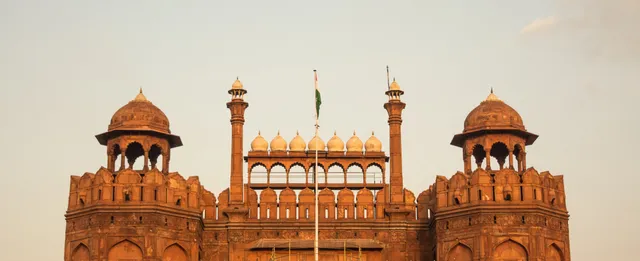
Red Fort
Netaji Subhash Marg, Lal Qila, Chandni Chowk, New Delhi, Delhi, 110006, India
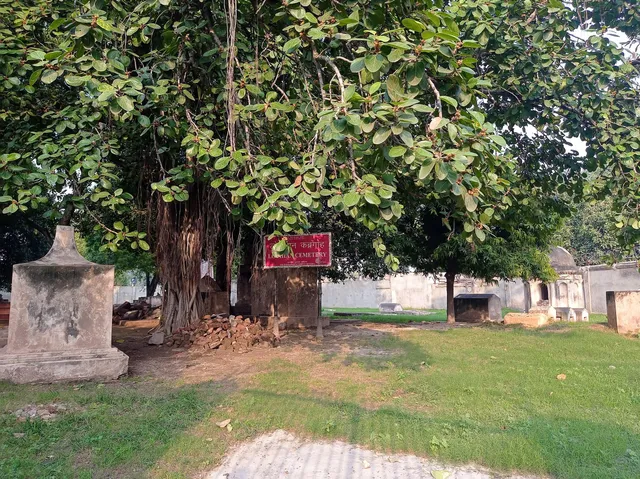
Lothian Cemetery
M66P+GF5, Netaji Subhash Marg, Priyadarshini Colony, Kashmere Gate, Delhi, 110006, India
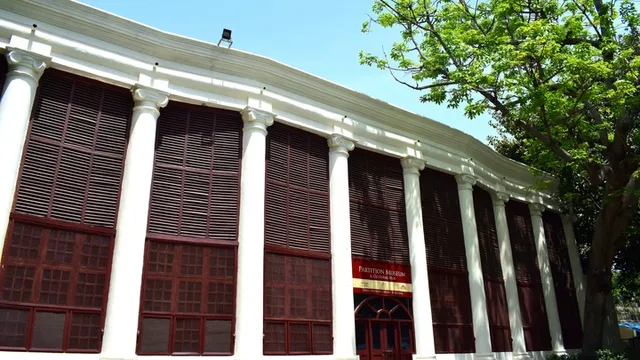
Partition Museum & Dara Shukoh Library Cultural Hub
Partition Museum, Ambedkar University, Dara Shukoh Library, Lothiyan Marg, Delhi, 110006, India
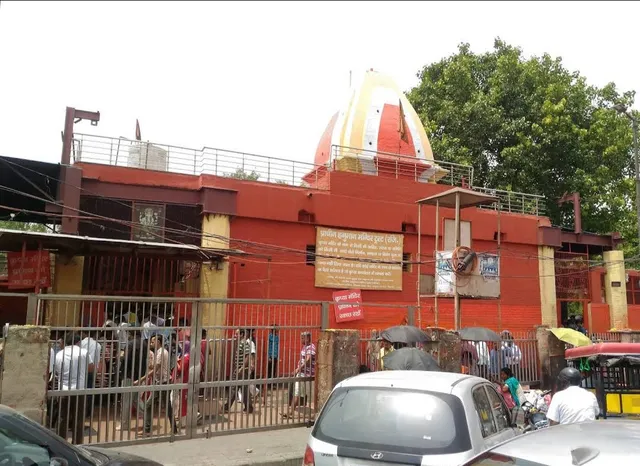
Shri Gauri Shankar Temple
M64P+97H, Manohar Market, Hauz Qazi, Chandni Chowk, New Delhi, Delhi, 110006, India
Shah Burj
M65V+CFQ, Mahatma Gandhi Rd, Lal Qila, Chandni Chowk, New Delhi, Delhi, 110006, India
Moti Masjid
M64V+P7J, Lal Qila, Old Delhi, New Delhi, Delhi, 110006, India
Indian War Memorial Museum
M64R+89X, Red Fort Campus, Old Delhi, New Delhi, Delhi 110006, India
Archaeological Museum Red Fort
M64R+79X, Lal Qila, Chandni Chowk Mumtaz Mahal Red Fort, New Delhi, Delhi 110006, India
Red fort
M64R+88G, Lal Qila, Old Delhi, Delhi, 110006, India
Nearby restaurants
Hanuman Kachori Bhandar
Shop No.1850, Yumna Bazar, Hanuman Mandir, Priyadarshini Colony, Old Delhi, New Delhi, Delhi, 110006, India
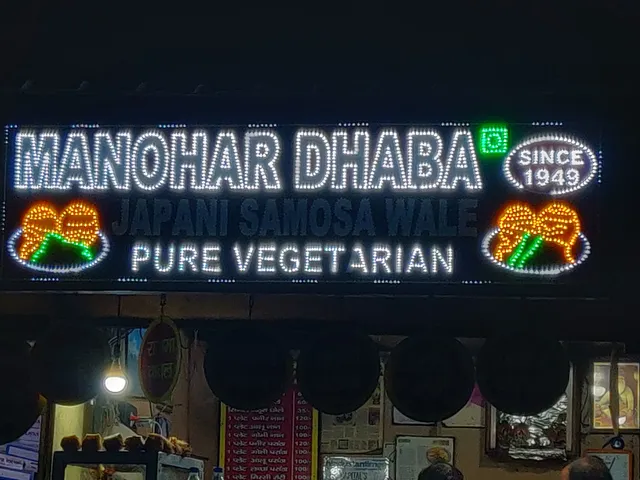
Manohar Dhaba
Shop 38, 240, Diwan Hall Rd, Lajpat Rai Market, Chandni Chowk, New Delhi, Delhi, 110006, India
Makhan Lal Tika Ram
1259, Bara Bazar Rd, Kashmere Gate, Delhi, 110006, India
Sam's Pizza
Kiosk-03, KGR-01, Metro station, Lothiyan Marg, inside Kashmere Gate, Old Delhi, Delhi, 110006, India
South Indian Fast Food
Shop No, 1273, Ram Lal Chandhok Marg, Bara Bazar, Kashmere Gate, New Delhi, Delhi, 110006, India
Parathe wale (SATVIR TEA STALL)
2288, HC Sen Marg, Sarai Baraf khana, Kodia pul, Chandni Chowk, Old Delhi, Delhi, 110006, India
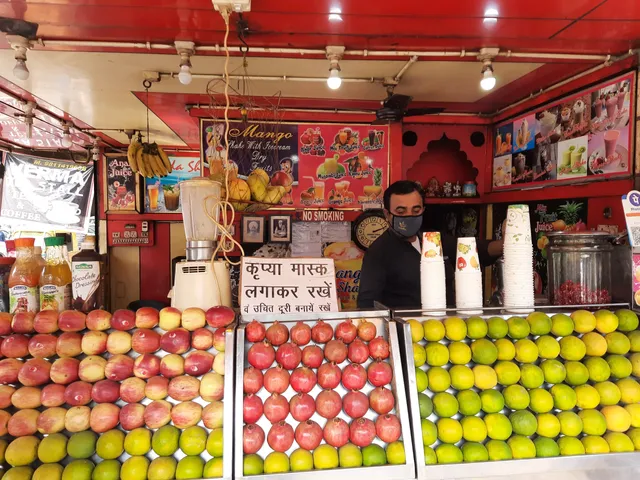
Grover Eating Point & Fruit Juice
1477, Diwan Hall Rd, near Moti Cinema, Bhagirath Palace, Chhippy Wada, Chandni Chowk, New Delhi, Delhi, 110006, India
Mirchi ram Restaurant
1481A, Chandni Chowk Rd, Chhippy Wada, Chandni Chowk, New Delhi, Delhi, 110006, India
Cafe Delhi Heights
Visitor Center, RR Barracks, Lal Qila, Red Fort, Delhi, 110006, India
Ram Kachori
Jamuna Bazar, Priyadarshini Colony, Kashmere Gate, Delhi, 110006, India
Nearby hotels
Homestay AC Dormitory
3rd Floor, 1546, Church Rd, near Ritz Cinema, above SBI Bank & Punjab, National Bank, Kashmere Gate, New Delhi, Delhi, 110006, India
Hotel Green Castle (Heritage Hotel overlooking two protected monuments)
1418 to 1427, Lothiyan Marg, Inter State Bus Terminal, Kashmere Gate, Delhi, 110006, India
Related posts
Keywords
Yamuna Ghat tourism.Yamuna Ghat hotels.Yamuna Ghat bed and breakfast. flights to Yamuna Ghat.Yamuna Ghat attractions.Yamuna Ghat restaurants.Yamuna Ghat travel.Yamuna Ghat travel guide.Yamuna Ghat travel blog.Yamuna Ghat pictures.Yamuna Ghat photos.Yamuna Ghat travel tips.Yamuna Ghat maps.Yamuna Ghat things to do.
Yamuna Ghat things to do, attractions, restaurants, events info and trip planning
Yamuna Ghat
IndiaDelhiYamuna Ghat

Basic Info

Yamuna Ghat

Kashmere Gate, New Delhi, Delhi, 110006, India
4.1(2.4K)
Open 24 hours
Save
spot

Ratings & Description

Info

Outdoor
Family friendly
attractions: Nili Chhatri Mandir, Red Fort, Lothian Cemetery, Partition Museum & Dara Shukoh Library Cultural Hub, Shri Gauri Shankar Temple, Shah Burj, Moti Masjid, Indian War Memorial Museum, Archaeological Museum Red Fort, Red fort, restaurants: Hanuman Kachori Bhandar, Manohar Dhaba, Makhan Lal Tika Ram, Sam's Pizza, South Indian Fast Food, Parathe wale (SATVIR TEA STALL), Grover Eating Point & Fruit Juice, Mirchi ram Restaurant, Cafe Delhi Heights, Ram Kachori
logoLearn more insights from Wanderboat AI.

Plan your stay

hotel
Pet-friendly Hotels in Delhi
Find a cozy hotel nearby and make it a full experience.

hotel
Affordable Hotels in Delhi
Find a cozy hotel nearby and make it a full experience.

hotel
The Coolest Hotels You Haven't Heard Of (Yet)
Find a cozy hotel nearby and make it a full experience.

hotel
Trending Stays Worth the Hype in Delhi
Find a cozy hotel nearby and make it a full experience.

Reviews

Nearby attractions of Yamuna Ghat

Nili Chhatri Mandir

Red Fort

Lothian Cemetery

Partition Museum & Dara Shukoh Library Cultural Hub

Shri Gauri Shankar Temple

Shah Burj

Moti Masjid

Indian War Memorial Museum

Archaeological Museum Red Fort

Red fort
Nili Chhatri Mandir

Nili Chhatri Mandir

4.6

(326)

Open 24 hours
Click for details
Red Fort

Red Fort

4.5

(54.6K)

Open 24 hours
Click for details
Lothian Cemetery

Lothian Cemetery

3.9

(32)

Open 24 hours
Click for details
Partition Museum & Dara Shukoh Library Cultural Hub

Partition Museum & Dara Shukoh Library Cultural Hub

4.6

(120)

Open 24 hours
Click for details

Things to do nearby

Titanic: A Voyage Through Time
Tue, Dec 9 • 12:00 PM
NH 8, Sector 15 Part 2, Sector 17, Gurugram, 122001
View details
Museum of Illusions New Delhi - Official Ticketing Partner
Mon, Dec 8 • 1:30 PM
A 30-33, 1st Floor A Block, Inner Circle Connaught Place (Near Rajiv Chowk Metro Station Exit Gate Number 8), 110001
View details
ISKATE by Roseate
ISKATE by Roseate
Mon, Dec 8 • 2:00 PM
6th Floor, Ambience Mall, NH-8, Gurugram, 122001
View details

Nearby restaurants of Yamuna Ghat

Hanuman Kachori Bhandar

Manohar Dhaba

Makhan Lal Tika Ram

Sam's Pizza

South Indian Fast Food

Parathe wale (SATVIR TEA STALL)

Grover Eating Point & Fruit Juice
Mirchi ram Restaurant

Cafe Delhi Heights

Ram Kachori

Hanuman Kachori Bhandar

Hanuman Kachori Bhandar

4.2

(35)

Click for details
Manohar Dhaba

Manohar Dhaba

3.6

(480)

Click for details
Makhan Lal Tika Ram

Makhan Lal Tika Ram

3.8

(181)

$

Click for details
Sam's Pizza

Sam's Pizza

4.6

(28)

Open until 10:00 PM
Click for details
Get the Appoverlay
Get the AppOne tap to find yournext favorite spots!
Wanderboat LogoWanderboat

Your everyday Al companion for getaway ideas

CompanyAbout Us
InformationAI Trip PlannerSitemap
SocialXInstagramTiktokLinkedin
LegalTerms of ServicePrivacy Policy

Get the app

© 2025 Wanderboat. All rights reserved.
logo

Reviews of Yamuna Ghat

4.1
(2,444)
avatar
5.0
16w

Yamuna Ghat in Delhi is one of the city’s serene riverside spots along the Yamuna River, a river deeply woven into India’s spirituality, history, and culture. Located near Old Delhi, it has long been a place of religious significance, cultural activities, and historic events, making it both a calm retreat and a living part of Delhi’s vibrant life.

Historical and Spiritual Significance The Yamuna River itself is considered one of the holiest rivers in Hinduism. According to mythology, Yamuna is the daughter of the sun god, Surya, and sister to Yama, the god of death. The river is also closely associated with the divine love stories of Lord Krishna and Radha, who are said to have spent blissful times on its banks. This spiritual connection makes the ghats (steps leading down to the river) a site for religious rituals, prayers, and ceremonies.

Yamuna Ghat comprises several sections, each with its own significance. The most famous near Delhi is Raj Ghat, the memorial of Mahatma Gandhi, where an eternal flame burns in honor of the father of the nation. Nearby is Nigambodh Ghat, one of the oldest ghats of Delhi, traditionally used for cremation ceremonies for Hindus, reinforcing the river’s role in life, death, and spiritual rebirth.

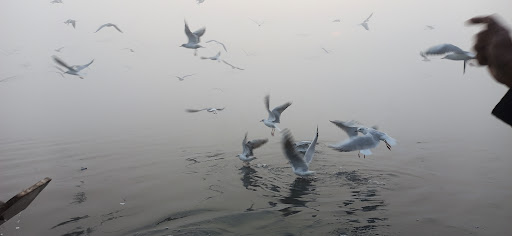
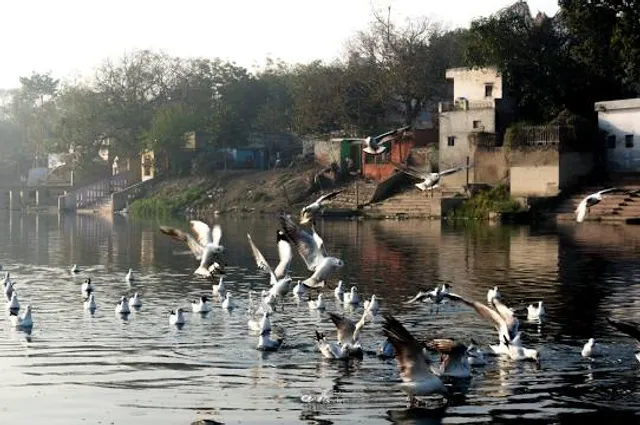
Cultural and Recreational Aspects Apart from religious ceremonies, Yamuna Ghat is a place where locals gather to experience the natural beauty and peaceful ambiance of the river. Early mornings at the ghat are magical, with mist hovering over the water as flocks of migratory birds like Siberian seagulls take flight, creating breathtaking scenes against the sunrise. Birdwatchers and photographers frequently visit to capture this tranquil spectacle.

The ghat is also the venue for numerous festivals and rituals, including the Yamuna Aarti (a ritual of light and prayers held at the river), Chhath Puja (a major Hindu festival dedicated to the sun god), and Ganesh Visarjan, where devotees immerse idols of Lord Ganesha in the river. These events highlight the vibrant cultural tapestry and the community’s deep reverence for the river.

Historical Context Yamuna Ghat stands in proximity to historic monuments like the Red Fort, Jama Masjid, Chandni Chowk, and Delhi Gate, reflecting the river’s persistent importance throughout Delhi’s history, from the Mughal era to British colonial times. The river and its ghats have witnessed the rise and fall of empires and have been integral to the city’s defense, water supply, and daily life.

Environmental Concerns and Conservation Efforts While Yamuna Ghat evokes images of spirituality and heritage, the river faces environmental challenges like pollution and encroachment. Efforts by government bodies and NGOs are ongoing to clean and restore the Yamuna’s water quality and its ghats’ surroundings to preserve the river’s sanctity and ecological health.

Visitor Experience Visitors to Yamuna Ghat can enjoy peaceful walks along the riverbank, boat rides offering calm views of the water and city skyline, and quiet moments of reflection away from the urban chaos. The area near Kashmere Gate is a favored spot for experiencing the river’s charm during sunrise or sunset. For those interested in Delhi’s culture, history, and nature, Yamuna Ghat offers a unique blend...

   Read more
avatar
2.0
1y

Ghats, a series of steps leading down to water are a quintessential sight across India, woven into the cultural and spiritual fabric of the nation. For millennia, these sacred sites have served as portals for devotees to immerse themselves in the purifying embrace of various water bodies, and to bid farewell to loved ones in their final journey. Yamuna Ghat, nestled along the banks of one of India’s most venerated rivers, the Yamuna, is one such place, bearing witness to the ebb and flow of time and tradition.

Situated near a cremation ground in the historic heart of Delhi, Yamuna Ghat retains its significance to this day. At the break of dawn, the ghat transforms into a sanctuary of avian splendor, as hundreds of seagulls descend in a majestic ballet to feed. The ethereal reflection of these birds upon the still, morning waters, intermingled with the hues of a burgeoning sunrise, crafts a tableau of breathtaking beauty. Across the ghat lies an untouched marshland, a verdant remnant of an ancient Delhi, shrouded in mist and echoing the whispers of a bygone era.

Yet, beneath this veneer of serene beauty, lies a stark and sorrowful truth. The Yamuna River, while hallowed and revered, is beset by a harrowing reality—it is among the most polluted rivers in the world. The outer beauty of this haven belies the unfathomable depths of sewage that lurk beneath its surface. The water, a dark, ominous black, exudes a pungent stench that pervades the air, casting a shadow over the otherwise picturesque scene.

Accessing the ghat is a straightforward endeavor, guided by its location on Google Maps and the helpful directions of local residents. To truly witness the avian spectacle, a visit at dawn is imperative. Here, boat drivers await, offering passage across the water for a modest fee of approximately 100 rupees. However, one must remain vigilant, as the gulls overhead may inadvertently shower visitors with the polluted water they traverse.

My visit to Yamuna Ghat, spurred by the captivating allure of Instagram reels, was a sobering experience. The romanticized portrayals on social media fell starkly short of the grim reality. It is profoundly disheartening that such a sacred and historically rich site suffers from the blight of neglect and pollution. The government’s inaction in addressing this environmental catastrophe stands as a somber testament to the challenges we face in preserving our natural and cultural heritage.

In conclusion, while Yamuna Ghat offers moments of undeniable beauty and a fleeting glimpse into the Delhi of yore, it also serves as a poignant reminder of the urgent need for environmental stewardship. The juxtaposition of splendor and sorrow here is a call to action—a plea for the restoration of the Yamuna River to its rightful,...

   Read more
avatar
4.0
2y

Nestled in Delhi-6 and situated not too far from the Kashmere Gate metro station is the famous and revered Yamuna Ghat. With multiple steps of stairs opening at the mouth of the holy Yamuna and around 10-15 boats waiting to ferry visitors and tourists; the place houses almost 200-300 people who live with their families. Visited by people for bathing, ritualistic, and recreational purposes, this Ghat shares its walls with the oldest cremation ground in Delhi—Nigambodh Ghat—which is visited by people to perform the last rites of their loved and known ones.THE OLDEST GHAT Ganesh Pandit, a 28-year-old boatman who was born and brought up on the Ghats, tells, “Nigam Bodh Ghat is famous for several decades. It is one of the oldest and significant Ghats and is symbolic of our age-old cultures, traditions, heritage, and history. People and visitors limit their gaze to this place being just a ‘cremation ground’ without even realizing that several families live in the same vicinity too.” Like many others, Ganesh’s family has been living on the Ghat for more than 60 years now and his father was the first one to come here. He shares, “My childhood was a fun-filled and a happy one, and I enjoyed a lot as a child. But as I grew up, tensions and worries of all sorts came along. Things like how to work and earn overpowered everything else, and after my father passed away, the responsibility to take care of my family and earn fell on my shoulders.”LIVELIHOOD The Ghat is surrounded by several mini temples, idols of deities, and small makeshift shops selling everything from tea and biscuits to flowers and sweets. A majority of those living on the Ghat earn their livelihood by rowing boats to-and-fro, helping tourists take a dip in the river, and facilitating the immersion of idols, flowers, and ashes. Ganesh, who has a massive fan following on Instagram and receives several calls a day for booking of shoots, adds, “My main source of employment here is through the boats I own. In addition to it, I also facilitate work related to worshipping and religious activities and help arrange priests whenever people want to offer prayers or conduct any rituals.” With the incoming of the migratory birds during every Autumn-Winter, more employment opportunities have been created for the tea sellers, bread makers, boat rowers, and even those who make and sell the special ‘namkeen’ to feed...

   Read more
Page 1 of 7
Previous
Next

Posts

Your browser does not support the video tag.
cpcollectivescpcollectives
A morning in INDIA with @kestyoga 🇮🇳 This moment on Yamuna Ghat felt so surreal✨ Comment weather you plan to go to India 🇮🇳 👇 Video by @nathanmcbride Curated by @rupertporpora . . . . . #earth #india #dji #traveltheworld #visitindia
Anilkumar KarimbanakkalAnilkumar Karimbanakkal
Ghats, a series of steps leading down to water are a quintessential sight across India, woven into the cultural and spiritual fabric of the nation. For millennia, these sacred sites have served as portals for devotees to immerse themselves in the purifying embrace of various water bodies, and to bid farewell to loved ones in their final journey. Yamuna Ghat, nestled along the banks of one of India’s most venerated rivers, the Yamuna, is one such place, bearing witness to the ebb and flow of time and tradition. Situated near a cremation ground in the historic heart of Delhi, Yamuna Ghat retains its significance to this day. At the break of dawn, the ghat transforms into a sanctuary of avian splendor, as hundreds of seagulls descend in a majestic ballet to feed. The ethereal reflection of these birds upon the still, morning waters, intermingled with the hues of a burgeoning sunrise, crafts a tableau of breathtaking beauty. Across the ghat lies an untouched marshland, a verdant remnant of an ancient Delhi, shrouded in mist and echoing the whispers of a bygone era. Yet, beneath this veneer of serene beauty, lies a stark and sorrowful truth. The Yamuna River, while hallowed and revered, is beset by a harrowing reality—it is among the most polluted rivers in the world. The outer beauty of this haven belies the unfathomable depths of sewage that lurk beneath its surface. The water, a dark, ominous black, exudes a pungent stench that pervades the air, casting a shadow over the otherwise picturesque scene. Accessing the ghat is a straightforward endeavor, guided by its location on Google Maps and the helpful directions of local residents. To truly witness the avian spectacle, a visit at dawn is imperative. Here, boat drivers await, offering passage across the water for a modest fee of approximately 100 rupees. However, one must remain vigilant, as the gulls overhead may inadvertently shower visitors with the polluted water they traverse. My visit to Yamuna Ghat, spurred by the captivating allure of Instagram reels, was a sobering experience. The romanticized portrayals on social media fell starkly short of the grim reality. It is profoundly disheartening that such a sacred and historically rich site suffers from the blight of neglect and pollution. The government’s inaction in addressing this environmental catastrophe stands as a somber testament to the challenges we face in preserving our natural and cultural heritage. In conclusion, while Yamuna Ghat offers moments of undeniable beauty and a fleeting glimpse into the Delhi of yore, it also serves as a poignant reminder of the urgent need for environmental stewardship. The juxtaposition of splendor and sorrow here is a call to action—a plea for the restoration of the Yamuna River to its rightful, pristine glory.
Ashish KhaAshish Kha
Nestled in Delhi-6 and situated not too far from the Kashmere Gate metro station is the famous and revered Yamuna Ghat. With multiple steps of stairs opening at the mouth of the holy Yamuna and around 10-15 boats waiting to ferry visitors and tourists; the place houses almost 200-300 people who live with their families. Visited by people for bathing, ritualistic, and recreational purposes, this Ghat shares its walls with the oldest cremation ground in Delhi—Nigambodh Ghat—which is visited by people to perform the last rites of their loved and known ones.THE OLDEST GHAT Ganesh Pandit, a 28-year-old boatman who was born and brought up on the Ghats, tells, “Nigam Bodh Ghat is famous for several decades. It is one of the oldest and significant Ghats and is symbolic of our age-old cultures, traditions, heritage, and history. People and visitors limit their gaze to this place being just a ‘cremation ground’ without even realizing that several families live in the same vicinity too.” Like many others, Ganesh’s family has been living on the Ghat for more than 60 years now and his father was the first one to come here. He shares, “My childhood was a fun-filled and a happy one, and I enjoyed a lot as a child. But as I grew up, tensions and worries of all sorts came along. Things like how to work and earn overpowered everything else, and after my father passed away, the responsibility to take care of my family and earn fell on my shoulders.”LIVELIHOOD The Ghat is surrounded by several mini temples, idols of deities, and small makeshift shops selling everything from tea and biscuits to flowers and sweets. A majority of those living on the Ghat earn their livelihood by rowing boats to-and-fro, helping tourists take a dip in the river, and facilitating the immersion of idols, flowers, and ashes. Ganesh, who has a massive fan following on Instagram and receives several calls a day for booking of shoots, adds, “My main source of employment here is through the boats I own. In addition to it, I also facilitate work related to worshipping and religious activities and help arrange priests whenever people want to offer prayers or conduct any rituals.” With the incoming of the migratory birds during every Autumn-Winter, more employment opportunities have been created for the tea sellers, bread makers, boat rowers, and even those who make and sell the special ‘namkeen’ to feed these birds.
See more posts
See more posts
hotel
Find your stay

Pet-friendly Hotels in Delhi

Find a cozy hotel nearby and make it a full experience.

A morning in INDIA with @kestyoga 🇮🇳 This moment on Yamuna Ghat felt so surreal✨ Comment weather you plan to go to India 🇮🇳 👇 Video by @nathanmcbride Curated by @rupertporpora . . . . . #earth #india #dji #traveltheworld #visitindia
cpcollectives

cpcollectives

hotel
Find your stay

Affordable Hotels in Delhi

Find a cozy hotel nearby and make it a full experience.

Get the Appoverlay
Get the AppOne tap to find yournext favorite spots!
Ghats, a series of steps leading down to water are a quintessential sight across India, woven into the cultural and spiritual fabric of the nation. For millennia, these sacred sites have served as portals for devotees to immerse themselves in the purifying embrace of various water bodies, and to bid farewell to loved ones in their final journey. Yamuna Ghat, nestled along the banks of one of India’s most venerated rivers, the Yamuna, is one such place, bearing witness to the ebb and flow of time and tradition. Situated near a cremation ground in the historic heart of Delhi, Yamuna Ghat retains its significance to this day. At the break of dawn, the ghat transforms into a sanctuary of avian splendor, as hundreds of seagulls descend in a majestic ballet to feed. The ethereal reflection of these birds upon the still, morning waters, intermingled with the hues of a burgeoning sunrise, crafts a tableau of breathtaking beauty. Across the ghat lies an untouched marshland, a verdant remnant of an ancient Delhi, shrouded in mist and echoing the whispers of a bygone era. Yet, beneath this veneer of serene beauty, lies a stark and sorrowful truth. The Yamuna River, while hallowed and revered, is beset by a harrowing reality—it is among the most polluted rivers in the world. The outer beauty of this haven belies the unfathomable depths of sewage that lurk beneath its surface. The water, a dark, ominous black, exudes a pungent stench that pervades the air, casting a shadow over the otherwise picturesque scene. Accessing the ghat is a straightforward endeavor, guided by its location on Google Maps and the helpful directions of local residents. To truly witness the avian spectacle, a visit at dawn is imperative. Here, boat drivers await, offering passage across the water for a modest fee of approximately 100 rupees. However, one must remain vigilant, as the gulls overhead may inadvertently shower visitors with the polluted water they traverse. My visit to Yamuna Ghat, spurred by the captivating allure of Instagram reels, was a sobering experience. The romanticized portrayals on social media fell starkly short of the grim reality. It is profoundly disheartening that such a sacred and historically rich site suffers from the blight of neglect and pollution. The government’s inaction in addressing this environmental catastrophe stands as a somber testament to the challenges we face in preserving our natural and cultural heritage. In conclusion, while Yamuna Ghat offers moments of undeniable beauty and a fleeting glimpse into the Delhi of yore, it also serves as a poignant reminder of the urgent need for environmental stewardship. The juxtaposition of splendor and sorrow here is a call to action—a plea for the restoration of the Yamuna River to its rightful, pristine glory.
Anilkumar Karimbanakkal

Anilkumar Karimbanakkal

hotel
Find your stay

The Coolest Hotels You Haven't Heard Of (Yet)

Find a cozy hotel nearby and make it a full experience.

hotel
Find your stay

Trending Stays Worth the Hype in Delhi

Find a cozy hotel nearby and make it a full experience.

Nestled in Delhi-6 and situated not too far from the Kashmere Gate metro station is the famous and revered Yamuna Ghat. With multiple steps of stairs opening at the mouth of the holy Yamuna and around 10-15 boats waiting to ferry visitors and tourists; the place houses almost 200-300 people who live with their families. Visited by people for bathing, ritualistic, and recreational purposes, this Ghat shares its walls with the oldest cremation ground in Delhi—Nigambodh Ghat—which is visited by people to perform the last rites of their loved and known ones.THE OLDEST GHAT Ganesh Pandit, a 28-year-old boatman who was born and brought up on the Ghats, tells, “Nigam Bodh Ghat is famous for several decades. It is one of the oldest and significant Ghats and is symbolic of our age-old cultures, traditions, heritage, and history. People and visitors limit their gaze to this place being just a ‘cremation ground’ without even realizing that several families live in the same vicinity too.” Like many others, Ganesh’s family has been living on the Ghat for more than 60 years now and his father was the first one to come here. He shares, “My childhood was a fun-filled and a happy one, and I enjoyed a lot as a child. But as I grew up, tensions and worries of all sorts came along. Things like how to work and earn overpowered everything else, and after my father passed away, the responsibility to take care of my family and earn fell on my shoulders.”LIVELIHOOD The Ghat is surrounded by several mini temples, idols of deities, and small makeshift shops selling everything from tea and biscuits to flowers and sweets. A majority of those living on the Ghat earn their livelihood by rowing boats to-and-fro, helping tourists take a dip in the river, and facilitating the immersion of idols, flowers, and ashes. Ganesh, who has a massive fan following on Instagram and receives several calls a day for booking of shoots, adds, “My main source of employment here is through the boats I own. In addition to it, I also facilitate work related to worshipping and religious activities and help arrange priests whenever people want to offer prayers or conduct any rituals.” With the incoming of the migratory birds during every Autumn-Winter, more employment opportunities have been created for the tea sellers, bread makers, boat rowers, and even those who make and sell the special ‘namkeen’ to feed these birds.
Ashish Kha

Ashish Kha

See more posts
See more posts