HTML SitemapExplore
logo
Find Things to DoFind The Best Restaurants

Partition Museum & Dara Shukoh Library Cultural Hub — Attraction in Delhi

Name
Partition Museum & Dara Shukoh Library Cultural Hub
Description
Nearby attractions
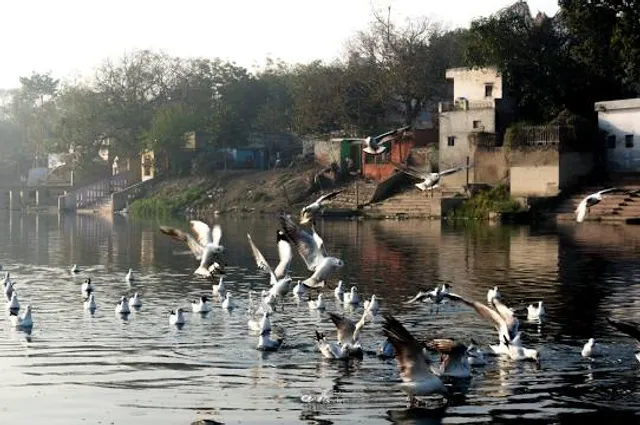
Yamuna Ghat
Kashmere Gate, New Delhi, Delhi, 110006, India
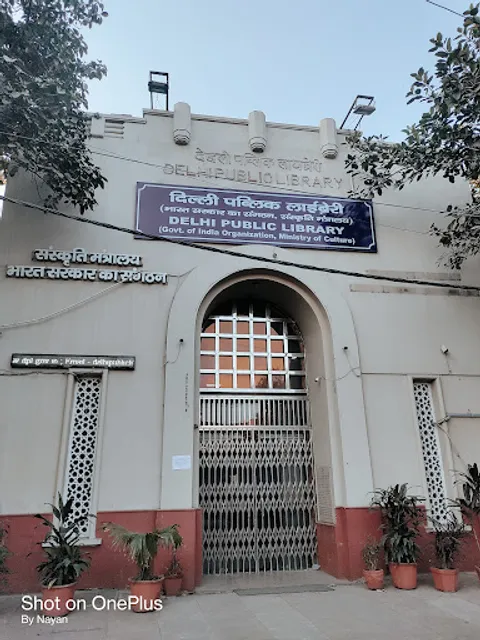
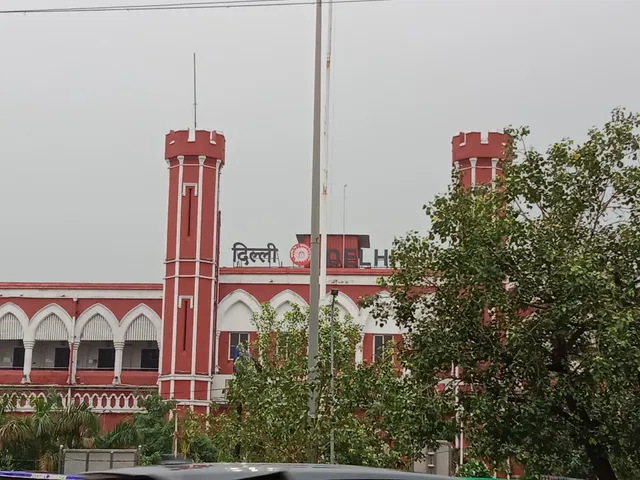
Delhi Public Library
Railway Station, Shyama Prasad Mukherjee Marg, opp. Old Delhi, Kaccha Bagh Area, Old Delhi, New Delhi, Delhi, 110006, India
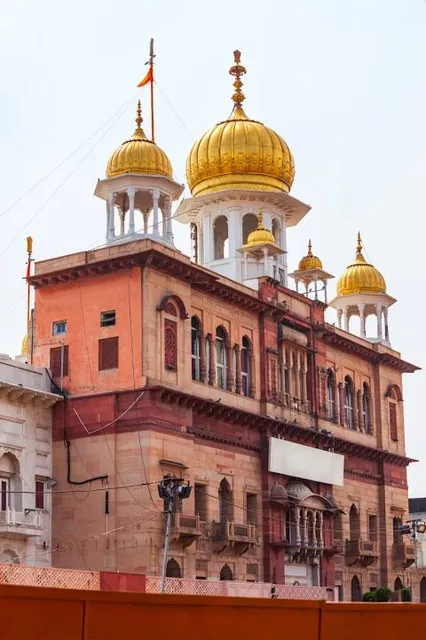
Gurudwara Sis Ganj Sahib
M64M+92V, Chandni Chowk Rd, Maliwara, Chatta Pratap, Chandni Chowk, New Delhi, Delhi, 110006, India
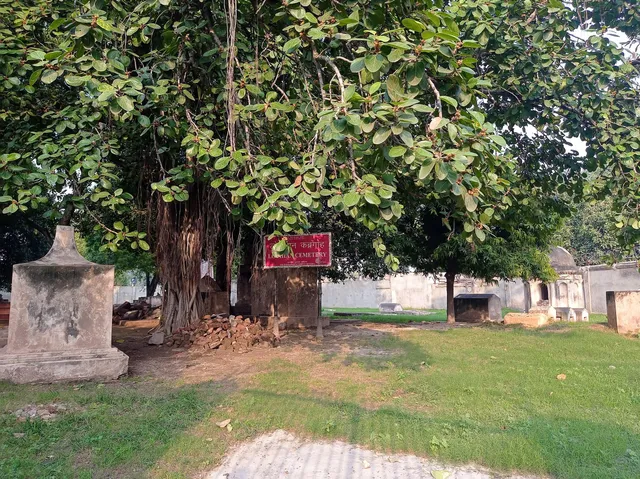
Lothian Cemetery
M66P+GF5, Netaji Subhash Marg, Priyadarshini Colony, Kashmere Gate, Delhi, 110006, India
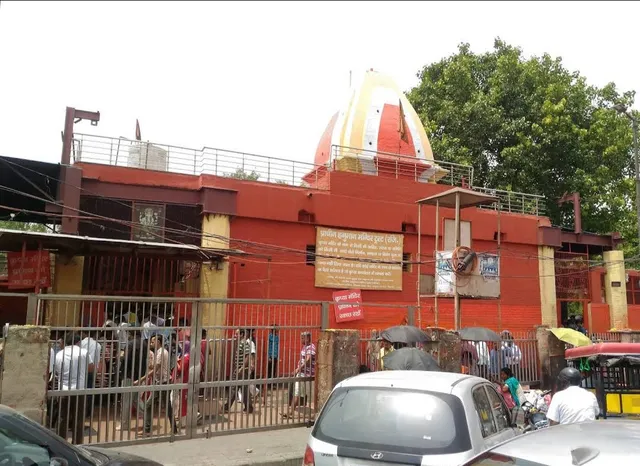
Shri Gauri Shankar Temple
M64P+97H, Manohar Market, Hauz Qazi, Chandni Chowk, New Delhi, Delhi, 110006, India
Maharaja Agrasen Park
No.2, Near, Metro Station Rd, Inter State Bus Terminal, Kashmere Gate, New Delhi, Delhi, 110006, India
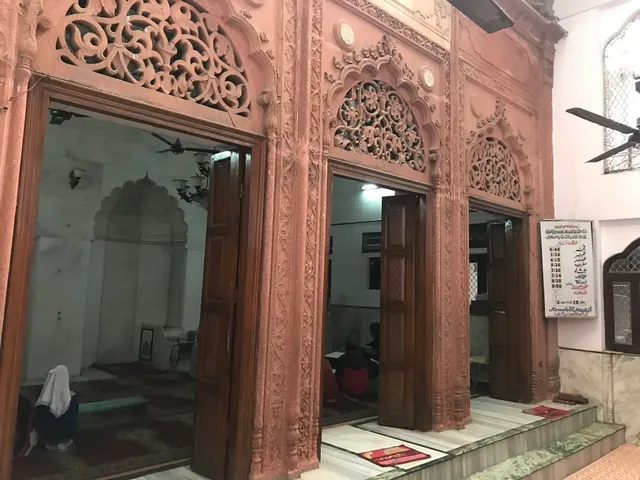
Sunehri Masjid Chandni Chowk
1841, Main, Chandni Chowk Rd, Chandni Chowk, New Delhi, Delhi, 110006, India
Nili Chhatri Mandir
Nigambodh Ghat, Chandni Chowk, New Delhi, Delhi, 110006, India
Qudsia Bagh
M6CH+98V, Prema Kunj, Railway Colony, Civil Lines, Delhi, 110054, India
ISKCON Temple Chandni Chowk
MCD parking, 4-5, Bagh Deewar, Kinari Bazaar, Chandni Chowk, Delhi, 110006, India
Nearby restaurants
Makhan Lal Tika Ram
1259, Bara Bazar Rd, Kashmere Gate, Delhi, 110006, India
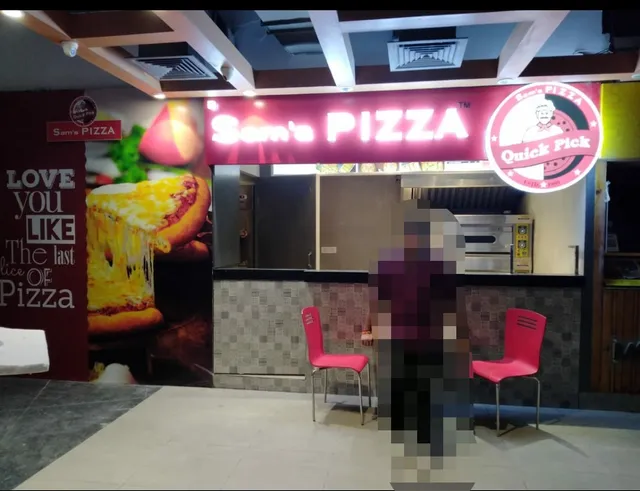
Sam's Pizza
Kiosk-03, KGR-01, Metro station, Lothiyan Marg, inside Kashmere Gate, Old Delhi, Delhi, 110006, India
South Indian Fast Food
Shop No, 1273, Ram Lal Chandhok Marg, Bara Bazar, Kashmere Gate, New Delhi, Delhi, 110006, India
SAMBARPOT
Omaxe chowk, FC 33, HC Sen Marg, Chhippy Wada, Old Delhi, New Delhi, Delhi, 110006, India
Haldiram's - Chandni Chowk
No 1454/2, Chandni Chowk Rd, near Gurdwara SIS Ganj Sahib, Kucha Mahajani, Chandni Chowk, New Delhi, Delhi, 110006, India
McDonald’s
Metro Station, Lothian Road, Inter State Bus Terminal, Kashmere Gate, New Delhi, Delhi, 110006, India
Parathe wale (SATVIR TEA STALL)
2288, HC Sen Marg, Sarai Baraf khana, Kodia pul, Chandni Chowk, Old Delhi, Delhi, 110006, India
Hanuman Kachori Bhandar
Shop No.1850, Yumna Bazar, Hanuman Mandir, Priyadarshini Colony, Old Delhi, New Delhi, Delhi, 110006, India
Natraj Dahi Bhalla
1396, Main Road, beside Central Bank, Kucha Mahajani, Chandni Chowk, New Delhi, Delhi 110006, India
Ghoomar Traditional Thali Restaurants - Omaxe Chowk, Chandni Chowk
2nd Floor, Dawatpur, Ghoomar Thali, Omaxe Chowk, Gandhi Maidan, Kaccha Bagh Area, Chandni Chowk, Delhi, 110006, India
Related posts
Keywords
Partition Museum & Dara Shukoh Library Cultural Hub tourism.Partition Museum & Dara Shukoh Library Cultural Hub hotels.Partition Museum & Dara Shukoh Library Cultural Hub bed and breakfast. flights to Partition Museum & Dara Shukoh Library Cultural Hub.Partition Museum & Dara Shukoh Library Cultural Hub attractions.Partition Museum & Dara Shukoh Library Cultural Hub restaurants.Partition Museum & Dara Shukoh Library Cultural Hub travel.Partition Museum & Dara Shukoh Library Cultural Hub travel guide.Partition Museum & Dara Shukoh Library Cultural Hub travel blog.Partition Museum & Dara Shukoh Library Cultural Hub pictures.Partition Museum & Dara Shukoh Library Cultural Hub photos.Partition Museum & Dara Shukoh Library Cultural Hub travel tips.Partition Museum & Dara Shukoh Library Cultural Hub maps.Partition Museum & Dara Shukoh Library Cultural Hub things to do.
Partition Museum & Dara Shukoh Library Cultural Hub things to do, attractions, restaurants, events info and trip planning
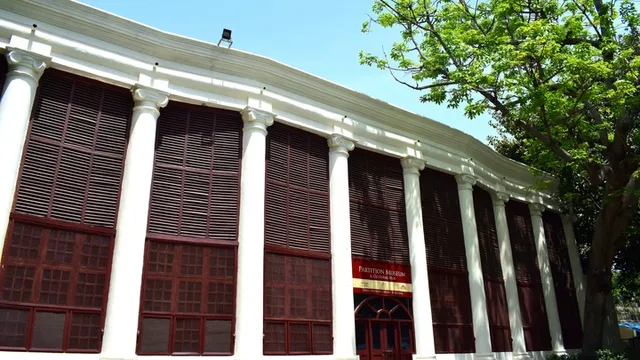
Partition Museum & Dara Shukoh Library Cultural Hub
IndiaDelhiPartition Museum & Dara Shukoh Library Cultural Hub

Basic Info

Partition Museum & Dara Shukoh Library Cultural Hub

Partition Museum, Ambedkar University, Dara Shukoh Library, Lothiyan Marg, Delhi, 110006, India
4.6(120)
Open 24 hours
Save
spot

Ratings & Description

Info

Cultural
Family friendly
Accessibility
attractions: Yamuna Ghat, Delhi Public Library, Gurudwara Sis Ganj Sahib, Lothian Cemetery, Shri Gauri Shankar Temple, Maharaja Agrasen Park, Sunehri Masjid Chandni Chowk, Nili Chhatri Mandir, Qudsia Bagh, ISKCON Temple Chandni Chowk, restaurants: Makhan Lal Tika Ram, Sam's Pizza, South Indian Fast Food, SAMBARPOT, Haldiram's - Chandni Chowk, McDonald’s, Parathe wale (SATVIR TEA STALL), Hanuman Kachori Bhandar, Natraj Dahi Bhalla, Ghoomar Traditional Thali Restaurants - Omaxe Chowk, Chandni Chowk
logoLearn more insights from Wanderboat AI.
Phone
+91 11 4610 8441
Website
partitionmuseum.org

Plan your stay

hotel
Pet-friendly Hotels in Delhi
Find a cozy hotel nearby and make it a full experience.

hotel
Affordable Hotels in Delhi
Find a cozy hotel nearby and make it a full experience.

hotel
The Coolest Hotels You Haven't Heard Of (Yet)
Find a cozy hotel nearby and make it a full experience.

hotel
Trending Stays Worth the Hype in Delhi
Find a cozy hotel nearby and make it a full experience.

Reviews

Nearby attractions of Partition Museum & Dara Shukoh Library Cultural Hub

Yamuna Ghat

Delhi Public Library

Gurudwara Sis Ganj Sahib

Lothian Cemetery

Shri Gauri Shankar Temple

Maharaja Agrasen Park

Sunehri Masjid Chandni Chowk

Nili Chhatri Mandir

Qudsia Bagh

ISKCON Temple Chandni Chowk

Yamuna Ghat

Yamuna Ghat

4.1

(2.4K)

Open 24 hours
Click for details
Delhi Public Library

Delhi Public Library

4.3

(340)

Open 24 hours
Click for details
Gurudwara Sis Ganj Sahib

Gurudwara Sis Ganj Sahib

4.8

(26.5K)

Open until 12:00 AM
Click for details
Lothian Cemetery

Lothian Cemetery

3.9

(32)

Open 24 hours
Click for details

Things to do nearby

Old Delhi Food-Temples-Spice Market & Rickshaw
Thu, Dec 4 • 2:45 PM
New Delhi, Delhi, 110006, India
View details
Craft home-style cuisine in Delhi
Fri, Dec 5 • 11:00 AM
New Delhi, Delhi, 110024, India
View details
Titanic: A Voyage Through Time
Fri, Dec 5 • 12:00 PM
NH 8, Sector 15 Part 2, Sector 17, Gurugram, 122001
View details

Nearby restaurants of Partition Museum & Dara Shukoh Library Cultural Hub

Makhan Lal Tika Ram

Sam's Pizza

South Indian Fast Food

SAMBARPOT

Haldiram's - Chandni Chowk

McDonald’s

Parathe wale (SATVIR TEA STALL)

Hanuman Kachori Bhandar

Natraj Dahi Bhalla

Ghoomar Traditional Thali Restaurants - Omaxe Chowk, Chandni Chowk

Makhan Lal Tika Ram

Makhan Lal Tika Ram

3.8

(181)

$

Click for details
Sam's Pizza

Sam's Pizza

4.6

(28)

Open until 10:00 PM
Click for details
South Indian Fast Food

South Indian Fast Food

3.7

(76)

Click for details
SAMBARPOT

SAMBARPOT

4.9

(866)

$

Click for details
Get the Appoverlay
Get the AppOne tap to find yournext favorite spots!
Wanderboat LogoWanderboat

Your everyday Al companion for getaway ideas

CompanyAbout Us
InformationAI Trip PlannerSitemap
SocialXInstagramTiktokLinkedin
LegalTerms of ServicePrivacy Policy

Get the app

© 2025 Wanderboat. All rights reserved.
logo

Posts

Vikas SinghVikas Singh
Entry to the museum is free. It is one of the two museums in country that documents the reality and trauma of partition. The museum is quite well spread out and you will need at least three hours to fully see the museum. There is ample parking space and clean washrooms. This Partition Museum has a special focus on Delhi, and the impact that the events of 1947 had on the city and the refugee population it accommodated. It is both a memorial as well as a museum dedicated to those millions of men, women and children who lost their homes, and often their lives, overnight. While setting it up there was a fresh impetus to collate memories and personal experiences of Partition that were in danger of being lost as the eye-witnesses and survivors are now in the evening of their lives. Most have been lost to us forever, as it is now 75 years since the Partition. In the Partition Museum, we also honour the resilience of those who lived through it. The museum is divided into seven galleries. The journey begins in the 1900s with the rising resistance to the British Raj. Key moments in the period 1900-1946 are highlighted and there are descriptions of the chaos of early 1947 when riots engulfed much of India. Partition was declared, and the borders were drawn in an ad-hoc manner within a mere 5 weeks, dividing Bengal and Punjab in two. These divisive decisions led to people's lives being torn apart. They fled their homes without food or shelter, arriving at refugee camps across the two nations Partition changed the demographics of Delhi forever. A Ministry of Relief and Rehabilitation was set up on 6 September 1947. The Central Provisional government improvised and constructed scores of tents in any available open space. Schools and other public buildings provided temporary shelter. In Delhi, all large monuments and their grounds, such as Humayun's Tomb, Safdarjung's Tomb, Purana Qila and Tis Hazari, served as refugee camps. Facing unending violence, many refugees were forced to separate from their beloved homes, families, and friends to migrate over long distances to unknown lands. For most refugees the years following the Partition were brutally hard as they struggled to survive and rebuild their lives. The government provided some relief by building new townships and setting up vocational training centres for employment for the refugees. But nothing was ever enough to compensate for what the refugees had lost. As people settled down, they reconstructed their lives from scratch and began connecting with the different social and cultural aspects that make life meaningful. Eventually, a few of those who were able to visit their childhood homes would recount each detail of that joumey as though it were indelibly etched in their memory. After all, memory remains the only paradise for refugees through which they can revisit their past lives and beloved homes, hastily left amidst the sudden anarchy of Partition. This is a people-focused museum that uses oral histories, objects and photographs to tell the story of these helpless millions. The transformation of Delhi by the Partition is at the heart of this narrative.
Madhulika LiddleMadhulika Liddle
One of Delhi’s newest museums, the Partition Museum is housed in what used to be the library of the 17th century Mughal prince Dara Shukoh. After Dara’s death (at the hands of his brother Aurangzeb), the library went through turbulent times, eventually becoming, for some time, the home of the British Resident in Delhi. The form of the building as it now stands, with high ceilings, shuttered windows, tall columns along the façade, etc, dates back to its time as the Residency. Entry to the museum costs Rs 50 per adult Indian, and no photography is allowed inside the building. The museum is divided into two separate galleries: the Partition gallery, and the Sindh gallery. You’re advised to begin with the Sindh gallery (since the exit leads out into the garden from the Partition gallery). The Sindh gallery explains, through text, photographs, artefacts and more, the culture of the Sindhis, and how they were affected by the Partition, since Sindh, with fairly large numbers of both Hindus and Muslims, was handed over to Pakistan and not divided. The Partition gallery is larger than the Sindh gallery, and has similar text, photos, letters, audio and video recordings of people talking about the Partition, installation art commemorating the Partition, and much more. There are various objects that came through the Partition; there’s a replica of a train compartment with belongings strewn about that were actually carried by migrants; there’s also a screened-off section with a warning of graphic violence (I have to admit I didn’t go in here). Very interesting, informative, and poignant reminder of the Partition, especially of its impact on Delhi. The museum has a souvenir shop and a café etc are planned.
Anshul SainiAnshul Saini
Recently restored this old library was once the royal residence of Dara Shikuh, eldest son of Emperor Shah Jahan. It changed a few hands after his death from Aurangzeb's son later believed to be handed over to some Portuguese Governess, Donna Juliana, then again bought by Nawab Safdarjung in the 18th century. After that for almost half a century it lay ignored inhabited when finally it was converted into a British residence by then British Resident of Delhi, David Ochterlony. Most of the structure you see now remains unchanged from the early 19th century during his residence except a reminiscent of Mughal arch structure still remains. This is now the second Partition Museum after the one in Amritsar telling us many tales of partition that took place immediately after the independence in 1947. Location: Within the Ambedkar University complex you can simply reach there with the nearest metro station being Kashmere Gate, from there it's an easy 10 min walk or you can take a rickshaw. It is advised to get a token number from their website as the guard won't let you in unless you have one. Parking: There is a little parking space available inside the university but it is advised to take the public transport or a cab instead. There's no air conditioning inside the building which it could really use as the portable cooling system really doesn't work all that well.
See more posts
See more posts
hotel
Find your stay

Pet-friendly Hotels in Delhi

Find a cozy hotel nearby and make it a full experience.

Entry to the museum is free. It is one of the two museums in country that documents the reality and trauma of partition. The museum is quite well spread out and you will need at least three hours to fully see the museum. There is ample parking space and clean washrooms. This Partition Museum has a special focus on Delhi, and the impact that the events of 1947 had on the city and the refugee population it accommodated. It is both a memorial as well as a museum dedicated to those millions of men, women and children who lost their homes, and often their lives, overnight. While setting it up there was a fresh impetus to collate memories and personal experiences of Partition that were in danger of being lost as the eye-witnesses and survivors are now in the evening of their lives. Most have been lost to us forever, as it is now 75 years since the Partition. In the Partition Museum, we also honour the resilience of those who lived through it. The museum is divided into seven galleries. The journey begins in the 1900s with the rising resistance to the British Raj. Key moments in the period 1900-1946 are highlighted and there are descriptions of the chaos of early 1947 when riots engulfed much of India. Partition was declared, and the borders were drawn in an ad-hoc manner within a mere 5 weeks, dividing Bengal and Punjab in two. These divisive decisions led to people's lives being torn apart. They fled their homes without food or shelter, arriving at refugee camps across the two nations Partition changed the demographics of Delhi forever. A Ministry of Relief and Rehabilitation was set up on 6 September 1947. The Central Provisional government improvised and constructed scores of tents in any available open space. Schools and other public buildings provided temporary shelter. In Delhi, all large monuments and their grounds, such as Humayun's Tomb, Safdarjung's Tomb, Purana Qila and Tis Hazari, served as refugee camps. Facing unending violence, many refugees were forced to separate from their beloved homes, families, and friends to migrate over long distances to unknown lands. For most refugees the years following the Partition were brutally hard as they struggled to survive and rebuild their lives. The government provided some relief by building new townships and setting up vocational training centres for employment for the refugees. But nothing was ever enough to compensate for what the refugees had lost. As people settled down, they reconstructed their lives from scratch and began connecting with the different social and cultural aspects that make life meaningful. Eventually, a few of those who were able to visit their childhood homes would recount each detail of that joumey as though it were indelibly etched in their memory. After all, memory remains the only paradise for refugees through which they can revisit their past lives and beloved homes, hastily left amidst the sudden anarchy of Partition. This is a people-focused museum that uses oral histories, objects and photographs to tell the story of these helpless millions. The transformation of Delhi by the Partition is at the heart of this narrative.
Vikas Singh

Vikas Singh

hotel
Find your stay

Affordable Hotels in Delhi

Find a cozy hotel nearby and make it a full experience.

Get the Appoverlay
Get the AppOne tap to find yournext favorite spots!
One of Delhi’s newest museums, the Partition Museum is housed in what used to be the library of the 17th century Mughal prince Dara Shukoh. After Dara’s death (at the hands of his brother Aurangzeb), the library went through turbulent times, eventually becoming, for some time, the home of the British Resident in Delhi. The form of the building as it now stands, with high ceilings, shuttered windows, tall columns along the façade, etc, dates back to its time as the Residency. Entry to the museum costs Rs 50 per adult Indian, and no photography is allowed inside the building. The museum is divided into two separate galleries: the Partition gallery, and the Sindh gallery. You’re advised to begin with the Sindh gallery (since the exit leads out into the garden from the Partition gallery). The Sindh gallery explains, through text, photographs, artefacts and more, the culture of the Sindhis, and how they were affected by the Partition, since Sindh, with fairly large numbers of both Hindus and Muslims, was handed over to Pakistan and not divided. The Partition gallery is larger than the Sindh gallery, and has similar text, photos, letters, audio and video recordings of people talking about the Partition, installation art commemorating the Partition, and much more. There are various objects that came through the Partition; there’s a replica of a train compartment with belongings strewn about that were actually carried by migrants; there’s also a screened-off section with a warning of graphic violence (I have to admit I didn’t go in here). Very interesting, informative, and poignant reminder of the Partition, especially of its impact on Delhi. The museum has a souvenir shop and a café etc are planned.
Madhulika Liddle

Madhulika Liddle

hotel
Find your stay

The Coolest Hotels You Haven't Heard Of (Yet)

Find a cozy hotel nearby and make it a full experience.

hotel
Find your stay

Trending Stays Worth the Hype in Delhi

Find a cozy hotel nearby and make it a full experience.

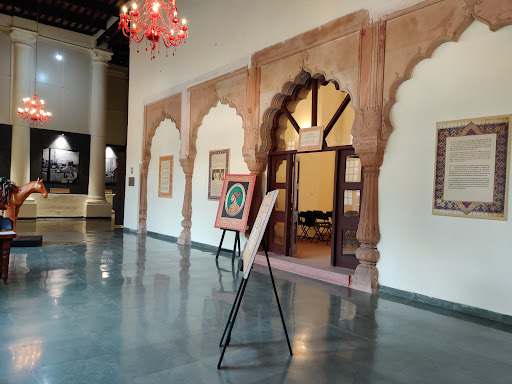
Recently restored this old library was once the royal residence of Dara Shikuh, eldest son of Emperor Shah Jahan. It changed a few hands after his death from Aurangzeb's son later believed to be handed over to some Portuguese Governess, Donna Juliana, then again bought by Nawab Safdarjung in the 18th century. After that for almost half a century it lay ignored inhabited when finally it was converted into a British residence by then British Resident of Delhi, David Ochterlony. Most of the structure you see now remains unchanged from the early 19th century during his residence except a reminiscent of Mughal arch structure still remains. This is now the second Partition Museum after the one in Amritsar telling us many tales of partition that took place immediately after the independence in 1947. Location: Within the Ambedkar University complex you can simply reach there with the nearest metro station being Kashmere Gate, from there it's an easy 10 min walk or you can take a rickshaw. It is advised to get a token number from their website as the guard won't let you in unless you have one. Parking: There is a little parking space available inside the university but it is advised to take the public transport or a cab instead. There's no air conditioning inside the building which it could really use as the portable cooling system really doesn't work all that well.
Anshul Saini

Anshul Saini

See more posts
See more posts

Reviews of Partition Museum & Dara Shukoh Library Cultural Hub

4.6
(120)
avatar
4.0
1y

Entry to the museum is free. It is one of the two museums in country that documents the reality and trauma of partition. The museum is quite well spread out and you will need at least three hours to fully see the museum. There is ample parking space and clean washrooms.

This Partition Museum has a special focus on Delhi, and the impact that the events of 1947 had on the city and the refugee population it accommodated. It is both a memorial as well as a museum dedicated to those millions of men, women and children who lost their homes, and often their lives, overnight. While setting it up there was a fresh impetus to collate memories and personal experiences of Partition that were in danger of being lost as the eye-witnesses and survivors are now in the evening of their lives. Most have been lost to us forever, as it is now 75 years since the Partition. In the Partition Museum, we also honour the resilience of those who lived through it.

The museum is divided into seven galleries. The journey begins in the 1900s with the rising resistance to the British Raj. Key moments in the period 1900-1946 are highlighted and there are descriptions of the chaos of early 1947 when riots engulfed much of India. Partition was declared, and the borders were drawn in an ad-hoc manner within a mere 5 weeks, dividing Bengal and Punjab in two. These divisive decisions led to people's lives being torn apart. They fled their homes without food or shelter, arriving at refugee camps across the two nations

Partition changed the demographics of Delhi forever. A Ministry of Relief and Rehabilitation was set up on 6 September 1947. The Central Provisional government improvised and constructed scores of tents in any available open space. Schools and other public buildings provided temporary shelter. In Delhi, all large monuments and their grounds, such as Humayun's Tomb, Safdarjung's Tomb, Purana Qila and Tis Hazari, served as refugee camps.

Facing unending violence, many refugees were forced to separate from their beloved homes, families, and friends to migrate over long distances to unknown lands. For most refugees the years following the Partition were brutally hard as they struggled to survive and rebuild their lives. The government provided some relief by building new townships and setting up vocational training centres for employment for the refugees. But nothing was ever enough to compensate for what the refugees had lost. As people settled down, they reconstructed their lives from scratch and began connecting with the different social and cultural aspects that make life meaningful. Eventually, a few of those who were able to visit their childhood homes would recount each detail of that joumey as though it were indelibly etched in their memory. After all, memory remains the only paradise for refugees through which they can revisit their past lives and beloved homes, hastily left amidst the sudden anarchy of Partition.

This is a people-focused museum that uses oral histories, objects and photographs to tell the story of these helpless millions. The transformation of Delhi by the Partition is at the heart of...

   Read more
avatar
5.0
2y

Being a lover and ardent reader of Mughal History, I wanted to visit Dara Shikoh Library for a long time and the visit was a dream come true. Emperor Shah Jahan's eldest and beloved son Dara Shikoh was one of the few liberal minded person in Indian history and stands second to none other than Akbar in his understanding and love for all religions equally. Had this Crown Prince been the successor to the throne after Shah Jahan, the history of India would have been much different. Prince Dara Shikoh lost in battle with Aurangzeb and later captured and beheaded brutally in front of his son. His head was presented to Shah Jahan in Agra Red Fort, who was living in captivity of Aurangzeb. Shah Jahan lost his control on seeing it and pulled his beard till it started bleeding. After all the Emperor behind the Taj Mahal had now got confirmed that his kingdom and freedom had been taken from him forever. Dara Shikoh's was buried in Humayun's tomb complex in Delhi, but the grave is still unknown among the many of them. The good part of the story is that the lost Crown Prince Dara Shikoh had been given the recognition he deserved by the Modi Government. The historians are trying to identify his grave by studying the documents of those times. The Dara Shikoh Library was the residence of Dara Shikoh inside the walled city of Shahjanabad and it's proximity to Red Fort was an advantage. Now it has nothing that belongs to that that times except the building complex which in itself had been partitioned and altered by various residents, britishers and government. Now it had been converted into a Partition Museum and the history of Dara Shikoh and this building is displayed along with sketches and maps in the foyer area. The entry is free but online registeration is required. Photography is not allowed at all. There is no parking available as this building is inside a college opposite to Kashmiri Gate Market and vehicles are not allowed inside. It will be best to go on Sunday as the markets are closed and the traffic is less. It is at a walking distance from Kashmiri Gate metro station. The admirers of Dara Shikoh can only stand and feel that the Crown Prince...

   Read more
avatar
5.0
35w

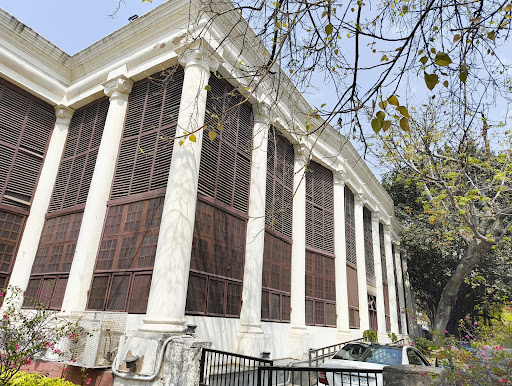
One of Delhi’s newest museums, the Partition Museum is housed in what used to be the library of the 17th century Mughal prince Dara Shukoh. After Dara’s death (at the hands of his brother Aurangzeb), the library went through turbulent times, eventually becoming, for some time, the home of the British Resident in Delhi. The form of the building as it now stands, with high ceilings, shuttered windows, tall columns along the façade, etc, dates back to its time as the Residency.

Entry to the museum costs Rs 50 per adult Indian, and no photography is allowed inside the building. The museum is divided into two separate galleries: the Partition gallery, and the Sindh gallery. You’re advised to begin with the Sindh gallery (since the exit leads out into the garden from the Partition gallery). The Sindh gallery explains, through text, photographs, artefacts and more, the culture of the Sindhis, and how they were affected by the Partition, since Sindh, with fairly large numbers of both Hindus and Muslims, was handed over to Pakistan and not divided.

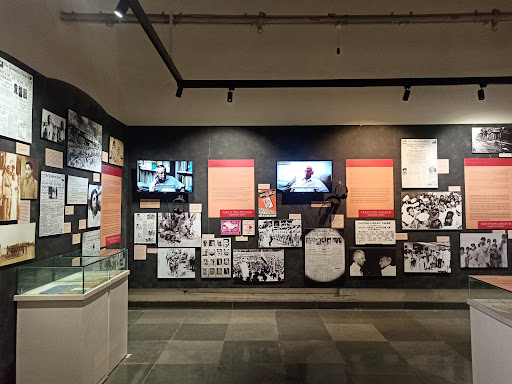
The Partition gallery is larger than the Sindh gallery, and has similar text, photos, letters, audio and video recordings of people talking about the Partition, installation art commemorating the Partition, and much more. There are various objects that came through the Partition; there’s a replica of a train compartment with belongings strewn about that were actually carried by migrants; there’s also a screened-off section with a warning of graphic violence (I have to admit I didn’t go in here).

Very interesting, informative, and poignant reminder of the Partition, especially of its impact on Delhi. The museum has a souvenir shop and a café etc...

   Read more
Page 1 of 7
Previous
Next