HTML SitemapExplore
logo
Find Things to DoFind The Best Restaurants

Aaina Mahal Palace — Attraction in Gujarat

Name
Aaina Mahal Palace
Description
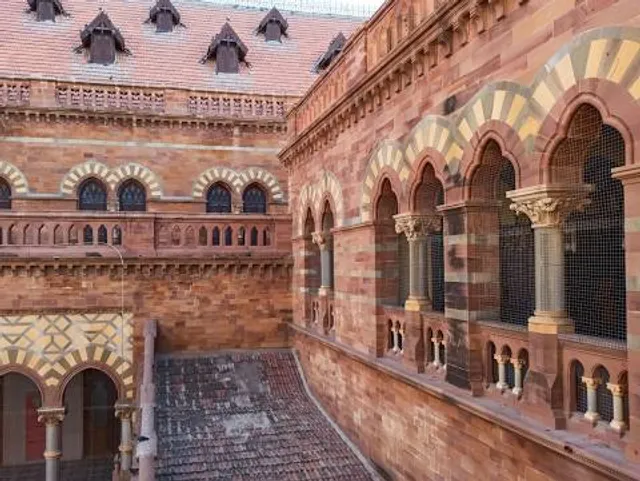
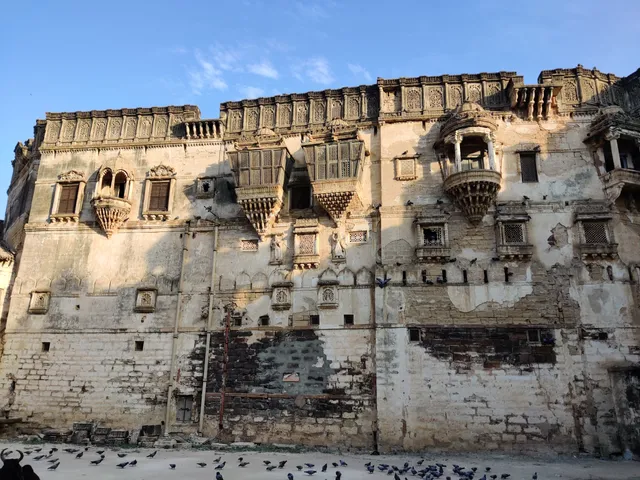
The Aina Mahal is an 18th-century palace that is located next to the Prag Mahal in Darbargadh, Bhuj, Kutch, Gujarat, India. The palace was built by Rao Lakhpatji of Kutch State around 1750.
Nearby attractions
Prag Mahal
Clock Tower, Parag Mahel, Darbar Gadh Rd, near The Palace Boutique, Old Dhatia Falia, Bhuj, Gujarat 370001, India
Kutch Museum
6MX8+FGM, Opposite hmisar lake, Ghanshyam Nagar, Bhuj, Gujarat 370001, India
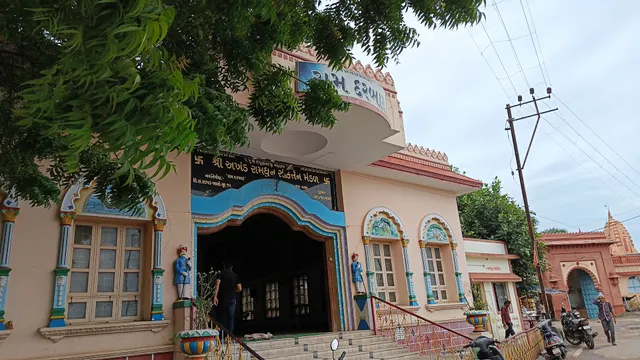
Ram Dhun Temple
6MX8+86F, Bhuj, Gujarat 370001, India
Khengar Park
7M26+665, Bhuj, Gujarat 370001, India
Nearby restaurants
Noorani Restuarant
Danda Bazar, Gandhi Road, Rajgor Falia Rd, Old Dhatia Falia, Bhuj, Gujarat 370001, India
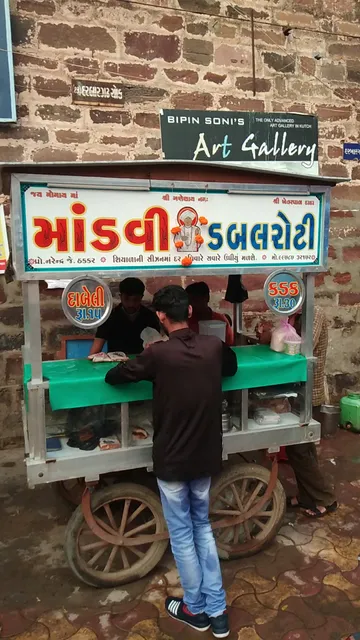
Mandvi dabeli
Rajendra Park Road, Darbar Gadh Rd, Old Dhatia Falia, Bhuj, Gujarat 370001, India
Best Dabeli
Maheshwari Samaj Vadi, Near Sumra Deli, Ashapura Ring Rd, Bhuj, Gujarat 370001, India
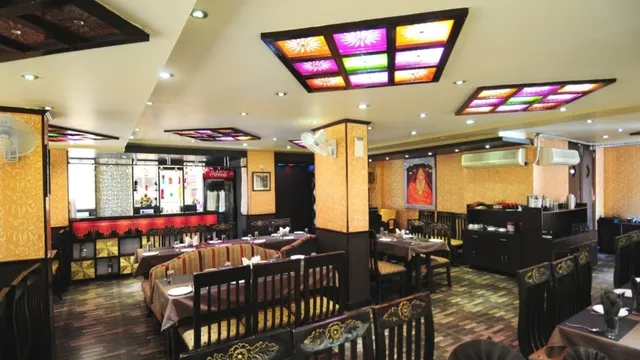
Park View Restaurant
N.K. Tower, opp. Jilla Panchyt Hamirsa Lake, Old Dhatia Falia, Bhuj, Gujarat 370001, India
Farzana Restaurant
Aala wala kabrastan road Sarpat Gate Road, Aala wala kabrastan road, opposite to jijama dargah, Bhuj, Gujarat 370001, India
Maharaja Pav Bhaji
Indrabai Girls Highschool Rd, Ghanshyam Nagar, Bhuj, Gujarat 370001, India
Farzana Restaurant
Alawla Kabrastan Road, Near Sarpat Gate, Bhuj, Gujarat 370001, India
Gopi's- Gopi Gola
Sports, S.T.Bus Stand Opp. To City Bus Stand Near City, Bhuj, Gujarat 370001, India
Binharif doubleroti (dabeli).
Municipal shop no : 32 S.T, Bus Station Rd, Bhuj, Gujarat 370001, India
Amber Restaurant
Indrabai Girls Highschool Rd, Ghanshyam Nagar, Bhuj, Gujarat 370001, India
Nearby hotels
City Guest House
Langa Street, Opp. Darbargadh Post Office, Darbargadh, Kutch, 1/B, Old Dhatia Falia, Bhuj, Gujarat 370001, India
Prag view heritage homestay
Makvana Sheri, Darbar Gadh Rd, nr. Kanyashala Darbar gadh chowk, Bhuj, Gujarat 370001, India
Hotel Gangaram & Guest House
Darbar Gadh Rd, near Aina Mahal, Saraf Bazar, Chowk, Mallsheri, Bhuj, Gujarat 370001, India
Royal Guest House, Bhuj
Vaniyavad Road Behind Old Bus Station, Gowad St, opp. Waniawad School, Bhuj, Gujarat 370001, India
Hotel Shiv Lake
Mahadev Gate Rd, near Upli Pad, Old Dhatia Falia, Bhuj, Gujarat 370001, India
VRP Guest House
Open Air Theater Rd, opp chhathi bari ,Near bus station, Bhuj, Gujarat 370001, India
Hotel Sahara Palace
Bileshwer Temple Road, Bus Station Rd, opp. S.T, Ghanshyam Nagar, Bhuj, Gujarat 370001, India
Hotel Swagat
Hatkesh Complex Rd, near SP Bus Stand, Chettibari, Old Dhatia Falia, Bhuj, Gujarat 370001, India
Comfort Inn Prince hotel
Station Rd, Old Dhatia Falia, Bhuj, Gujarat 370001, India
Hotel Navkar Residency
Hari Krishna Chambers, Station Rd, opp. State bank of India, Lal Tekri, Bhuj, Gujarat 370001, India
Related posts
Keywords
Aaina Mahal Palace tourism.Aaina Mahal Palace hotels.Aaina Mahal Palace bed and breakfast. flights to Aaina Mahal Palace.Aaina Mahal Palace attractions.Aaina Mahal Palace restaurants.Aaina Mahal Palace travel.Aaina Mahal Palace travel guide.Aaina Mahal Palace travel blog.Aaina Mahal Palace pictures.Aaina Mahal Palace photos.Aaina Mahal Palace travel tips.Aaina Mahal Palace maps.Aaina Mahal Palace things to do.
Aaina Mahal Palace things to do, attractions, restaurants, events info and trip planning
Aaina Mahal Palace
IndiaGujaratAaina Mahal Palace

Basic Info

Aaina Mahal Palace

Maharav Of Kutch, Chowk, Darbar Gadh Rd, Old Dhatia Falia, Bhuj, Gujarat 370001, India
4.2(3.2K)
Open 24 hours
Save
spot

Ratings & Description

Info

The Aina Mahal is an 18th-century palace that is located next to the Prag Mahal in Darbargadh, Bhuj, Kutch, Gujarat, India. The palace was built by Rao Lakhpatji of Kutch State around 1750.

Cultural
Family friendly
attractions: Prag Mahal, Kutch Museum, Ram Dhun Temple, Khengar Park, restaurants: Noorani Restuarant, Mandvi dabeli, Best Dabeli, Park View Restaurant, Farzana Restaurant, Maharaja Pav Bhaji, Farzana Restaurant, Gopi's- Gopi Gola, Binharif doubleroti (dabeli)., Amber Restaurant
logoLearn more insights from Wanderboat AI.
Phone
+91 94275 69941

Plan your stay

hotel
Pet-friendly Hotels in Gujarat
Find a cozy hotel nearby and make it a full experience.

hotel
Affordable Hotels in Gujarat
Find a cozy hotel nearby and make it a full experience.

hotel
The Coolest Hotels You Haven't Heard Of (Yet)
Find a cozy hotel nearby and make it a full experience.

hotel
Trending Stays Worth the Hype in Gujarat
Find a cozy hotel nearby and make it a full experience.

Reviews

Nearby attractions of Aaina Mahal Palace

Prag Mahal

Kutch Museum

Ram Dhun Temple

Khengar Park
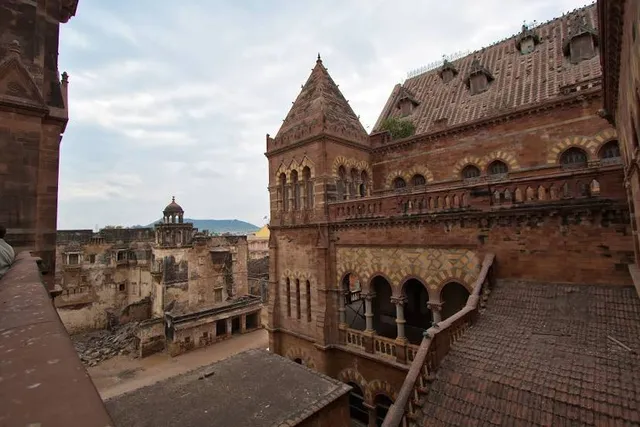
Prag Mahal

Prag Mahal

4.2

(2.9K)

Open until 6:00 PM
Click for details
Kutch Museum

Kutch Museum

4.3

(2.2K)

Open 24 hours
Click for details
Ram Dhun Temple

Ram Dhun Temple

4.8

(28)

Open until 12:00 AM
Click for details
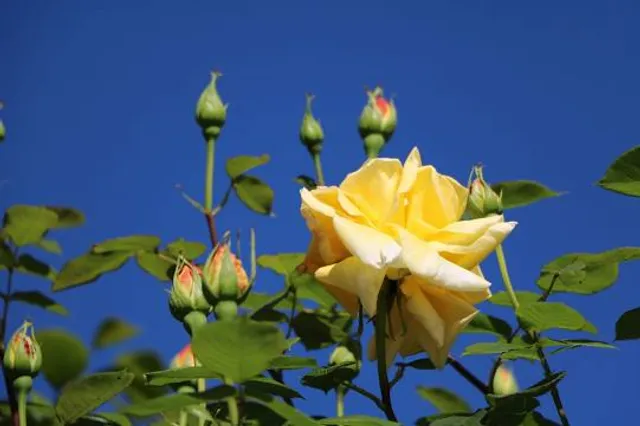
Khengar Park

Khengar Park

4.2

(293)

Open 24 hours
Click for details

Nearby restaurants of Aaina Mahal Palace

Noorani Restuarant

Mandvi dabeli

Best Dabeli

Park View Restaurant

Farzana Restaurant

Maharaja Pav Bhaji

Farzana Restaurant

Gopi's- Gopi Gola

Binharif doubleroti (dabeli).

Amber Restaurant
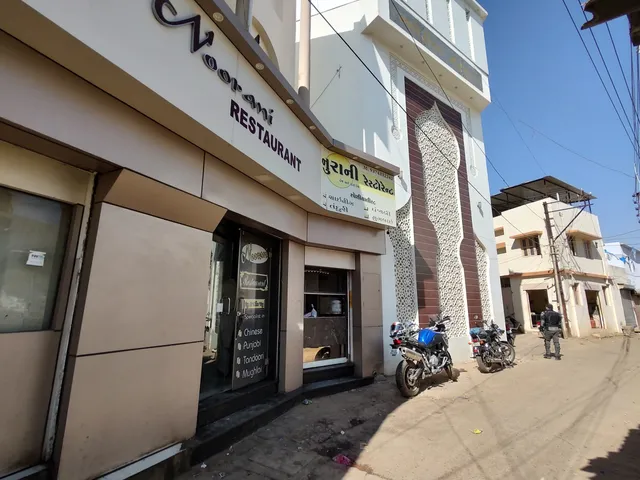
Noorani Restuarant

Noorani Restuarant

4.2

(760)

Click for details
Mandvi dabeli

Mandvi dabeli

4.8

(6)

Click for details
Best Dabeli

Best Dabeli

4.2

(21)

Click for details
Park View Restaurant

Park View Restaurant

4.1

(532)

Click for details
Get the Appoverlay
Get the AppOne tap to find yournext favorite spots!
Wanderboat LogoWanderboat

Your everyday Al companion for getaway ideas

CompanyAbout Us
InformationAI Trip PlannerSitemap
SocialXInstagramTiktokLinkedin
LegalTerms of ServicePrivacy Policy

Get the app

© 2025 Wanderboat. All rights reserved.
logo

Posts

ShaktiSinh JadejaShaktiSinh Jadeja
The Aina Mahal (lit. Palace of Mirrors or Hall of Mirrors) is an 18th-century palace located next to the Prag Mahal in Darbargadh, Bhuj, Gujarat, India. The palace was built by Rao Lakhpatji of Cutch State around 1750. It was designed and decorated by Ram Singh Malam, who had implemented his expertise in European crafts and thus was built in the Indo-European style and decorated with glasses, mirrors and China tiles. It is now converted into a museum storing "europeanerie" collection including clocks, wares, mechanical toys, paintings and pictures. The Aina Mahal was built by Rao Lakhpatji around 1750.The chief architect and designer of the palace was Ram Singh Malam, who lived in Europe for 18 years and mastered several European craft and architecture skills. The construction costed 80 lakh (8 million) koris. An Englishwoman Mrs. Postnas visited the palace in 1830 and noted her impressions in her memoir Cutch (1839). She remarked on the "motley and incongruous mélange of ornament" in a room illuminated with large candles in a noon where she found half a dozen musical clocks playing at once among jelly glasses and old vases. The palace was converted into a museum in 1977. The palace was damaged in the 2001 Gujarat earthquake. A part of the palace has been restored and now houses the Aina Mahal Trust Museum. The collection in the palace museum is an early example of "europeanerie", an 18th century obsession of European things among the Indian nobles.The palace houses a royal bedchamber of Maharao Lakhpatji. The floor and walls of it are covered in Kutchi silk embroidery fabrics while its ceilings, pillars and doors are covered in mirror-work and guilt wood-carvings. It still has Maharao's bed with golden legs, his sword and buckler. The bed is surrounded by more than twenty seven large mirrors inlaid with gold flowers and semiprecious stones and framed in Baroque style guilt frames. The other collection include English, French and Dutch chiming clocks; glass wares; china wares; mechanical toys; celestial globes; arms; palanquin; glass paintings with Chinese influences; old pictures and paintings. The inner chamber is surrounded by a corridors. The walls of the corridor have several Indian and few European paintings which includes 18th-century engravings of A Rake's Progress by William Hogarth, portraits of royals such as Catherine the Great as well as paintings depicting the courts and portraits of Maharao and his successors including some with Mughal influences. There is a 15 metre long scroll painting the Maharao riding a decorated elephant and his procession including a flag bearer, drummers and infantry. Occasionally real gems are introduced on the surface of painting where ornaments such as ear-rings and necklaces are depicted. There is a pendulum clock synchronized with Hindu calendar.The collection also include Mahi Maratib, a golden fish, which formed part of coat of arms of Cutch State which was gifted to Maharao Lakhpatji by Mughal Emperor during his visit of Delhi.
Minesh PrajapatiMinesh Prajapati
The Aina Mahal (lit. Palace of Mirrors) is an 18th-century palace that is located next to the Prag Mahal in Darbargadh, Bhuj, Gujarat, India. The palace was built by Rao Lakhpatji of Cutch State around 1750. Lakhpatji's master craftsman Ram Singh Malam designed the palace in the local style and decorated it in the European style with glass, mirrors and tiles. The palace had two floors; the first floor has the Audience Hall, the Pleasure Hall, the Hall of Mirrors and the State Apartments, and the second floor has the ante-chamber, Darbar (Court) Hall and Marriage Hall. The building has been converted into a museum which includes a "europeanerie" collection that includes clocks, wares, mechanical toys, paintings and pictures. The Aina Mahal was built by Rao Lakhpatji (r. 1741–1760) in around 1750.The chief architect and designer of the palace was Ram Singh Malam, who lived in Europe for 18 years and mastered several European craft and architecture skills. The construction costed 80 lakh (8 million) koris or about ₹20 lakh (2 million); equalling three years of the state revenue in that period. In 1830, Englishwoman Mrs Postnas visited the palace and noted her impressions in her memoir Cutch(1839). She remarked on the "motley and incongruous mélange of ornament" in a room illuminated with large candles where she found six musical clocks playing at once among jelly glasses and old vases. The palace was converted into a museum in 1977.It was damaged in the 2001 Gujarat earthquake and part of the building was restored and now houses the Aina Mahal Trust Museum.
Muktagopal BhattacharyyaMuktagopal Bhattacharyya
Really fantastic. One should not miss this palace. Visited on 26/11/2019The Aina Mahal was built by Rao Lakhpatji in around 1750. The chief architect and designer of the palace was Ram Singh Malam, who lived in Europe for 18 years and mastered several European craft and architecture skills. The palace was converted into a museum in 1977. It was damaged in the 2001 Gujarat earthquake and part of the building was restored and now houses the Aina Mahal Trust Museum.The Aina Mahal is located near Prag Mahal. It is a two-storey mansion that is constructed with stones and decorated with stone carvings and wood fretwork. The exterior is whitewashed.[3] It was designed in the local style and decorated in the European style.The palace floors are laid with blue delftware tiles and the marble walls are decorated with mirrors that are separated by gilded frames. The walls are also decorated with fitted shelves on which glassware and ceramics were displayed. The rooms were illuminated by hanging candelabra and chandeliers with shade of Venetian glass. The pillars and roofs are decorated with golden mouldings and other ornamentation, and spaces between pillars and walls are filled with triangular mirror compartments.The first floor has the Audience Hall, the Pleasure Hall, the Hall of Mirrors and the State Apartments. The second floor has the ante-chamber, Darbar (Court) Hall and Marriage Hall.
See more posts
See more posts
hotel
Find your stay

Pet-friendly Hotels in Gujarat

Find a cozy hotel nearby and make it a full experience.

The Aina Mahal (lit. Palace of Mirrors or Hall of Mirrors) is an 18th-century palace located next to the Prag Mahal in Darbargadh, Bhuj, Gujarat, India. The palace was built by Rao Lakhpatji of Cutch State around 1750. It was designed and decorated by Ram Singh Malam, who had implemented his expertise in European crafts and thus was built in the Indo-European style and decorated with glasses, mirrors and China tiles. It is now converted into a museum storing "europeanerie" collection including clocks, wares, mechanical toys, paintings and pictures. The Aina Mahal was built by Rao Lakhpatji around 1750.The chief architect and designer of the palace was Ram Singh Malam, who lived in Europe for 18 years and mastered several European craft and architecture skills. The construction costed 80 lakh (8 million) koris. An Englishwoman Mrs. Postnas visited the palace in 1830 and noted her impressions in her memoir Cutch (1839). She remarked on the "motley and incongruous mélange of ornament" in a room illuminated with large candles in a noon where she found half a dozen musical clocks playing at once among jelly glasses and old vases. The palace was converted into a museum in 1977. The palace was damaged in the 2001 Gujarat earthquake. A part of the palace has been restored and now houses the Aina Mahal Trust Museum. The collection in the palace museum is an early example of "europeanerie", an 18th century obsession of European things among the Indian nobles.The palace houses a royal bedchamber of Maharao Lakhpatji. The floor and walls of it are covered in Kutchi silk embroidery fabrics while its ceilings, pillars and doors are covered in mirror-work and guilt wood-carvings. It still has Maharao's bed with golden legs, his sword and buckler. The bed is surrounded by more than twenty seven large mirrors inlaid with gold flowers and semiprecious stones and framed in Baroque style guilt frames. The other collection include English, French and Dutch chiming clocks; glass wares; china wares; mechanical toys; celestial globes; arms; palanquin; glass paintings with Chinese influences; old pictures and paintings. The inner chamber is surrounded by a corridors. The walls of the corridor have several Indian and few European paintings which includes 18th-century engravings of A Rake's Progress by William Hogarth, portraits of royals such as Catherine the Great as well as paintings depicting the courts and portraits of Maharao and his successors including some with Mughal influences. There is a 15 metre long scroll painting the Maharao riding a decorated elephant and his procession including a flag bearer, drummers and infantry. Occasionally real gems are introduced on the surface of painting where ornaments such as ear-rings and necklaces are depicted. There is a pendulum clock synchronized with Hindu calendar.The collection also include Mahi Maratib, a golden fish, which formed part of coat of arms of Cutch State which was gifted to Maharao Lakhpatji by Mughal Emperor during his visit of Delhi.
ShaktiSinh Jadeja

ShaktiSinh Jadeja

hotel
Find your stay

Affordable Hotels in Gujarat

Find a cozy hotel nearby and make it a full experience.

Get the Appoverlay
Get the AppOne tap to find yournext favorite spots!
The Aina Mahal (lit. Palace of Mirrors) is an 18th-century palace that is located next to the Prag Mahal in Darbargadh, Bhuj, Gujarat, India. The palace was built by Rao Lakhpatji of Cutch State around 1750. Lakhpatji's master craftsman Ram Singh Malam designed the palace in the local style and decorated it in the European style with glass, mirrors and tiles. The palace had two floors; the first floor has the Audience Hall, the Pleasure Hall, the Hall of Mirrors and the State Apartments, and the second floor has the ante-chamber, Darbar (Court) Hall and Marriage Hall. The building has been converted into a museum which includes a "europeanerie" collection that includes clocks, wares, mechanical toys, paintings and pictures. The Aina Mahal was built by Rao Lakhpatji (r. 1741–1760) in around 1750.The chief architect and designer of the palace was Ram Singh Malam, who lived in Europe for 18 years and mastered several European craft and architecture skills. The construction costed 80 lakh (8 million) koris or about ₹20 lakh (2 million); equalling three years of the state revenue in that period. In 1830, Englishwoman Mrs Postnas visited the palace and noted her impressions in her memoir Cutch(1839). She remarked on the "motley and incongruous mélange of ornament" in a room illuminated with large candles where she found six musical clocks playing at once among jelly glasses and old vases. The palace was converted into a museum in 1977.It was damaged in the 2001 Gujarat earthquake and part of the building was restored and now houses the Aina Mahal Trust Museum.
Minesh Prajapati

Minesh Prajapati

hotel
Find your stay

The Coolest Hotels You Haven't Heard Of (Yet)

Find a cozy hotel nearby and make it a full experience.

hotel
Find your stay

Trending Stays Worth the Hype in Gujarat

Find a cozy hotel nearby and make it a full experience.

Really fantastic. One should not miss this palace. Visited on 26/11/2019The Aina Mahal was built by Rao Lakhpatji in around 1750. The chief architect and designer of the palace was Ram Singh Malam, who lived in Europe for 18 years and mastered several European craft and architecture skills. The palace was converted into a museum in 1977. It was damaged in the 2001 Gujarat earthquake and part of the building was restored and now houses the Aina Mahal Trust Museum.The Aina Mahal is located near Prag Mahal. It is a two-storey mansion that is constructed with stones and decorated with stone carvings and wood fretwork. The exterior is whitewashed.[3] It was designed in the local style and decorated in the European style.The palace floors are laid with blue delftware tiles and the marble walls are decorated with mirrors that are separated by gilded frames. The walls are also decorated with fitted shelves on which glassware and ceramics were displayed. The rooms were illuminated by hanging candelabra and chandeliers with shade of Venetian glass. The pillars and roofs are decorated with golden mouldings and other ornamentation, and spaces between pillars and walls are filled with triangular mirror compartments.The first floor has the Audience Hall, the Pleasure Hall, the Hall of Mirrors and the State Apartments. The second floor has the ante-chamber, Darbar (Court) Hall and Marriage Hall.
Muktagopal Bhattacharyya

Muktagopal Bhattacharyya

See more posts
See more posts

Reviews of Aaina Mahal Palace

4.2
(3,236)
avatar
5.0
6y

The Aina Mahal (Palace of Mirrors) is one of the most iconic and historic palaces located in Bhuj, Gujarat. Built in the mid-18th century, it is renowned for its unique blend of Indo-European architecture and the opulent use of mirrors and glasswork, reflecting the grand vision of its patron, Rao Lakhpatji, who was the ruler of the region during that time. Here are the full details about the Aina Mahal:

History of Aina Mahal Construction: Aina Mahal was commissioned by Rao Lakhpatji around 1750 AD. Rao Lakhpatji was a patron of the arts and had a keen interest in European culture and design. The architect responsible for this grand palace was Ram Singh Malam, a skilled craftsman trained in European architecture, having spent many years in Holland. Purpose: The palace was built as part of Rao Lakhpatji’s royal residence, and the design reflected his fascination with European aesthetics combined with Indian craftsmanship. Earthquake Impact: The palace suffered significant damage during the 2001 Gujarat earthquake, but many parts have since been restored.

Architecture and Design Mirror Work: The name "Aina Mahal" (meaning "Mirror Palace") comes from its extensive use of mirrors. The interiors are richly adorned with mirrors on the walls, ceilings, and pillars, reflecting an incredible play of light. European Influence: The architecture and design have a strong European influence. The rooms are filled with glass chandeliers, Venetian-style glass work, and elegant furnishings. Intricate Carvings: The walls and ceilings feature delicate carvings and inlay work, a hallmark of the Kutch region’s artistic traditions. Durbar Hall: One of the most stunning parts of the palace is the Durbar Hall, which served as a place for royal meetings and ceremonies. It is lavishly decorated with mirrors, gold work, and beautiful paintings. Chambers and Galleries: The palace also houses royal chambers and art galleries, showcasing a range of objects such as paintings, antique clocks, royal portraits, and weapons.

Key Attractions Inside Aina Mahal Hall of Mirrors: The main attraction is the Hall of Mirrors, where the walls are covered in mirrors imported from Belgium, reflecting the grandeur of the place. Clock Tower: Aina Mahal’s clock tower is another notable feature, symbolizing Rao Lakhpatji’s fascination with modern technology at the time. The Royal Collections: Visitors can explore various artifacts, including royal furniture, paintings, manuscripts, and sculptures. Musical Instruments: The palace showcases several traditional musical instruments that belonged to the royal family. Artistic Water Fountains: Within the palace, there are also beautifully designed fountains, which were a part of its European-style luxury amenities.

Museum Section Post the earthquake, Aina Mahal was converted into a museum. It offers an insight into the royal family’s lifestyle and cultural contributions. The museum section displays items such as: Antique clocks Mechanical toys Old photographs of Bhuj and the royal family Sculptures and art pieces from the 18th century

Visiting Information Location: Old City, Bhuj, Gujarat. Timings: The Aina Mahal is generally open from 9:00 AM to 12:00 PM, and from 3:00 PM to 6:00 PM every day, except Thursdays when it remains closed. Entry Fee: Indian Nationals: ₹20-₹30 Foreign Nationals: ₹100-₹150 Extra charges may apply for photography.

Nearby Attractions While visiting the Aina Mahal, you can also explore other attractions in Bhuj, including: Prag Mahal: Located right next to Aina Mahal, it is another royal palace with stunning Gothic architecture. Kutch Museum: The oldest museum in Gujarat, showcasing the rich history and culture of the Kutch region. Bhujia Hill and Fort: For a panoramic view of Bhuj city. Hamirsar Lake: A scenic spot to relax after touring...

   Read more
avatar
4.0
6y

The Aina Mahal (lit. Palace of Mirrors or Hall of Mirrors) is an 18th-century palace located next to the Prag Mahal in Darbargadh, Bhuj, Gujarat, India. The palace was built by Rao Lakhpatji of Cutch State around 1750. It was designed and decorated by Ram Singh Malam, who had implemented his expertise in European crafts and thus was built in the Indo-European style and decorated with glasses, mirrors and China tiles. It is now converted into a museum storing "europeanerie" collection including clocks, wares, mechanical toys, paintings and pictures.

The Aina Mahal was built by Rao Lakhpatji around 1750.The chief architect and designer of the palace was Ram Singh Malam, who lived in Europe for 18 years and mastered several European craft and architecture skills. The construction costed 80 lakh (8 million) koris.

An Englishwoman Mrs. Postnas visited the palace in 1830 and noted her impressions in her memoir Cutch (1839). She remarked on the "motley and incongruous mélange of ornament" in a room illuminated with large candles in a noon where she found half a dozen musical clocks playing at once among jelly glasses and old vases.

The palace was converted into a museum in 1977.

The palace was damaged in the 2001 Gujarat earthquake. A part of the palace has been restored and now houses the Aina Mahal Trust Museum.

The collection in the palace museum is an early example of "europeanerie", an 18th century obsession of European things among the Indian nobles.The palace houses a royal bedchamber of Maharao Lakhpatji. The floor and walls of it are covered in Kutchi silk embroidery fabrics while its ceilings, pillars and doors are covered in mirror-work and guilt wood-carvings. It still has Maharao's bed with golden legs, his sword and buckler. The bed is surrounded by more than twenty seven large mirrors inlaid with gold flowers and semiprecious stones and framed in Baroque style guilt frames.

The other collection include English, French and Dutch chiming clocks; glass wares; china wares; mechanical toys; celestial globes; arms; palanquin; glass paintings with Chinese influences; old pictures and paintings. The inner chamber is surrounded by a corridors. The walls of the corridor have several Indian and few European paintings which includes 18th-century engravings of A Rake's Progress by William Hogarth, portraits of royals such as Catherine the Great as well as paintings depicting the courts and portraits of Maharao and his successors including some with Mughal influences. There is a 15 metre long scroll painting the Maharao riding a decorated elephant and his procession including a flag bearer, drummers and infantry. Occasionally real gems are introduced on the surface of painting where ornaments such as ear-rings and necklaces are depicted. There is a pendulum clock synchronized with Hindu calendar.The collection also include Mahi Maratib, a golden fish, which formed part of coat of arms of Cutch State which was gifted to Maharao Lakhpatji by Mughal Emperor during his...

   Read more
avatar
5.0
2y

Aaina Mahal, located in the enchanting city of Bhuj, is a historical palace that exudes opulence and grandeur. Built in the 18th century by Rao Lakhpatji, the Maharao of Kutch, this architectural marvel is a testimony to the rich cultural heritage of the region. Let's explore the key highlights of Aaina Mahal point by point.

Architecture: Aaina Mahal is renowned for its exquisite Indo-European architecture. It seamlessly blends elements of local craftsmanship with European influences. The palace showcases a fusion of styles, featuring intricate carvings, ornate balconies, elegant arches, and delicate mirror work that adorn the walls, ceilings, and pillars.

Mirror Work: Aaina Mahal is particularly famous for its stunning mirror work, which is unparalleled in its craftsmanship and beauty. The palace boasts an extensive collection of intricately designed mirrors, creating a dazzling effect as they reflect light and create a mesmerizing atmosphere.

Museum: A part of the palace has been converted into a museum, offering visitors a glimpse into the royal history and culture of the region. The museum houses an impressive collection of artifacts, including royal memorabilia, antique furniture, exquisite textiles, and intricately designed weaponry.

Hall of Mirrors: The Hall of Mirrors, also known as Sheesh Mahal, is the centerpiece of Aaina Mahal. This breathtaking hall is adorned with large mirrors, glittering chandeliers, and elaborately carved wooden pillars. It was once used for royal gatherings and functions, adding a touch of regal splendor to the palace.

Art and Craft: Aaina Mahal also showcases the rich artistic heritage of Kutch. The palace houses a collection of exquisite artworks, including intricately embroidered textiles, vibrant traditional paintings, and delicate handicrafts. These artworks serve as a testament to the region's artistic prowess and creativity.

Restoration: Aaina Mahal underwent extensive restoration after the devastating earthquake in 2001. Efforts were made to preserve its architectural integrity and restore the intricate mirror work to its former glory. The restoration work has ensured that visitors can experience the palace's magnificence in its original splendor.

In conclusion, Aaina Mahal in Bhuj stands as a testament to the architectural brilliance and cultural heritage of Kutch. Its fusion of architectural styles, breathtaking mirror work, and rich collection of art and artifacts make it a must-visit destination for history and art enthusiasts alike. A journey through Aaina Mahal takes visitors on a captivating voyage through the regal past of the region, leaving an indelible impression of its...

   Read more
Page 1 of 7
Previous
Next