The Kutch Museum, also known as the Kutch Museum Bhuj, is a treasure trove of history and culture located in the city of Bhuj, Gujarat, India. Established in 1877, it is one of the oldest museums in Gujarat and offers visitors a fascinating journey through the rich heritage and traditions of the Kutch region. Let's explore the key highlights of the Kutch Museum point by point.
History and Establishment: The Kutch Museum was established by Maharao Khengarji III, the ruler of the Kutch State, with the aim of preserving and showcasing the cultural and historical artifacts of the region. The museum is housed in a beautiful and historic building, known as the Darbar Gadh, which was constructed in the 19th century.
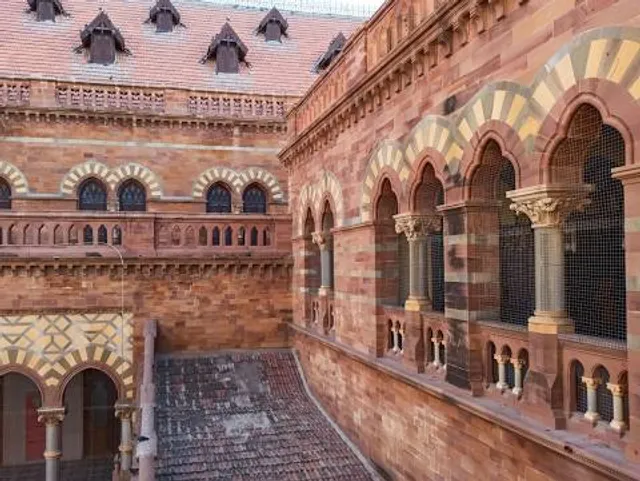
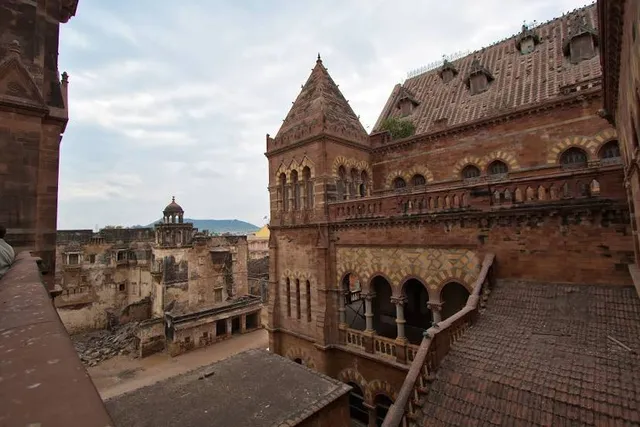
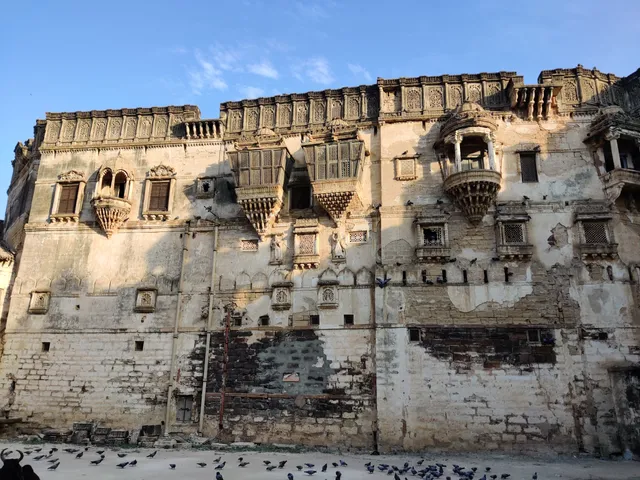
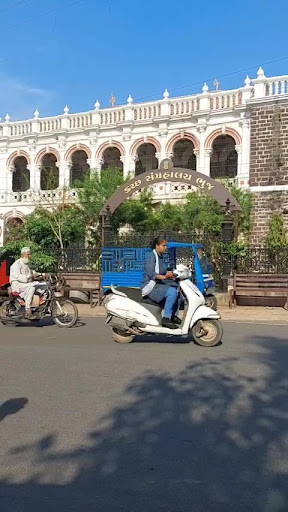
Architectural Beauty: The museum building itself is a visual delight, reflecting the architectural style of the Kutch region. It features intricately carved stone facades, ornate balconies, and magnificent arches. The blend of traditional Kutchi elements with European influences adds to the charm of the structure.
Exhibits and Collections: The Kutch Museum boasts an extensive collection of artifacts that cover various aspects of the region's history, art, culture, and archaeology. The exhibits are categorized into different sections, allowing visitors to explore the diversity of Kutch's heritage.
Archaeological Section: The museum's archaeological section showcases artifacts dating back to the ancient Indus Valley Civilization and other archaeological sites in the region. It includes pottery, seals, figurines, ornaments, and tools, providing insights into the ancient civilizations that thrived in the area.
Textile Section: Kutch is renowned for its vibrant and intricate textiles, and the museum's textile section displays a remarkable assortment of traditional textiles, garments, and embroidery. Visitors can marvel at the exquisite mirror work, bandhani (tie-dye), and intricate embroidery techniques that are characteristic of Kutchi textiles.
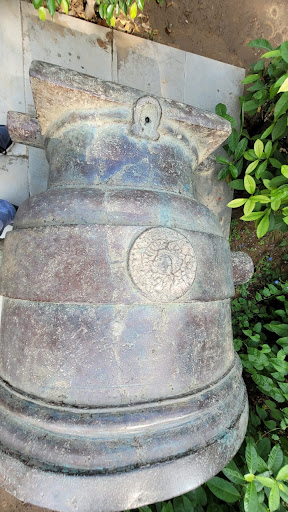
Arms and Weapons Section: The museum's arms and weapons section exhibits a collection of traditional weaponry used by the rulers and warriors of Kutch. Visitors can observe an array of swords, guns, daggers, and shields, gaining a glimpse into the martial history of the region.
Folk Art and Handicrafts Section: Kutch is known for its rich folk art and handicraft traditions, and this section of the museum showcases a wide range of artifacts representing various folk art forms. Visitors can admire intricately crafted woodwork, metalwork, pottery, and traditional musical instruments.
Numismatic Section: The numismatic section of the museum displays a collection of ancient coins, including those from the Kshatrapa, Gupta, and Maitraka dynasties. These coins provide valuable insights into the region's economic and trading history.
Ethnography Section: The ethnography section focuses on the cultural and social life of the diverse communities that inhabit the Kutch region. It exhibits traditional costumes, jewelry, musical instruments, and household items, shedding light on the customs, traditions, and lifestyle of the local communities.
Bhuj Earthquake Exhibit: The Kutch Museum also houses a dedicated exhibit that commemorates the devastating earthquake that struck Bhuj in 2001. This exhibit serves as a reminder of the resilience and spirit of the local community in rebuilding their lives and preserving their cultural heritage.
Research Facilities: The museum provides research facilities and resources for scholars and researchers interested in studying the history, culture, and art of the Kutch region. The museum's library houses a vast collection of books, manuscripts, and archival materials.
Educational and Outreach Programs: The Kutch Museum conducts educational programs, workshops, and guided tours to engage visitors of all ages. These...
Read moreThe museum houses the largest existing collection of Kshatrapa inscriptions, dating back to the 1st century. Among its notable artifacts are six ancient Kshatrapa inscription stones originally found in Andhau village in Khavda, locally known as Lashti. These inscription stones were erected during the reign of Rudradaman I and have been carefully preserved and moved to the museum to ensure their longevity and accessibility to the public. Additionally, the museum holds the only Gujarati Abhira inscription from the 3rd century, further enriching its already impressive collection of historical records.
One of the unique features of the museum is its display of the now-extinct Kutchi script. While the Kutchi language is now predominantly written in the Gujarati script, the museum provides an invaluable glimpse into its original written form. Complementing this is the museum’s extensive collection of coins, including the Koris, which were the local currency of Kutch until 1948. These coins not only represent the economic history of the region but also provide insights into the trade and commerce practices of the past.
The museum boasts almost 11 sections, each dedicated to different aspects of the region's history and culture. The archaeological section is particularly noteworthy, featuring Indus seals and various stone tablets that highlight the advanced civilization of the Indus Valley. Paintings depicting different vocations of Kutch are also on display, offering visitors a visual journey through the traditional occupations and lifestyles of the people in the region.
Additionally, the museum has an excellent section devoted to classical and musical instruments. This section includes rare instruments like the Nagfani and Morchang, among many others, which are put on display to showcase the rich musical heritage of Kutch. These instruments, with their unique designs and sounds, reflect the region's deep-rooted cultural traditions and artistic expressions.
Overall, the museum provides a comprehensive and immersive experience for visitors, allowing them to explore and appreciate the diverse history, culture, and heritage of Kutch. From ancient inscriptions and coins to traditional paintings and musical instruments, the museum's extensive collections offer something for everyone, making it a must-visit destination for history enthusiasts and cultural...
Read moreThe Kutch Museum, established in 1877, is Gujarat's oldest museum, located in Bhuj near the picturesque Hamirsar Lake. Housed in an Italian Gothic-style building, the museum showcases a rich collection that reflects the diverse heritage of the Kutch region.
Key Highlights:
Artifacts and Exhibits: The museum boasts an extensive array of artifacts, including ancient coins, traditional Kutch embroidery, musical instruments, sculptures, and tribal artifacts. Notably, it preserves the extinct Kutchi script and houses the largest existing collection of Kshatrapa inscriptions dating back to the 1st century AD.
Cultural Insights: Visitors can explore dioramas depicting tribal costumes and artifacts, offering a glimpse into the life and traditions of the local communities.
Visitor Information:
Timings: The museum operates from 10:00 AM to 1:00 PM and 2:30 PM to 5:30 PM. It remains closed on Wednesdays and public holidays.
Entry Fee: The admission fee is nominal, with INR 50 for adults and INR 2 for children.
Visitor Feedback:
Reviews are mixed. Some visitors appreciate the museum's historical significance and diverse collection, while others note areas for improvement, such as maintenance and the need for more detailed descriptions of exhibits. One reviewer mentioned, "It's a small museum, with a few artifacts, which mostly lack any written information."
Conclusion:
The Kutch Museum offers valuable insights into the region's rich cultural and historical heritage. While it provides a unique opportunity to explore ancient artifacts and traditions, enhancing exhibit descriptions and...
Read more