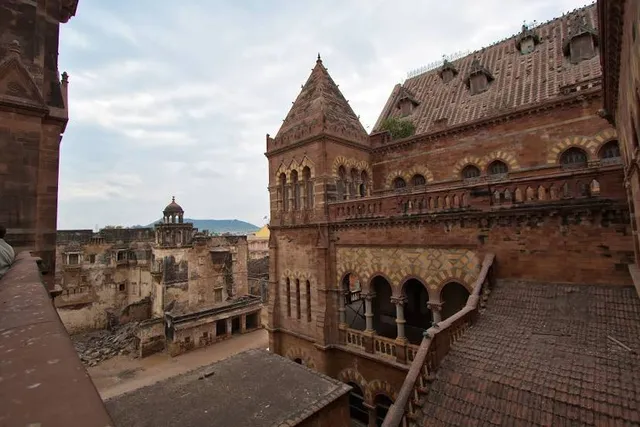
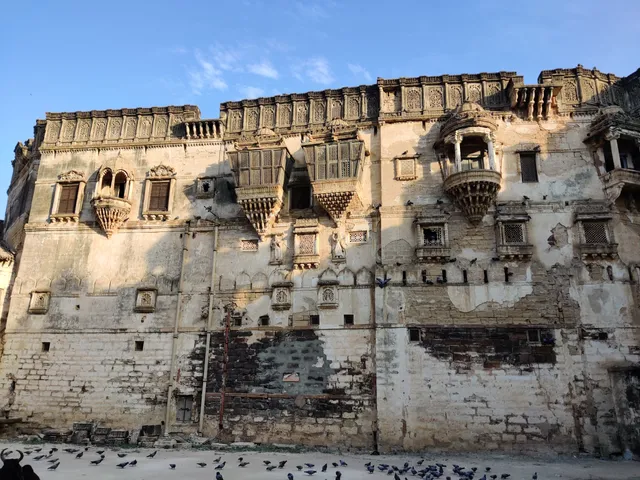
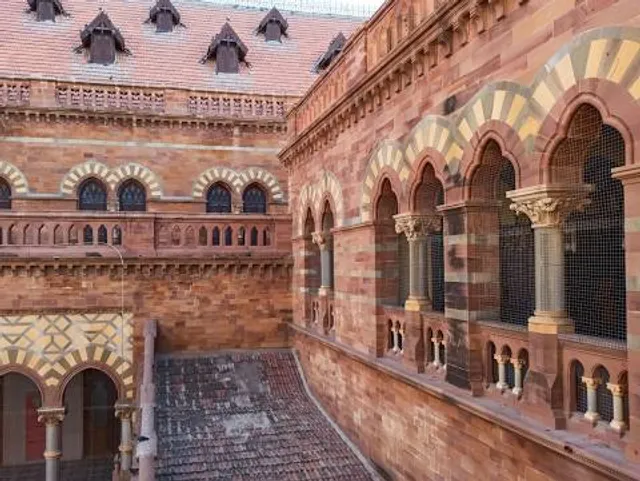
Prag Mahal, situated in the picturesque city of Bhuj, is a magnificent palace that embodies a seamless blend of Gothic and Italian architectural styles. Built in the 19th century by Rao Pragmalji II, the palace is a striking testament to the opulence and grandeur of the Kutch region. Let's delve into the key highlights of Prag Mahal point by point.
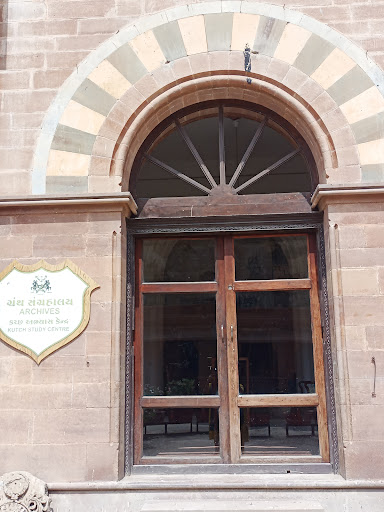
Architecture: Prag Mahal is renowned for its unique architectural style, which combines elements of Gothic and Italian design. The palace features intricately carved Corinthian columns, elegant arches, and elaborate balconies that reflect the influence of European aesthetics. The fusion of these architectural styles creates a distinctive and captivating visual appeal.
Construction: The construction of Prag Mahal involved the use of locally sourced materials, such as sandstone and marble, which contribute to its regal charm. The palace's imposing facade and intricate detailing showcase the architectural mastery of the craftsmen who brought the vision of Rao Pragmalji II to life.
Durbar Hall: The Durbar Hall, the main attraction of Prag Mahal, is a magnificent hall adorned with Italian marble and stunning stained glass windows. This grand hall was used for royal gatherings, ceremonial functions, and important meetings. Its towering ceilings and ornate chandeliers create an aura of splendor and regality.
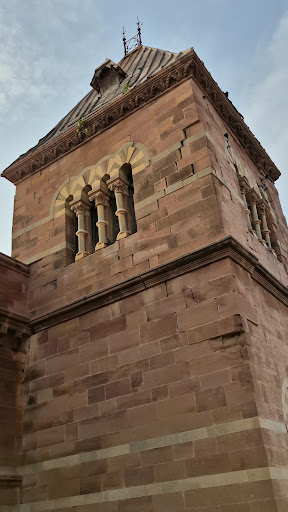
Clock Tower: Prag Mahal is also famous for its majestic clock tower, known as the Prag Mahal Tower. Standing tall amidst the palace complex, the tower offers panoramic views of Bhuj city. The clock, which was designed in Italy, is an impressive piece of craftsmanship and continues to function to this day.
Restoration: Prag Mahal underwent extensive restoration after the devastating earthquake in 2001. Efforts were made to preserve its architectural heritage and revive its faded glory. The restoration work has successfully revived the palace's intricate carvings, ornamental ceilings, and magnificent interiors.
Museum: A part of Prag Mahal has been transformed into a museum, showcasing a remarkable collection of artifacts, including royal memorabilia, vintage photographs, weaponry, and ancestral portraits. The museum provides visitors with a fascinating insight into the royal history and culture of Kutch.
In conclusion, Prag Mahal stands as a magnificent architectural masterpiece in Bhuj, representing the regal heritage of the Kutch region. Its unique blend of Gothic and Italian styles, along with its grandeur and historical significance, make it a must-visit destination for architecture and history enthusiasts. The palace's Durbar Hall, clock tower, and museum offer visitors a glimpse into the opulent lifestyle of the royal era, leaving a lasting impression of its architectural splendor and...
Read morePrag Mahal in Bhuj is a grand 19th-century palace that stands as an architectural marvel and a significant historical monument in Kutch, Gujarat. Commissioned by Maharao Shri Pragmalji II in 1865, this palace was completed in 1879 during the regency of his son, Khengarji III. It showcases a blend of Italian Gothic style with Romanesque architectural influences, and its construction was a collaborative effort between the British engineer Colonel Henry St Clair Wilkins and the skilled local Kutchi builder community, known as the gaidhars of Kutch. Remarkably, the artisans were paid in gold coins for their work.
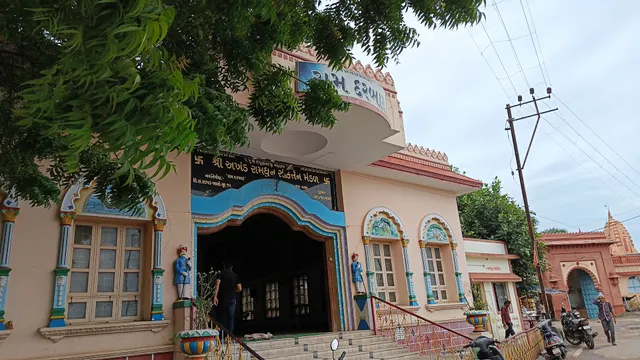
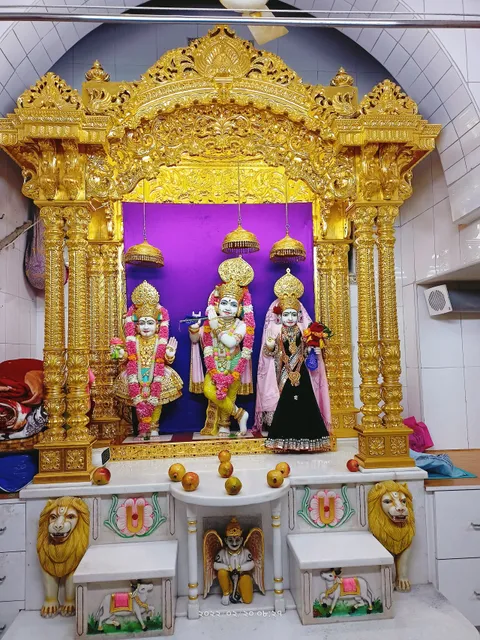
The palace is primarily built with Italian marble and sandstone sourced from Rajasthan. One of its most striking features is a towering 45-foot-high clock tower that offers panoramic views of the entire city of Bhuj and the surrounding landscape of Kutch. The palace complex includes a spacious courtyard framed with gothic arches and intricately designed pillars. Behind the palace courtyard lies a small Hindu temple with beautifully carved stonework, which adds a traditional element to this otherwise European-style structure.
Inside, Prag Mahal boasts an ornate Durbar Hall, where royal courtiers and dignitaries gathered for official ceremonies and celebrations. This hall is adorned with Greek classical statues that support the mezzanine balcony, cut glass chandeliers, and beveled stained glass windows that cast a regal glow. The main hall also contains a decaying collection of taxidermy, broken chandeliers, and Corinthian pillars that add to its historic charm despite the wear from time.
The palace suffered severe damage during the devastating 2001 Bhuj earthquake, leaving much of it in a dilapidated state. Though Bollywood films like "Lagaan" filmed scenes here, substantial restoration efforts have been limited due to funding issues. Still, the palace remains a symbol of the region's rich heritage and the vision of its builder, Maharao Pragmalji II, who was a progressive ruler invested in modernizing Kutch. Prag Mahal reflects not only architectural grandeur but also the cultural and historical spirit of Bhuj.
Visitors to Prag Mahal can explore its halls and climb the clock tower for a sweeping view of the city. The site is an evocative reminder of a bygone era, embodying a fusion of cultures and the enduring legacy of the Jadeja dynasty in Kutch. Open for tourism, it offers insight into the royal life and architectural ambitions of 19th-century Bhuj, though visitors will notice the need for ongoing preservation of this...
Read morePrag Mahal in Bhuj is an architectural gem that offers a fascinating glimpse into the royal heritage of Kutch. Built in the 19th century in the Italian Gothic style, this palace is a testament to the opulence and grandeur of the Kutch royalty. The impressive clock tower is one of its most striking features, providing breathtaking panoramic views of Bhuj and the surrounding areas. The intricate carvings and detailed stonework on the palace's exterior showcase the skilled craftsmanship of the era, making it a visual delight for architecture enthusiasts.
Inside the palace, the grand Durbar Hall is a highlight. This majestic hall features high ceilings, magnificent chandeliers, and ornate furnishings that transport visitors back to the time of the Kutch rulers. The hall is further adorned with elaborate mirrors and gilded decorations, adding to its royal ambiance. The intricate jali work (latticework) on the windows and balconies enhances the palace’s charm and elegance, making it a perfect spot for photography.
Prag Mahal also houses a small museum that offers an insightful look into the history and culture of the Kutch region. The museum displays various artifacts, including portraits of the royal family, antique furniture, and remnants of the royal lifestyle. These exhibits provide a deeper understanding of the rich heritage and traditions of Kutch.
Despite the grandeur, Prag Mahal has faced its share of challenges, including significant damage from the 2001 earthquake. However, extensive restoration efforts have successfully preserved much of its original beauty, ensuring that it remains a valuable heritage site.
Visiting Prag Mahal offers a unique opportunity to explore the architectural and historical richness of Bhuj. Whether you're a history buff, an architecture enthusiast, or simply looking for a picturesque spot to explore, Prag Mahal is a must-visit destination. The palace’s blend of European and Indian architectural styles, combined with its historical significance, makes it a standout attraction in Bhuj. Don't miss this chance to step back in time and experience the grandeur of...
Read more