Amrapali Museum things to do, attractions, restaurants, events info and trip planning
Basic Info
Amrapali Museum
Ground Floor, K, 14/B, Ashok Marg, C Scheme, Ashok Nagar, Jaipur, Rajasthan 302001, India
4.3(181)
Closed

tickets
Save
spot
spot
Ratings & Description
Info
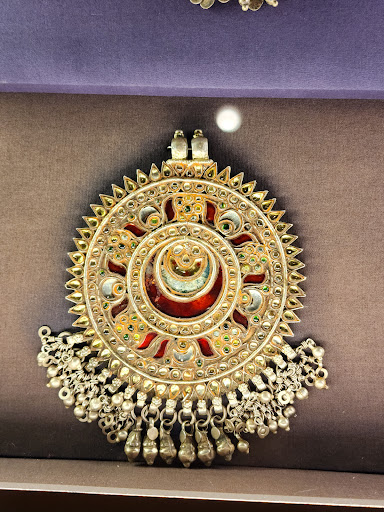
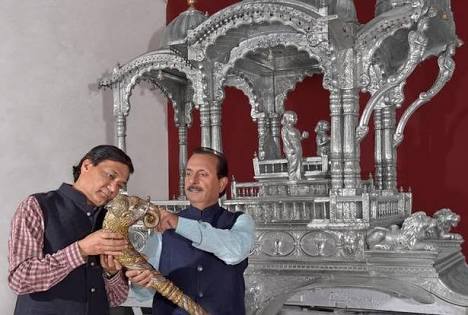
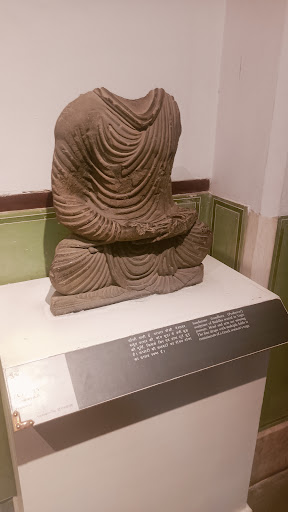
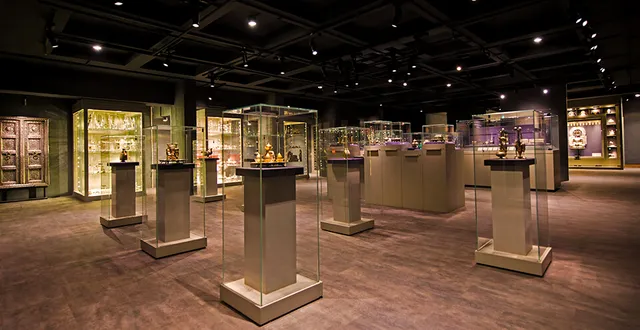
Amrapali Museum is a museum located in Jaipur, Rajasthan, which is dedicated to Indian jewellery and decorative objects. It was inaugurated on 20 January 2018. The museum is an enterprise of the founders of Amrapali Jewels, Rajiv Arora and Rajesh Ajmera.
Cultural
Family friendly
Accessibility
attractions: Jaipur Virasat Foundation RRAP Music Museum & Hub, restaurants: Tea Connect, Handi restaurant jaipur, Club Alpha, SKYZA Rooftop Lounge, Brewlicious Rooftop Bar Restaurant in Jaipur, Mamu's Infusion Restaurant, Grand indiana restaurant And Banquet best restaurant in Jaipur, KafeVille, Jaipur Modern - Store & Kitchen, Kanha Restaurant, local businesses: Amrapur Darbar, Man Upasana, Trimurty V-Jai City Point, Organic India Store - Ashok Nagar, Jaipur, Standard Chartered Jaipur Branch, Artryst, X CORE Fitness - Gym & Fitness Center | C-scheme Jaipur, Chomu House, Giani's Ice Creams, Jal Mahal Ice Cream Parlour
 Learn more insights from Wanderboat AI.
Phone
+91 141 282 2700
Website
amrapalimuseum.com
Open hoursSee all hours
Tue11 AM - 6 PMClosed
Plan your stay

Pet-friendly Hotels in Jaipur Municipal Corporation
Find a cozy hotel nearby and make it a full experience.

Affordable Hotels in Jaipur Municipal Corporation
Find a cozy hotel nearby and make it a full experience.

The Coolest Hotels You Haven't Heard Of (Yet)
Find a cozy hotel nearby and make it a full experience.

Trending Stays Worth the Hype in Jaipur Municipal Corporation
Find a cozy hotel nearby and make it a full experience.
Reviews
Live events
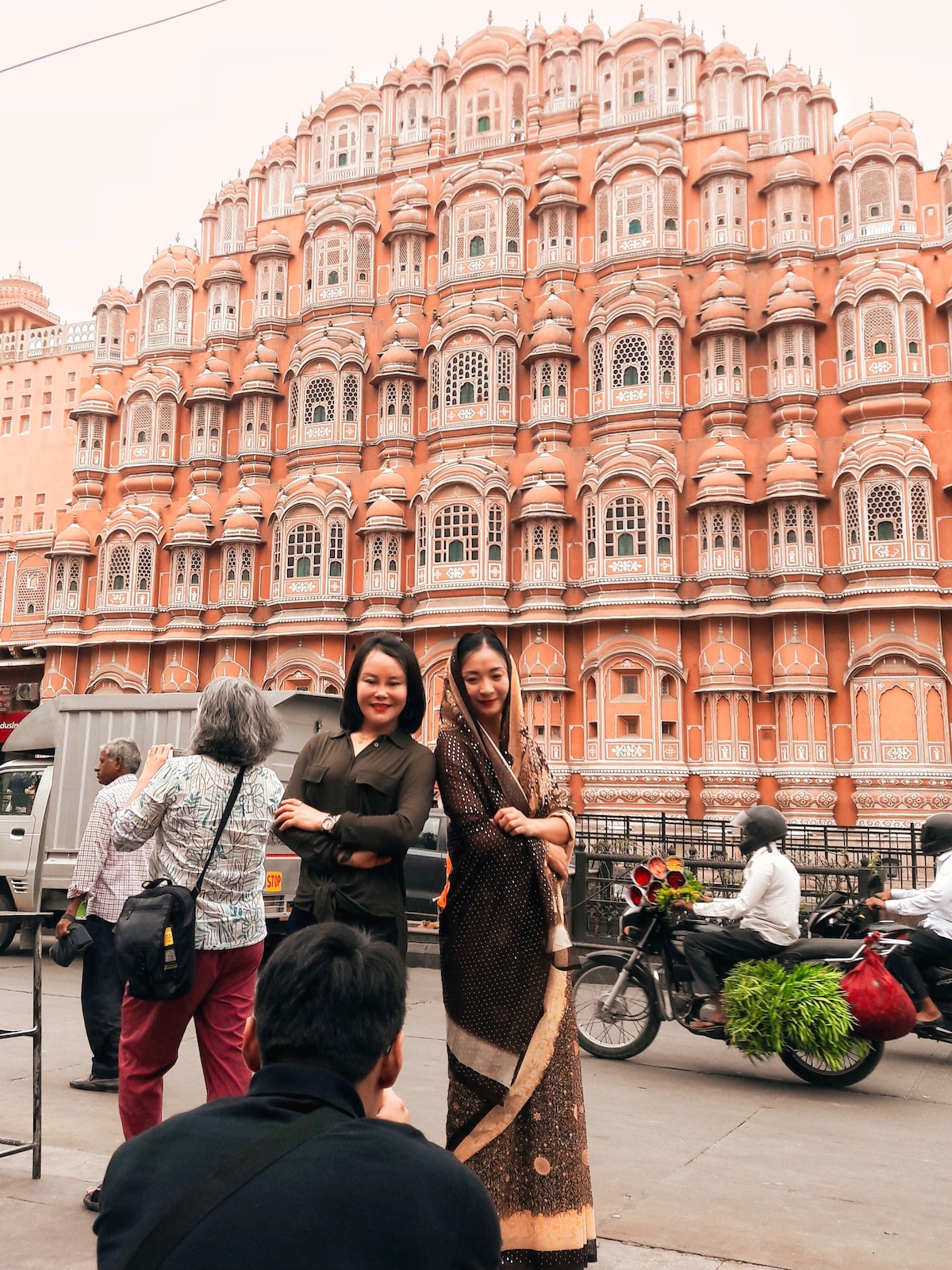
Hidden Gems of Pinkcity & Block Printing Workshop
Thu, Feb 26 • 8:00 AM
Jaipur, Rajasthan, 302001, India
View details
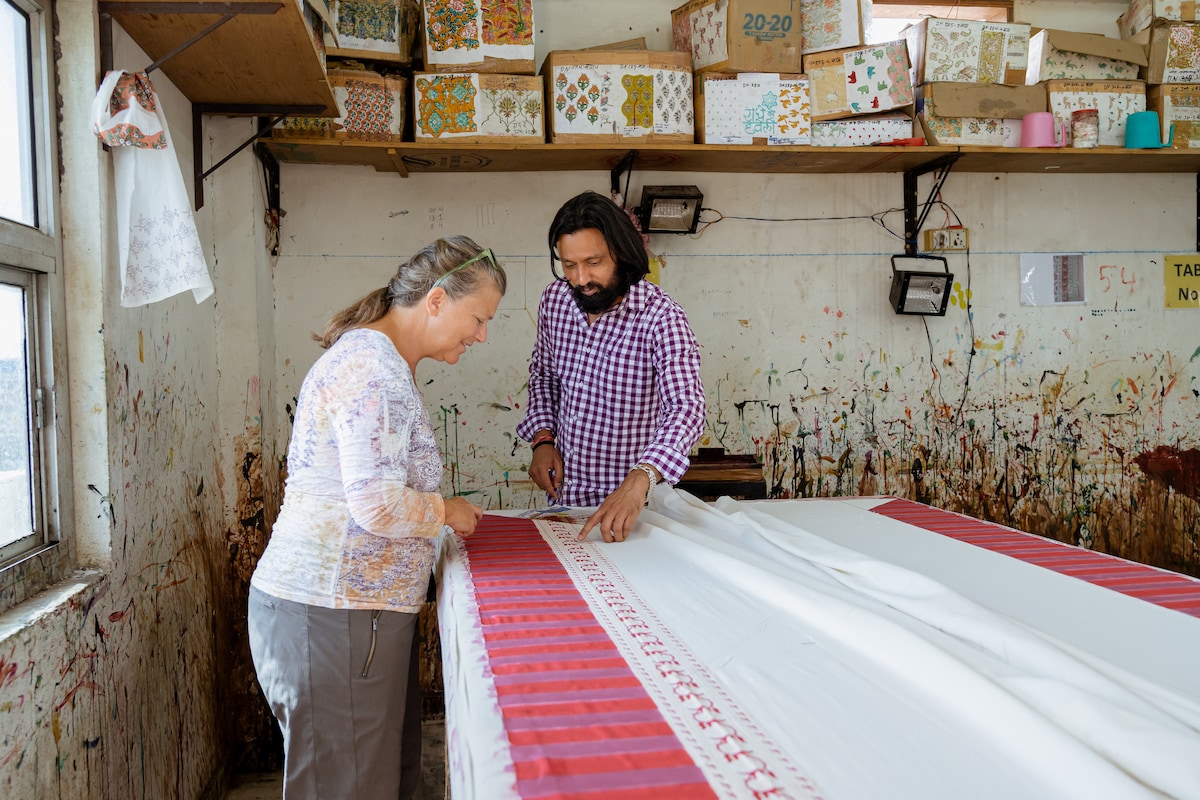
Create traditional handblock printed fabric
Wed, Feb 25 • 9:30 AM
Jaipur, Rajasthan, 302015, India
View details
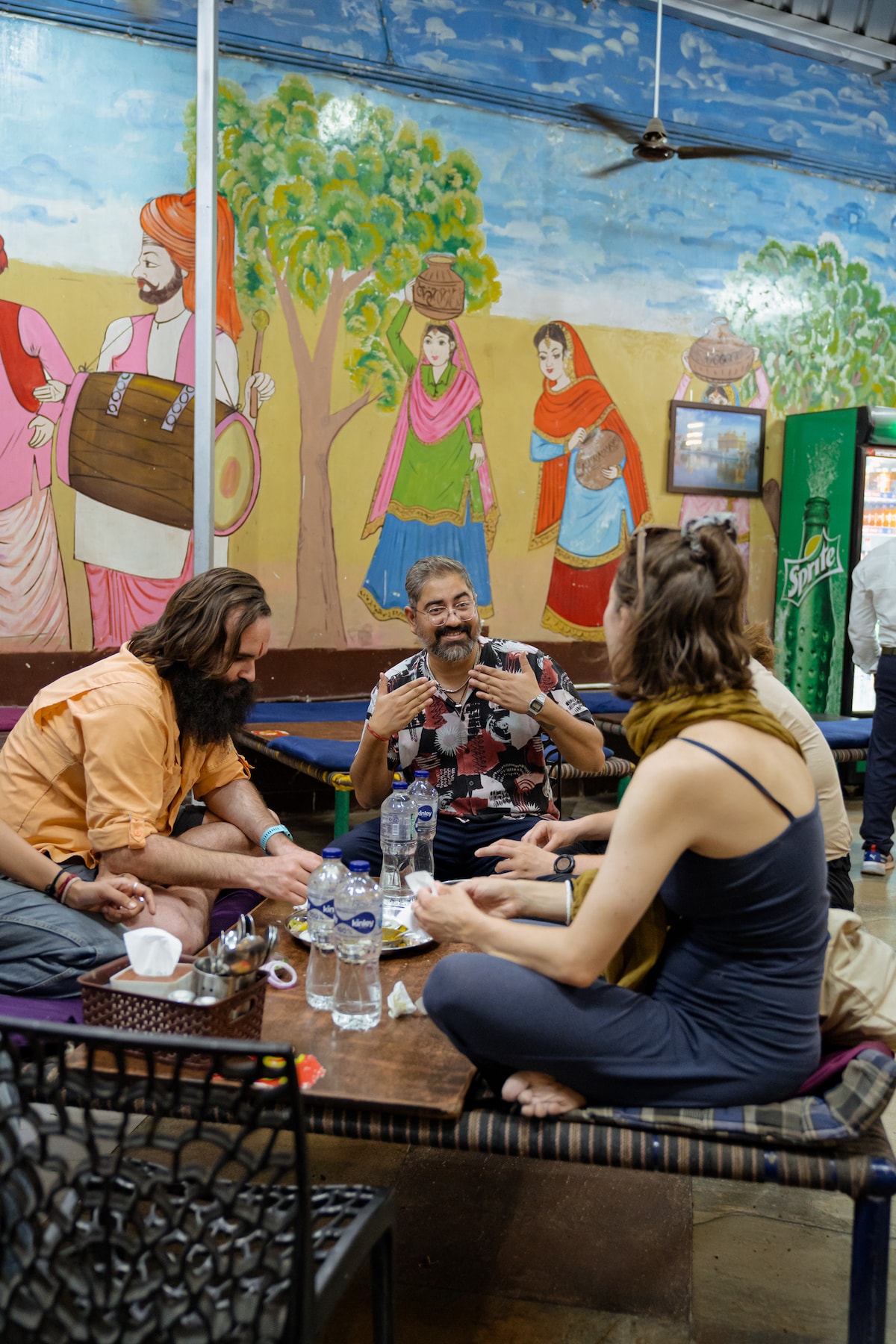
Eat like a local on Jaipur’s street food tour
Tue, Feb 24 • 6:30 PM
Jaipur, Rajasthan, 302007, India
View details
Nearby attractions of Amrapali Museum
Jaipur Virasat Foundation RRAP Music Museum & Hub
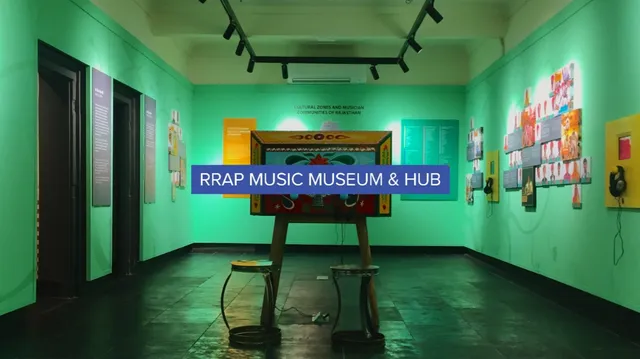
Jaipur Virasat Foundation RRAP Music Museum & Hub
4.7
(109)
Open 24 hours
Click for details
Nearby restaurants of Amrapali Museum
Tea Connect
Handi restaurant jaipur
Club Alpha
SKYZA Rooftop Lounge
Brewlicious Rooftop Bar Restaurant in Jaipur
Mamu's Infusion Restaurant
Grand indiana restaurant And Banquet best restaurant in Jaipur
KafeVille
Jaipur Modern - Store & Kitchen
Kanha Restaurant
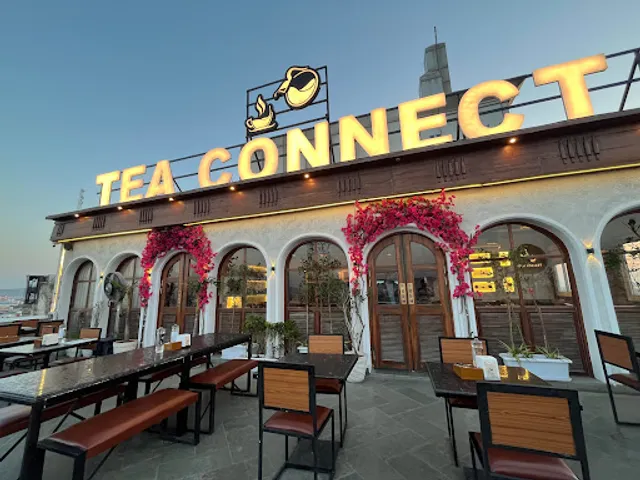
Tea Connect
4.7
(328)
Open until 11:00 PM
Click for details
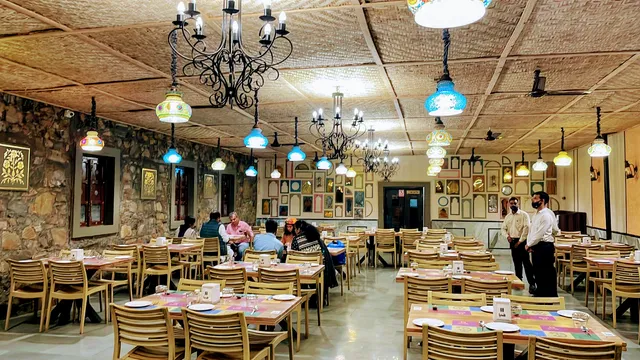
Handi restaurant jaipur
4.1
(5.1K)
$$
Open until 11:00 PM
Click for details

Club Alpha
4.0
(123)
Open until 12:00 AM
Click for details

SKYZA Rooftop Lounge
4.3
(1.6K)
$$
Open until 1:00 AM
Click for details
Nearby local services of Amrapali Museum
Amrapur Darbar
Man Upasana
Trimurty V-Jai City Point
Organic India Store - Ashok Nagar, Jaipur
Standard Chartered Jaipur Branch
Artryst
X CORE Fitness - Gym & Fitness Center | C-scheme Jaipur
Chomu House
Giani's Ice Creams
Jal Mahal Ice Cream Parlour
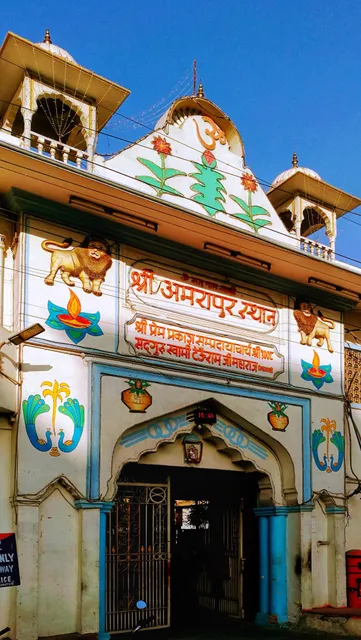
Amrapur Darbar
4.6
(694)
Click for details

Man Upasana
4.6
(641)
Click for details
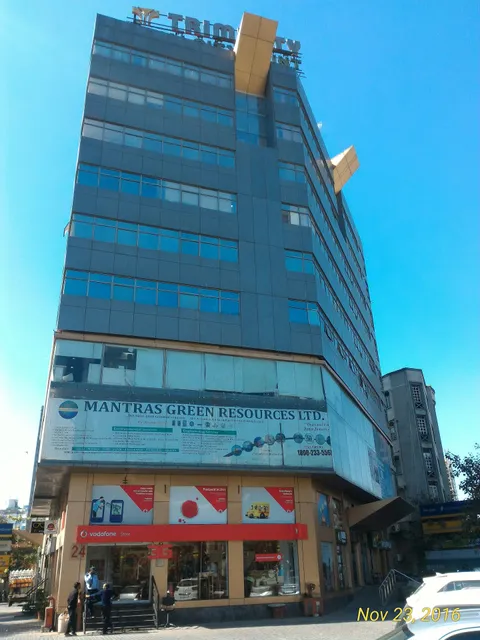
Trimurty V-Jai City Point
3.9
(22)
Click for details
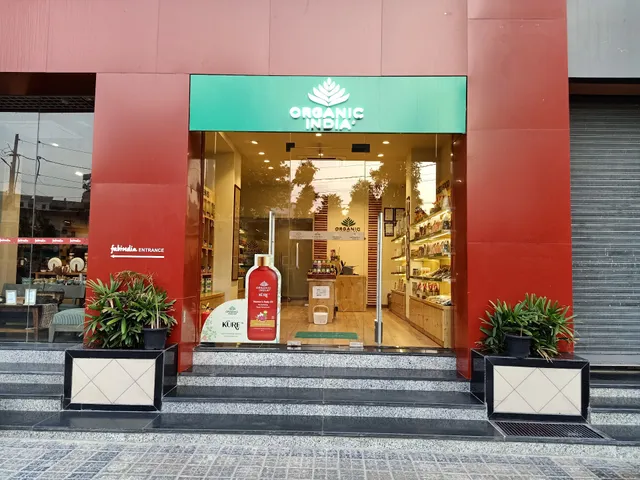
Organic India Store - Ashok Nagar, Jaipur
4.9
(101)
Click for details