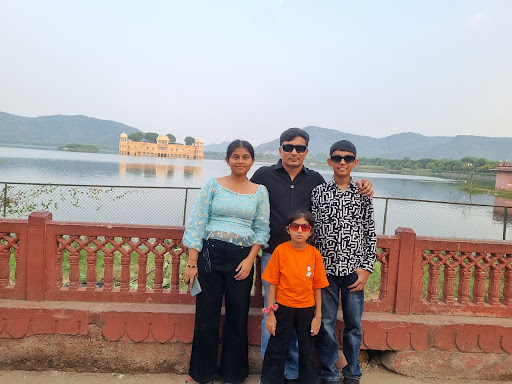
Jal Mahal Jaipur
Jal Mahal Jaipur 2024 Update
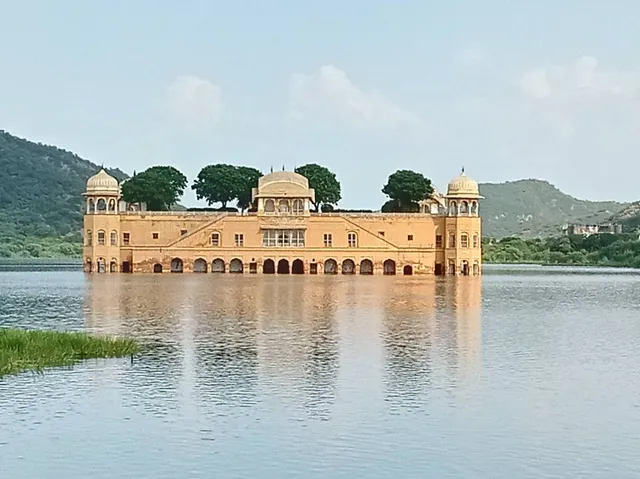
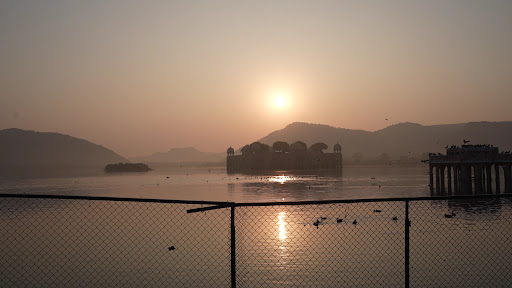
As of 2024, Jal Mahal in Jaipur remains a prominent landmark and tourist attraction. The palace, constructed in the center of Man Sagar Lake, has five storeys, with only one visible above water and the other four submerged.
Current Status and Plans
There are plans underway to recreate a rooftop garden at Jal Mahal, similar to the one at Amer Palace in Jaipur. However, no specific completion date or details have been provided.
Nearby Attractions
Visitors to Jal Mahal can also explore nearby attractions, including:
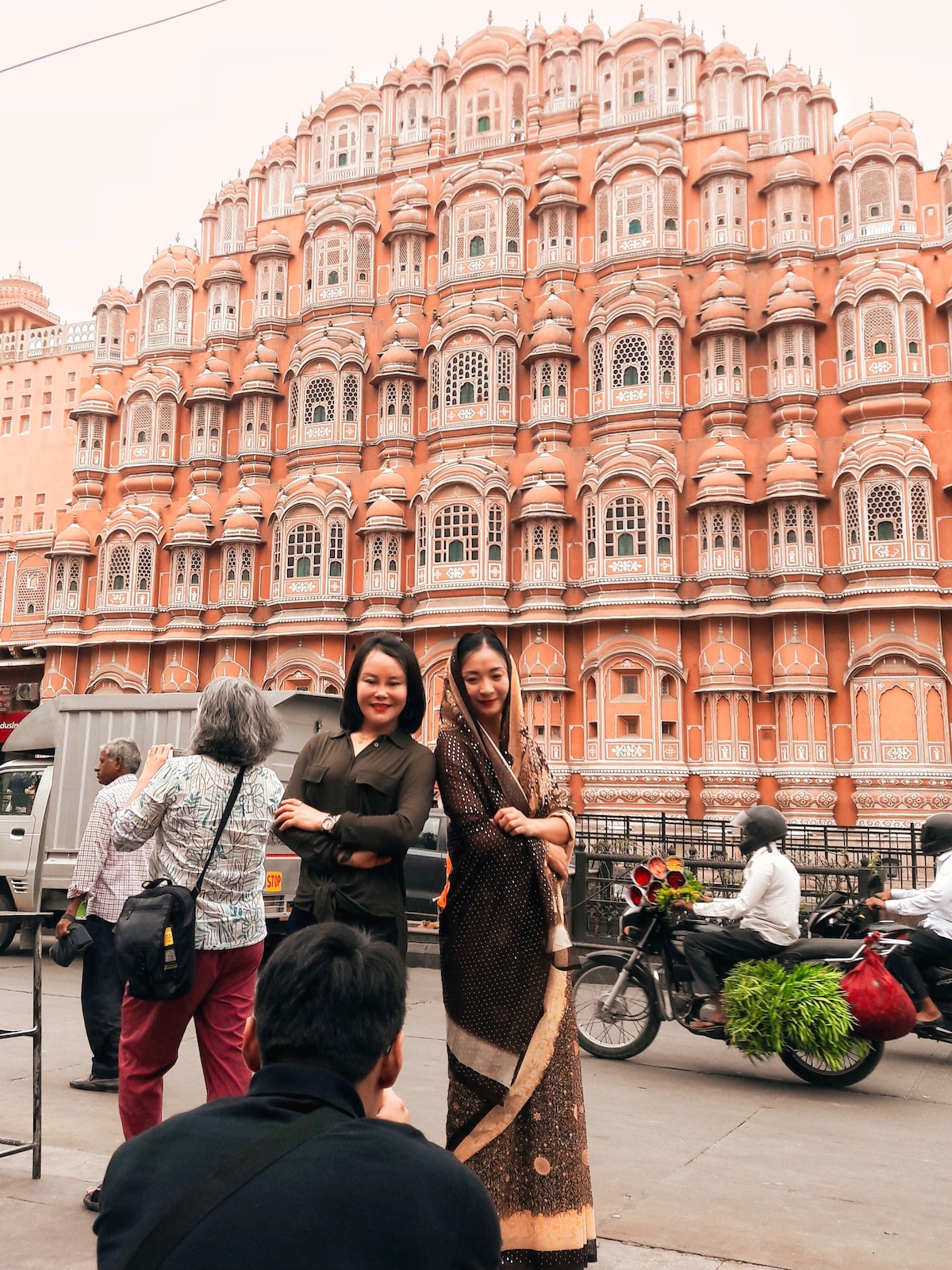
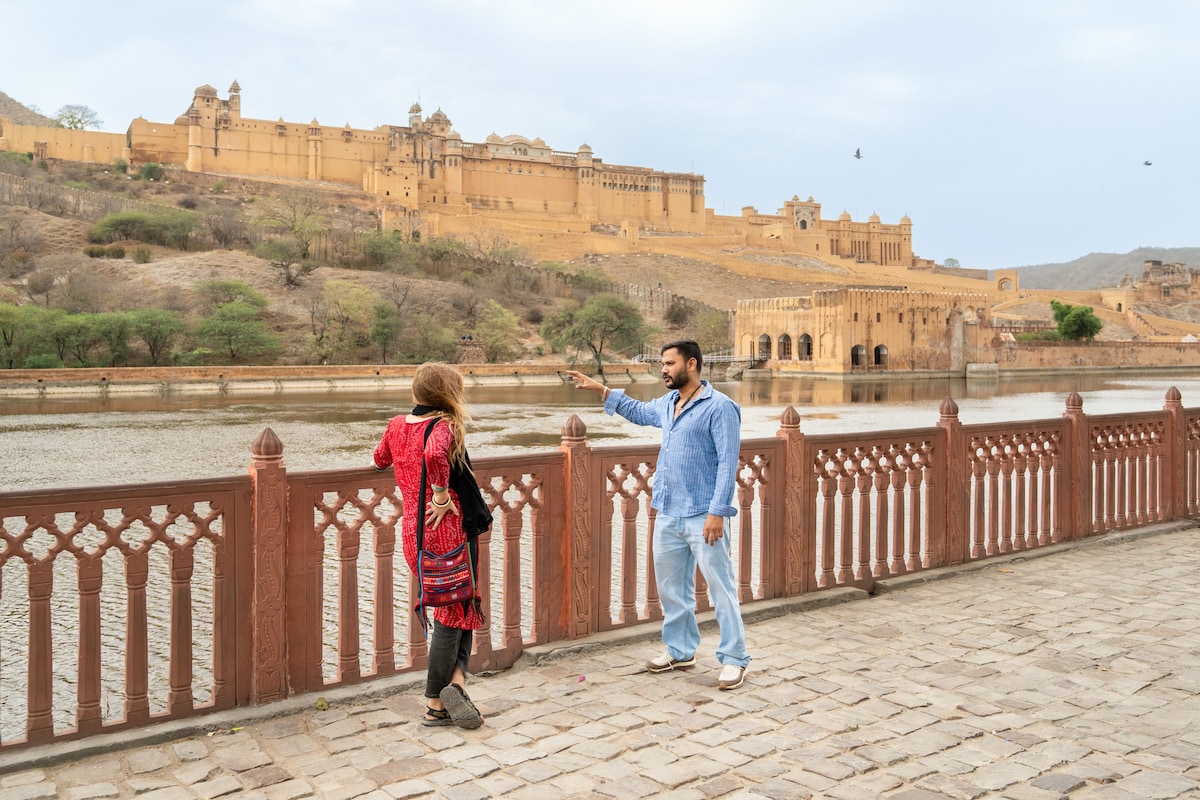
City Palace (4.4 km) Amer Fort (4 km) Albert Hall Museum (6 km) Kanak Vrindavan Mahal (1.4 km) Anokhi Museum (5.2 km) Jantar Mantar (6.1 km) Hawa Mahal (6.2 km) Jaigarh Fort (6.6 km) Rambagh Palace (9 km)
Accessibility
Jal Mahal is easily accessible by bus, auto, and taxis, with the nearest bus stop being Shahpura Bagh, 200 m away. Jal Mahal Jaipur Entry Fee N/A Jal Mahal in Jaipur
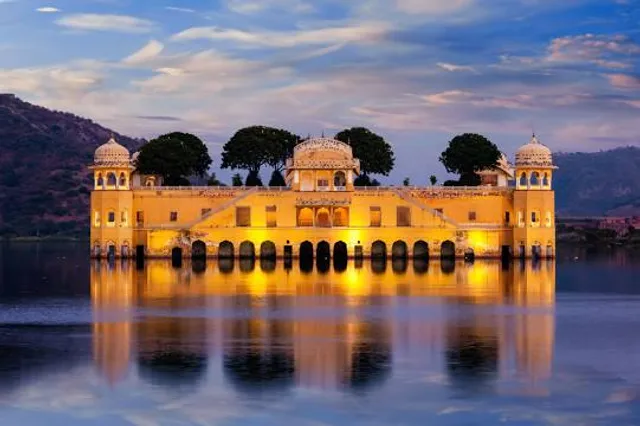
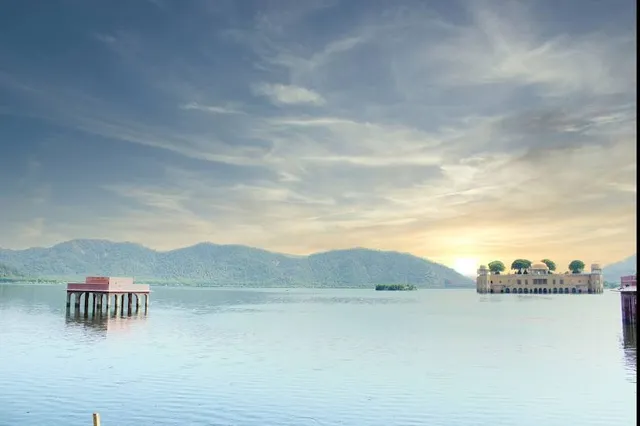
Jal Mahal, also known as the Water Palace, is a stunning architectural marvel located in the middle of the Man Sagar Lake in Jaipur, Rajasthan. This 18th-century palace is a perfect blend of Rajput and Mughal styles, showcasing intricate designs and vibrant colors.
History and Architecture
Built by Maharaja Madho Singh I in 1750, Jal Mahal was initially intended as a simple hunting lodge for the king's duck shooting excursions. Later, his son, Maharaja Madho Singh II, enhanced the palace's beauty by adding courtyard gardens and modifying the exterior design. The palace's five-story structure is made of red sandstone, with only one floor visible above water level, while the remaining four floors remain submerged. The unique design allows the palace to withstand the lake's water pressure, with specially designed lime mortar preventing seepage.
Features and Attractions
Panoramic Views: Jal Mahal offers breathtaking views of the lake and the surrounding Nahargarh hills. Rajput Architecture: The palace's design reflects the traditional Rajput style, with ornate carvings, arches, and domes. Submerged Levels: The four submerged floors of the palace are a testament to the innovative engineering and design of the time. Chhatris: The palace features Chhatris, or umbrellas, on its corners and roof, a typical feature of Rajput architecture. Gardens: Although the original gardens are no longer intact, the palace's inner courtyards still feature arched passages and lush greenery.
Visiting Information
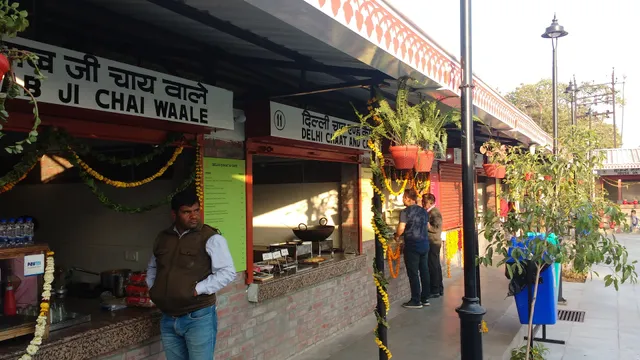
Location: Jal Mahal is situated in the middle of Man Sagar Lake, Jaipur. Best Time to Visit: October and November are ideal months to visit, with pleasant weather and fewer tourists. Accessibility: The palace is not open to the general public, but visitors can view it from the lake's banks or take a boat ride to get a closer look. Street Food and Vendors: The surrounding area offers street food and vendors, making it a lively spot in the evenings.
Interesting Facts
Jal Mahal was declared a protected area by the government, restricting entry to the palace. The palace's restoration project aimed to repair subsidence and water seepage issues. The surrounding Man Sagar Lake has undergone significant renovations, including dredging, water treatment, and habitat restoration.
Conclusion
Jal Mahal Jaipur is a majestic water palace that showcases the region's rich architectural heritage. Its unique design, stunning views, and serene surroundings make it a must-visit attraction for anyone interested in history, architecture, or simply experiencing the...
Read moreJal Mahal is one of the most iconic and serene places to visit in Jaipur. Nestled in the middle of Man Sagar Lake, this architectural marvel offers a perfect blend of natural beauty and historical significance. My recent visit left me with a mix of awe and a few observations, making it a memorable yet slightly bittersweet experience. If you’re an early riser, Jal Mahal at sunrise is an absolute treat. The first rays of sunlight illuminating the palace and the surrounding Aravalli hills create a magical scene. The soft hues of the sky reflecting off the palace and the still waters of the lake are nothing short of breathtaking. It’s the kind of beauty that makes you pause and admire the artistry of both nature and human ingenuity. For photographers, especially those capturing landscape or pre-wedding shoots, this is an unbeatable location. The golden light of the early morning transforms the palace into a dreamy backdrop. Watching the sunrise here is a peaceful experience that connects you to the tranquility of the environment, making it worth visiting even if you’re not taking photos. One thing you’ll notice immediately is the crowd of couples and photographers busy with pre-wedding shoots. The picturesque setting, with the palace in the background and the lake surrounding it, makes Jal Mahal a sought-after location for capturing timeless memories. While this adds a lively vibe to the area, it can get a little crowded, especially if you’re hoping for solitude. Unfortunately, the water in Man Sagar Lake is not as pristine as one might hope. Over time, pollution has taken a toll on the lake, and its condition could certainly be improved. The murky water somewhat diminishes the charm of the place, especially when you imagine how much more beautiful it could be with cleaner surroundings. I sincerely hope that efforts are made to restore the lake to its former glory, as it would enhance the overall experience for visitors. Despite the water quality and the occasional bustle of photographers, the environment around Jal Mahal remains peaceful and soothing. The area is surrounded by greenery and the gentle sounds of birds, making it a perfect escape from the hustle and bustle of the city. Sitting by the lake in the early morning, you can feel a sense of calm that’s hard to find in urban settings.
Suggestions for Improvement
While Jal Mahal is undeniably beautiful, there are areas where it could be improved to offer an even better experience for visitors: Lake Maintenance: The local authorities could focus on cleaning and preserving the water in Man Sagar Lake. A cleaner lake would undoubtedly enhance the charm of Jal Mahal. Crowd Management: While the pre-wedding shoot crowds add vibrancy, a better system for managing the influx of photographers and visitors would help maintain the tranquility of the place. Accessibility and Amenities: Adding more seating areas and clean restrooms nearby would make the visit more comfortable for tourists. Jal Mahal is a unique and iconic attraction in Jaipur, and despite its minor flaws, it remains a must-visit spot for anyone exploring the city. The beauty of the palace, especially during sunrise, is unforgettable and well worth experiencing. While the lake’s water quality and the crowd could use some improvement, the overall peaceful ambiance and stunning views more than make up for it. Whether you’re a traveler looking to soak in the beauty of Jaipur or a couple searching for a perfect pre-wedding shoot location, Jal Mahal offers something special for everyone. With some care and attention to its surroundings, this gem could truly shine even brighter...
Read moreJal Mahal, literally meaning “Water Palace”, is one of Jaipur’s most enchanting sights. Set in the middle of the tranquil Man Sagar Lake, this palace appears to float on the water, surrounded by the Aravalli Hills. Though entry inside the palace is restricted for visitors, the view from the lakeside is so stunning that it’s worth stopping for every time you pass by.
🕌 Architecture & Beauty
The palace was originally built by Maharaja Madan Singh in the 18th century and later renovated by Maharaja Jai Singh II of Amber.
The structure showcases a graceful blend of Rajput and Mughal architecture, built with red sandstone.
Interestingly, four of its five stories remain submerged under the lake water when it’s full, while the top floor appears to float majestically above.
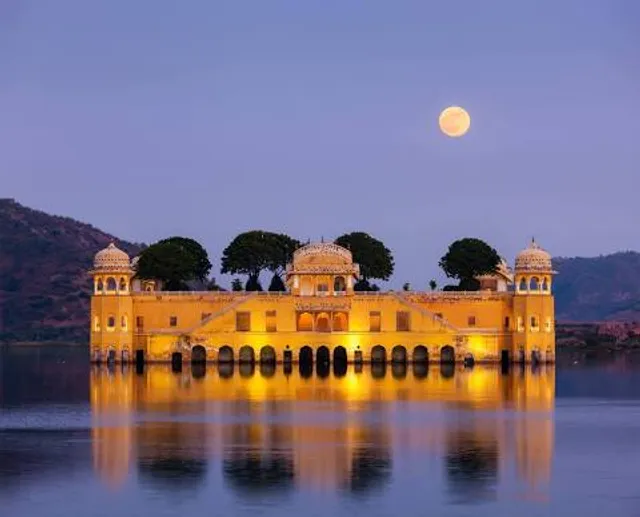
At sunset or sunrise, the golden reflection of Jal Mahal on the still water makes for one of the most magical scenes in Jaipur.
🌅 Experience
Standing by the lakeside promenade, the calm water, gentle breeze, and bird calls (especially migratory birds during winter) create a peaceful atmosphere. It’s a favorite spot for photographers, couples, and families alike. The evenings are particularly beautiful when the palace is softly lit and the surrounding hills glow under the fading sunlight.
Even though you cannot go inside, the serenity of the lake and view of the floating palace make it one of the most relaxing and romantic stops in the city
🛍️ Nearby Area & Facilities
The roadside area near Jal Mahal is well-developed with souvenir shops, local snacks, and tea stalls.
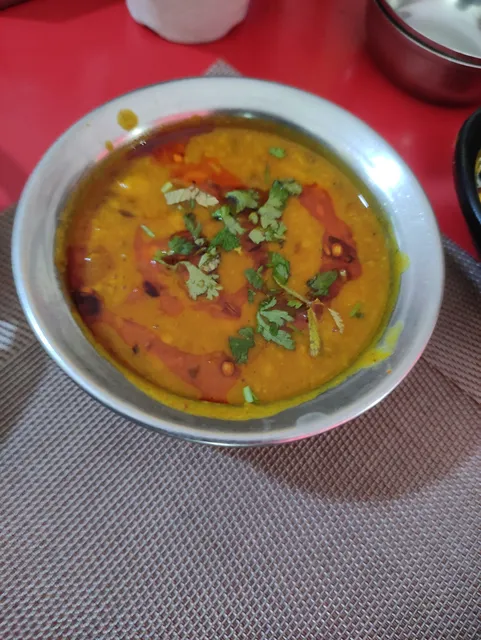
You can enjoy Rajasthani street food, like roasted corn (bhutta) or kulhad chai, while admiring the view.
Locals often gather in the evening, giving the place a lively yet laid-back vibe.
⚠️ Things to Note
Entry inside Jal Mahal is not allowed for the general public. Visitors can only view it from the lakeside promenade.
The area can get crowded during weekends, so visiting in the early morning or just before sunset is better.
Street vendors and photographers may approach you frequently; polite refusal works if you’re not interested.
During monsoon or after heavy rains, the lake looks especially full and beautiful.
💡 Tips for Visitors
Visit around 6–8 AM or 5–7 PM for the best light and pleasant temperature.
Carry a camera or phone — it’s one of the most photographed sites in Jaipur.
Try some local snacks or tea while soaking in the view.
Combine Jal Mahal with a trip to Amber Fort or Nahargarh Fort since it’s on the same route.
💬 Final Verdict
Jal Mahal is a gem of Jaipur — elegant, peaceful, and photogenic. Even without entry access, the beauty of the floating palace and the serene atmosphere make it a must-see stop for every traveler. The reflection of the palace on the still lake is truly mesmerizing — a perfect symbol of Jaipur’s royal grace and natural charm.
Overall: A short but unforgettable stop that captures the essence of the Pink...
Read more