Madhavendra Palace things to do, attractions, restaurants, events info and trip planning
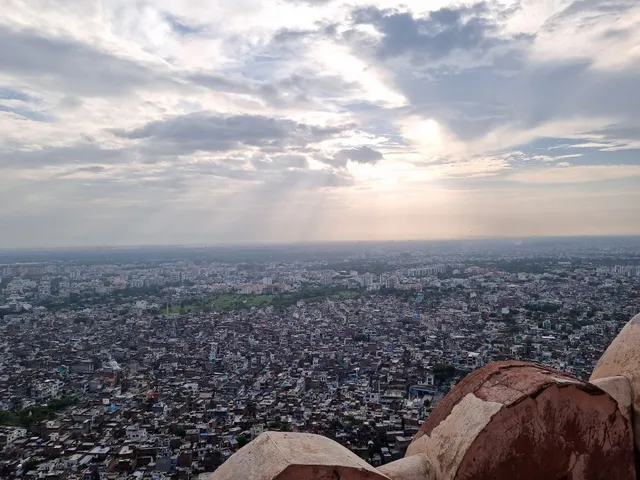
Basic Info
Madhavendra Palace
WRP8+Q7M, Krishna Nagar, Brahampuri, Jaipur, Rajasthan 302001, India
4.7(35)
Open 24 hours
Save
spot
spot
Ratings & Description
Info
attractions: Jaipur Wax Museum Nahargarh Fort, Step well of Nahargarh Fort Jaipur, Nahargarh Fort, Shri Radha Gopinath Ji Temple, Jaipur, restaurants: Deewan-e-Khas, Nahargarh Palace Hotel, Padao Restaurant, Nahargarh view rooftop restaurant & hotel, Karma Haveli, CFF_JAIPUR (CHATKARA FAST FOOD), Rohit Bhaiya Vada Pav, Cake Junction Jaipur, Busya Samosa Kachori Wala, Sharma Pavitra Bhojanalay, local businesses:
 Learn more insights from Wanderboat AI.
Plan your stay

Pet-friendly Hotels in Jaipur Municipal Corporation
Find a cozy hotel nearby and make it a full experience.

Affordable Hotels in Jaipur Municipal Corporation
Find a cozy hotel nearby and make it a full experience.

The Coolest Hotels You Haven't Heard Of (Yet)
Find a cozy hotel nearby and make it a full experience.

Trending Stays Worth the Hype in Jaipur Municipal Corporation
Find a cozy hotel nearby and make it a full experience.
Reviews
Live events
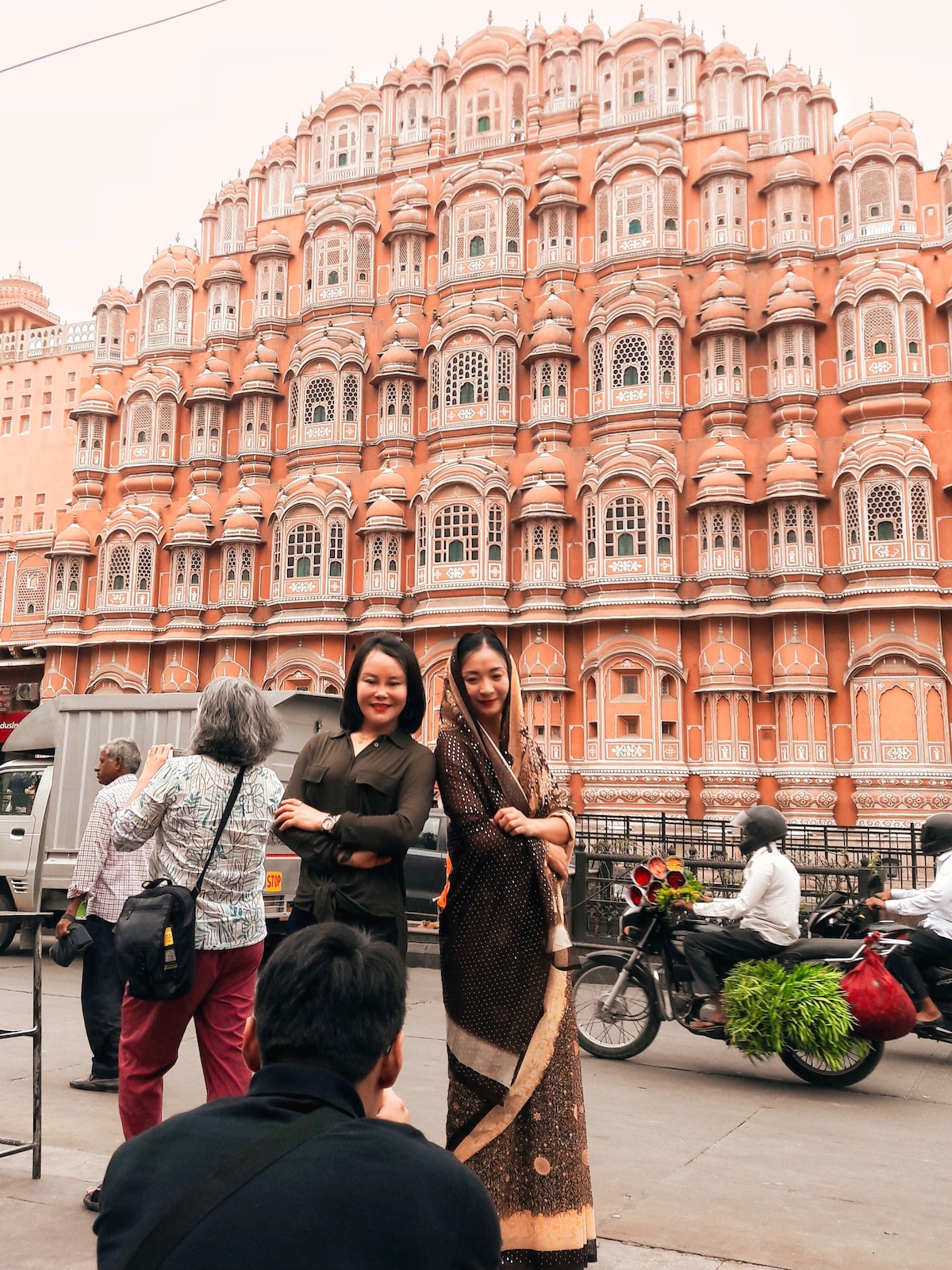
Hidden Gems of Pinkcity & Block Printing Workshop
Mon, Feb 16 • 8:00 AM
Jaipur, Rajasthan, 302001, India
View details
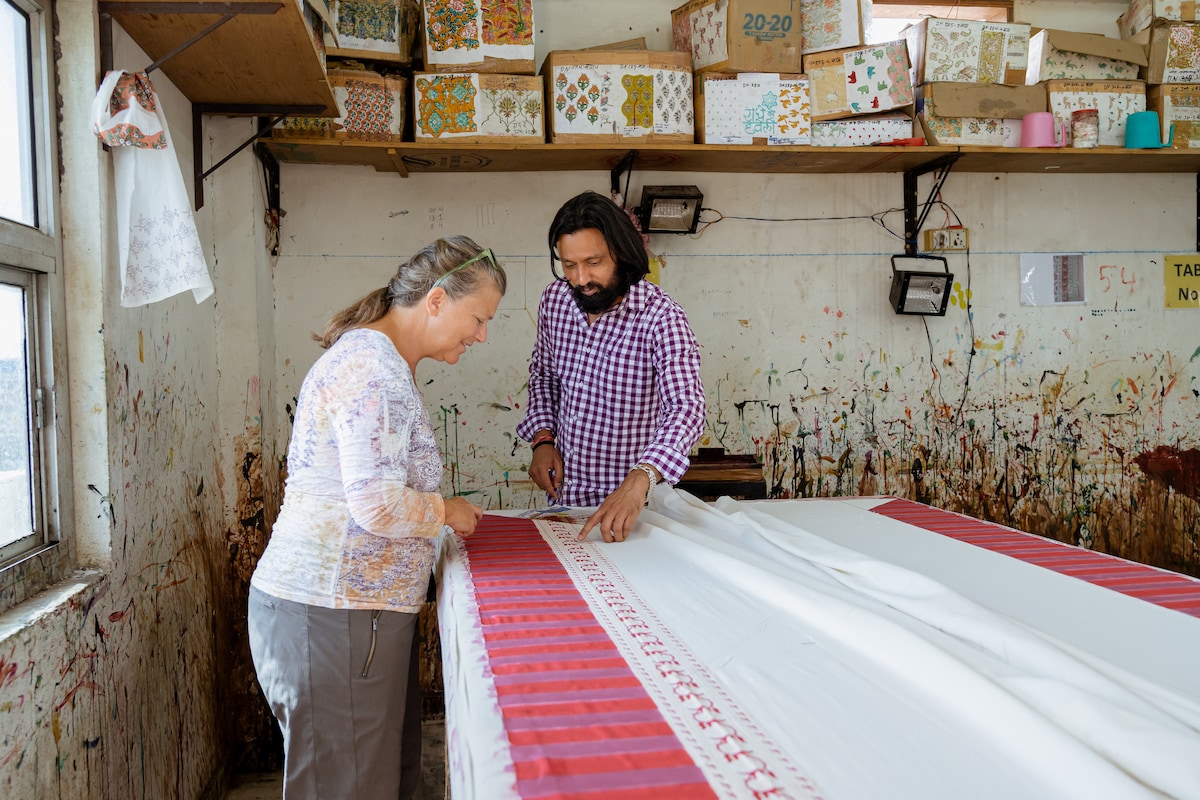
Create traditional handblock printed fabric
Mon, Feb 16 • 9:30 AM
Jaipur, Rajasthan, 302015, India
View details
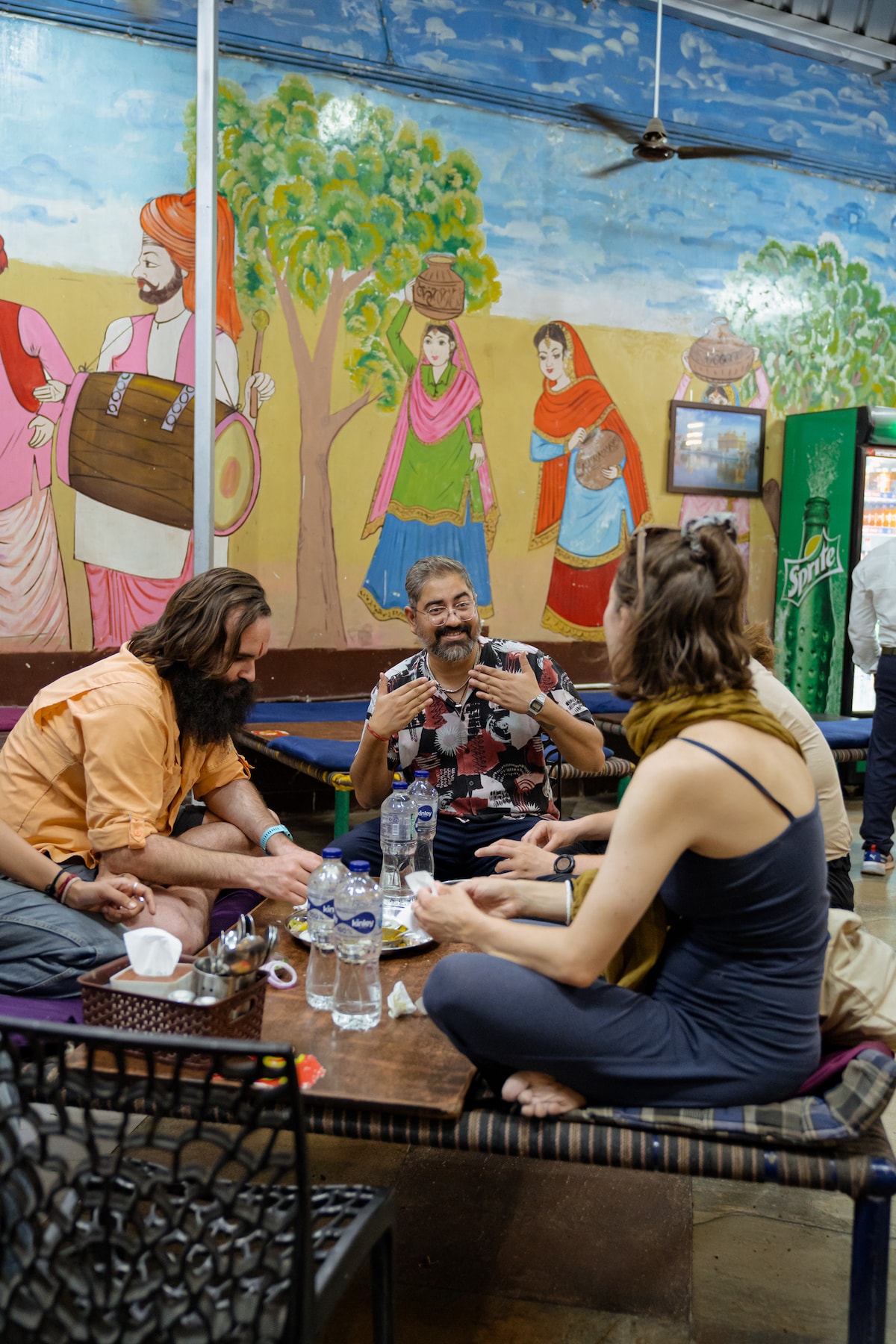
Eat like a local on Jaipur’s street food tour
Sun, Feb 15 • 6:30 PM
Jaipur, Rajasthan, 302007, India
View details
Nearby attractions of Madhavendra Palace
Jaipur Wax Museum Nahargarh Fort
Step well of Nahargarh Fort Jaipur
Nahargarh Fort
Shri Radha Gopinath Ji Temple, Jaipur
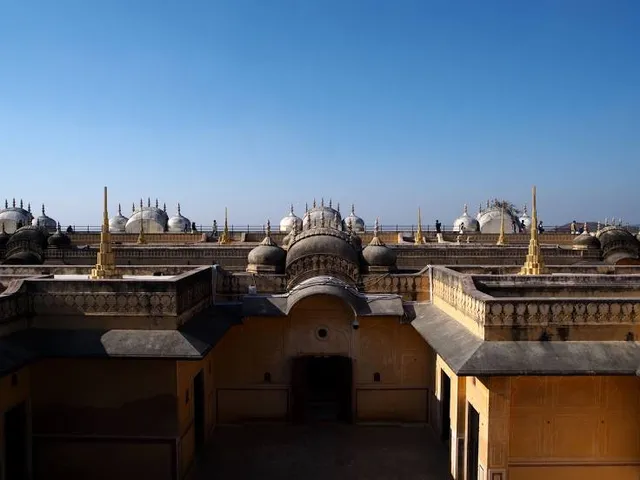
Jaipur Wax Museum Nahargarh Fort
4.3
(1.4K)
Closed
Click for details
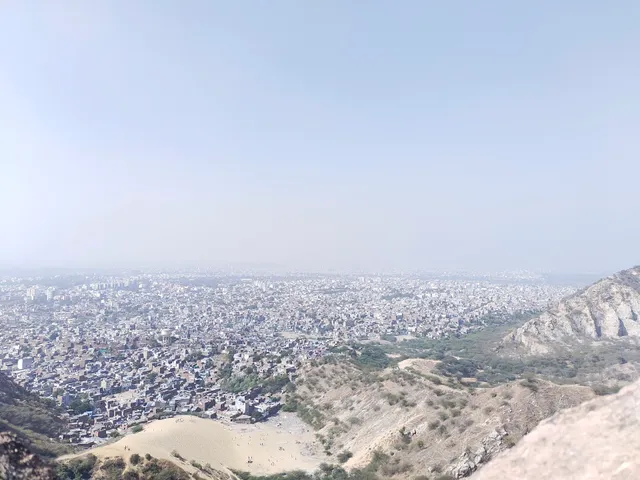
Step well of Nahargarh Fort Jaipur
4.5
(30)
Open 24 hours
Click for details
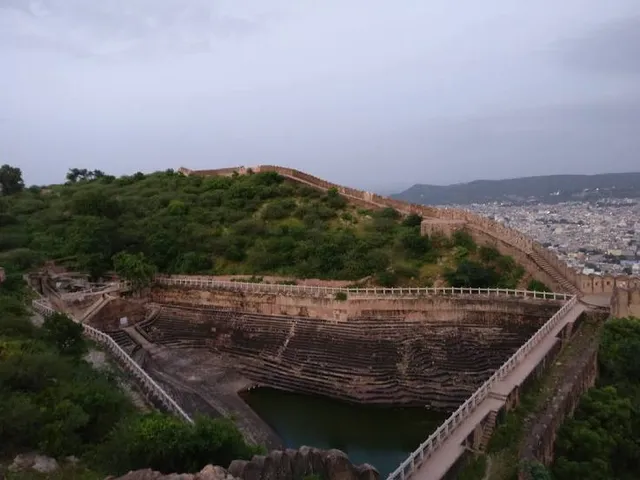
Nahargarh Fort
4.5
(42)
Closed
Click for details
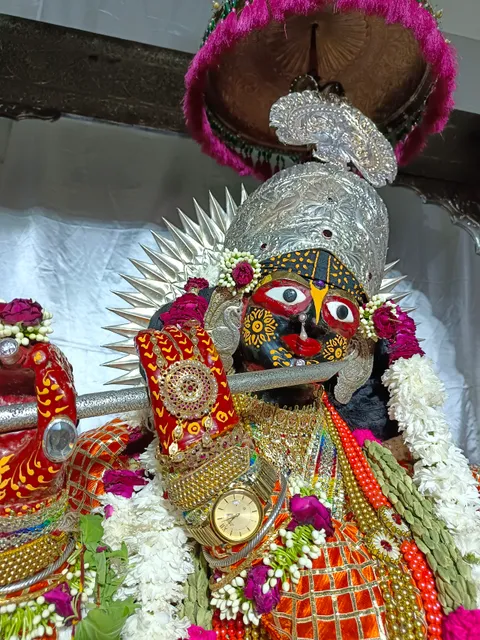
Shri Radha Gopinath Ji Temple, Jaipur
4.8
(1.5K)
Open until 8:30 PM
Click for details
Nearby restaurants of Madhavendra Palace
Deewan-e-Khas
Nahargarh Palace Hotel
Padao Restaurant
Nahargarh view rooftop restaurant & hotel
Karma Haveli
CFF_JAIPUR (CHATKARA FAST FOOD)
Rohit Bhaiya Vada Pav
Cake Junction Jaipur
Busya Samosa Kachori Wala
Sharma Pavitra Bhojanalay
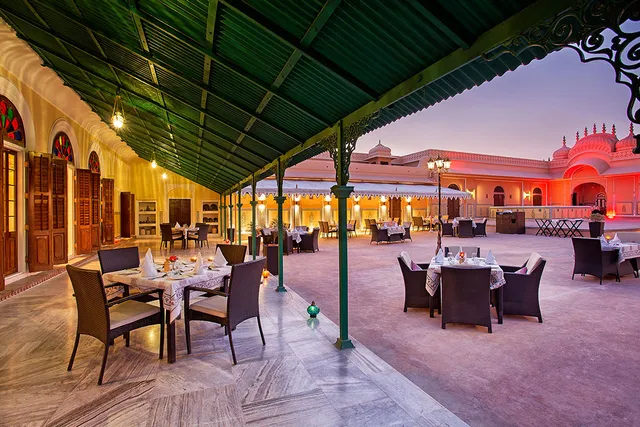
Deewan-e-Khas
4.1
(201)
Open until 10:00 PM
Click for details
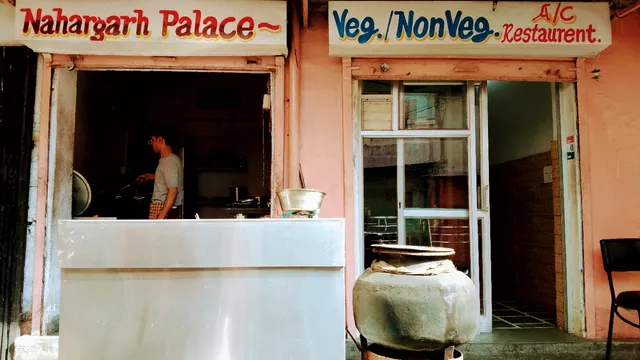
Nahargarh Palace Hotel
4.3
(520)
Click for details
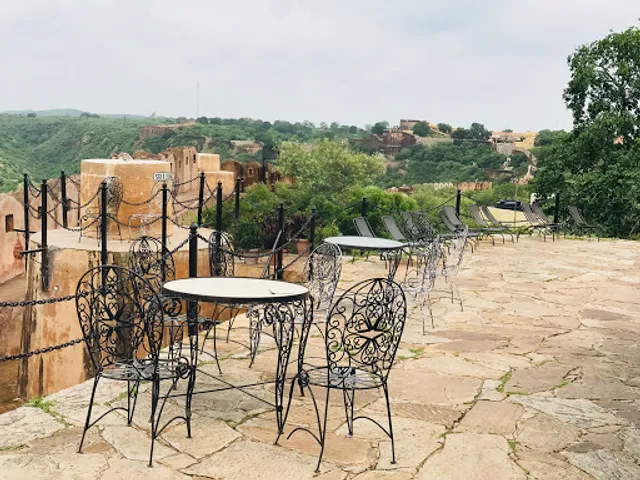
Padao Restaurant
3.9
(1.6K)
$$
Open until 10:30 PM
Click for details
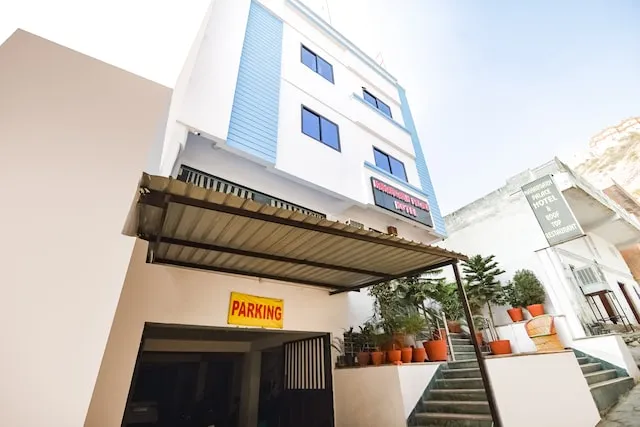
Nahargarh view rooftop restaurant & hotel
4.9
(40)
Click for details