HTML SitemapExplore
logo
Find Things to DoFind The Best Restaurants

Hari Parbat Fort — Attraction in Jammu and Kashmir

Name
Hari Parbat Fort
Description
Nearby attractions
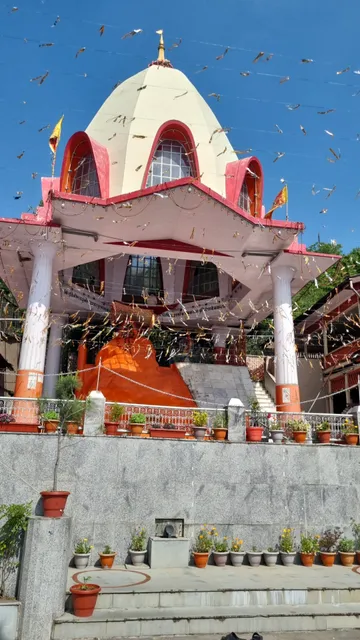
Shri Chakreshwari Devi Temple (Sharika Mata Temple)
4R58+FGP, Botaraj Colony, Srinagar, Jammu and Kashmir 190003
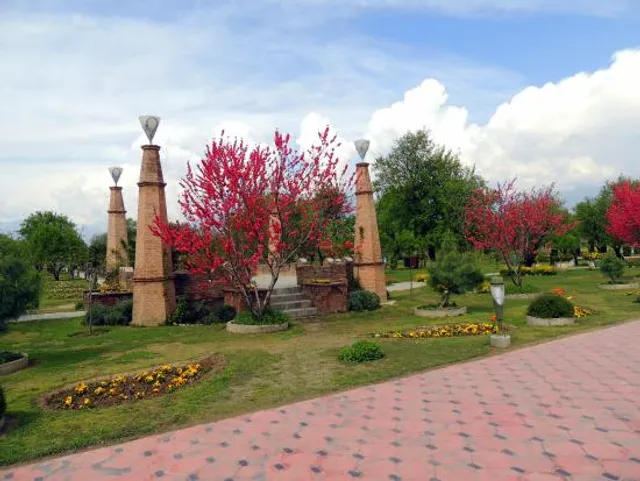
Badam Wari Park
Kathi Darwaza, Botaraj Colony, Srinagar, Jammu and Kashmir 190003
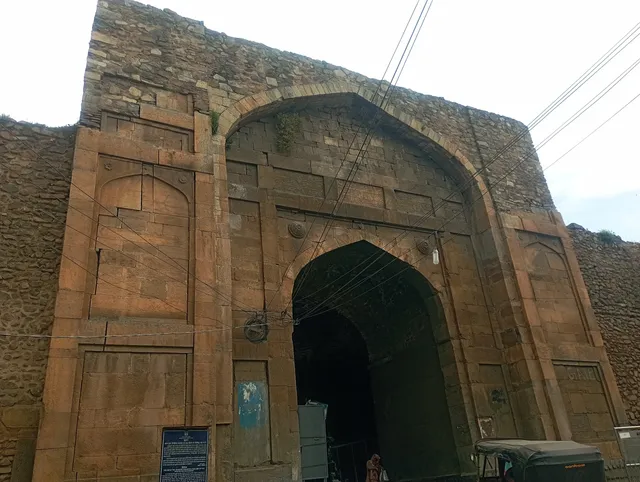
Kathi Darwaza
4R3C+FJR, Kathi Darwaza - Haati Khan Rd, Saidakadal A, Botaraj Colony, Srinagar, Jammu and Kashmir 190003
Nearby restaurants
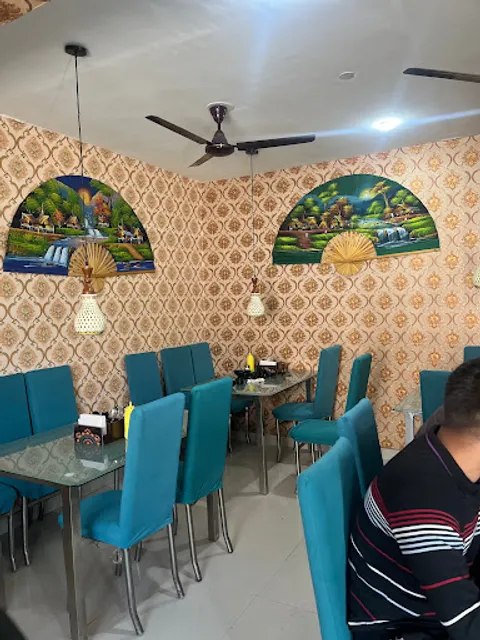
Momo shomo
4R57+R8H, Hawal - Sangeen Darwaza Rd, near tibetan colony, Badaamwari, Srinagar, 190003
Momo Xpress
4R45+5FQ, Hawal, Srinagar, 190002
Tibetan momos
4R56+J5W, Hawal - Sangeen Darwaza Rd, Badaamwari, Srinagar, Jammu and Kashmir 190002
Al Baik Hawal
Kralpora Rd, Hawal, Srinagar, Jammu and Kashmir 190002
7 Days Resturant
NH 1D,, Nowhatta, opposite Jamia Masjid, Srinagar, Jammu and Kashmir 190002
Shahi Pakwaan Restaurant
Nowhatta Chowk, opposite Cute Electronics, Nowhatta, Srinagar, Jammu and Kashmir 190002
Pizzeria
Jamia Masjid, Nowhatta, Srinagar, Jammu and Kashmir 190002
Kathi junction downtown
Nowhatta Chowk, Nowhatta, Srinagar, Jammu and Kashmir 190002
Nearby hotels
Hotel zulfikar
DD, bagh, hawal srinagar, Badaamwari, Others, Jammu and Kashmir 190003
Main Street Inn
4R3F+FXW, Saida Kadal Bridge, Karapura, Rainawari, Srinagar, Jammu and Kashmir 190003
Dream Live Stay Inn
Saidakadal A, Botaraj Colony, Srinagar, Jammu and Kashmir 190003
Related posts
Keywords
Hari Parbat Fort tourism.Hari Parbat Fort hotels.Hari Parbat Fort bed and breakfast. flights to Hari Parbat Fort.Hari Parbat Fort attractions.Hari Parbat Fort restaurants.Hari Parbat Fort travel.Hari Parbat Fort travel guide.Hari Parbat Fort travel blog.Hari Parbat Fort pictures.Hari Parbat Fort photos.Hari Parbat Fort travel tips.Hari Parbat Fort maps.Hari Parbat Fort things to do.
Hari Parbat Fort things to do, attractions, restaurants, events info and trip planning
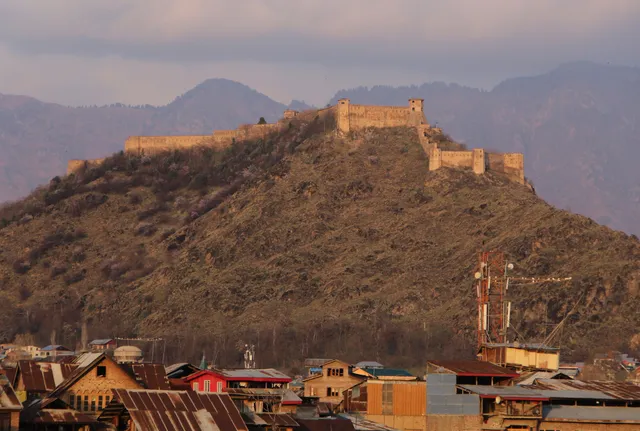
Hari Parbat Fort
IndiaJammu and KashmirHari Parbat Fort

Basic Info

Hari Parbat Fort

Nohata, Srinagar, Jammu and Kashmir 190003
4.4(2.2K)
Open 24 hours
Save
spot

Ratings & Description

Info

Cultural
Family friendly
attractions: Shri Chakreshwari Devi Temple (Sharika Mata Temple), Badam Wari Park, Kathi Darwaza, restaurants: Momo shomo, Momo Xpress, Tibetan momos, Al Baik Hawal, 7 Days Resturant, Shahi Pakwaan Restaurant, Pizzeria, Kathi junction downtown
logoLearn more insights from Wanderboat AI.

Plan your stay

hotel
Pet-friendly Hotels in Jammu and Kashmir
Find a cozy hotel nearby and make it a full experience.
hotel
Affordable Hotels in Jammu and Kashmir
Find a cozy hotel nearby and make it a full experience.
hotel
The Coolest Hotels You Haven't Heard Of (Yet)
Find a cozy hotel nearby and make it a full experience.
hotel
Trending Stays Worth the Hype in Jammu and Kashmir
Find a cozy hotel nearby and make it a full experience.

Reviews

Nearby attractions of Hari Parbat Fort

Shri Chakreshwari Devi Temple (Sharika Mata Temple)

Badam Wari Park

Kathi Darwaza

Shri Chakreshwari Devi Temple (Sharika Mata Temple)

Shri Chakreshwari Devi Temple (Sharika Mata Temple)

4.7

(71)

Open 24 hours
Click for details
Badam Wari Park

Badam Wari Park

4.4

(1.4K)

Open 24 hours
Click for details
Kathi Darwaza

Kathi Darwaza

4.4

(124)

Open 24 hours
Click for details

Nearby restaurants of Hari Parbat Fort

Momo shomo

Momo Xpress

Tibetan momos

Al Baik Hawal

7 Days Resturant

Shahi Pakwaan Restaurant

Pizzeria

Kathi junction downtown

Momo shomo

Momo shomo

3.4

(31)

Click for details
Momo Xpress

Momo Xpress

4.2

(59)

Click for details
Tibetan momos

Tibetan momos

3.9

(6)

Click for details
Al Baik Hawal

Al Baik Hawal

3.9

(48)

Click for details
Get the Appoverlay
Get the AppOne tap to find yournext favorite spots!
Wanderboat LogoWanderboat

Your everyday Al companion for getaway ideas

CompanyAbout Us
InformationAI Trip PlannerSitemap
SocialXInstagramTiktokLinkedin
LegalTerms of ServicePrivacy Policy

Get the app

© 2025 Wanderboat. All rights reserved.
logo

Posts

Eon WaniEon Wani
Hari Parbat Fort: A Historical Marvel in Srinagar Nestled on the picturesque hills of Srinagar, Hari Parbat Fort stands as a testament to the rich historical and architectural heritage of the Kashmir Valley. This imposing structure, which has withstood the test of time, is a true marvel that offers a captivating journey into the past. Hari Parbat Fort is a striking example of Mughal architecture, built during the reign of Emperor Akbar in the late 16th century. Its design showcases a blend of Persian and Indian influences, making it a unique and significant landmark. The fort is strategically located on the Hari Parbat hill, offering breathtaking panoramic views of the Dal Lake and the surrounding landscape. The first thing that strikes any visitor is the impressive structure of the fort. Its massive walls, constructed using local brick and beautifully carved sandstone, not only serve as a defensive bastion but also showcase the architectural finesse of the Mughals. The outer walls of the fort are adorned with intricate floral patterns and inscriptions in Persian, adding an artistic touch to the imposing edifice. Hari Parbat Fort also holds deep historical significance. It is home to the revered Makhdoom Sahib Shrine, a sacred place of worship for the people of Kashmir. This spiritual significance is interwoven with the fort's historical narrative, making it a symbol of cultural and religious diversity. As you step inside the fort, the ancient stone pathways lead you through a series of historical structures, including the Shergarhi, the Akbar Gate, and the Parvateshwar Temple. The Shergarhi, also known as the Lion Gate, boasts beautiful frescoes and intricate artwork that transport you back in time. The Akbar Gate, an imposing gateway, reflects the grandeur and power of the Mughal era. The Parvateshwar Temple, dedicated to Lord Shiva, is a place of immense religious and architectural importance. The picturesque view of the Dal Lake from the fort is nothing short of breathtaking. The serene waters and the surrounding gardens make for a surreal backdrop that you won't want to miss capturing. Visiting Hari Parbat Fort is not just an architectural experience; it's a journey through the annals of history. As you explore the fort, you'll be fascinated by the tales of emperors and battles, the rise and fall of dynasties, and the cultural interplay that shaped the region. The well-maintained gardens surrounding the fort create a peaceful ambiance, inviting visitors to reflect on the bygone eras while appreciating the natural beauty of the surroundings. In conclusion, Hari Parbat Fort in Srinagar is an architectural gem that combines historical significance with breathtaking views and artistic beauty. It stands as a testament to the grandeur of the Mughal era and the rich heritage of the Kashmir Valley. A visit to this fort is not just a sightseeing excursion; it's an immersive journey through time, offering a profound insight into the region's culture and history. Whether you're a history enthusiast, an architecture lover, or simply a traveler seeking a unique experience, Hari Parbat Fort should undoubtedly be on your itinerary when visiting Srinagar.
MEHRAJ-U-DIN ASHAQMEHRAJ-U-DIN ASHAQ
One of the important symbols of Srinagar is Hari Parbat, built on a hill located on one side of the Dal-lake. It is also popular by the name Koh-e-Maraan. The name Hari Parbat is derived from an ancient legend. There was a time when the valley was full of demons. One such demon was Asura Jalobhava. The local Hindus prayed to Parvati (Lord Shiva’s wife) for help. She took the form of a Myna (Haer in Kashmiri), a bird of the Starling family (Sturnidae), native of South Asia; the Myna dropped a pebble on the Asura’s head. This pebble became larger and larger until it crushed the demon. That large stone now coated with vermilion is considered as a symbol of Parvati and is worshipped as Sharika (cosmic energy pervading the universe). It occupies middle part of the western slope of the hill where there is a temple of Shakti, who is worshipped under the familiar name of Jagdamba Sharika Bhagwati. She is depicted as having 18 arms and sitting in Shri Chakra (Chakreeshwar). This ancient temple is a very revered place for Kashmiri Pandits. The best time to go there is very early in the morning. In the days pre-1990, before the unfortunate Pandit exodus, one could see a large number of devotees with vermilion teekas (Tyok in Kashmiri) on their foreheads going up and down the hill. The first fortification of this site was done in 1590 by the Moghul emperor Akbar. He got an outer wall built in the form of a fort. It was a part of his plan to make a new capital at the site where the present city of Srinagar is located. This project never got completed. The present fort was built in 1808 under the Afghan regimen during the Durrani empire. The Governor of Kashmir those days was Atta Mohammed Khan. The fort can be entered through two gates. One, the Kathi Darwaza near Rainawari, and the other near Hawal through Sangeen Darwaza. The Southern side of Hari Parbat features the shrine of the Sufi saint Hazra Makhdoom, a 16th century saint later known as Makhdoom Sahab (1494- 1578). He was a mystic Sufi saint living in Kashmir often referred to as Mehboob-ul-Alam (loved by all). He was born in village near Sopore. His father was born in a Rajput Chandravanshi family and was famous as Baba Usman. As per the history Hamza Makhdoom studied in Shamsi Chak monastery and later was educated in jurisprudence, philosophy and mysticism in Ismail Kubrawal’s Madrassa. He directed his teachings specifically to the followers of Islam, and under his influence a part of Kashmir’s population truly followed the Sunni Islam. He passed away at the age of 82 and his shrine is located on the Southern slope of Hari Parbat hill.
Faizal AbbasFaizal Abbas
I recently had the pleasure of visiting the Hariparbat Archaeological Site in Srinagar, Kashmir, and I must say it was an intriguing experience that offered a glimpse into the rich history of the region. As a resident of Srinagar, I take great pride in exploring the cultural heritage that our city has to offer. The first thing that struck me about Hariparbat Archaeological Site was its magnificent location. Perched on a hill overlooking the city, the site provides breathtaking panoramic views of Srinagar and the surrounding mountains. It's a perfect spot to immerse oneself in the serenity of nature while exploring the historical remnants. The site itself is well-maintained, and the entrance fee is reasonable. As I walked through the ancient gates, I felt a sense of awe and curiosity. The site houses several structures and ruins, including a fort, temples, and a mosque, each with its unique architectural style. The intricate carvings and designs on the walls and pillars were a testament to the craftsmanship of the bygone era. One of the highlights of my visit was exploring the Makhdoom Sahib Shrine within the site. The peaceful atmosphere and spiritual aura were truly captivating. The shrine's intricate woodwork and colorful decorations added to its charm. It was a perfect place to pause, reflect, and soak in the spiritual energy. The Hariparbat Archaeological Site also offers a great opportunity for photography enthusiasts. The mix of ancient ruins against the backdrop of natural beauty provides ample opportunities for capturing memorable shots. I found myself clicking away, trying to preserve the essence of this unique site. However, I must mention that the site lacks detailed information boards or guided tours. It would have been helpful to have more signage or audio guides to better understand the historical significance of the structures. As a local, I was able to appreciate the site to some extent, but visitors unfamiliar with the region might find it challenging to fully grasp the historical context. Overall, my visit to Hariparbat Archaeological Site was a delightful experience that allowed me to connect with the history of my city. The breathtaking views, well-preserved ruins, and spiritual ambiance make it a worthy attraction to explore. With a few improvements in terms of information provision, it could become an even more enriching experience for visitors from all walks of life. I highly recommend a visit to this remarkable site for anyone interested in history, culture, and the beauty of Srinagar.
See more posts
See more posts
hotel
Find your stay

Pet-friendly Hotels in Jammu and Kashmir

Find a cozy hotel nearby and make it a full experience.

Hari Parbat Fort: A Historical Marvel in Srinagar Nestled on the picturesque hills of Srinagar, Hari Parbat Fort stands as a testament to the rich historical and architectural heritage of the Kashmir Valley. This imposing structure, which has withstood the test of time, is a true marvel that offers a captivating journey into the past. Hari Parbat Fort is a striking example of Mughal architecture, built during the reign of Emperor Akbar in the late 16th century. Its design showcases a blend of Persian and Indian influences, making it a unique and significant landmark. The fort is strategically located on the Hari Parbat hill, offering breathtaking panoramic views of the Dal Lake and the surrounding landscape. The first thing that strikes any visitor is the impressive structure of the fort. Its massive walls, constructed using local brick and beautifully carved sandstone, not only serve as a defensive bastion but also showcase the architectural finesse of the Mughals. The outer walls of the fort are adorned with intricate floral patterns and inscriptions in Persian, adding an artistic touch to the imposing edifice. Hari Parbat Fort also holds deep historical significance. It is home to the revered Makhdoom Sahib Shrine, a sacred place of worship for the people of Kashmir. This spiritual significance is interwoven with the fort's historical narrative, making it a symbol of cultural and religious diversity. As you step inside the fort, the ancient stone pathways lead you through a series of historical structures, including the Shergarhi, the Akbar Gate, and the Parvateshwar Temple. The Shergarhi, also known as the Lion Gate, boasts beautiful frescoes and intricate artwork that transport you back in time. The Akbar Gate, an imposing gateway, reflects the grandeur and power of the Mughal era. The Parvateshwar Temple, dedicated to Lord Shiva, is a place of immense religious and architectural importance. The picturesque view of the Dal Lake from the fort is nothing short of breathtaking. The serene waters and the surrounding gardens make for a surreal backdrop that you won't want to miss capturing. Visiting Hari Parbat Fort is not just an architectural experience; it's a journey through the annals of history. As you explore the fort, you'll be fascinated by the tales of emperors and battles, the rise and fall of dynasties, and the cultural interplay that shaped the region. The well-maintained gardens surrounding the fort create a peaceful ambiance, inviting visitors to reflect on the bygone eras while appreciating the natural beauty of the surroundings. In conclusion, Hari Parbat Fort in Srinagar is an architectural gem that combines historical significance with breathtaking views and artistic beauty. It stands as a testament to the grandeur of the Mughal era and the rich heritage of the Kashmir Valley. A visit to this fort is not just a sightseeing excursion; it's an immersive journey through time, offering a profound insight into the region's culture and history. Whether you're a history enthusiast, an architecture lover, or simply a traveler seeking a unique experience, Hari Parbat Fort should undoubtedly be on your itinerary when visiting Srinagar.
Eon Wani

Eon Wani

hotel
Find your stay

Affordable Hotels in Jammu and Kashmir

Find a cozy hotel nearby and make it a full experience.

Get the Appoverlay
Get the AppOne tap to find yournext favorite spots!
One of the important symbols of Srinagar is Hari Parbat, built on a hill located on one side of the Dal-lake. It is also popular by the name Koh-e-Maraan. The name Hari Parbat is derived from an ancient legend. There was a time when the valley was full of demons. One such demon was Asura Jalobhava. The local Hindus prayed to Parvati (Lord Shiva’s wife) for help. She took the form of a Myna (Haer in Kashmiri), a bird of the Starling family (Sturnidae), native of South Asia; the Myna dropped a pebble on the Asura’s head. This pebble became larger and larger until it crushed the demon. That large stone now coated with vermilion is considered as a symbol of Parvati and is worshipped as Sharika (cosmic energy pervading the universe). It occupies middle part of the western slope of the hill where there is a temple of Shakti, who is worshipped under the familiar name of Jagdamba Sharika Bhagwati. She is depicted as having 18 arms and sitting in Shri Chakra (Chakreeshwar). This ancient temple is a very revered place for Kashmiri Pandits. The best time to go there is very early in the morning. In the days pre-1990, before the unfortunate Pandit exodus, one could see a large number of devotees with vermilion teekas (Tyok in Kashmiri) on their foreheads going up and down the hill. The first fortification of this site was done in 1590 by the Moghul emperor Akbar. He got an outer wall built in the form of a fort. It was a part of his plan to make a new capital at the site where the present city of Srinagar is located. This project never got completed. The present fort was built in 1808 under the Afghan regimen during the Durrani empire. The Governor of Kashmir those days was Atta Mohammed Khan. The fort can be entered through two gates. One, the Kathi Darwaza near Rainawari, and the other near Hawal through Sangeen Darwaza. The Southern side of Hari Parbat features the shrine of the Sufi saint Hazra Makhdoom, a 16th century saint later known as Makhdoom Sahab (1494- 1578). He was a mystic Sufi saint living in Kashmir often referred to as Mehboob-ul-Alam (loved by all). He was born in village near Sopore. His father was born in a Rajput Chandravanshi family and was famous as Baba Usman. As per the history Hamza Makhdoom studied in Shamsi Chak monastery and later was educated in jurisprudence, philosophy and mysticism in Ismail Kubrawal’s Madrassa. He directed his teachings specifically to the followers of Islam, and under his influence a part of Kashmir’s population truly followed the Sunni Islam. He passed away at the age of 82 and his shrine is located on the Southern slope of Hari Parbat hill.
MEHRAJ-U-DIN ASHAQ

MEHRAJ-U-DIN ASHAQ

hotel
Find your stay

The Coolest Hotels You Haven't Heard Of (Yet)

Find a cozy hotel nearby and make it a full experience.

hotel
Find your stay

Trending Stays Worth the Hype in Jammu and Kashmir

Find a cozy hotel nearby and make it a full experience.

I recently had the pleasure of visiting the Hariparbat Archaeological Site in Srinagar, Kashmir, and I must say it was an intriguing experience that offered a glimpse into the rich history of the region. As a resident of Srinagar, I take great pride in exploring the cultural heritage that our city has to offer. The first thing that struck me about Hariparbat Archaeological Site was its magnificent location. Perched on a hill overlooking the city, the site provides breathtaking panoramic views of Srinagar and the surrounding mountains. It's a perfect spot to immerse oneself in the serenity of nature while exploring the historical remnants. The site itself is well-maintained, and the entrance fee is reasonable. As I walked through the ancient gates, I felt a sense of awe and curiosity. The site houses several structures and ruins, including a fort, temples, and a mosque, each with its unique architectural style. The intricate carvings and designs on the walls and pillars were a testament to the craftsmanship of the bygone era. One of the highlights of my visit was exploring the Makhdoom Sahib Shrine within the site. The peaceful atmosphere and spiritual aura were truly captivating. The shrine's intricate woodwork and colorful decorations added to its charm. It was a perfect place to pause, reflect, and soak in the spiritual energy. The Hariparbat Archaeological Site also offers a great opportunity for photography enthusiasts. The mix of ancient ruins against the backdrop of natural beauty provides ample opportunities for capturing memorable shots. I found myself clicking away, trying to preserve the essence of this unique site. However, I must mention that the site lacks detailed information boards or guided tours. It would have been helpful to have more signage or audio guides to better understand the historical significance of the structures. As a local, I was able to appreciate the site to some extent, but visitors unfamiliar with the region might find it challenging to fully grasp the historical context. Overall, my visit to Hariparbat Archaeological Site was a delightful experience that allowed me to connect with the history of my city. The breathtaking views, well-preserved ruins, and spiritual ambiance make it a worthy attraction to explore. With a few improvements in terms of information provision, it could become an even more enriching experience for visitors from all walks of life. I highly recommend a visit to this remarkable site for anyone interested in history, culture, and the beauty of Srinagar.
Faizal Abbas

Faizal Abbas

See more posts
See more posts

Reviews of Hari Parbat Fort

4.4
(2,243)
avatar
5.0
1y

Hari Parbat, an iconic hill in Srinagar, Kashmir, is steeped in history, culture, and natural beauty, making it a must-visit destination for travelers seeking a blend of historical intrigue and scenic vistas. This review will delve into the various facets that make Hari Parbat a compelling attraction.

Historical Significance:

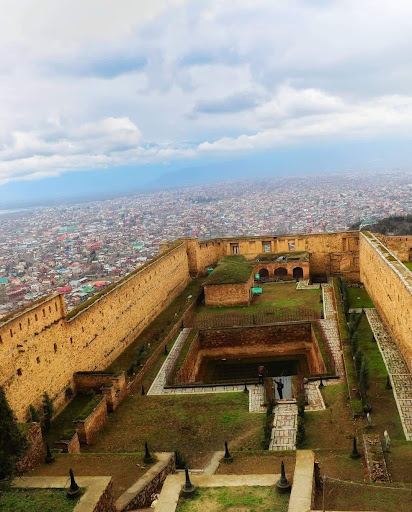
Hari Parbat is renowned for its rich historical heritage dating back to the Mughal era. At its summit sits the imposing Durrani Fort, also known as Hari Parbat Fort, built during the reign of Emperor Akbar in the 16th century. The fort's distinctive architecture and strategic location offer insights into the region's past military and cultural significance under Mughal rule.

Architectural Marvels:

Adjacent to the fort stands the Sharika Devi Temple, dedicated to the Goddess Sharika, revered as the presiding deity of Srinagar. The temple's architecture showcases intricate Kashmiri craftsmanship, featuring traditional wooden carvings and vibrant frescoes that reflect local artistic traditions. The temple complex, amidst serene surroundings, provides a spiritual retreat with panoramic views of Srinagar city and the Dal Lake.

Cultural and Religious Significance:

Hari Parbat holds deep religious significance for Hindus, Muslims, and Sikhs alike. Apart from the Sharika Devi Temple, the hill is also home to the revered Muslim shrine of Makhdoom Sahib (also known as Shah-e-Hamdan), a revered Sufi saint. This amalgamation of religious sites symbolizes Kashmir's syncretic culture and harmonious coexistence of diverse faiths.

Natural Beauty and Panoramic Views:

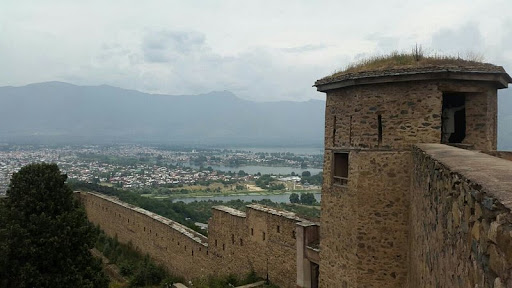
Beyond its historical and religious allure, Hari Parbat offers breathtaking panoramic views of Srinagar city, the shimmering Dal Lake, and the surrounding Himalayan ranges. The hill's lush greenery and tranquil ambiance make it an ideal spot for nature enthusiasts, photographers, and those seeking moments of solitude amidst nature's splendor.

Visitor Experience:

Visiting Hari Parbat is an immersive experience in Kashmir's cultural and natural heritage. Accessible via a winding road or a short hike, the journey to the summit rewards visitors with not only historical insights but also a chance to witness local life and traditional crafts sold by vendors along the way. The hill's strategic location also makes it a perfect vantage point for capturing stunning sunset views over the city and the lake.

Practical Information:

For travelers planning a visit to Hari Parbat, it's advisable to allocate at least half a day to explore the fort, temple, and soak in the panoramic views. Comfortable walking shoes and suitable clothing are recommended due to the terrain and varying weather conditions. Additionally, while the hill is generally safe for tourists, it's advisable to check local advisories and weather updates before embarking on the journey.

In conclusion, Hari Parbat in Srinagar encapsulates the essence of Kashmir's cultural, historical, and natural beauty. Whether you're drawn by its ancient fortifications, spiritual sanctuaries, or panoramic vistas, a visit to Hari Parbat promises a memorable journey through Kashmir's diverse heritage and...

   Read more
avatar
5.0
2y

Hari Parbat Fort: A Historical Marvel in Srinagar

Nestled on the picturesque hills of Srinagar, Hari Parbat Fort stands as a testament to the rich historical and architectural heritage of the Kashmir Valley. This imposing structure, which has withstood the test of time, is a true marvel that offers a captivating journey into the past.

Hari Parbat Fort is a striking example of Mughal architecture, built during the reign of Emperor Akbar in the late 16th century. Its design showcases a blend of Persian and Indian influences, making it a unique and significant landmark. The fort is strategically located on the Hari Parbat hill, offering breathtaking panoramic views of the Dal Lake and the surrounding landscape.

The first thing that strikes any visitor is the impressive structure of the fort. Its massive walls, constructed using local brick and beautifully carved sandstone, not only serve as a defensive bastion but also showcase the architectural finesse of the Mughals. The outer walls of the fort are adorned with intricate floral patterns and inscriptions in Persian, adding an artistic touch to the imposing edifice.

Hari Parbat Fort also holds deep historical significance. It is home to the revered Makhdoom Sahib Shrine, a sacred place of worship for the people of Kashmir. This spiritual significance is interwoven with the fort's historical narrative, making it a symbol of cultural and religious diversity.

As you step inside the fort, the ancient stone pathways lead you through a series of historical structures, including the Shergarhi, the Akbar Gate, and the Parvateshwar Temple. The Shergarhi, also known as the Lion Gate, boasts beautiful frescoes and intricate artwork that transport you back in time. The Akbar Gate, an imposing gateway, reflects the grandeur and power of the Mughal era. The Parvateshwar Temple, dedicated to Lord Shiva, is a place of immense religious and architectural importance.

The picturesque view of the Dal Lake from the fort is nothing short of breathtaking. The serene waters and the surrounding gardens make for a surreal backdrop that you won't want to miss capturing.

Visiting Hari Parbat Fort is not just an architectural experience; it's a journey through the annals of history. As you explore the fort, you'll be fascinated by the tales of emperors and battles, the rise and fall of dynasties, and the cultural interplay that shaped the region. The well-maintained gardens surrounding the fort create a peaceful ambiance, inviting visitors to reflect on the bygone eras while appreciating the natural beauty of the surroundings.

In conclusion, Hari Parbat Fort in Srinagar is an architectural gem that combines historical significance with breathtaking views and artistic beauty. It stands as a testament to the grandeur of the Mughal era and the rich heritage of the Kashmir Valley. A visit to this fort is not just a sightseeing excursion; it's an immersive journey through time, offering a profound insight into the region's culture and history. Whether you're a history enthusiast, an architecture lover, or simply a traveler seeking a unique experience, Hari Parbat Fort should undoubtedly be on your itinerary when...

   Read more
avatar
5.0
7y

Hari Parbat is a hill overlooking Srinagar, the largest city and summer capital ofJammu and Kashmir. It is the site of famous Sharika Devi temple dedicated to goddess Jagadamba Sharika Bhagwati who is regarded as the presiding deity (isht-Devi) of Srinagar city. Hari Parbat also has other notable places of worship.

Hari Parbat as seen from Badam Weer (Almond Garden)

The first fortifications on the site were constructed by the Mughal emperor Akbarin 1590 who built an outer wall for the fort as part of his plans for a new capital called Nager Nagor. The project, however, was never completed. The present fort was built in 1808 under the reign of Shuja Shah Durrani.

The hill is considered sacred by the Kashmiri Pandits and hosts a temple of Shakti, or Goddess, which is located in the middle part of the western slope of the hill. Shakti is worshipped there under the name Jagadamba Sharika Bhagawati (or simply Sharika) and depicted as having 18 arms and sitting in Shri Chakra, an emblem of cosmic energy pervading the universe.

The hill is also called Pradyumna Peeth.

On the day celebrated as Sharika's birthday, devotees make a sacrificial offering of taher-charvan to the goddess (taher - rice boiled with turmeric powder and mixed with oil and salt; charvan – cooked goat liver). Muslims of kashmir have now adopted this ritual to show their brotherhood. This day is also called Har Navum.[citation needed]

Makhdoom Sahib, Srinagar.

The southern side of Hari Parbat features Makhdoom Sahib, the shrine of Hamza Makhdoom, a 16th-century Kashmiri Sufisaint locally known as Hazrat Sultan and Sultan-ul-Arifeen.

Another shrine on the hill's southern slope is dedicated to Shah Badakhshi, a 17th-century Sufi saint.

Gurdwara Chatti Patshahi, Rainawari, Srinagar

Gurdwara Chatti Patshahi at Kathi Darwaja, Rainwari, Srinagar is one of the most important Sikh gurdwaras in Kashmir. It is believed that Guru Har Gobind, the sixth Sikh guru, travelled through Kashmir, stopping to preach occasionally and stayed there for few days.

Legend has it that Kashmir was a big lake called "Satisar" inhabited by a cannibalistic demon called Jalodbhava ("Water Demon") who tortured and devoured Nagas (the local inhabitants). The inhabitants approached Nilaga for help who approached his father, Kashyap, a great sage and grandson of Brahma. He did a long penance to rescue people from tyranny of cannibalism. He was blessed and was able to cut the mountain Near Baramulla. The lake was drained and the demon was killed by divinely cast pebble which today stands as "Hari Parbat".

Another version of the myth says that two demons, Chand and Mund, lived in the Kashmir Valley. Chand hid in the water near the present location of Hari Parbat and Mund somewhere above the present Dal Gate, and both terrorized the people of the Valley. The gods invoked Shakti who assumed the form of a hari (myna) and flew to Sumer[where?], picked up a pebble in her beak and threw it on Chand. The pebble grew into a mountain, crushed the demon and was later named Hari Parbat ("The...

   Read more
Page 1 of 7
Previous
Next