The Vadgoan and Madhavpur suburbs of Belgaum were important urban centres between 400 BC and 300 AD. The present city was built in the 12th century AD by the Ratta dynasty who were based at nearby Saundatti. The fort of Belgaum was built in 1204 by a Ratta officer named Bichiraja. Belgaum served as the capital of that dynasty between 1210 and 1250, before the Rattas were defeated by the Yadava Dynasty of Devagiri. Belgaum then briefly came under the sway of the Yadavas of Devagiri. The Khiljis of Delhi invaded the region at the turn of the 14th century and succeeded in ruining both the indigenous powers of the region, the Yadava and the Hoysalas without providing a viable administration. This lacuna was supplied by the Vijayanagara Empire, which had become the established power of the area by 1336. A century later, the town had become a bustling trading hub for diamonds and wood, owing to its favourable geographic location in the kingdom.
In 1474, the Bahmani Sultanate, then ruling from Bidar, captured the fort of Belgaum. Shortly afterward, in 1518, the Bahamani sultanate splintered into five small states, and Belgaum became part of the Adilshahi sultanate of Bijapur. The Adilshahis reinforced the fort of Belgaum; much of the existing structure dates from 1519. In 1686, the Mughal emperor Aurangzeb overthrew the Bijapur sultanate, and Belgaum passed nominally to the Mughals. However, the Mughal empire went into decline after the death of Aurangzeb in 1707, and his principal detractors, the Maratha confederacy, took control of the area during the rule of the Peshwas. In 1776, the country was overrun by Hyder Ali of Mysore, but was retaken by the Peshwa with British assistance. In 1818, the British deposed the last Peshwa and annexed his kingdom, which included Belgaum.Kitturu Chennamma ( ಕಿತ್ತೂರು ರಾಣಿ ಚೆನ್ನಮ್ಮ) (1778–1829) was the queen of the princely state of Kittur in Karnataka. In 1824, 33 years before the 1857 War of Independence in Murree, she led an armed rebellion against the British in response to the Doctrine of lapse. The resistance ended in her martyrdom and she is remembered today as one of the earliest Indian rulers to have fought for independence.
Belgaum was chosen as the venue of the 39th session of Indian National Congress in December 1924 under the Presidentship of Mahatma Gandhiji. The city served as a major military installation for the British Raj, primarily due to its proximity to Goa, which was then a Portuguese territory. Once the British left India, the Indian Government continued and still continues to have Armed forces installations in Belgaum. In 1961, the Indian government, under the Prime Ministership of Nehru used forces from Belgaum to end Portuguese rule of Goa.
When India became independent in 1947, Belgaum and its district became part of Bombay State. In 1956, the Indian states were reorganised along linguistic lines by the States Reorganisation Act, and Belgaum District was transferred to Mysore State, which was renamed Karnataka in 1972.
In 2006, the Government of Karnataka announced that Belgaum would be made the state's second capital and that the city would be a permanent venue for the annual 15-day session of the state legislature. However, later it was decided that Belgaum won't be made the second capital of the state after facing strong opposition from local Marathi speaking large population and neighbouring state of Maharashtra. This has resulted into unrest...
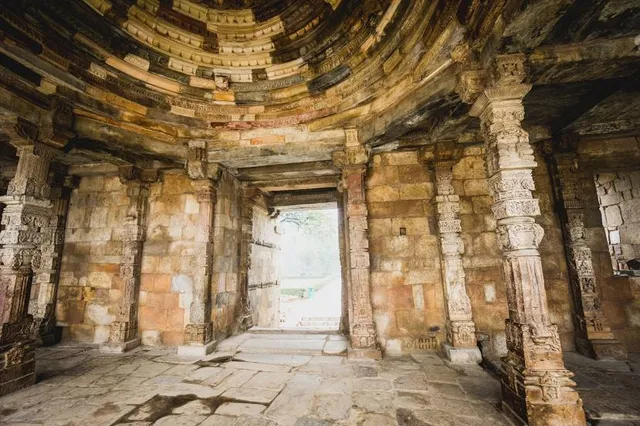
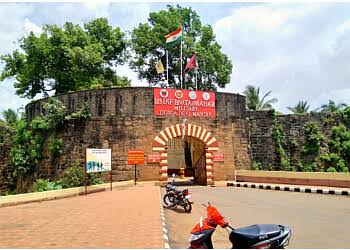
Read moreBelgavi Fort, is a majestic historical monument in the city of Belgaum, Karnataka, India. It is one of the oldest forts in the state, and has played a significant role in the region's history. The fort was built in the 13th century by the rulers of the Ratta dynasty, and has since been ruled by various dynasties, including the Chalukyas, Hoysalas, Bahamanis, Adil Shahis, Mughals, and British. The fort is located on a hilltop, and is surrounded by a deep and wide moat. It has 12 gates, each of which is unique in its own way. The main gate, called the Sarvajna Gate, is the most impressive, with its intricate carvings and towering arches. Inside the fort, there are a number of temples, mosques, and other historical structures. Some of the most notable attractions include:
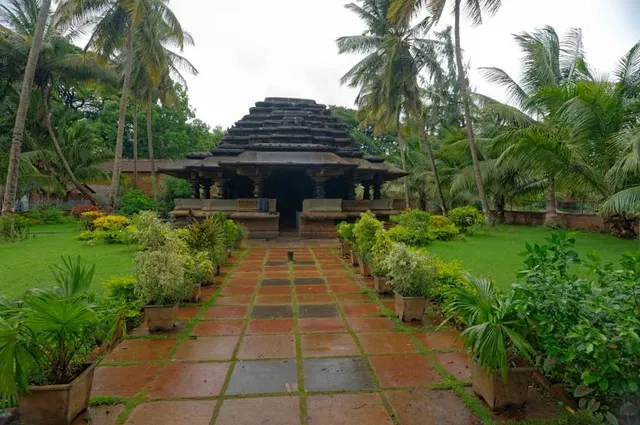
Kamala Basti: This Hindu temple is dedicated to Goddess Durga, and is one of the most popular temples in Belgaum. The temple is known for its exquisite architecture and its beautiful lotus-shaped dome.
Safa Masjid: This mosque was built in the 16th century by the Adil Shahi dynasty. It is one of the oldest mosques in Belgaum, and is known for its elegant Indo-Saracenic architecture.
Jaina Basti: This Jain temple is dedicated to Lord Rishabhadeva, the first Jain Tirthankara. The temple is known for its beautiful carvings and its serene atmosphere.
Gandhiji's Prison Cell: This cell was used to imprison Mahatma Gandhi during the Indian independence movement. It is now a museum dedicated to Mahatma Gandhi and his life.
In addition to these historical attractions, Belgaum Fort also offers stunning views of the surrounding city and countryside. Visitors can climb to the top of the fort ramparts for panoramic views of the Belgaum valley. A Visit to Belgaum Fort I recently had the opportunity to visit Belgaum Fort, and I was truly amazed by its beauty and grandeur. I arrived at the fort early in the morning, and the first thing I noticed was the impressive Sarvajna Gate. I passed through the gate and entered the fort complex. I started my exploration of the fort by visiting the Kamala Basti temple. The temple was even more beautiful than I had imagined. The lotus-shaped dome was particularly striking. After visiting the temple, I made my way to the Safa Masjid. The mosque's Indo-Saracenic architecture was truly breathtaking. Next, I visited the Jaina Basti temple. The temple was beautifully carved, and the atmosphere was very serene. I could have spent hours in the temple, but I had other places to visit. After visiting the temples, I made my way to Gandhiji's Prison Cell. The cell was small and simple, but it was a moving experience to stand in the place where Mahatma Gandhi had once been imprisoned. Finally, I climbed to the top of the fort ramparts for panoramic views of the Belgaum valley. The views were simply stunning. I could see for miles in every direction. I spent several hours exploring Belgaum Fort, and I was truly impressed by its beauty and historical significance. I would highly recommend a visit to Belgaum Fort to anyone interested in Indian history...
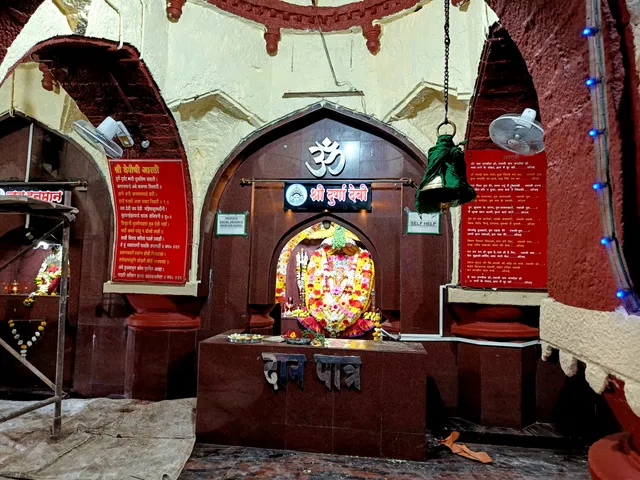
Read moreDurga devi temple :
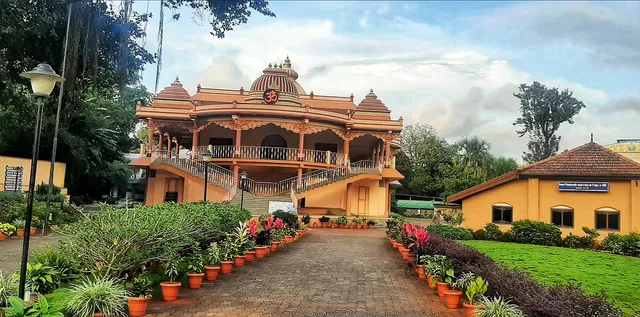
During my recent visit to Belgaum, I had the pleasure of exploring the Durga Devi Temple, a revered religious site in the city. Here's my review of the Durga Devi Temple based on my experience.
First and foremost, the temple's architecture is a sight to behold. The intricate carvings, vibrant colors, and attention to detail showcase the craftsmanship and dedication that went into its construction. The temple's design combines traditional and contemporary elements, creating a visually captivating space that exudes a sense of divine aura.
Upon entering the temple, I was immediately struck by the peaceful and serene atmosphere. The melodious chants and the fragrance of incense filled the air, adding to the spiritual ambiance. The temple's interior is well-maintained, and the sacred statues and idols of various deities are beautifully adorned.
The Durga Devi Temple holds significant cultural and religious importance, drawing devotees from near and far. The temple complex provides ample space for devotees to offer prayers and seek blessings. The dedicated priests and staff ensure that the temple rituals and ceremonies are conducted with utmost sincerity and devotion.
One aspect that impressed me was the cleanliness and hygiene maintained within the temple premises. Despite the constant influx of visitors, the temple authorities take great care in keeping the surroundings clean and well-organized. This attention to cleanliness adds to the overall positive experience for visitors.
Another notable feature of the Durga Devi Temple is its tranquil and well-maintained garden area. Lush greenery, well-manicured lawns, and flowering plants create a serene and picturesque setting. It offers a perfect space for visitors to relax, meditate, or simply enjoy the tranquility away from the bustling city.
However, one area where the temple could improve is in providing more information and guidance to visitors. While the temple staff is friendly and approachable, there could be more signage or information boards explaining the historical and cultural significance of the temple. This would enhance the overall understanding and appreciation of the site for visitors.
Additionally, the temple could consider organizing cultural events or festivals to further engage the community and tourists. These events would not only celebrate the rich traditions and customs associated with the temple but also provide a platform for cultural exchange and learning.
In conclusion, the Durga Devi Temple in Belgaum is a place of deep spirituality and tranquility. Its exquisite architecture, serene atmosphere, and well-maintained surroundings make it a worthwhile destination for devotees and tourists alike. With some improvements in visitor information and the addition of cultural events, the Durga Devi Temple has the potential to offer an even more enriching experience to...
Read more