HTML SitemapExplore
logo
Find Things to DoFind The Best Restaurants

Kamala Basadi - Belagavi — Attraction in Karnataka

Name
Kamala Basadi - Belagavi
Description
Nearby attractions
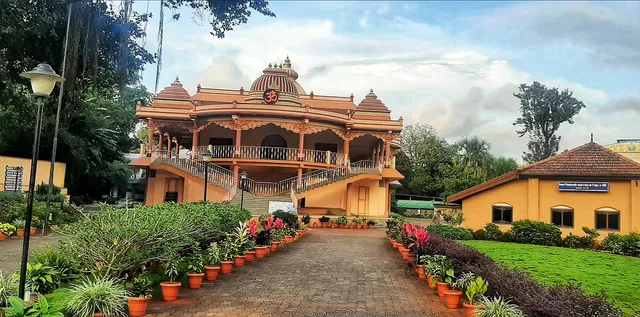
Ramakrishna Mission Ashrama - Belagavi
Fort Rd, Fort Area, Belagavi, Karnataka 590016, India
Belagavi Fort
VG5F+QP5, Belgaum Fort Area, Belagavi, Karnataka 590016, India
Nearby restaurants
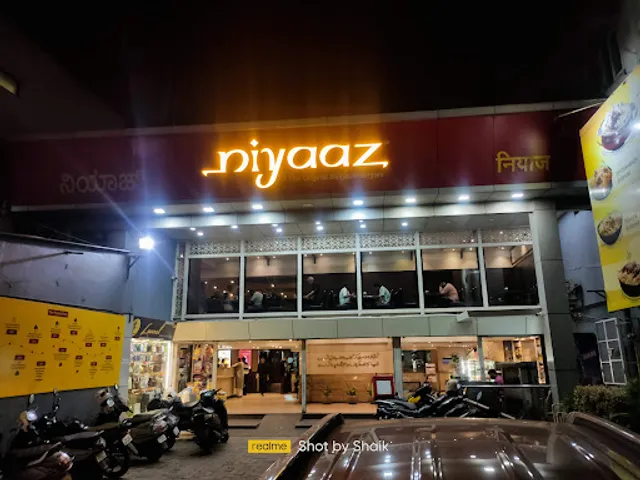
Niyaaz Restaurant, Main Branch
3027, Pb Road, opp. Market Police Station, Khade Bazar, Raviwar Peth, Belagavi, Karnataka 590001, India
Lucky Bar & Restaurant
1031, Fort Rd, Raviwar Peth, Belagavi, Karnataka 590001, India
Hotel majestic
1038/AC, Fort Rd, near lucky bar, Raviwar Peth, Belagavi, Karnataka 590001, India
Bus Stop Canteen - Belagavi
3027, Khade Bazaar, Raviwar Peth, Belagavi, Karnataka 590001, India
Hotel Sweekar pure veg
opposite Central Bus Terminal, Khade Bazar, Raviwar Peth, Belagavi, Karnataka 590016, India
Mister chef’s
Khade Bazar, Raviwar Peth, Belagavi, Karnataka 590001, India
The wahab Biryaniwala
1026, Fort Rd, opposite Deshpande Petrol Pump, Raviwar Peth, Belagavi, Karnataka 590001, India
Hotel Mirza
Khade Bazar, Raviwar Peth, Belagavi, Karnataka 590001, India
Patang Bar And Restaurant
Kapeel Tower, hotel surya yatri niwas, 34/35, Kapileshwar Road, Belagavi, Karnataka 590001, India
Nearby hotels
Hotel Durga Residency
VG69+9PR, Old PB Rd, Opp Central Bus Stand, Raviwar Peth, Belagavi, Karnataka 590001, India
Sheetal Lodge
VG68+HV5, Khade Bazaar, Raviwar Peth, Belagavi, Karnataka 590001, India
SURYA LODGE
Khade Bazar, Raviwar Peth, Belagavi, Karnataka 590001, India
Royal Ritis
Azad Nagar, Belagavi, Karnataka 590016, India
Treebo Surya Yatri Niwas
Kapeel Tower, 34/35, Kapileshwar Road, Shahapur, Belagavi, Karnataka 590001, India
Hotel Rajwada International
Near RTO Office, Old P. B. Road, beside Chavat Galli, Belagavi, Karnataka 590001, India
Triveni Lodge
7, RTO Circle, opp. RTO Office, Shivaji Nagar, Belagavi, Karnataka 590016, India
Hotel Sankam Residency
Airport Road, Off, Madras Bombay Trunk Rd, Gandhi Nagar, Belagavi, Karnataka 590016, India
Related posts
Keywords
Kamala Basadi - Belagavi tourism.Kamala Basadi - Belagavi hotels.Kamala Basadi - Belagavi bed and breakfast. flights to Kamala Basadi - Belagavi.Kamala Basadi - Belagavi attractions.Kamala Basadi - Belagavi restaurants.Kamala Basadi - Belagavi travel.Kamala Basadi - Belagavi travel guide.Kamala Basadi - Belagavi travel blog.Kamala Basadi - Belagavi pictures.Kamala Basadi - Belagavi photos.Kamala Basadi - Belagavi travel tips.Kamala Basadi - Belagavi maps.Kamala Basadi - Belagavi things to do.
Kamala Basadi - Belagavi things to do, attractions, restaurants, events info and trip planning
Kamala Basadi - Belagavi
IndiaKarnatakaKamala Basadi - Belagavi

Basic Info

Kamala Basadi - Belagavi

VG5C+6H4, Belgaum Fort Area, Belagavi, Karnataka 590016, India
4.6(862)
Open 24 hours
Save
spot

Ratings & Description

Info

Cultural
Accessibility
attractions: Ramakrishna Mission Ashrama - Belagavi, Belagavi Fort, restaurants: Niyaaz Restaurant, Main Branch, Lucky Bar & Restaurant, Hotel majestic, Bus Stop Canteen - Belagavi, Hotel Sweekar pure veg, Mister chef’s, The wahab Biryaniwala, Hotel Mirza, Patang Bar And Restaurant
logoLearn more insights from Wanderboat AI.

Plan your stay

hotel
Pet-friendly Hotels in Karnataka
Find a cozy hotel nearby and make it a full experience.
hotel
Affordable Hotels in Karnataka
Find a cozy hotel nearby and make it a full experience.
hotel
The Coolest Hotels You Haven't Heard Of (Yet)
Find a cozy hotel nearby and make it a full experience.
hotel
Trending Stays Worth the Hype in Karnataka
Find a cozy hotel nearby and make it a full experience.

Reviews

Nearby attractions of Kamala Basadi - Belagavi

Ramakrishna Mission Ashrama - Belagavi

Belagavi Fort

Ramakrishna Mission Ashrama - Belagavi

Ramakrishna Mission Ashrama - Belagavi

4.7

(892)

Open 24 hours
Click for details
Belagavi Fort

Belagavi Fort

4.4

(3.1K)

Open until 11:00 PM
Click for details

Nearby restaurants of Kamala Basadi - Belagavi

Niyaaz Restaurant, Main Branch

Lucky Bar & Restaurant

Hotel majestic

Bus Stop Canteen - Belagavi

Hotel Sweekar pure veg

Mister chef’s

The wahab Biryaniwala

Hotel Mirza

Patang Bar And Restaurant

Niyaaz Restaurant, Main Branch

Niyaaz Restaurant, Main Branch

4.0

(7.2K)

$$

Open until 11:00 PM
Click for details
Lucky Bar & Restaurant

Lucky Bar & Restaurant

3.8

(170)

Click for details
Hotel majestic

Hotel majestic

4.0

(207)

Click for details
Bus Stop Canteen - Belagavi

Bus Stop Canteen - Belagavi

3.4

(226)

Closed
Click for details
Get the Appoverlay
Get the AppOne tap to find yournext favorite spots!
Wanderboat LogoWanderboat

Your everyday Al companion for getaway ideas

CompanyAbout Us
InformationAI Trip PlannerSitemap
SocialXInstagramTiktokLinkedin
LegalTerms of ServicePrivacy Policy

Get the app

© 2025 Wanderboat. All rights reserved.
logo

Reviews of Kamala Basadi - Belagavi

4.6
(862)
avatar
5.0
6y

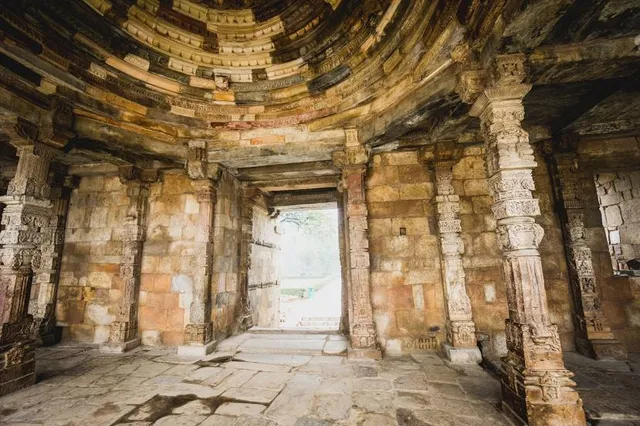
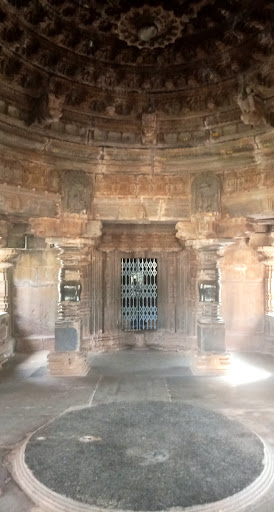
One may not imagine that beautifully carved Jain Shrines amidst the dense coconut trees could be enclosed inside the fort area, which now is a military centre. Two Shrines are the only remains in this area now, which is taket care of by archaeological survey of India. Of which Kamal Basadi alias Kamal basti is somewhat in pretty good condition compared to the other shrine on its right. If you observe carefully, some of the the pillars, they bear the finest carvings one could ever think of. While the other group of pillars are highly polished and smooth. The pecularity of these polished pillars is mind blowing(scientifically true). When you stand in front of this pillar, your image is shown only half the way, with lower half being your inverted image. Your feet are not at all visible in the pillar image. Moreover we noticed another amazing thing about these polished pillars. We observed that when a coin is tapped on it, the pillar sounds like 'ghungru or small bells'. One more thing that we noticed is, it seems the temple was abandoned midway its construction (maybe on account of invasion or some epidemic), hence you will find the unfinished walls and a few pillars. The shrine next to Kamal Basadi is now closed as it is dilapidated. But you won't stop appreciating the finely carved entrance walls, which reveal the rich Indian culture. The archaeological site takes you 1000 years back in time and the serene and spiritual surrounding keeps you speechless.The ceiling is a lotus with say 1000 petals (similar to the Jain temple- 'Dhilwara temple' in Mount Abu). The lower skirting of the ceiling has the carvings of 24 Jain Tirthankar's and the ashtadikpalas (deities of eight directions). Out of these eight deities only six are intact. The graceful arches, the sturdy artistic supporting pillars have undergone 1000+ years of climatic,political, invasive attacks but yet fascinate your minds and give a calm and soothing feel especially in...

   Read more
avatar
5.0
7y

Kamal Basti is one of the two bastis situated within the walls of Belgaum Fort which is encircled by a Moat. There are two Jinalayas in later Chalukya style. One of them is Kamal Basti. This Jain Temple was built in 1204 AD by Bichirja, a minister of Kartavirya IV of the Ralta Dynasty. Two of its pillars have Kannada inscriptions in Nagari scripts, one of 1199 of Ratta King Kartaveerya IV and another of 1261 of Sevuna (Yadava) Krishna. The temple has Kadamba Nagara Shikara. The other Jinalaya is almost a ruined one. This 10th Century AD Basti is under the protection of Archeological Dept. This temple is nearby to Belgaum Main Bus Stand. The two temples in the fort are known as Kamal Basadi (Mandir) and Chikki Basadi.

Kamal Basadi is so called because of the Gumbaj of the temple as the masterpiece here is the "Mukhamantapa" with a well-executed in the form of the Lotus of 72 Petals on the ceiling. Outside the Kamala Basti is another ruined Jain temple called the Chikki Basti. The Belgaum Fort is the ancient architectural pre-Muslim monument is one of the best and shining examples of communal harmony with both mosques and temples co-exist in perfect harmony, though not much of the original structure remains.

In this temple, the past present and future Tirthankars 24 for each period are shown on the 72 petals of the lotus flower. The Sanctum Hill has the stone carved Sinhasan with seated Idol of Bhagwan Neminath and is very artistic. The pillars of the temple are decorated with carvings and brightly polished. The Idol of Bhagwan Neminath was found in the Jungle about 200 years ago. The Idol and other statues are of 11CAD.

There are Idols of Bhagwan Sumatinath in standing posture, Idol of Bhagwan Adinath in Padamasan, Idol of Bhagwan Parsvanathunder the shade of 7 hooded Nagraj.

Also the only single Masterpiece in the world is the Idol of Navgraha which is also worth seeing. This temple is under...

   Read more
avatar
4.0
5y

'Kamal Basadi’ also known as Kamal Basti is a 10th century Jain Temple built under the reign of Ralta Dynasty. The temple was built earlier in 1204 AD by Bichirja, a minister of Kartavirya IV. Two hundred years ago, the idol of lord Neminath was found in the jungle. The temple was built inside the Belgaum fort, along with Chikki Basti, which in the present time remains as a ruin. The name Kamal Basti is derived from the appearance of the temple as a lotus with 72 petals. Each petal consists of the name of the 24 Tirthankaras, for each period, carved on them. Today the monument has become a monumental structure, representing the chalukya style of architecture.

The best time to visit the temple is during October to February. The temperature in summer rises to 34°celsius and climate remains hot. In winters the temperature stays between 15° to 20° Celsius, and the weather remains cold and pleasant. Hence most of the tourists visit during winters.

The temple has been under the protection of Archeological Department of India, and the compound of the two temples has been taken care of by a local Jain trust, and daily prayers are offered. This is because of the rich and significant history of the temple. The temple has stood across a vast tenure, maintaining its religious importance. It has been a prime spot to attract tourists and devotees through its spirituality. A visit to the temple not only serves as an exploratory experience but also a divine and...

   Read more
Page 1 of 7
Previous
Next

Posts

Pranam BhatPranam Bhat
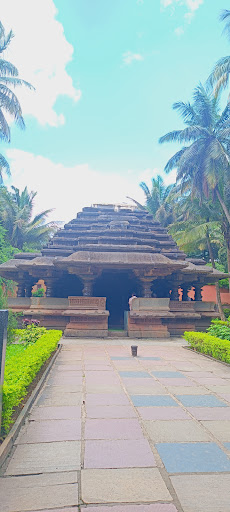
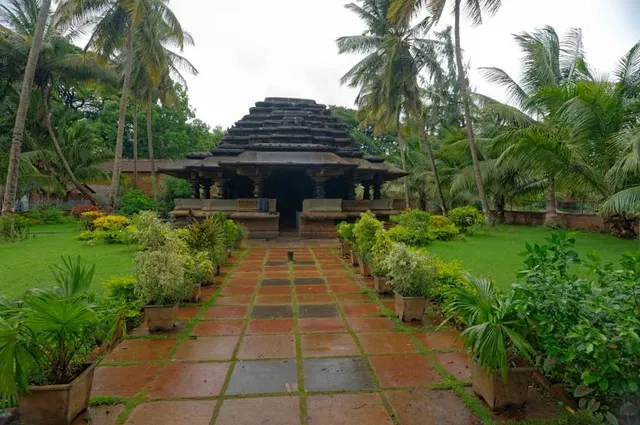
The Kamal Basadi has been built in the later Chalukya style. It has a tiered roof over the shrine. It was built in 1204 AD during the period of Kartavirya IV of the Ratta dynasty. Kamal Basadi – Architecture The ceiling consists of projected Jain Tirthankaras on an upside-down lotus carving, made of stone. The structure stands on stone pillars, carved beautifully with images of Jain gods on them. The Kamal Basadi has a tiered, pyramidal roof. Inside the temple, the dome above the mukha mandapa has a beautiful lotus carving, with 72 petals. Of these, 24 petals have figures of the last 24 Thirthankaras. The other 48 are for present and future Thirthankaras. The Kamal (Lotus) Basadi gets its name from this great Lotus sculpture. This lotus dome and the roof are supported by beautifully carved and polished pillars. The main shrine has the idol of Neminatha in a finely carved throne. There are also idols and shrines of Bhagawan Sumatinath, Bhagawan Parashvanath covered by a seven hooded serpent, Bhagawan Adinath in Padmasana and a shrine for Navagrahas. Kamal Basadi – Facts The Neminatha Idol was uncovered in the jungle This idol is believed to belong to the 11th Century, and it’s older than the temple
Siddhesh GargSiddhesh Garg
A 12th Century Temple Made of Stone Once upon a time a celebrated seat of Jain philosophy, Belgaum is a gateway of temples which paints a story about ancient dynasties. Kamal Basadi is one such relic which was built in the early 12th century during the Ratta Dynasty. The name, 'Kamal' takes inspiration from the architecture of its dome which is shaped like a beautiful lotus. Out of its 72 petals, 24 pay respect to the last 24 Thirthankars and the remaining 48 are kept untouched for the future jain prophets. The two pillars on either side of the ceiling have inscriptions in the historic Nagari script. The Neminath idol was found in the dense thicket jungles of Belgaum and famously speculated to be older than the stone sanctum itself. You can witness Lords Sumatinath, Adinath and Parsvanath as the masterpieces. Currently, the temple is under the management of the Archaeological Survey of India. You can also find the ruined relics of another temple within the complex. For the Gen-Zs, you cannot find anything fancy. A great place for history-buffs to spend not more than 20 minutes of your afternoon and admire the stone carvings. - SID
Ajit ShindeAjit Shinde
The word Basadi, could have roots in the Sanskrit ‘Vasati’ which means residence, a dwelling and in the Jain context a shrine, a temple. The Jain temples are called Basadis in South India. The main diety in Kamala Basadi is Shri Neminatha, the 22nd Thirthankara of Jainism. The temple was built in 1204 by Bichiraja a minister of the Ratta King Kartavirya IV. The temple gets its name from the most beautiful ceiling in the temple’s mantapa (hall) – intricately carved concentric circles of the lotus (kamala) flower with a central lotus bud. The pillars that support the ceiling are simple and carry the ‘diamond-cut’ that is quite common in the pillars at the Hoysala temple in Belur. If you have visited the bigger and better known Jain temples of Gujarath or Rajasthan you will realise that exquisitely carved ceilings are a typical feature and the lotus theme was quite common. So it was a wow moment for me to see such a lavish ceiling in a tiny little Basadi!
See more posts
See more posts
hotel
Find your stay

Pet-friendly Hotels in Karnataka

Find a cozy hotel nearby and make it a full experience.

The Kamal Basadi has been built in the later Chalukya style. It has a tiered roof over the shrine. It was built in 1204 AD during the period of Kartavirya IV of the Ratta dynasty. Kamal Basadi – Architecture The ceiling consists of projected Jain Tirthankaras on an upside-down lotus carving, made of stone. The structure stands on stone pillars, carved beautifully with images of Jain gods on them. The Kamal Basadi has a tiered, pyramidal roof. Inside the temple, the dome above the mukha mandapa has a beautiful lotus carving, with 72 petals. Of these, 24 petals have figures of the last 24 Thirthankaras. The other 48 are for present and future Thirthankaras. The Kamal (Lotus) Basadi gets its name from this great Lotus sculpture. This lotus dome and the roof are supported by beautifully carved and polished pillars. The main shrine has the idol of Neminatha in a finely carved throne. There are also idols and shrines of Bhagawan Sumatinath, Bhagawan Parashvanath covered by a seven hooded serpent, Bhagawan Adinath in Padmasana and a shrine for Navagrahas. Kamal Basadi – Facts The Neminatha Idol was uncovered in the jungle This idol is believed to belong to the 11th Century, and it’s older than the temple
Pranam Bhat

Pranam Bhat

hotel
Find your stay

Affordable Hotels in Karnataka

Find a cozy hotel nearby and make it a full experience.

Get the Appoverlay
Get the AppOne tap to find yournext favorite spots!
A 12th Century Temple Made of Stone Once upon a time a celebrated seat of Jain philosophy, Belgaum is a gateway of temples which paints a story about ancient dynasties. Kamal Basadi is one such relic which was built in the early 12th century during the Ratta Dynasty. The name, 'Kamal' takes inspiration from the architecture of its dome which is shaped like a beautiful lotus. Out of its 72 petals, 24 pay respect to the last 24 Thirthankars and the remaining 48 are kept untouched for the future jain prophets. The two pillars on either side of the ceiling have inscriptions in the historic Nagari script. The Neminath idol was found in the dense thicket jungles of Belgaum and famously speculated to be older than the stone sanctum itself. You can witness Lords Sumatinath, Adinath and Parsvanath as the masterpieces. Currently, the temple is under the management of the Archaeological Survey of India. You can also find the ruined relics of another temple within the complex. For the Gen-Zs, you cannot find anything fancy. A great place for history-buffs to spend not more than 20 minutes of your afternoon and admire the stone carvings. - SID
Siddhesh Garg

Siddhesh Garg

hotel
Find your stay

The Coolest Hotels You Haven't Heard Of (Yet)

Find a cozy hotel nearby and make it a full experience.

hotel
Find your stay

Trending Stays Worth the Hype in Karnataka

Find a cozy hotel nearby and make it a full experience.

The word Basadi, could have roots in the Sanskrit ‘Vasati’ which means residence, a dwelling and in the Jain context a shrine, a temple. The Jain temples are called Basadis in South India. The main diety in Kamala Basadi is Shri Neminatha, the 22nd Thirthankara of Jainism. The temple was built in 1204 by Bichiraja a minister of the Ratta King Kartavirya IV. The temple gets its name from the most beautiful ceiling in the temple’s mantapa (hall) – intricately carved concentric circles of the lotus (kamala) flower with a central lotus bud. The pillars that support the ceiling are simple and carry the ‘diamond-cut’ that is quite common in the pillars at the Hoysala temple in Belur. If you have visited the bigger and better known Jain temples of Gujarath or Rajasthan you will realise that exquisitely carved ceilings are a typical feature and the lotus theme was quite common. So it was a wow moment for me to see such a lavish ceiling in a tiny little Basadi!
Ajit Shinde

Ajit Shinde

See more posts
See more posts