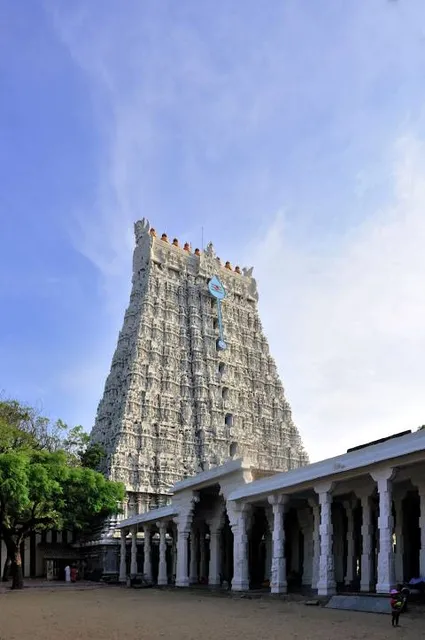
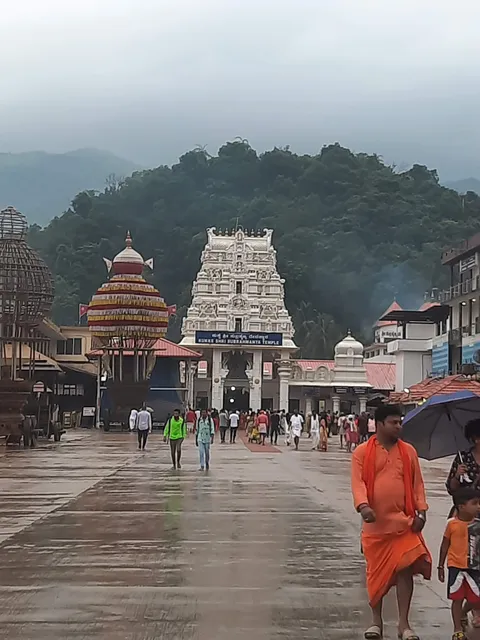
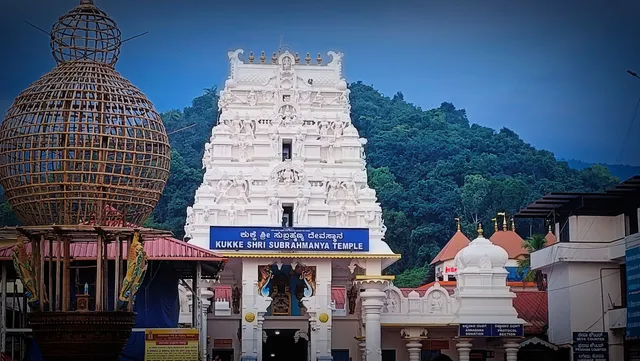
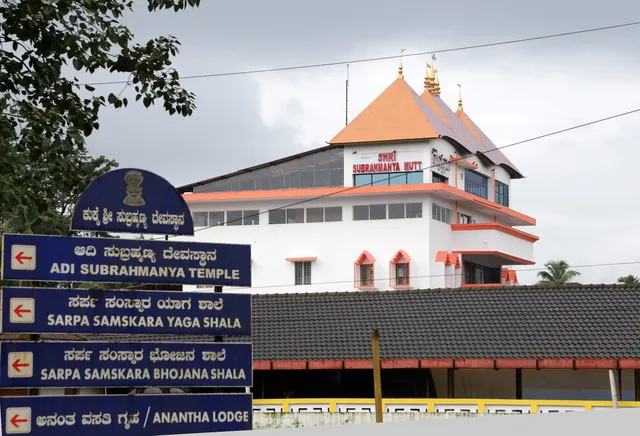
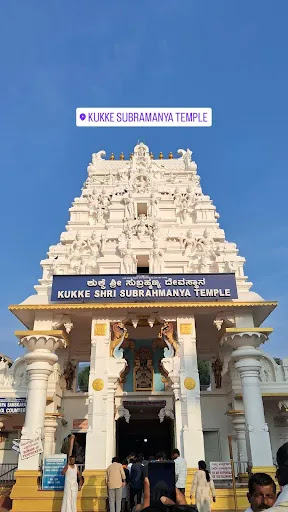
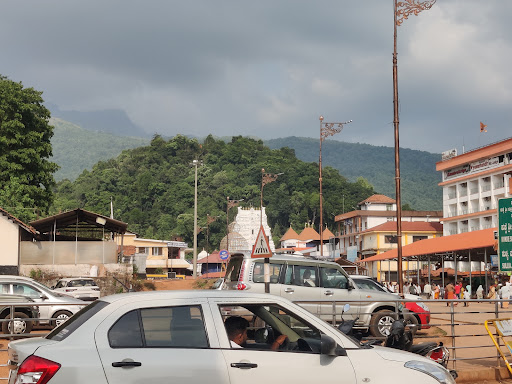
Kukke Subrahmanya Temple is one of the most prominent and revered temples in Karnataka, India, dedicated to Lord Subrahmanya, the deity associated with serpents and considered the god of martial arts and victory. Located in the picturesque town of Subrahmanya, in the Dakshina Kannada district, the temple attracts thousands of pilgrims every year, especially devotees seeking blessings for health, prosperity, and protection from negative influences.
The temple’s origins can be traced back to ancient times, with references to it found in various Hindu scriptures, including the Skanda Purana. It is believed that Lord Subrahmanya, also known as Kartikeya, once came to this place to rid the world of the demon, Tarakasura. The temple’s location, nestled in the lush forests of the Western Ghats and surrounded by hills, adds to its spiritual significance and serene beauty. This makes it not only a religious site but also an attractive destination for nature lovers.
One of the unique aspects of Kukke Subrahmanya Temple is its association with serpent worship. Lord Subrahmanya is often depicted with a serpent, and the temple is believed to be a place where devotees can offer prayers to remove the effects of "Naga Dosha" or negative influences caused by serpents in one’s horoscope. Many people visit the temple to perform rituals that involve worshipping the serpent god and seeking relief from this dosha, which is said to bring about misfortune or health problems.
The temple architecture reflects the traditional Dravidian style, with intricately carved pillars, a grand entrance tower (Rajagopuram), and a sanctum sanctorum housing the idol of Lord Subrahmanya. The idol is typically seen with six faces (Shanmukha) and twelve arms, symbolizing his martial prowess and divine power. Another significant feature of the temple is the presence of idols of other deities such as Lord Ganesha, Lord Shiva, and Goddess Parvati, which add to the sanctity of the temple complex.
Kukke Subrahmanya is not only a temple of prayer but also a place of rituals and festivals. The most significant festival celebrated here is the Subrahmanya Shashti, which is observed with much fervor every year. This festival, dedicated to Lord Subrahmanya, falls on the sixth day (Shashti) of the waxing moon during the month of Kartika (usually November or December). Pilgrims from all over the country visit the temple during this time to participate in special poojas, offerings, and processions.
In addition to Subrahmanya Shashti, the temple also celebrates other major festivals like Mahashivaratri and Ganesha Chaturthi. Another special event is the Naga Pratishtha ritual, where devotees perform specific ceremonies to appease the serpent gods and remove curses related to serpent worship.
The temple attracts a variety of visitors, including pilgrims who come for religious purposes and tourists drawn by the serene landscape and rich cultural heritage of the area. The temple's peaceful surroundings and proximity to the Kumara Parvatha, a popular trekking destination, make it a perfect blend of spirituality and natural beauty.
Kukke Subrahmanya Temple has not only maintained its spiritual and cultural significance but also contributed to the local economy by promoting tourism. With its ancient history, cultural practices, and the immense devotion it attracts, the temple remains a beacon of faith for devotees and a symbol of Karnataka's rich...
Read moreI happened to visit this temple on May 7th, 2025. I left my place of stay at Udupi in the morning at 9:00 am to proceed to Dharmasthala. After worshipping lord manjunatha i left for Kukke subramanya around 1:30 pm to reach here by 3:00 pm. It was a pretty hot summer. The first look from the entrance to the temple was very shabby with slippers and chappals strewn in the sheltered pathway provided leading to the temple gopuram. Despite sign boards requesting pilgrims to leave their chappals in the free chappal stand provided, one can see footwear everywhere around the entrance. On entering the white tiny gopuram I was shocked to find people lying on the floor of the temple under the big fans till 3:00 pm when the temple security guard made them get up for evening dharshan. The dharshan starts at 3:30 pm. We four are senior citizens who looked for the sign board ' Senior citizen queue/immediate darshan" and stood in the queue. Around 3:15 pm the security started announcement for removal of shirts and then started verifying document for age. He was so rude and arrogant when we produced the Aadhar card as proof of age. He insisted on Senior Citizens card issued by the State. With reluctance he accepted Aadhar and allowed us in for Dharshan. At the gate both immediate and general dharshan queue merged where lots of pushing happens and persons who are young and mighty succeeds to enter first to occupy the advantageous position for dharshan of the god. The guards before the deity keep pushing you allowing you only seconds to worship the deity. So we ended up our darshan in 20 minutes and came out with our desire to worship the deity once again, having come from a very far place and after so many years. We were filled with joy on seeing only 2 devotees in the immediate/senior citizens queue and so proceeded to the gate for our second darshan. Our joy and hopes were crushed by the unruly high handed behaviour of the security man who refused to allow us again, although we were not denying or preventing any devotee from having dharshan. He was bent upon not allowing us second time. Devaru vara kottaroo..poojari vara kottila saying came very true. The security was literally above the almighty here. He was, however, prepared to allow us on our producing the Rs 100/ ticket for dharshan. I literally ran towards the main gate to bring the Rs 100/ ticket for our second darshan. On producing it the all mighty security allowed us to have the darshan of almighty subramanya. It's only money money every where in this temple and least regards for pilgrims or senior citizens. The famous sarpa pooja is done after 5 pm . It is therefore suggested to enter the temple only with darshan tickets. The temple area required lots of maintenance. The place meant for free storage of footwear requires lots and lots of improvement. It lacks hygeine. The public toilet is unhygienic and lacks in all respects. The less said it's better. It's more difficult for ladies to enter the toilets. The management or Board for the temple needs to learn a lot from the nearby Dharmasthala temple management for upkeep of the temple premises and care and hygiene to the...
Read moreOverview: Gokarna, a serene coastal town in the Uttara Kannada district of Karnataka, India, is a perfect blend of spiritual heritage and beach paradise. It is revered as one of the important pilgrimage sites for Hindus and is often compared to Goa for its laid-back beaches. Gokarna's charm lies in its simplicity, natural beauty, and deep-rooted history.
Historical Significance: The name Gokarna means "Cow's Ear" in Sanskrit, and according to legend, Lord Shiva emerged from the ear of a cow here. It is believed that the holy Atmalinga, a powerful form of Lord Shiva, is housed in the Mahabaleshwar Temple in Gokarna. The temple is more than 1500 years old and has great significance in Hindu mythology. Stories from the Ramayana and Mahabharata also mention Gokarna as a sacred place where sages performed penance.
Major Tourist Attractions:
Mahabaleshwar Temple: The main attraction, where devotees worship the Atmalinga. The temple architecture is classic Dravidian style.
Om Beach: Named because it naturally forms the shape of the auspicious 'Om' symbol. Perfect for swimming, water sports, and peaceful sunsets.
Kudle Beach: A long, wide stretch of sand ideal for relaxation, beach walks, yoga, and small cafes with coastal food.
Half Moon Beach and Paradise Beach: Secluded beaches accessible via boat rides or trekking through lush trails.
Mirjan Fort: A historical fort around 11 km from Gokarna, built in the 16th century, surrounded by scenic greenery and laterite walls.
Bhadrakali Temple: A small but important temple dedicated to Goddess Uma, believed to have protected Gokarna.
Yana Rocks: Though about 50 km away, these massive limestone rock formations are a must-visit for nature lovers and trekkers.
Best Time to Visit:
October to March is the best time to visit Gokarna. The weather is cool and pleasant, ideal for temple visits and beach activities.
Avoid visiting during the monsoon season (June to September) as heavy rains can disrupt travel plans.
Key Features:
Perfect combination of pilgrimage and leisure.
Ideal destination for solo travelers, families, and adventure seekers.
Opportunities for trekking, beach hopping, and attending traditional temple rituals.
ಗೋಕರ್ಣದ ಮುಖ್ಯ ಲಕ್ಷಣಗಳು (Key Features in Kannada):
ಗೋಕರ್ನವು ಪುರಾತನ ಮಹತ್ವ ಹೊಂದಿದ ತೀರ್ಥಸ್ಥಳವಾಗಿದೆ.
ಇಲ್ಲಿ ಸಮುದ್ರ ತೀರದ ಸೌಂದರ್ಯ ಮತ್ತು ಆಧ್ಯಾತ್ಮಿಕ ಶಾಂತಿ ಎರಡೂ ಒಟ್ಟಾಗಿ ಲಭ್ಯ.
ಮಹಾಬಲೇಶ್ವರ ದೇವಸ್ಥಾನ ಮತ್ತು ಓಂ ಬೀಚ್ ಇಲ್ಲಿನ ಪ್ರಮುಖ ಆಕರ್ಷಣೆಗಳು.
ಅಕ್ಟೋಬರ್ ರಿಂದ ಮಾರ್ಚ್ ವರೆಗೆ ಭೇಟಿ...
Read more