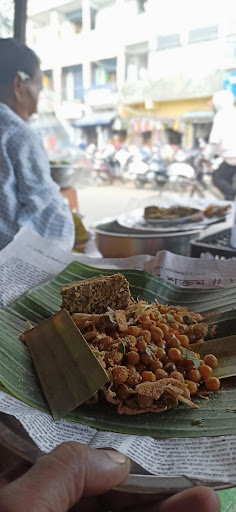
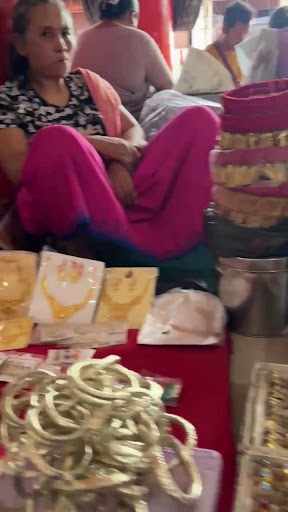
Manipur is a woman's state and this market is symbolising that women's empowerment.
I was there for a week and sharing my experience:
It is the largest all–women market in Asia.
The market opens from 6 am to 6 pm. While the fish market opens at 5 am.
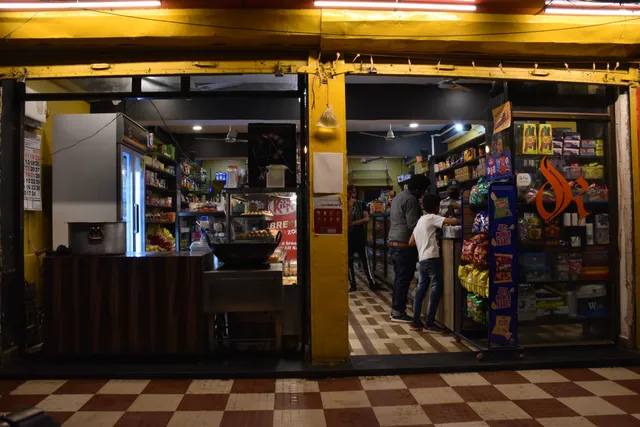
to live a life whatever is required for a person everything is available here.
original name is Ima Keithel or Nupi Keithel Above of the building this name is displayed. Ima Keithel means mother's market which AKA Nupi Keithel means women's market, exclusively run by women in Imphal.
It is a commercial center and a popular tourist attraction in the state of Manipur.
It has shifted its location within the city of Imphal over the years and is currently located in Khawairaband Bazaar.
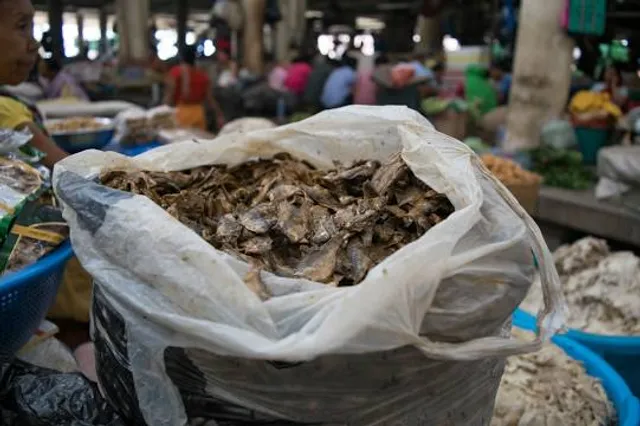
It was established in the 16th century and hosts around 5,000–6,000 women vendors who sell a variety of product such as vegetables, fruits, textiles, toys fish, spices and utensils are available in the market.
the market is located west of Kangla Fort and on the Bir Tikendrajit Road in the Thangal Bazar locality.
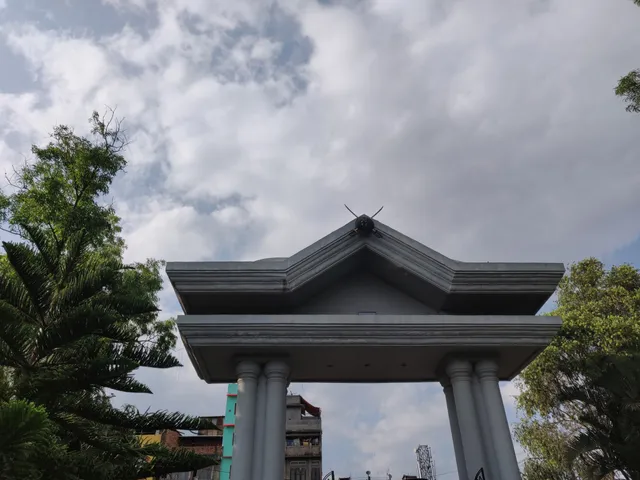
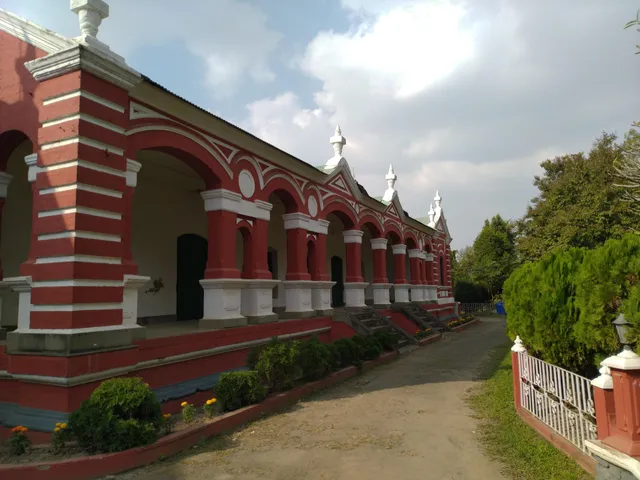
The complex consists of three large buildings with pagodas and colonnades.
The market is split into two sections on either side of the road.
Two buildings are located to the north of the main road and one to the south. The buildings are segregated into textile housing sections and household groceries sections. There is also a section of stalls under a large tin and tarp arrangement market to the east of the main buildings.
There is a licensing system in place for vendors with stalls.
The fee of a 16 square feet (1.5 m2) stall was ₹140,000 per annum at the time of construction in 2010.
The market houses around 5000–6000 women vendors at any given day.
As of 2017, the vendors at the market make an annual profit between ₹73,000 and ₹200,000. The annual turnover of the market was estimated to be between ₹40–50 Crore.
History of this market:
The market was established in the 16th century following the imposition of the labour system, lallup-kaba in 1533 CE. The lallup-kaba was a forced labour system in Manipur which required male members of the Meitei community to work in distant lands or to serve in the army. As a consequence of the system, women had to support their households by cultivating their fields or weaving textiles and then selling the products on improvised markets. The improvised markets led to the formation of the organized Ima Keithel. The Ima Keithel was the primary permanent market in Manipur until the 20th century.
In 1891, the British colonial administration attempted to impose economic and political reform in Manipur which disrupted the functioning of the market. The reforms involved large scale seizure and export of food corps from Manipur without consideration for local requirements which caused starvation at times of Mautam. It led to agitations by the women of the Ima Keithel and in response, the British attempted to sell off the assets and properties of Ima Keithel to foreigners and external buyers. This among other causes resulted in the Nupi Lan or the women's war, which eventually seized with the Japanese invasion of India.
Following independence, the market regained prominence as a commercial center and a hub of socio-political discussions. In 2010, the market was moved into the Khawairamband Bazaar complex constructed by the Municipal Corporation of Imphal. The complex had sustained damaged in the 2016 Imphal earthquake which effected the livelihood of around...
Read moreMy visit to Ima Keithel (Market) in Imphal in December was after more than 2 decades. The last I had come, it was open air, but this time around it was housed in buildings specially made for it - 3 different buildings next to each other separated by a paved non-motorable area that allows you to sit and rest a bit between shopping. While I was there, it was interesting and really nice to see a local street play being performed in a special area of the market.
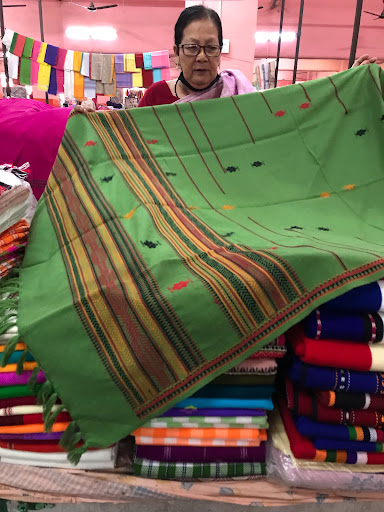
While it's entirely run by women (usually mothers of families), anyone can visit - it's not restricted to 'women only' entry (as some people seem to think!). You can get all sorts of things ranging from local fruit, herbs, vegetables and Manipuri food items to shawls, accessories, scarves and wrap-arounds of a range of qualities; iron tools and special hardware items used in kitchens, as well as many other interesting things. Prices are across a range from quite cheap to quite expensive depending on quality, and if you buy anything, it's probably best to come prepared with some cash too. Many ladies have UPI payment, but some don't. Everyone is well-mannered and most speak Hindi, but you can politely bargain too! It's good to be polite and respectful to the mothers. However, if you're in a car, parking can be a problem near the market.
If you're a lady and want to buy a phanek (wrap-around) or shawl, there are endless gorgeous patterns and colours to choose from (quality will determine if something is colour-fast or less), and you can find lady-tailors right there to give your items to stitch or seam. I was able to buy one for my wife and have it stitched right there for about ₹ 50/-. There are YouTube videos that will tell you how to put them on, as the two pieces of cloth in a phanek are stitched together a little differently.
If you're in Imphal, it's a great place to visit to get a vibe of local life, and a place where women have their own platform and...
Read moreThere are not many things as fantastically empowering for womenkind as a market that is run entirely by women. It's unique to the world, but for the people in Manipur where women have always taken a vital role not just in running the home, but also the community, such a thing as a market solely run by imas (ima = mother) is just a routine sight. This is an old market, but renovations in the past decade has improved it significantly. There are three main sections, one each for clothes (mostly handloom), handicrafts, and food (fish, vegetables and fruits, dairy, etc.) The market is roofed, but without walls, and the shopkeepers/vendors sit on long rows of elevated platforms. The customers walk on the narrow floors between these platforms. Because there are no walls even between shops, they are just a continuation from one vendor to another. I love the experience whenever I go to ima market. There is always exchange of pleasantries, and a friendly query like, "Girl (or sister, depending on approximate age group) would you like to have this vegetable for dinner? I got some fresh ones." The vendors look out for each other too. If ones is on a break and not around, the neighbour might sell her ware for her if a customer wants it, not loosing out on business in her absence. They are all like one big family. If you visit Imphal, a trip to Ima market is highly recommended. You will get to see the vast array of handloom textiles, delicate and beautiful mosquito nets, all kinds of requirements for a prayer ceremony, traditional food items, unique vegetables, fish etc. It's an experience that cannot be...
Read more