HTML SitemapExplore
logo
Find Things to DoFind The Best Restaurants

Kangla Fort — Attraction in Manipur

Name
Kangla Fort
Description
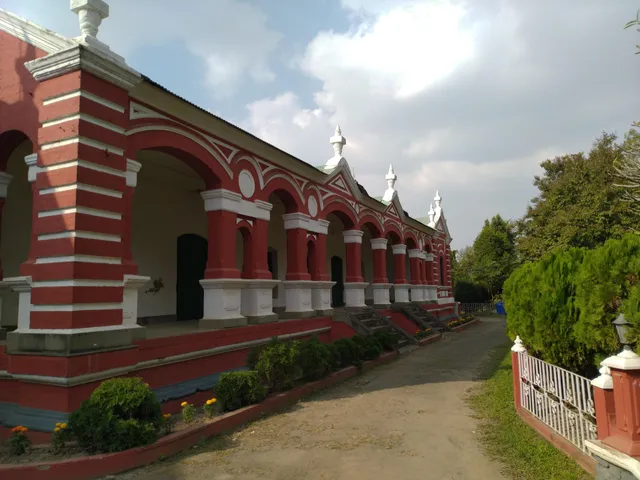
The Kangla, officially known as the Kangla Fort, is an old fortified palace at Imphal in the Manipur state of India. It was formerly situated on both sides of the bank of the Imphal River, now remaining only on the western side in ruined conditions. Kangla means "the prominent part of the dry land" in old Meetei.
Nearby attractions
Kangla Nongpok Torban Imphal
RW3V+4GP, Sanjenthong, Imphal, Manipur 795001, India
Kangla Museum
RW3R+9JV, Kangla, Imphal, Manipur 795001, India
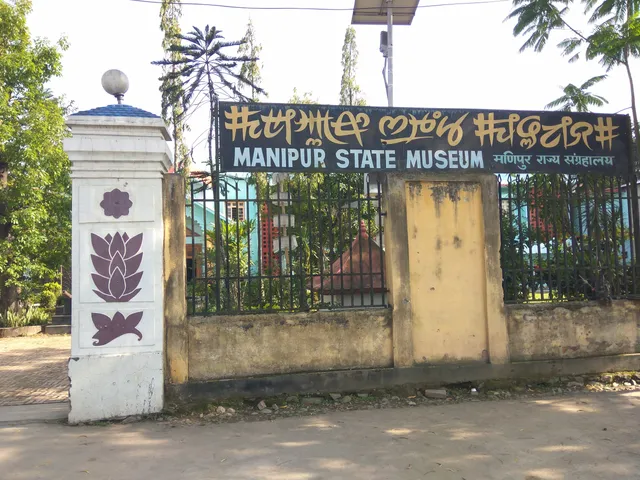
Manipur State Museum
Kangla, Imphal, Manipur 795001, India
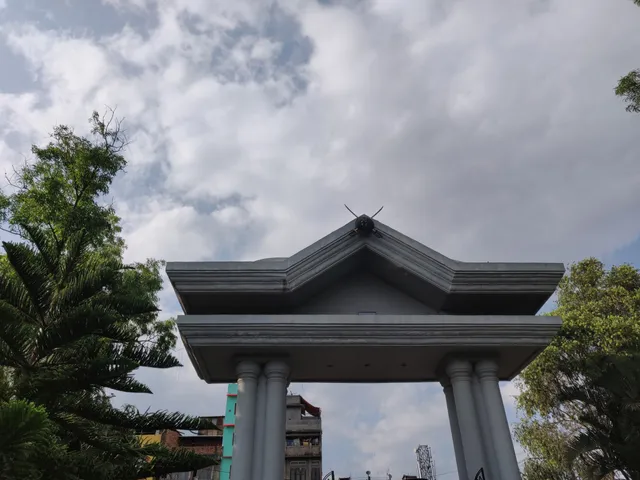
Shaheed Minar
Shahid Minar, Shahid Minar on BT road, Bir Tikendrajit Rd, Paona Bazar, Imphal, Manipur 795001, India
Nearby restaurants
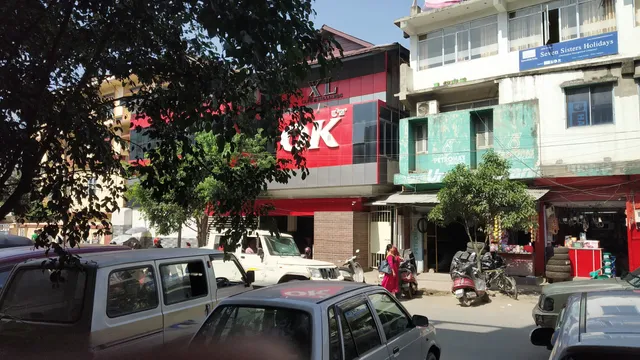
OK Chicken
RW6Q+847, MG Avenue, Majorkhul, Thangal Bazar, Imphal, Manipur 795001, India
XL Restaurant
M.G. Avenue, Majorkhul, Thangal Bazar, Imphal, Manipur 795001, India
New Blue Moon
opposite Marwari Dharamshala, Thangal Bazar, Imphal, Manipur 795001, India
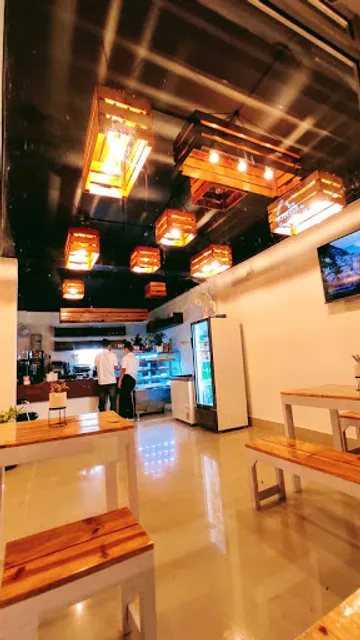
The Grub House
near, New Checkon Rd, Tribal Colony, Angom Colony, Imphal, Manipur 795005, India
Aditi's Chhapan Bhog Sweets & Food Court
M.G. Avenue, Thangal Bazar, Imphal, Manipur 795001, India
OLD DELHI GRILLZZ
Near Public Hospital Hafiz Hatta, New Checkon Rd, Manipur 795001, India
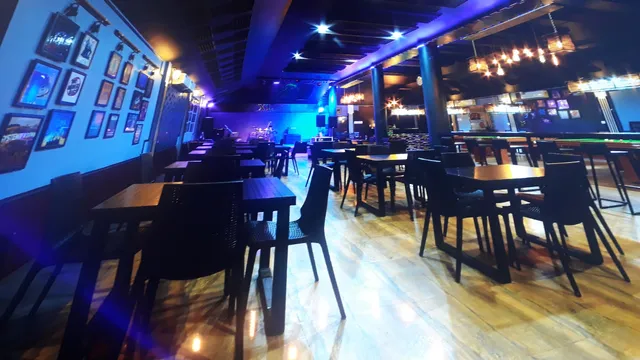
UNDERGROUND SPORTS LOUNGE
IB TOWER, MG AVENUE, Majorkhul, Thangal Bazar, Imphal, Manipur 795001, India
Sagar Restaurant
RW7W+W3X, near Zomi Villa, Ragailong, Imphal, Kairang Meitei, Manipur 795001, India
JK and South Indian Fast Food
RW5M+HQP, Khoyathong Road, Thangal Bazar, Imphal, Manipur 795001, India
Dawat-E-Khaas
Mall Road, adjacent to Ima Market, Thangal Bazar, Imphal, Manipur 795001, India
Nearby hotels
Shirui Lily Hotel
MG Avenue,Kanglapark, near Traffic Point, 795001, India
Hotel Mass
Thangal Bazar, Old Assembly Road, OLd, New Assembly Rd, near Passport Office, Thangal Bazar, Imphal, Manipur 795001, India
Hotel City Heart
M.G Avenue, Thangal Bazar, Majorkhul, Imphal, Manipur 795001, India
Phou-Oi-Bee Hotel
Kabo Leikai Nongpok, North AOC, Manipur 795001, India
THE PADMA Hotel
Dharamsala W, 795 001, Road, Thangal Bazar, Imphal, Manipur 795001, India
Hotel Anand Continental
26, Khoyathong Road, opp. YES BANK, Majorkhul, Thangal Bazar, Imphal, Manipur 795001, India
Hotel Imolesh
Old Lambulane Rd, opposite GP women's college, Sanakhwa Yaima Kollup, Imphal, Manipur 795001, India
Hotel City Centre
Thangal Bazar, Imphal, Manipur 795001, India
HOTEL MILLENNIUM
ALOO GALI POINT, West, Thangal Bazar, Imphal, Manipur 795001, India
THE Pi HOTEL, IMPHAL, MANIPUR
North A.O.C, Minuthong Rd, opp. KEKRUPAT, Zomi Villa, Ragailong, Imphal, Kairang Meitei, Manipur 795001, India
Related posts
Keywords
Kangla Fort tourism.Kangla Fort hotels.Kangla Fort bed and breakfast. flights to Kangla Fort.Kangla Fort attractions.Kangla Fort restaurants.Kangla Fort travel.Kangla Fort travel guide.Kangla Fort travel blog.Kangla Fort pictures.Kangla Fort photos.Kangla Fort travel tips.Kangla Fort maps.Kangla Fort things to do.
Kangla Fort things to do, attractions, restaurants, events info and trip planning
Kangla Fort
IndiaManipurKangla Fort

Basic Info

Kangla Fort

RW4V+X4M, Kangla, Imphal, Manipur 795001, India
4.3(2.9K)
Open 24 hours
Save
spot

Ratings & Description

Info

The Kangla, officially known as the Kangla Fort, is an old fortified palace at Imphal in the Manipur state of India. It was formerly situated on both sides of the bank of the Imphal River, now remaining only on the western side in ruined conditions. Kangla means "the prominent part of the dry land" in old Meetei.

Cultural
Outdoor
Family friendly
attractions: Kangla Nongpok Torban Imphal, Kangla Museum, Manipur State Museum, Shaheed Minar, restaurants: OK Chicken, XL Restaurant, New Blue Moon, The Grub House, Aditi's Chhapan Bhog Sweets & Food Court, OLD DELHI GRILLZZ, UNDERGROUND SPORTS LOUNGE, Sagar Restaurant, JK and South Indian Fast Food, Dawat-E-Khaas
logoLearn more insights from Wanderboat AI.

Plan your stay

hotel
Pet-friendly Hotels in Manipur
Find a cozy hotel nearby and make it a full experience.

hotel
Affordable Hotels in Manipur
Find a cozy hotel nearby and make it a full experience.

hotel
The Coolest Hotels You Haven't Heard Of (Yet)
Find a cozy hotel nearby and make it a full experience.

hotel
Trending Stays Worth the Hype in Manipur
Find a cozy hotel nearby and make it a full experience.

Reviews

Nearby attractions of Kangla Fort

Kangla Nongpok Torban Imphal

Kangla Museum

Manipur State Museum

Shaheed Minar
Kangla Nongpok Torban Imphal

Kangla Nongpok Torban Imphal

4.3

(157)

Open 24 hours
Click for details
Kangla Museum

Kangla Museum

4.1

(37)

Closed
Click for details
Manipur State Museum

Manipur State Museum

4.1

(192)

Open 24 hours
Click for details
Shaheed Minar

Shaheed Minar

4.3

(50)

Open 24 hours
Click for details

Nearby restaurants of Kangla Fort

OK Chicken

XL Restaurant

New Blue Moon

The Grub House

Aditi's Chhapan Bhog Sweets & Food Court

OLD DELHI GRILLZZ

UNDERGROUND SPORTS LOUNGE

Sagar Restaurant

JK and South Indian Fast Food

Dawat-E-Khaas

OK Chicken

OK Chicken

4.2

(1.2K)

Closed
Click for details
XL Restaurant

XL Restaurant

4.2

(322)

$$

Click for details
New Blue Moon

New Blue Moon

3.8

(754)

Click for details
The Grub House

The Grub House

3.8

(177)

Closed
Click for details
Get the Appoverlay
Get the AppOne tap to find yournext favorite spots!
Wanderboat LogoWanderboat

Your everyday Al companion for getaway ideas

CompanyAbout Us
InformationAI Trip PlannerSitemap
SocialXInstagramTiktokLinkedin
LegalTerms of ServicePrivacy Policy

Get the app

© 2025 Wanderboat. All rights reserved.
logo

Posts

Manoj BiruaManoj Birua
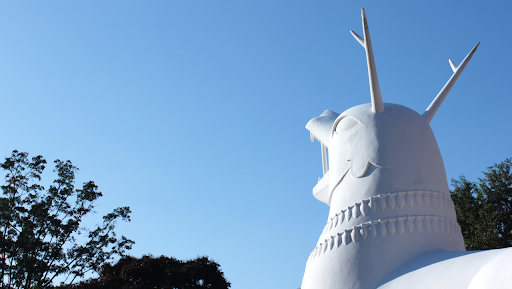
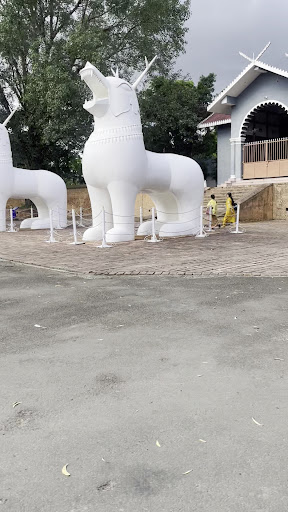
Kangla Fort, also known as Kangla Palace, is a historic and cultural landmark situated in the heart of Imphal, Manipur. The name "Kangla" translates to "dry land" in the ancient Meetei language. It served as the royal residence of the Meitei kings and was the center of political, religious, and military activities of the Manipur kingdom for centuries. Here is a detailed account of its significance, history, and features: Historical Background 1. Ancient Origins (33 AD): The fort is believed to have been established by King Pakhangba, the mythical god-king of the Meitei people. It served as a spiritual and administrative hub for the kingdom. 2. Medieval Period: King Khagemba (1597–1652), who defeated Chinese invaders, fortified the fort with a brick wall and built a moat for added security. His successor, King Khunjaoba, further developed the fort, making it a prominent symbol of Meitei sovereignty. 3. British Occupation (1891): After the Anglo-Manipur War of 1891, the British took control of Kangla Fort and restricted public access. It remained under British and later Indian military control until it was handed back to the state of Manipur in 2004. Architectural and Cultural Features Kangla Fort is spread across a vast area and houses numerous historically significant structures: 1. Pakhangba Temple: Dedicated to Pakhangba, the serpent deity of the Meitei faith. Reflects traditional Meitei architecture and spiritual beliefs. 2. Kangla Sha (Dragon Statues): Two iconic dragon-like statues represent protection and prosperity. They symbolize the mythological guardian spirits of the fort. 3. Hijagang (Boat Shed): Exhibits traditional Meitei watercraft and highlights the seafaring traditions of the people. 4. Kangla Museum: Displays artifacts, historical relics, and exhibits related to the history and culture of Manipur. Offers detailed insights into the Meitei dynasty and its rulers. 5. Sanggai Yumpham: The citadel or royal palace within the fort. It was used for royal ceremonies, including coronations. 6. Moats and Fortifications: The fort is surrounded by moats and remnants of old brick walls. These served as defensive mechanisms in ancient times. 7. Shrines and Sacred Sites: The fort contains several shrines dedicated to local deities. These are important for cultural and spiritual practices. Significance 1. Spiritual Importance: Kangla is not just a historical site but also a spiritual center for the Meitei people. It remains a pilgrimage site for rituals and traditional ceremonies. 2. Symbol of Sovereignty: It represents the resilience and independence of the Meitei kingdom. The fort is a reminder of Manipur's rich history and cultural identity. 3. Cultural Heritage: The fort plays a central role in preserving and showcasing Manipuri traditions, art, and architecture. Modern Access 1. Restoration Efforts: Since its handover in 2004, Kangla Fort has undergone significant restoration to preserve its historical structures. It is now open to the public and serves as a major tourist destination. 2. Visitor Information: Timings: Open from 9:00 AM to 4:30 PM (closed on Mondays and public holidays). Entry Fee: Minimal charges apply, with discounts for students and groups. Bicycle is available for ride inside the sprawling campus of Fort. Guided Tours: Available for those interested in learning more about its history and architecture. Key Events at Kangla Fort Annual cultural festivals and traditional events are held at the fort, showcasing Manipuri dance, music, and art. It is also a venue for government functions and state-level celebrations. Kangla Fort stands as a testament to the rich history, culture, and resilience of the people of Manipur. It is a must-visit site for anyone interested in exploring the heritage of the Northeast region of India.
A KaushikA Kaushik
Kangla was the ancient capital of Manipur Kingdom. It is at the center of Imphal, the capital of Manipur. Kangla was also the seat of royal power and has religious as well as cultural significance for the Manipuris. In fact, it is one of the most precious heritage sites of the State. At one time, the Kingdom expanded as far as Myanmar. The emergence of the Ningthouja dynasty in the year 33 AD was a major step in the stability and the royal lineage of Manipur Kingdom. The Ningthoujas' rule lasted for so many centuries up to the 19th century, when they finally fell to the mighty British empire on 27th April in 1891. Since then the glory and significance of Manipur Kingdom has slowly faded out of peoples' memories. The Kangla, which was once the sacred home of the Manipuri royals and the revered place for the locals, was soon overrun by British Army and later by Assam Rifles. In the course of time, its significance has slowly been eroded. The handover of Kangla to the people of Manipur in 2004 was a significant step in preserving the rich history of Manipur Kingdom. Before the Anglo-Manipur war in 1891, Kangla covered an area of 1 square mile but that has now shrunk to 237.62 acres in the present state. It include the ancestral place of the royal family, burial sites, areas of worship and shrines. Kangla was originally a small mound on the banks of Imphal River. Kangla is the most important historical and archaeological site in Manipur. Though the glory of the palace has been slowly eroded over the years, there are still many significant monuments to see at Kangla. The place itself, monuments and shrines have a deep cultural and historical context. The place is also steeped in folklore. Some people believe that the cosmology of the whole universe centered around Kangla. It goes on to establish Kangla as the most significant place in Manipur. Kangla was deserted several times due to the invasion by the Burmese. In the Annals of Manipur history, the invasion and the subsequent Burmese occupation for 7 years is know as Chahi Taret Khuntakpa. Later during the British rule, they turned Kangla into a cantonment area. An army battalion was stationed at Kangla. As an act of punishment, the British destroyed Kangla sha, a monument and also stripped Shri Govindaji Temple of its gilded roof. Kangla has survived many invasions and occupations. Though it does not have the poise of the bygone era, it is still much revered in Manipur. Some Sites to visit at Kangla: Nungjeng Pukhri Achouba: Nungjeng Pukhri Achouba is the believed to be the abode of Lord Pakhangpa, the supreme deity of the Meiteis. It is one of the larger ponds and one of the nine rivulets in Kangla. The ancestors of the royal family used the water from the pond to perform a ritual called Apokpa Khurumba (Ancestor Worship). Other popular religious rites performed here include Pakhangba Chenghongba and Sanamahi Cheghongba, the Khayom Lakpa - where eggs, uncooked rice and coins are wrapped in plantain leaves, folded and tied along with bamboo strips and immersed in the pond. Nunggoibi: This is the site where enemy heads were buried after performing a rite known as Huiyen Lallu Chanba by the priest. In one incident in 1981, five British officers led by Mr. Quinton, the Chief Commissioner of Assam were beheaded and their heads were buried here. Manglen: Hiyang Hiren: Citadel: Shri Govindaji Temple : Lord Ibudhou Pakhangba Leishang: Kangla Museum: Manung Kangjeibung: Kangla Uttra and Kangla Sha:
Y S NingthouchaY S Ningthoucha
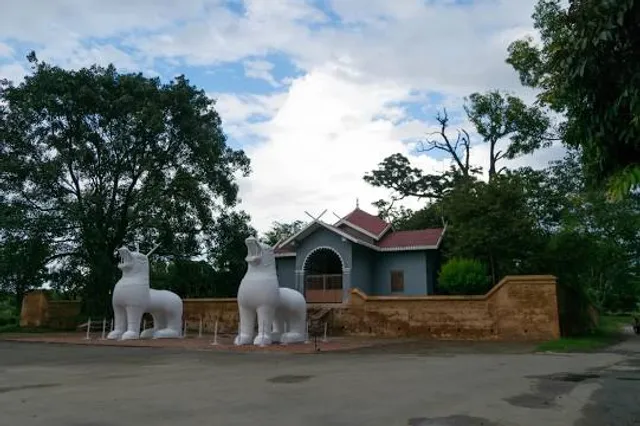
Get the privilege to walk around one of the sacred place in the heart of Imphal. Everyone does love it . Kangla Fort or Kangla Palace is a symbol of Manipur's glory. The word ‘Kangla’ means dry land in Manipuri or Meetei language. Kangla was the ancient capital of Manipur and a number of Meetei monarchs have ruled the destination from this fort. The existence of this fort dates back to 33 AD, when the mythical God-King of Manipur, Nongda Lairen Pakhangba first ascended the throne. It was gradually renovated and developed by successive kings who ruled the place. King Khagemba (1597-1652) ordered the construction of a brick wall on the western gate of the palace. Afterwards, Khunjaoba (1652-1666), his son put in immense efforts in beautifying the fort. It is believed that he excavated a moat on the western side of this palace. In 1891, it was taken over by the British army after the Anglo-Manipur War. Later, the Assam Rifle took control of it, until 2004. On 20th November 2004, the Kangla Fort was handed over by the Indian Prime Minister Manmohan Singh to the state government of Manipur. At present, the fort is open for visitors and is a major tourist attraction of the state. A visit to the Kangla Fort is a must for art lovers and historians as this ancient fort holds immense archaeological, religious and historical significance Kangla Fort was not only the abode of the kings of Manipur but also the symbol of their ancestral roots back to Pakhangba, founder of the Ningthouja dynasty that still exists today. The citadel’s hall was also sometimes referred as the House of Pakhangba, as he was crowned here as the first Meitei king in 33 CE according to the Court Chronicles of Manipur. For nearly 20 years after Manipur was regained from the Burmese, Kangla remained an abandoned old palace. The monarch after the Burmese expulsion, Maharaja Gambhir Singh, reigned from his capital at Langthabal, eight kilometres from Imphal down the Burma Road. At this time, Manipur was acknowledged as an independent power by the Burmese and the British in the Treaty of Yandabo of 1826.  In 1844, Gambhir Singh’s cousin and comrade-at-arms in repelling the Burmese, Regent Narasingh became the king of Manipur and moved the capital back to Kangla. He reconstructed the pair of leogryphs in front of the citadel in Kangla upon the ruins of the old foundation of the previous leogryphs of 1804. The court chronicle of Manipur records that the construction of the two new leogryphs began on June 2, 1844. The Maharaja inaugurated the statues, dedicating them to the royal deity Shri Shri Govindajee on July 24, 1844.
See more posts
See more posts
hotel
Find your stay

Pet-friendly Hotels in Manipur

Find a cozy hotel nearby and make it a full experience.

Kangla Fort, also known as Kangla Palace, is a historic and cultural landmark situated in the heart of Imphal, Manipur. The name "Kangla" translates to "dry land" in the ancient Meetei language. It served as the royal residence of the Meitei kings and was the center of political, religious, and military activities of the Manipur kingdom for centuries. Here is a detailed account of its significance, history, and features: Historical Background 1. Ancient Origins (33 AD): The fort is believed to have been established by King Pakhangba, the mythical god-king of the Meitei people. It served as a spiritual and administrative hub for the kingdom. 2. Medieval Period: King Khagemba (1597–1652), who defeated Chinese invaders, fortified the fort with a brick wall and built a moat for added security. His successor, King Khunjaoba, further developed the fort, making it a prominent symbol of Meitei sovereignty. 3. British Occupation (1891): After the Anglo-Manipur War of 1891, the British took control of Kangla Fort and restricted public access. It remained under British and later Indian military control until it was handed back to the state of Manipur in 2004. Architectural and Cultural Features Kangla Fort is spread across a vast area and houses numerous historically significant structures: 1. Pakhangba Temple: Dedicated to Pakhangba, the serpent deity of the Meitei faith. Reflects traditional Meitei architecture and spiritual beliefs. 2. Kangla Sha (Dragon Statues): Two iconic dragon-like statues represent protection and prosperity. They symbolize the mythological guardian spirits of the fort. 3. Hijagang (Boat Shed): Exhibits traditional Meitei watercraft and highlights the seafaring traditions of the people. 4. Kangla Museum: Displays artifacts, historical relics, and exhibits related to the history and culture of Manipur. Offers detailed insights into the Meitei dynasty and its rulers. 5. Sanggai Yumpham: The citadel or royal palace within the fort. It was used for royal ceremonies, including coronations. 6. Moats and Fortifications: The fort is surrounded by moats and remnants of old brick walls. These served as defensive mechanisms in ancient times. 7. Shrines and Sacred Sites: The fort contains several shrines dedicated to local deities. These are important for cultural and spiritual practices. Significance 1. Spiritual Importance: Kangla is not just a historical site but also a spiritual center for the Meitei people. It remains a pilgrimage site for rituals and traditional ceremonies. 2. Symbol of Sovereignty: It represents the resilience and independence of the Meitei kingdom. The fort is a reminder of Manipur's rich history and cultural identity. 3. Cultural Heritage: The fort plays a central role in preserving and showcasing Manipuri traditions, art, and architecture. Modern Access 1. Restoration Efforts: Since its handover in 2004, Kangla Fort has undergone significant restoration to preserve its historical structures. It is now open to the public and serves as a major tourist destination. 2. Visitor Information: Timings: Open from 9:00 AM to 4:30 PM (closed on Mondays and public holidays). Entry Fee: Minimal charges apply, with discounts for students and groups. Bicycle is available for ride inside the sprawling campus of Fort. Guided Tours: Available for those interested in learning more about its history and architecture. Key Events at Kangla Fort Annual cultural festivals and traditional events are held at the fort, showcasing Manipuri dance, music, and art. It is also a venue for government functions and state-level celebrations. Kangla Fort stands as a testament to the rich history, culture, and resilience of the people of Manipur. It is a must-visit site for anyone interested in exploring the heritage of the Northeast region of India.
Manoj Birua

Manoj Birua

hotel
Find your stay

Affordable Hotels in Manipur

Find a cozy hotel nearby and make it a full experience.

Get the Appoverlay
Get the AppOne tap to find yournext favorite spots!
Kangla was the ancient capital of Manipur Kingdom. It is at the center of Imphal, the capital of Manipur. Kangla was also the seat of royal power and has religious as well as cultural significance for the Manipuris. In fact, it is one of the most precious heritage sites of the State. At one time, the Kingdom expanded as far as Myanmar. The emergence of the Ningthouja dynasty in the year 33 AD was a major step in the stability and the royal lineage of Manipur Kingdom. The Ningthoujas' rule lasted for so many centuries up to the 19th century, when they finally fell to the mighty British empire on 27th April in 1891. Since then the glory and significance of Manipur Kingdom has slowly faded out of peoples' memories. The Kangla, which was once the sacred home of the Manipuri royals and the revered place for the locals, was soon overrun by British Army and later by Assam Rifles. In the course of time, its significance has slowly been eroded. The handover of Kangla to the people of Manipur in 2004 was a significant step in preserving the rich history of Manipur Kingdom. Before the Anglo-Manipur war in 1891, Kangla covered an area of 1 square mile but that has now shrunk to 237.62 acres in the present state. It include the ancestral place of the royal family, burial sites, areas of worship and shrines. Kangla was originally a small mound on the banks of Imphal River. Kangla is the most important historical and archaeological site in Manipur. Though the glory of the palace has been slowly eroded over the years, there are still many significant monuments to see at Kangla. The place itself, monuments and shrines have a deep cultural and historical context. The place is also steeped in folklore. Some people believe that the cosmology of the whole universe centered around Kangla. It goes on to establish Kangla as the most significant place in Manipur. Kangla was deserted several times due to the invasion by the Burmese. In the Annals of Manipur history, the invasion and the subsequent Burmese occupation for 7 years is know as Chahi Taret Khuntakpa. Later during the British rule, they turned Kangla into a cantonment area. An army battalion was stationed at Kangla. As an act of punishment, the British destroyed Kangla sha, a monument and also stripped Shri Govindaji Temple of its gilded roof. Kangla has survived many invasions and occupations. Though it does not have the poise of the bygone era, it is still much revered in Manipur. Some Sites to visit at Kangla: Nungjeng Pukhri Achouba: Nungjeng Pukhri Achouba is the believed to be the abode of Lord Pakhangpa, the supreme deity of the Meiteis. It is one of the larger ponds and one of the nine rivulets in Kangla. The ancestors of the royal family used the water from the pond to perform a ritual called Apokpa Khurumba (Ancestor Worship). Other popular religious rites performed here include Pakhangba Chenghongba and Sanamahi Cheghongba, the Khayom Lakpa - where eggs, uncooked rice and coins are wrapped in plantain leaves, folded and tied along with bamboo strips and immersed in the pond. Nunggoibi: This is the site where enemy heads were buried after performing a rite known as Huiyen Lallu Chanba by the priest. In one incident in 1981, five British officers led by Mr. Quinton, the Chief Commissioner of Assam were beheaded and their heads were buried here. Manglen: Hiyang Hiren: Citadel: Shri Govindaji Temple : Lord Ibudhou Pakhangba Leishang: Kangla Museum: Manung Kangjeibung: Kangla Uttra and Kangla Sha:
A Kaushik

A Kaushik

hotel
Find your stay

The Coolest Hotels You Haven't Heard Of (Yet)

Find a cozy hotel nearby and make it a full experience.

hotel
Find your stay

Trending Stays Worth the Hype in Manipur

Find a cozy hotel nearby and make it a full experience.

Get the privilege to walk around one of the sacred place in the heart of Imphal. Everyone does love it . Kangla Fort or Kangla Palace is a symbol of Manipur's glory. The word ‘Kangla’ means dry land in Manipuri or Meetei language. Kangla was the ancient capital of Manipur and a number of Meetei monarchs have ruled the destination from this fort. The existence of this fort dates back to 33 AD, when the mythical God-King of Manipur, Nongda Lairen Pakhangba first ascended the throne. It was gradually renovated and developed by successive kings who ruled the place. King Khagemba (1597-1652) ordered the construction of a brick wall on the western gate of the palace. Afterwards, Khunjaoba (1652-1666), his son put in immense efforts in beautifying the fort. It is believed that he excavated a moat on the western side of this palace. In 1891, it was taken over by the British army after the Anglo-Manipur War. Later, the Assam Rifle took control of it, until 2004. On 20th November 2004, the Kangla Fort was handed over by the Indian Prime Minister Manmohan Singh to the state government of Manipur. At present, the fort is open for visitors and is a major tourist attraction of the state. A visit to the Kangla Fort is a must for art lovers and historians as this ancient fort holds immense archaeological, religious and historical significance Kangla Fort was not only the abode of the kings of Manipur but also the symbol of their ancestral roots back to Pakhangba, founder of the Ningthouja dynasty that still exists today. The citadel’s hall was also sometimes referred as the House of Pakhangba, as he was crowned here as the first Meitei king in 33 CE according to the Court Chronicles of Manipur. For nearly 20 years after Manipur was regained from the Burmese, Kangla remained an abandoned old palace. The monarch after the Burmese expulsion, Maharaja Gambhir Singh, reigned from his capital at Langthabal, eight kilometres from Imphal down the Burma Road. At this time, Manipur was acknowledged as an independent power by the Burmese and the British in the Treaty of Yandabo of 1826.  In 1844, Gambhir Singh’s cousin and comrade-at-arms in repelling the Burmese, Regent Narasingh became the king of Manipur and moved the capital back to Kangla. He reconstructed the pair of leogryphs in front of the citadel in Kangla upon the ruins of the old foundation of the previous leogryphs of 1804. The court chronicle of Manipur records that the construction of the two new leogryphs began on June 2, 1844. The Maharaja inaugurated the statues, dedicating them to the royal deity Shri Shri Govindajee on July 24, 1844.
Y S Ningthoucha

Y S Ningthoucha

See more posts
See more posts

Reviews of Kangla Fort

4.3
(2,862)
avatar
5.0
46w

Kangla Fort, also known as Kangla Palace, is a historic and cultural landmark situated in the heart of Imphal, Manipur. The name "Kangla" translates to "dry land" in the ancient Meetei language. It served as the royal residence of the Meitei kings and was the center of political, religious, and military activities of the Manipur kingdom for centuries. Here is a detailed account of its significance, history, and features:

Historical Background

Ancient Origins (33 AD):

The fort is believed to have been established by King Pakhangba, the mythical god-king of the Meitei people.

It served as a spiritual and administrative hub for the kingdom.

Medieval Period:

King Khagemba (1597–1652), who defeated Chinese invaders, fortified the fort with a brick wall and built a moat for added security.

His successor, King Khunjaoba, further developed the fort, making it a prominent symbol of Meitei sovereignty.

British Occupation (1891):

After the Anglo-Manipur War of 1891, the British took control of Kangla Fort and restricted public access.

It remained under British and later Indian military control until it was handed back to the state of Manipur in 2004.

Architectural and Cultural Features

Kangla Fort is spread across a vast area and houses numerous historically significant structures:

Pakhangba Temple:

Dedicated to Pakhangba, the serpent deity of the Meitei faith.

Reflects traditional Meitei architecture and spiritual beliefs.

Kangla Sha (Dragon Statues):

Two iconic dragon-like statues represent protection and prosperity.

They symbolize the mythological guardian spirits of the fort.

Hijagang (Boat Shed):

Exhibits traditional Meitei watercraft and highlights the seafaring traditions of the people.

Kangla Museum:

Displays artifacts, historical relics, and exhibits related to the history and culture of Manipur.

Offers detailed insights into the Meitei dynasty and its rulers.

Sanggai Yumpham:

The citadel or royal palace within the fort.

It was used for royal ceremonies, including coronations.

Moats and Fortifications:

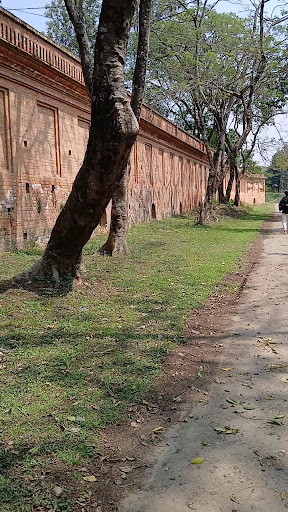
The fort is surrounded by moats and remnants of old brick walls.

These served as defensive mechanisms in ancient times.

Shrines and Sacred Sites:

The fort contains several shrines dedicated to local deities.

These are important for cultural and spiritual practices.

Significance

Spiritual Importance:

Kangla is not just a historical site but also a spiritual center for the Meitei people.

It remains a pilgrimage site for rituals and traditional ceremonies.

Symbol of Sovereignty:

It represents the resilience and independence of the Meitei kingdom.

The fort is a reminder of Manipur's rich history and cultural identity.

Cultural Heritage:

The fort plays a central role in preserving and showcasing Manipuri traditions, art, and architecture.

Modern Access

Restoration Efforts:

Since its handover in 2004, Kangla Fort has undergone significant restoration to preserve its historical structures.

It is now open to the public and serves as a major tourist destination.

Visitor Information:

Timings: Open from 9:00 AM to 4:30 PM (closed on Mondays and public holidays).

Entry Fee: Minimal charges apply, with discounts for students and groups. Bicycle is available for ride inside the sprawling campus of Fort.

Guided Tours: Available for those interested in learning more about its history and architecture.

Key Events at Kangla Fort

Annual cultural festivals and traditional events are held at the fort, showcasing Manipuri dance, music, and art.

It is also a venue for government functions and state-level celebrations.

Kangla Fort stands as a testament to the rich history, culture, and resilience of the people of Manipur. It is a must-visit site for anyone interested in exploring the heritage of the Northeast...

   Read more
avatar
4.0
7y

Kangla was the ancient capital of Manipur Kingdom. It is at the center of Imphal, the capital of Manipur. Kangla was also the seat of royal power and has religious as well as cultural significance for the Manipuris. In fact, it is one of the most precious heritage sites of the State. At one time, the Kingdom expanded as far as Myanmar. The emergence of the Ningthouja dynasty in the year 33 AD was a major step in the stability and the royal lineage of Manipur Kingdom. The Ningthoujas' rule lasted for so many centuries up to the 19th century, when they finally fell to the mighty British empire on 27th April in 1891.

Since then the glory and significance of Manipur Kingdom has slowly faded out of peoples' memories. The Kangla, which was once the sacred home of the Manipuri royals and the revered place for the locals, was soon overrun by British Army and later by Assam Rifles. In the course of time, its significance has slowly been eroded. The handover of Kangla to the people of Manipur in 2004 was a significant step in preserving the rich history of Manipur Kingdom.

Before the Anglo-Manipur war in 1891, Kangla covered an area of 1 square mile but that has now shrunk to 237.62 acres in the present state. It include the ancestral place of the royal family, burial sites, areas of worship and shrines. Kangla was originally a small mound on the banks of Imphal River.

Kangla is the most important historical and archaeological site in Manipur. Though the glory of the palace has been slowly eroded over the years, there are still many significant monuments to see at Kangla. The place itself, monuments and shrines have a deep cultural and historical context. The place is also steeped in folklore. Some people believe that the cosmology of the whole universe centered around Kangla. It goes on to establish Kangla as the most significant place in Manipur.

Kangla was deserted several times due to the invasion by the Burmese. In the Annals of Manipur history, the invasion and the subsequent Burmese occupation for 7 years is know as Chahi Taret Khuntakpa. Later during the British rule, they turned Kangla into a cantonment area. An army battalion was stationed at Kangla. As an act of punishment, the British destroyed Kangla sha, a monument and also stripped Shri Govindaji Temple of its gilded roof. Kangla has survived many invasions and occupations. Though it does not have the poise of the bygone era, it is still much revered in Manipur.

Some Sites to visit at Kangla:

Nungjeng Pukhri Achouba:

Nungjeng Pukhri Achouba is the believed to be the abode of Lord Pakhangpa, the supreme deity of the Meiteis. It is one of the larger ponds and one of the nine rivulets in Kangla. The ancestors of the royal family used the water from the pond to perform a ritual called Apokpa Khurumba (Ancestor Worship). Other popular religious rites performed here include Pakhangba Chenghongba and Sanamahi Cheghongba, the Khayom Lakpa - where eggs, uncooked rice and coins are wrapped in plantain leaves, folded and tied along with bamboo strips and immersed in the pond.

Nunggoibi:

This is the site where enemy heads were buried after performing a rite known as Huiyen Lallu Chanba by the priest. In one incident in 1981, five British officers led by Mr. Quinton, the Chief Commissioner of Assam were beheaded and their heads were buried here.

Manglen:

Hiyang Hiren:

Citadel:

Shri Govindaji Temple :

Lord Ibudhou Pakhangba Leishang:

Kangla Museum:

Manung Kangjeibung:

Kangla Uttra...

   Read more
avatar
5.0
4y

Get the privilege to walk around one of the sacred place in the heart of Imphal. Everyone does love it . Kangla Fort or Kangla Palace is a symbol of Manipur's glory. The word ‘Kangla’ means dry land in Manipuri or Meetei language. Kangla was the ancient capital of Manipur and a number of Meetei monarchs have ruled the destination from this fort.

The existence of this fort dates back to 33 AD, when the mythical God-King of Manipur, Nongda Lairen Pakhangba first ascended the throne. It was gradually renovated and developed by successive kings who ruled the place. King Khagemba (1597-1652) ordered the construction of a brick wall on the western gate of the palace. Afterwards, Khunjaoba (1652-1666), his son put in immense efforts in beautifying the fort. It is believed that he excavated a moat on the western side of this palace. In 1891, it was taken over by the British army after the Anglo-Manipur War. Later, the Assam Rifle took control of it, until 2004.

On 20th November 2004, the Kangla Fort was handed over by the Indian Prime Minister Manmohan Singh to the state government of Manipur. At present, the fort is open for visitors and is a major tourist attraction of the state. A visit to the Kangla Fort is a must for art lovers and historians as this ancient fort holds immense archaeological, religious and historical significance Kangla Fort was not only the abode of the kings of Manipur but also the symbol of their ancestral roots back to Pakhangba, founder of the Ningthouja dynasty that still exists today. The citadel’s hall was also sometimes referred as the House of Pakhangba, as he was crowned here as the first Meitei king in 33 CE according to the Court Chronicles of Manipur.

For nearly 20 years after Manipur was regained from the Burmese, Kangla remained an abandoned old palace. The monarch after the Burmese expulsion, Maharaja Gambhir Singh, reigned from his capital at Langthabal, eight kilometres from Imphal down the Burma Road. At this time, Manipur was acknowledged as an independent power by the Burmese and the British in the Treaty of Yandabo of 1826.  In 1844, Gambhir Singh’s cousin and comrade-at-arms in repelling the Burmese, Regent Narasingh became the king of Manipur and moved the capital back to Kangla. He reconstructed the pair of leogryphs in front of the citadel in Kangla upon the ruins of the old foundation of the previous leogryphs of 1804. The court chronicle of Manipur records that the construction of the two new leogryphs began on June 2, 1844. The Maharaja inaugurated the statues, dedicating them to the royal deity Shri Shri Govindajee on...

   Read more
Page 1 of 7
Previous
Next